
AWS Observability Best Practices for DevOps Engineers

Director & MLOps Lead
Predictive maintenance specialist, industrial data analysis, vibration-based condition monitoring, applied AI for manufacturing and automotive operations
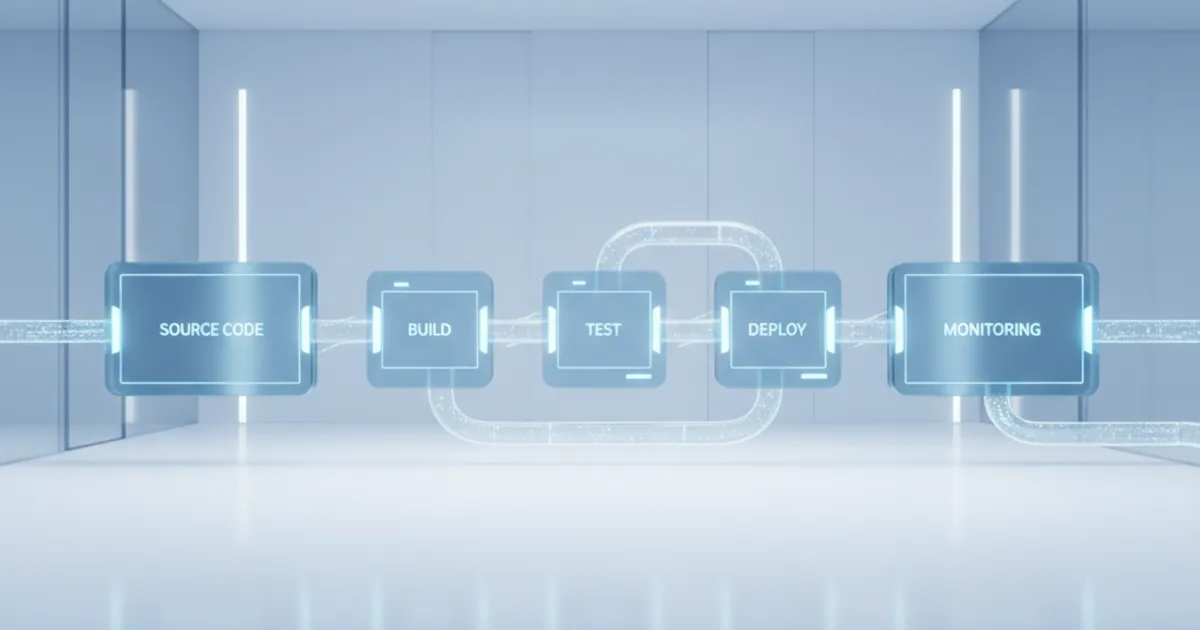
AWS Observability Best Practices for DevOps Engineers
Effective AWS observability is crucial for DevOps engineers to ensure the reliability and performance of cloud-based infrastructure and applications. The key components of AWS observability include monitoring, logging, metrics collection, tracing, telemetry data analysis, and AI-powered insights. To achieve best practices for AWS observability in a complex workload environment, it’s important to instrument application code with appropriate libraries that can capture relevant data points for analysis.
DevOps engineers must analyze logs and correlate metrics across network traffic to identify potential issues in real time. They should also create custom dashboards with relevant analytics to gain deeper insight into system behavior. Additionally, implementing automated alerts can help resolve issues before they impact site reliability or user experience while adhering to governance protocols set by the organization. Overall investing in robust AWS Observability practices leads to more efficient development cycles which ultimately benefits developers as well as end-users alike through increased overall application resilience
What is AWS Observability?
Observability in AWS refers to the ability to analyze and monitor an application or infrastructure environment through metrics, logs, traces, telemetry, and other sources of data. It is a crucial aspect of managing cloud workloads as it enables developers and engineers to resolve issues quickly by providing deep insights into system behavior. The key benefits of using AWS observability include enhanced reliability, better management of complex environments, guidance for governance, increased agility in DevOps workflows.
AWS observability provides deep insights into system behavior through metrics, logs, traces, telemetry, and other sources of data to enhance reliability and provide better management of complex environments.
Monitoring focuses on collecting data about specific aspects such as network traffic or CPU usage while observability is more holistic by nature. Unlike monitoring which helps with identifying problems that are already known beforehand; observability also allows you to identify unknowns making it easier for engineers to correlate and aggregate different sets of data – leading them towards root cause analysis. Having this level of visibility into your applications makes it possible for developers and devops teams alike to implement effective analytics-based alerting systems proactively improving their overall site reliability score by automatically correlating events together across all levels from infrastructure up until user experience dashboards.
Why is AWS Observability important for DevOps Engineers?
Observability plays a crucial role in DevOps practices. The ability to monitor and analyze metrics, logs, traces, telemetry data, and network insights helps developers gain deep visibility into their cloud infrastructure and application workload environment. This allows them to identify issues before they become problems that could impact the reliability of their services. By instrumenting applications with reliable monitoring tools like AWS Observability dashboards and analytics, DevOps engineers can optimize performance while also ensuring governance over their cloud resources.
The impact of AWS observability on the efficiency and effectiveness of development teams is significant. With real-time alerts that correlate data from multiple sources to help diagnose problems quickly, developers can resolve incidents faster than ever before. They can use these insights not only for reactive incident response but also for proactive tuning by analyzing trends in workloads over time. In this way, AWS observability provides guidance to development teams so they can continually improve both performance and reliability through effective management of application environments in the cloud.
AWS Observability Components
CloudWatch Logs provide a central storage location for logs from multiple sources, allowing developers to monitor and troubleshoot their applications in the cloud. X-Ray tracing offers deep insights into application behavior by instrumenting code and capturing traces of requests as they pass through different components of an application. CloudTrail provides visibility into AWS infrastructure actions, enabling users to audit activity across their environment for compliance purposes.
By utilizing these observability components, AWS DevOps engineers can gain crucial metrics and telemetry data on their workloads, network traffic, site reliability and more. They can analyze this information using dashboards and analytics tools to identify potential issues or bottlenecks within the infrastructure and resolve them proactively before end-users are affected. Developers can use X-Ray traces to correlate performance data with application code changes for faster issue resolution while governance teams benefit from granular logging capabilities offered by CloudTrail when it comes time for compliance audits or investigations.
In summary, incorporating CloudWatch Logs, X-Ray tracing functionality,and making use of CloudTrail’s auditing features is essential for monitoring your cloud environment’s overall health & ensuring its reliability & stability in today’s fast-paced world where global networks serve vast amounts of critical traffic 24/7.
Best Practices for AWS Observability
Instrumentation best practices are essential for AWS observability. Custom metrics, logs, and traces provide vital insights into your application’s performance and health within a cloud environment. To get the most out of these observations, developers must ensure that their instrumentation is thorough and complete.
Setting alarms and notifications based on predefined thresholds can help detect issues in real-time. By identifying key metrics such as network traffic or disk usage, teams can reduce downtime by proactively resolving potential problems before they impact users.
Anomaly detection techniques should be an integral part of any monitoring strategy to analyze workloads’ behavior within a given infrastructure environment further. This approach enables DevOps engineers to identify patterns that may not have been visible otherwise – helping them correlate telemetry data across different layers of the stack quickly.
- Use deep analytics to analyze important metrics.
- Correlate and aggregate multiple sources of telemetry data.
- Build dashboards with relevant alerts tailored to specific audiences.
- Integrate AI/ML algorithms into your monitoring tools wherever possible.
- Continuously review governance policies designed around reliable site management principles.
By following these best practices, developers can use AWS observability tools effectively – gaining valuable insights into their applications’ performance while improving reliability without sacrificing agility within their DevOps workflows.
How to Implement AWS Observability in DevOps?
To implement AWS observability in DevOps, follow these simple steps:
- Instrument your infrastructure and application:
- Start by instrumenting the relevant areas of your infrastructure and applications. This will allow you to collect telemetry data such as logs, metrics, traces, and network traffic.
- Aggregate and analyze the collected data:
- Next step is to aggregate all the collected data using a centralized platform like CloudWatch or Splunk. Use analytics tools like AI/ML-based analytics to get insights from this aggregated data.
- Build dashboards with meaningful alerts:
- Create dashboards that display important metrics that are vital for monitoring your workloads. Define relevant alerts so that you can take timely remedial action if any threshold is breached.
- Correlate different sources of information:
- Combine different sources of information such as logs, metrics, traces etc., so that it becomes easier to identify issues related to specific transactions or workflows.
By following these best practices for implementing AWS observability in DevOps environments,you can ensure improved reliability,governance,and guidance for developers & engineers throughout their development cycles.
About the Author

Director & MLOps Lead
Vaishnavi leads machine learning operations initiatives at Opsio, enabling ML and predictive capabilities for industrial and automotive operations. Her expertise spans predictive maintenance, industrial data analysis, vibration-based condition monitoring, and applied AI — with a focus on practical, experiment-driven solutions designed for real operational environments.
Editorial standards: This article was written by a certified practitioner, named in the byline above. We revise it when the technology or regulation it covers changes; the dates above show the latest update. Opsio maintains editorial independence — we recommend solutions on technical merit, not commercial relationships.