
Learn What is IT Operations Management, Contact Us for Solutions

Country Manager, India
AI, Manufacturing, DevOps, and Managed Services. 17+ years across Manufacturing, E-commerce, Retail, NBFC & Banking
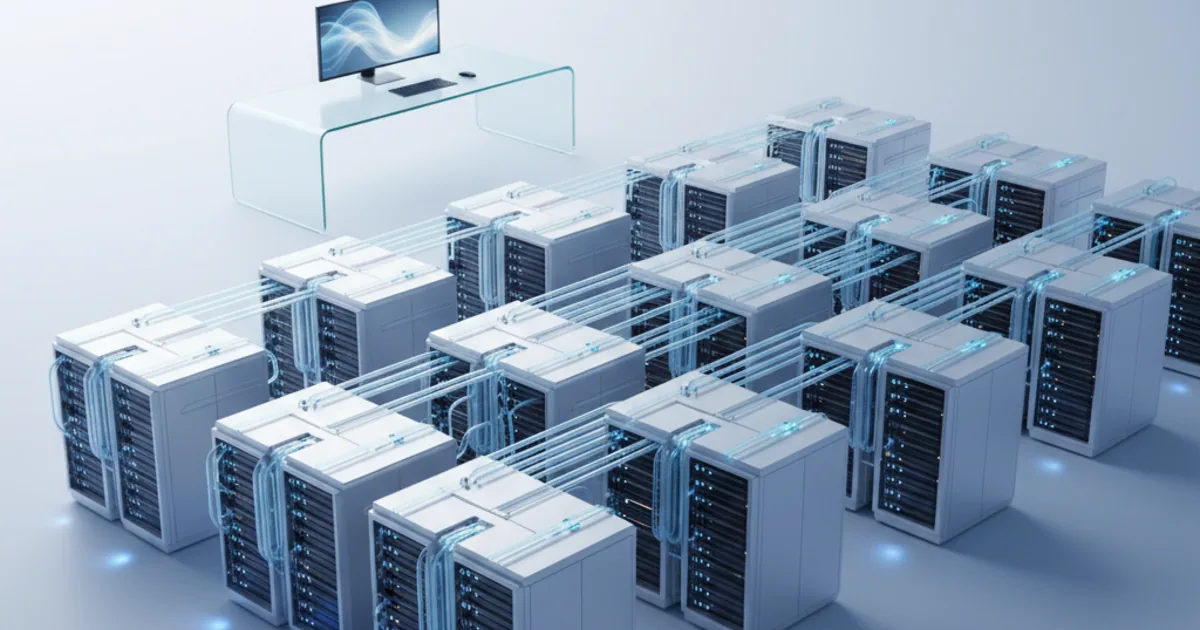
Is your technology truly supporting your business goals, or is it just creating more work? Many leaders struggle with complex systems that drain resources instead of driving growth. We believe a strategic approach to technology administration can change this dynamic entirely.
Modern enterprises rely on a comprehensive discipline that manages all technology infrastructure and services. This approach ensures systems, applications, and networks operate seamlessly. It transforms technology from a cost center into a strategic advantage.
Understanding this methodology helps organizations optimize investments and reduce operational costs. It minimizes downtime while delivering exceptional user experiences across all digital touchpoints. This framework represents the backbone of successful digital transformation.
We guide organizations through implementing these proven methodologies. Our tailored solutions address unique challenges while aligning technology capabilities with strategic priorities. Contact us at opsiocloud.com/contact-us/ to discover how our expertise can transform your operations into assets that accelerate growth.
Key Takeaways
- IT Operations Management is a strategic framework focused on methodology rather than just technology.
- This discipline serves as the backbone for modern enterprise systems and digital infrastructure.
- Proper implementation reduces operational costs while minimizing system downtime.
- Organizations can transform technology from a cost center into a competitive advantage.
- Tailored solutions align technology capabilities with specific business objectives.
- Expert guidance helps optimize investments and improve user experiences.
- Strategic partnership enables growth through operational excellence and innovation.
What is IT Operations Management: Key Concepts and Benefits
Technology investments frequently fail to deliver expected returns due to disjointed operational approaches. We help organizations implement cohesive frameworks that transform technology from a cost center into a strategic asset.
Definition and Scope
This strategic discipline encompasses all daily activities and functions required to maintain optimal technology performance. It covers infrastructure, applications, and services throughout their complete lifecycles.
The scope extends across multiple critical domains. These include physical and virtual infrastructure, data confidentiality, service delivery, and application oversight from development to retirement.
| Domain | Key Focus Areas | Business Value |
|---|---|---|
| Infrastructure Management | Physical/virtual components, network systems | Continuous availability, optimal performance |
| Service Management | Help desk, incident response, support processes | Seamless operations, rapid issue resolution |
| Application Management | Software lifecycles, deployment, updates | Enhanced user experiences, reduced downtime |
| Data Management | Confidentiality, integrity, accessibility | Security compliance, business continuity |
Business Impact and Value
Effective implementation delivers measurable improvements across the organization. It establishes standardized procedures for deployment, support, and issue remediation.
Businesses achieve significant cost reductions through operational efficiency gains. They also benefit from improved service reliability and accelerated innovation capabilities.
We help organizations position their technology operations as strategic enablers rather than cost centers. This creates sustainable competitive advantages through operational excellence.
Need expert help with what is it operations management, contact us for solutions?
Our cloud architects can help you with what is it operations management, contact us for solutions — from strategy to implementation. Book a free 30-minute advisory call with no obligation.
Scope and Components of IT Operations
The comprehensive scope of modern operational excellence extends far beyond individual systems to encompass entire technological ecosystems. We help organizations understand how these interconnected components create a unified framework that supports business objectives.
Infrastructure Management
This foundational component oversees both physical and virtual elements within technological environments. It includes servers, storage systems, network devices, and cloud resources.
Effective infrastructure management requires sophisticated capacity planning and performance optimization. These approaches ensure scalability while maintaining cost-effectiveness across all hardware and software components.
Data and Service Management
Data management focuses on protecting organizational information assets through systematic approaches. It ensures confidentiality, integrity, and availability through backup systems and disaster recovery planning.
Service management guarantees seamless operation across all delivered technological services. This component aligns service delivery with business needs while exceeding user expectations.
Asset and Application Oversight
Asset management optimizes infrastructure capacity utilization, preventing both resource waste and performance degradation. Application oversight governs complete software lifecycles from development through retirement.
These interconnected components create comprehensive operational capabilities that support digital transformation initiatives. We implement proven methodologies that optimize interdependencies between infrastructure, data, services, and applications.
ITOM vs. ITSM, ITIL, and ITAM
Successful technology governance depends on recognizing how various management frameworks interact and complement each other. We help organizations understand these distinctions to build comprehensive capabilities.
Comparative Analysis of Frameworks
IT Service Management serves as an umbrella term for delivering quality services through standardized processes. It focuses on incident resolution, change control, and support desk operations.
In contrast, operational excellence concentrates on administrative oversight of infrastructure and daily functions. This approach ensures continuous performance and resource optimization.
The IT Infrastructure Library provides strategic guidelines covering the entire service lifecycle. It offers a comprehensive framework that guides implementation of operational processes.
| Framework | Primary Focus | Strategic Level |
|---|---|---|
| ITSM | Service delivery and support processes | Tactical and operational |
| ITOM | Infrastructure administration and performance | Operational |
| ITIL | Comprehensive service management guidelines | Strategic |
| ITAM | Asset lifecycle and financial control | Tactical |
Choosing the Right Approach
Asset management methodology complements operational oversight by providing real-time visibility into resources. This integration supports informed decisions about capacity planning.
Most enterprises benefit from combining these complementary approaches. We assess specific needs to recommend integrated strategies that leverage each framework's strengths.
Our guidance helps organizations develop customized solutions following industry standards. This ensures alignment between technology capabilities and business objectives.
How Do You Implement IT Operations Management Best Practices?
Turning operational excellence from concept to reality demands careful planning, clear objectives, and disciplined execution across the organization. We guide businesses through establishing foundational practices that transform technology administration from reactive troubleshooting to proactive value creation.
Goal Setting and Strategic Alignment
Successful implementation begins with defining measurable objectives that address specific operational challenges. We help organizations establish clear success criteria aligned with broader business priorities.
This strategic alignment ensures every operational improvement delivers tangible value. It creates a roadmap where technology capabilities directly support organizational growth objectives.
Team Training and Process Optimization
Developing skilled teams represents the cornerstone of sustainable operational excellence. We provide comprehensive training resources that build technical proficiency and collaborative capabilities.
Process optimization establishes consistent methodologies for incident resolution, change control, and performance monitoring. These standardized approaches reduce errors while enabling continuous improvement across all operational domains.
Our methodology emphasizes clear communication frameworks and individual accountability. This fosters transparency and coordination essential for managing complex technological environments effectively.
Leveraging Modern Tools and Automation in IT Operations
Traditional manual approaches to technology administration are becoming increasingly inadequate for modern digital environments. We help organizations transition toward intelligent automation that transforms operational effectiveness through advanced analytical capabilities.
Adopting AIOps and AI-Driven Solutions
Artificial intelligence for operations platforms represents a fundamental shift in how enterprises manage complex infrastructure. These solutions analyze massive data volumes from diverse sources to identify patterns and detect anomalies.
AIOps platforms combine machine learning with big data analytics to predict potential issues before they impact users. They automatically recommend or execute remediation actions that restore normal operations with minimal human intervention.
Automation with Machine Learning Technologies
Machine learning technologies continuously improve operational effectiveness by learning from historical data and adapting to changing conditions. These systems identify optimal patterns and refine automation rules based on outcomes.
Advanced software automates repetitive tasks like monitoring activities, log analysis, and performance optimization. This eliminates monotonous work prone to errors while freeing skilled professionals for strategic initiatives.
Organizations achieve reduced detection and resolution times through comprehensive observability across distributed environments. These tools provide in-depth metrics that enable data-driven decision-making for optimal resource utilization.
We guide enterprises in selecting and implementing automation technologies that align with specific requirements. Our expertise ensures seamless integration with existing systems while delivering measurable value through increasingly autonomous operations.
How Do You Optimize Infrastructure Services and Performance?
Modern enterprises face increasing pressure to deliver responsive digital experiences while managing complex infrastructure landscapes. We help organizations implement comprehensive strategies that balance performance requirements with cost efficiency across diverse technological environments.
Performance management focuses on maximizing speed, efficiency, and reliability through continuous monitoring of key metrics. This discipline identifies bottlenecks that degrade user experiences and implements tuning adjustments that maximize throughput.
Capacity management ensures sufficient resources remain available to meet current and future business demands. This approach prevents both overprovisioning that wastes budget and underprovisioning that creates service disruptions.
Modern infrastructure has evolved beyond traditional data centers to encompass hybrid and multicloud environments. These complex landscapes introduce challenges related to visibility, governance, and operational consistency across diverse platforms.
We emphasize implementing unified management tools that provide comprehensive visibility across all infrastructure components. These solutions enable consistent policy enforcement and integrated monitoring while avoiding operational silos.
Our data-driven approaches analyze resource utilization patterns to identify optimization opportunities. This informs strategic decisions about investments, cloud migrations, and technology refresh cycles that align infrastructure capabilities with business objectives.
How Do You Manage Change and Configuration in Dynamic IT Environments?
Organizations navigating complex digital transformations require robust frameworks to govern system changes while minimizing operational risks. We help enterprises implement disciplined approaches that balance innovation with stability across evolving technological landscapes.
Effective Change Management Strategies
Structured change management establishes clear governance for system modifications. This framework ensures proposed changes undergo thorough evaluation before implementation.
We implement comprehensive processes that assess technical feasibility, business value, and potential impacts. These strategies reduce service disruptions caused by poorly planned modifications.
Configuration and Asset Discovery
Configuration management maintains accurate records of all technological assets and their relationships. This discipline provides complete visibility into complex environments.
We recommend automated discovery tools that continuously scan infrastructure components. These solutions maintain current inventories across cloud resources, containers, and virtual systems.
Configuration management databases serve as foundational repositories supporting informed decision-making. They enable accurate impact assessment for proposed changes while reducing manual errors.
Integrating IT Operations with Business Objectives
Many organizations struggle with technology that operates in isolation from their core business strategies. We help bridge this critical gap by ensuring operational decisions directly support organizational goals including revenue growth and customer satisfaction.
Aligning IT and Business Priorities
Successful alignment requires ongoing collaboration between technical teams and business stakeholders. This partnership translates strategic objectives into specific service requirements and resource allocations.
We advocate for service-oriented approaches that focus on delivering capabilities meeting specific business needs. This perspective prioritizes activities based on their impact on revenue-generating systems and customer engagement platforms.
Measuring Impact with KPIs
Organizations benefit from defining comprehensive service catalogs that document capabilities in business terms. These catalogs establish clear performance commitments and service level agreements.
Measuring impact through business-relevant key performance indicators demonstrates tangible contributions to organizational success. Teams can showcase direct contributions to bottom-line results through adjusted reporting emphasizing ROI and revenue impact.
Our approach builds credibility with leadership and strengthens relationships between technical and business functions. This ensures technology operations function as strategic enablers driving business success.
Addressing Cybersecurity and Zero Trust in IT Management
Modern enterprises operate in increasingly complex environments where security considerations must be integrated into every aspect of technological administration. We help organizations build resilient frameworks that protect against evolving threats while maintaining operational efficiency.
Implementing a Zero Trust Architecture
The Zero Trust model represents a fundamental shift from traditional perimeter-based security. This approach assumes no user, device, or network segment should be automatically trusted.
We implement strict access controls that require continuous verification across all endpoints. Each access request undergoes rigorous authentication based on contextual factors like identity and device health.
This architecture demands sophisticated tools for network mapping and policy enforcement. Our customized solutions provide comprehensive visibility across distributed environments.
Ensuring Data Security and Compliance
Protecting sensitive information requires robust security operations practices. We focus on maintaining confidentiality, integrity, and availability of critical data assets.
Our approach integrates preventive controls with continuous monitoring for vulnerabilities. This comprehensive strategy helps organizations meet regulatory requirements including GDPR and HIPAA.
We establish security incident response procedures that rapidly contain threats. This ensures business continuity while safeguarding organizational assets from potential breaches.
Future Trends in IT Operations Management and Automation
Forward-thinking organizations are preparing for a paradigm shift where technology administration becomes increasingly predictive and self-correcting. This evolution represents a fundamental transformation in how enterprises approach operational excellence.
We help businesses anticipate these changes through strategic planning that positions them to leverage emerging capabilities. The landscape is rapidly moving toward autonomous systems that require new skills and approaches.
Emerging Technologies Shaping ITOM
Advanced platforms combining artificial intelligence with big data analytics are revolutionizing operational workflows. These solutions analyze patterns across complex environments to identify potential issues before they escalate.
Container orchestration and serverless architectures introduce new operational models that demand sophisticated management capabilities. Edge computing expands the operational perimeter, requiring distributed oversight across diverse locations.
These developments represent significant top trends impacting I/O teams as they adapt to changing technological landscapes. Organizations must develop strategies that incorporate these advancements while maintaining service quality.
Predictive Analytics and Self-Healing Systems
Predictive capabilities leverage machine learning to forecast capacity requirements and potential failures. This approach enables proactive interventions that prevent disruptions rather than reacting to problems.
Self-healing infrastructure represents the next frontier in operational reliability. Systems automatically detect performance degradation and execute remediation actions without human intervention.
This autonomous functionality dramatically reduces resolution times while improving overall system stability. We guide organizations in implementing these advanced capabilities that transform operational efficiency.
Contact Us for Expert IT Solutions
Achieving operational excellence in today's complex digital landscape demands more than just technical proficiency—it requires strategic partnership and comprehensive solutions. We help organizations transform their technological capabilities into sustainable competitive advantages through proven methodologies and experienced guidance.
Our approach begins with understanding your unique operational requirements and business objectives. We tailor our services to address specific challenges while aligning technology capabilities with strategic priorities.
Reach Out Today at Our Contact Page
We invite organizations seeking to enhance their operational capabilities to connect with our experienced teams. Our professionals stand ready to discuss your specific needs and develop customized solutions that drive measurable business outcomes.
Our comprehensive services encompass infrastructure optimization, automation implementation, and strategic guidance. We help organizations navigate complex environments while ensuring operational reliability and security.
Contact us today at https://opsiocloud.com/contact-us/ to begin your journey toward operational excellence. Our team provides end-to-end support, from initial assessment through ongoing optimization, ensuring your technology operations consistently deliver exceptional value.
Conclusion
Transforming technology from a support function into a core strategic driver hinges on effective operational governance. This discipline ensures infrastructure and services directly enable business objectives, creating tangible value.
Adopting proven practices delivers enhanced reliability and efficiency, minimizing disruptions while optimizing costs. Teams can focus on innovation rather than routine tasks.
Emerging technologies like AI and automation will further streamline these critical processes. Organizations can overcome complexity and security challenges with expert guidance.
We help businesses implement tailored solutions that align operational capabilities with strategic needs. Contact our team to discuss how we can support your specific objectives and drive growth.
FAQ
How does IT Operations Management directly support our business objectives?
IT Operations Management ensures that all technology systems, from hardware to software applications, run reliably and efficiently. This directly supports business objectives by minimizing downtime, optimizing performance, and enabling seamless service delivery. By aligning our management processes with your strategic goals, we help enhance productivity and drive growth.
What role does automation play in modern infrastructure management?
Automation is central to modern infrastructure management, significantly boosting operational efficiency. We leverage automation tools and machine learning technologies to handle repetitive tasks like monitoring, capacity planning, and change management. This approach frees up your teams to focus on strategic initiatives, reduces human error, and improves system reliability across your environments.
Why is a Zero Trust architecture critical for our organization's security?
A Zero Trust architecture is essential because it operates on the principle of "never trust, always verify." This security model continuously validates every user and device attempting to access resources, regardless of their location. We implement this approach to protect your data, applications, and network components from internal and external threats, ensuring robust compliance and data security.
Can you help us integrate different service management frameworks like ITIL?
A> Absolutely. We specialize in integrating various frameworks, including ITIL, to create a cohesive service management strategy. Our experts analyze your unique business needs and operational challenges to tailor an approach that combines the best practices from ITIL, ITSM, and ITAM. This ensures streamlined processes, improved service delivery, and better alignment with your organizational objectives.
How do you measure the performance and success of IT operations?
We measure success through carefully selected Key Performance Indicators (KPIs) that reflect both technical health and business impact. These metrics include system uptime, incident resolution times, change success rates, and user satisfaction scores. By monitoring these KPIs, we provide clear insights into performance, identify areas for improvement, and demonstrate the value of our management activities.
What are the benefits of adopting AIOps for our IT environment?
Adopting AIOps brings transformative benefits, such as predictive analytics and self-healing capabilities. These AI-driven solutions proactively identify potential issues before they impact performance, automate root cause analysis, and suggest remediation actions. This leads to greater system reliability, reduced operational costs, and allows your team to focus on innovation rather than firefighting.
About the Author

Country Manager, India
Praveena leads Opsio's India operations, bringing 17+ years of cross-industry experience spanning AI, manufacturing, DevOps, and managed services.
Editorial standards: This article was written by a certified practitioner and reviewed by our engineering team. We revise it when the technology or regulation it covers changes; the dates above show the latest update. Opsio maintains editorial independence — we recommend solutions on technical merit, not commercial relationships.