
Top Cloud SLA Monitoring Software Solutions for 2026

Country Manager, Sweden
AI, DevOps, Security, and Cloud Solutioning. 12+ years leading enterprise cloud transformation across Scandinavia
What Is Cloud SLA Monitoring?
Cloud Service Level Agreements (SLAs) are vital contracts that define the level of service a cloud provider guarantees to its customers. These agreements establish clear expectations regarding performance, availability, and responsibilities. Effective monitoring of these SLAs is crucial for businesses relying on cloud services for their operations.
Cloud SLA monitoring involves continuously tracking and analyzing the performance and availability of cloud services against the agreed-upon terms. This process ensures that cloud providers uphold their commitments, safeguarding business continuity and user experience. Identifying the best Cloud sla monitoring software can significantly streamline this complex task.
This specialized software goes beyond basic uptime checks, delving into specific metrics outlined in your SLA. It provides deep insights into critical performance indicators, allowing businesses to verify compliance. Such monitoring is fundamental for maintaining operational efficiency and financial accountability in the cloud.
Why Cloud SLA Monitoring is Crucial for Businesses
In today's digital landscape, businesses increasingly depend on cloud infrastructure for critical applications and data. Downtime or underperformance of these services can lead to significant financial losses, reputational damage, and decreased customer satisfaction. Robust Cloud SLA monitoring acts as a proactive defense mechanism.
It ensures that the services you pay for are delivered as promised, providing a clear audit trail of performance. This oversight is essential for compliance with regulatory standards and internal governance policies. Without proper monitoring, businesses operate blindly, risking service degradation and potential contract breaches.
Moreover, effective SLA monitoring helps optimize resource allocation by highlighting areas of over-provisioning or under-utilization. It empowers businesses to negotiate better terms with cloud providers, armed with concrete data. Choosing the best Cloud sla monitoring software contributes directly to a stronger, more resilient cloud strategy. It is essential for achieving the promised benefits of cloud adoption.
Need expert help with top cloud sla monitoring software solutions for 2026?
Our cloud architects can help you with top cloud sla monitoring software solutions for 2026 — from strategy to implementation. Book a free 30-minute advisory call with no obligation.
What Are the Key Features of the Best Cloud SLA Monitoring Software?
When searching for the best Cloud sla monitoring software, several core features stand out as non-negotiable for comprehensive oversight. These capabilities ensure businesses can effectively track, analyze, and respond to cloud service performance. The leading cloud performance software offers a blend of these advanced functionalities.
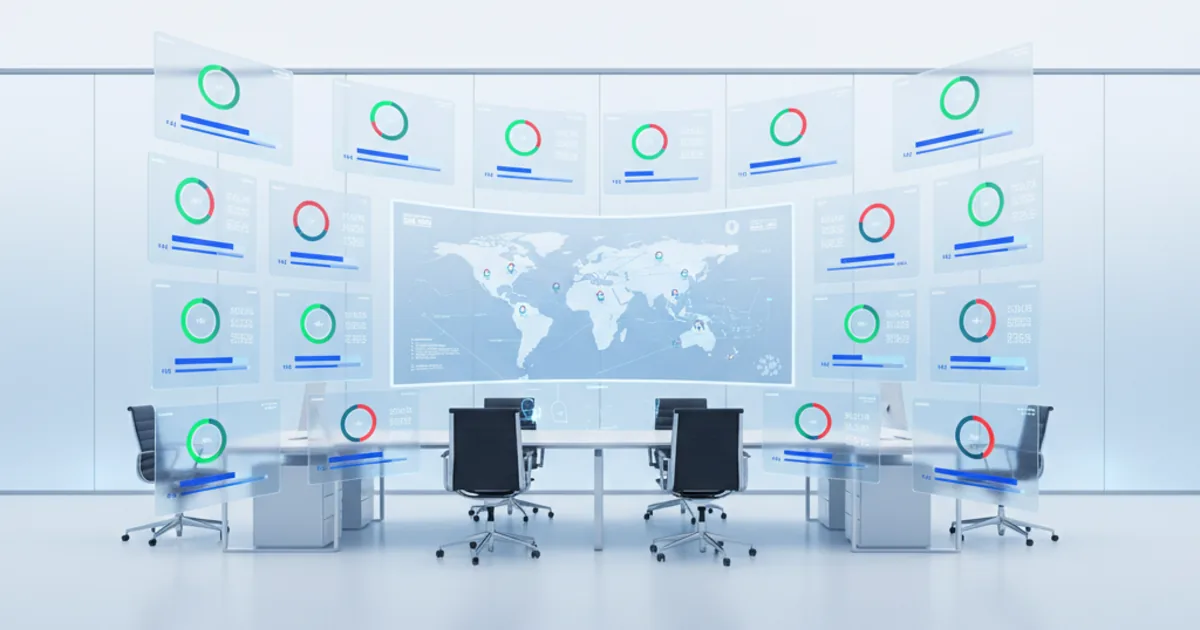
Real-time performance dashboards are critical, providing an immediate overview of all monitored services. These dashboards should display key metrics like latency, uptime percentage, error rates, and resource utilization. This allows for quick identification of potential issues before they escalate.
Automated alerting and notification systems are equally important, ensuring that IT teams are immediately informed of any SLA breaches or performance deviations. Notifications can be configured via email, SMS, or integrated into existing incident management tools. This proactive communication is a hallmark of top-rated SLA monitoring software.
Furthermore, robust reporting and analytics capabilities are essential for long-term performance assessment and compliance auditing. These features should allow for custom report generation, trend analysis, and historical data retention. Comprehensive data visualization helps in understanding performance patterns and making informed decisions.
Integration with various cloud platforms (AWS, Azure, GCP) and other IT management tools (e.g., APM, ITSM) is another vital feature. Seamless integration reduces silos and provides a holistic view of the IT ecosystem. Customizable thresholds for alerts and reporting metrics allow businesses to tailor the monitoring to their specific SLA requirements.
Many highly recommended SLA tools also offer predictive analytics, leveraging machine learning to anticipate potential performance issues. This capability helps in preventing downtime rather than just reacting to it. User-friendly interfaces, scalability to handle growing cloud environments, and strong security features are also crucial considerations.

ENSURE UNINTERRUPTED SERVICE
Ensure uninterrupted service delivery and proactively prevent costly SLA breaches. Leverage our automated, real
✓ Free consultation✓ No commitment required
✓ Trusted by experts
How to Choose the Best Cloud SLA Monitoring Software
Selecting the best Cloud sla monitoring software involves a careful evaluation of your specific business needs and technical requirements. This decision impacts your ability to maintain service quality and ensure contractual compliance. Approaching this choice systematically will lead to the most effective solution.
First, identify your primary cloud platforms and the specific services you need to monitor (e.g., compute, storage, databases, networking). Ensure the software supports your existing cloud environment, whether it's single-cloud, multi-cloud, or hybrid. Compatibility is paramount for seamless integration and data collection.
Next, assess the vendor's reputation, customer support, and track record. Look for SLA monitoring software reviews and case studies to understand real-world experiences from other users. A vendor with strong support can be invaluable during implementation and ongoing operations.
Consider the scalability of the solution. As your cloud footprint grows, your monitoring needs will also expand. The chosen software should be able to handle increased load and complexity without performance degradation. Future-proofing your monitoring strategy is a wise investment.
Evaluate pricing models to ensure they align with your budget and usage patterns. Some solutions offer subscription-based pricing, while others might charge based on the number of monitored instances or data volume. Always look for transparency in pricing and avoid hidden costs.
Finally, take advantage of free trials or demos offered by vendors. This hands-on experience allows you to test the software's features, ease of use, and integration capabilities in your own environment. This practical evaluation offers the best Cloud sla monitoring software tips for making an informed decision.
Top Considerations for Implementing Cloud SLA Monitoring
Successful implementation of a Cloud SLA monitoring solution goes beyond simply installing the software. It requires strategic planning and careful execution to ensure maximum benefit. These considerations will guide you in setting up a robust monitoring framework.
Firstly, clearly define your Service Level Objectives (SLOs) and Key Performance Indicators (KPIs) that align with your business goals and cloud provider SLAs. Without clear targets, it's impossible to measure success or identify failures. This foundational step is critical for any premier cloud service level software.
Establish baseline performance metrics for your cloud services before implementing extensive monitoring. Understanding normal operating conditions helps in accurately identifying deviations and anomalies. This baseline provides a reference point for evaluating performance over time.
Ensure that your IT staff receives adequate training on how to use the monitoring software effectively. Proper training maximizes the utilization of features and ensures accurate interpretation of data. A skilled team can quickly respond to alerts and leverage the software's full potential.
Regularly review and adjust your monitoring strategy as your cloud environment evolves. Cloud services are dynamic, and your monitoring approach should be flexible enough to adapt to changes in architecture, workload, or business priorities. Continuous refinement ensures the monitoring remains relevant.
Finally, integrate the monitoring solution with your existing IT operations management tools, such as incident management, change management, and configuration management databases (CMDBs). This creates a unified operational view, enhancing collaboration and streamlining workflows across your IT landscape.
Practical Tips for Optimizing Cloud SLA Performance
Beyond merely monitoring, actively working to optimize your cloud SLA performance can significantly improve service quality and cost efficiency. Proactive measures, combined with robust monitoring, create a resilient cloud environment. Implementing award-winning SLA solutions is only the first step.
Leverage automation for incident response: Configure automated actions to respond to common SLA breaches or performance degradations. This could include auto-scaling resources or initiating pre-defined scripts to restart services. Automation reduces manual intervention and speeds up recovery times.
Regularly review performance reports and trends: Don't just react to alerts; analyze historical data to identify recurring issues or performance bottlenecks. Understanding long-term trends allows for strategic improvements rather than just tactical fixes. These insights are invaluable for continuous improvement.
Communicate proactively with cloud providers: Share your monitoring data with your cloud provider when issues arise or to discuss potential improvements. Collaborative problem-solving can lead to faster resolutions and better service in the long run. Establishing clear communication channels is key.
Conduct periodic stress testing and capacity planning: Simulate high load scenarios to understand how your cloud services perform under pressure and identify potential breaking points. This helps in proactive capacity planning, ensuring your resources can handle peak demands. These are excellent best Cloud sla monitoring software tips.
Implement continuous optimization practices: Regularly review your cloud architecture, configurations, and resource allocations. Look for opportunities to optimize costs, improve performance, and enhance security. Small, consistent improvements can lead to significant gains in SLA compliance. These practices are excellent best Cloud sla monitoring software examples.
 Analyze -> Optimize -> Automate -> Review, with icons representing each stage and arrows showing the flow." loading="lazy" decoding="async" style="max-width: 100%; height: auto;" />
Frequently Asked Questions About Cloud SLA Monitoring
What is an SLA in the context of cloud services?
An SLA, or Service Level Agreement, in cloud services is a contract between a cloud provider and a customer. It defines the specific level of service the customer can expect, detailing metrics like uptime, performance, and data availability, along with remedies for non-compliance. These agreements are crucial for setting expectations and ensuring accountability.
Why is Cloud SLA monitoring important?
Cloud SLA monitoring is important because it ensures that cloud providers adhere to their contractual obligations. It allows businesses to verify service performance, detect issues proactively, optimize costs, and maintain compliance with regulatory requirements. Without monitoring, businesses lack visibility into their critical cloud services.
What are common metrics monitored in Cloud SLAs?
Common metrics monitored in Cloud SLAs include uptime percentage, latency, throughput, error rates, data availability, and mean time to recovery (MTTR). These metrics provide a quantifiable measure of the service quality delivered by the cloud provider. Specific metrics can vary depending on the service and agreement.
How does Cloud SLA monitoring help with cost management?
Cloud SLA monitoring helps with cost management by highlighting instances of over-provisioning or under-utilization of resources. By analyzing actual usage against performance requirements, businesses can optimize their cloud spending and avoid paying for services they don't fully utilize. It ensures you get the value promised for your investment.
Can I monitor multi-cloud environments with a single tool?
Yes, many modern best Cloud sla monitoring software solutions are designed to monitor multi-cloud and hybrid cloud environments from a single console. These tools offer integrations with major cloud providers, allowing for a unified view of performance across diverse infrastructures. This capability simplifies management for complex setups.
What are some highly recommended SLA tools?
Some highly recommended SLA tools are typically those that offer comprehensive features like real-time dashboards, customizable alerts, robust reporting, and extensive integrations. The specific "best" tool often depends on individual business needs, cloud environment, and budget. Researching current SLA monitoring software reviews is always a good starting point.
ENSURE UNINTERRUPTED SERVICE
Ensure uninterrupted service delivery and proactively prevent costly SLA breaches. Leverage our automated, real
✓ Free consultation✓ No commitment required
✓ Trusted by experts
Conclusion
Effective Cloud SLA monitoring is not merely a technical requirement; it's a strategic imperative for any business leveraging cloud services. It forms the backbone of reliability, ensuring that your digital operations run smoothly and meet agreed-upon performance benchmarks. Choosing the best Cloud sla monitoring software empowers organizations with the visibility and control needed to thrive in a cloud-centric world.
By understanding the critical features, making informed choices, and implementing robust monitoring practices, businesses can safeguard their investments and maintain high service quality. Proactive monitoring and optimization translate directly into improved customer satisfaction, operational efficiency, and sustained business growth. Investing in superior Cloud SLA monitoring solutions is an investment in your company's future stability and success.
Related reading: sla monitoring tools.
Related reading: Best Cloud SLA Monitoring Software Solutions for Uptime.
Related Articles
About the Author

Country Manager, Sweden
Johan leads Opsio's Sweden operations, driving AI adoption, DevOps transformation, security strategy, and cloud solutioning for Nordic enterprises. With 12+ years in enterprise cloud infrastructure, he has delivered 200+ projects across AWS, Azure, and GCP — specialising in Well-Architected reviews, landing zone design, and multi-cloud strategy.
Editorial standards: This article was written by a certified practitioner and reviewed by our engineering team. We revise it when the technology or regulation it covers changes; the dates above show the latest update. Opsio maintains editorial independence — we recommend solutions on technical merit, not commercial relationships.


