
AWS Managed DevOps – Scalable and Secure Cloud Solutions

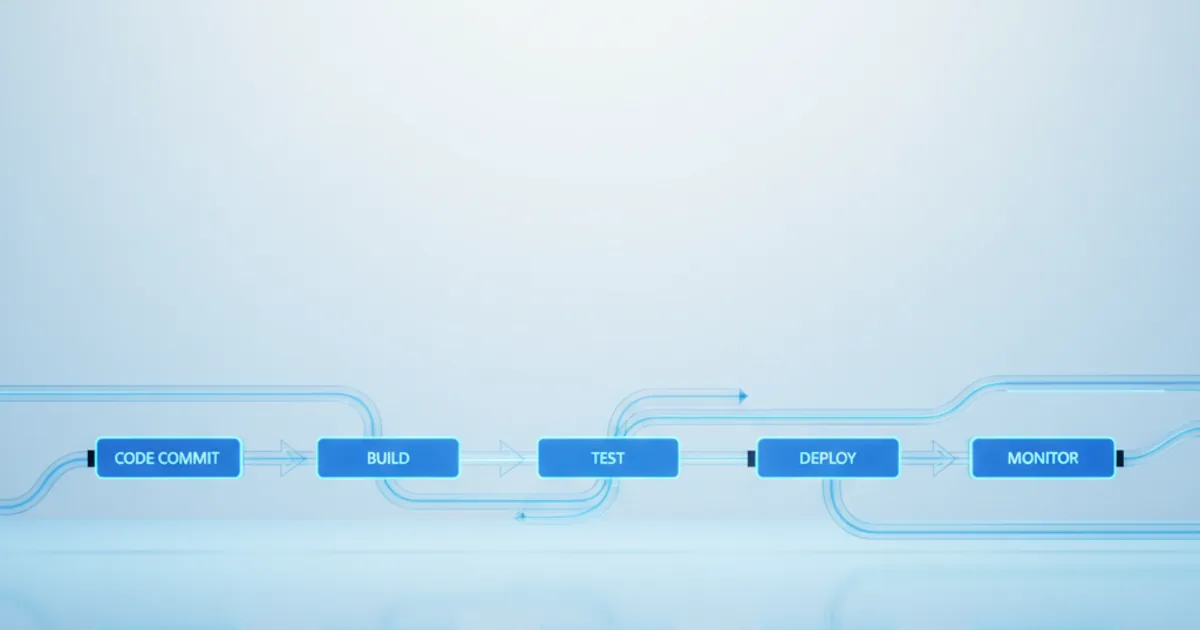
What is AWS Managed DevOps?
It is an agile and automated solution offered by Amazon Web Services (AWS) that allows businesses to streamline their software development processes. With features like CodeBuild and CodeCommit, developers can easily build and deploy code while ensuring scalability and security in the cloud.
Definition and Overview
Introduction to AWS Managed DevOps:
AWS Managed DevOps is a cloud computing solution that combines the principles of agile development and automation to streamline software delivery, enabling businesses to achieve faster time-to-market, improved quality assurance, and increased scalability.
AWS Managed DevOps is a cloud computing solution that combines the principles of agile development and automation to streamline software delivery. It enables businesses to efficiently build, test, and deploy applications with codebuild and codecommit services.
Explanation of the concept of DevOps in cloud computing:
DevOps in cloud computing refers to the integration of development (Dev) and operations (Ops) teams to foster collaboration and enhance efficiency throughout the software development lifecycle. By leveraging AWS Managed DevOps, businesses can achieve faster time-to-market, improved quality assurance, and increased scalability.
Overview of how AWS manages and supports DevOps processes:
AWS simplifies DevOps processes by providing a suite of tools for efficient deployment automation. With built-in capabilities like continuous integration/continuous delivery (CI/CD), businesses can easily manage their infrastructure resources while maintaining secure environments. AWS's comprehensive support ensures seamless application updates without disrupting ongoing business operations.
Benefits of AWS Managed DevOps
Increased agility and faster time to market for businesses: With AWS Managed DevOps, businesses can embrace an agile approach to software development. By leveraging automated infrastructure management tools like CodeBuild and CodeCommit, development teams can build and deploy applications more quickly, enabling faster time to market.
Improved collaboration between development and operations teams: AWS Managed DevOps fosters better collaboration between development and operations teams. Through automation, these cross-functional teams can work together seamlessly, eliminating silos and streamlining the deployment process. This improved collaboration leads to smoother workflows, accelerated problem-solving, and ultimately higher quality software releases.
Automated infrastructure management leading to reduced operational overhead: The automation capabilities of AWS Managed DevOps significantly reduce operational overhead. With features like automated scaling of resources based on demand, developers no longer need to manually manage infrastructure provisioning or worry about resource constraints. This frees up valuable time that can be redirected towards innovation rather than routine maintenance tasks.
Key Features and Capabilities
- Continuous integration/continuous delivery (CI/CD) pipelines:
- AWS Managed DevOps provides agile businesses with automated CI/CD pipelines that streamline the software development process, allowing for faster and more efficient code deployment.
- Automatic scaling based on workload demands:
- With AWS Managed DevOps, businesses can enjoy automatic scaling of their infrastructure to meet fluctuating workload demands. This ensures optimal performance and cost-efficiency without manual intervention.
- Proactive monitoring, troubleshooting, and remediation:
- AWS Managed DevOps includes proactive monitoring tools that enable businesses to detect issues in real-time. It also offers automated troubleshooting and remediation capabilities to minimize downtime and keep operations running smoothly.
The Future of Cloud Solutions
Scalability and flexibility: AWS managed DevOps offers businesses the ability to scale their cloud infrastructure quickly and easily, allowing for seamless growth as needs change. With flexible deployment models and automated scaling capabilities, businesses can optimize resource allocation and reduce downtime.
Security and compliance: In an increasingly digital landscape, security is of paramount importance. AWS managed DevOps provides robust security measures to protect sensitive data, ensuring compliance with industry regulations. From encryption at rest to identity access management, businesses can trust that their cloud solutions are secure.
Scalability and Flexibility
With AWS Managed DevOps, businesses can benefit from an elastic infrastructure that scales seamlessly based on demand. Whether there is a sudden spike in traffic or the need to handle increased workloads, AWS provides the flexibility to meet these requirements without any disruption. Additionally, the ability to quickly provision resources for new projects allows organizations to adapt and respond rapidly in dynamic environments. With flexible deployment options available for various workloads, businesses can optimize their infrastructure and ensure it meets their specific needs.
- Elastic infrastructure that can scale based on demand
- Ability to quickly provision resources for new projects
- Flexible deployment options for various workloads
Security and Compliance
Robust security measures are built into the AWS Managed DevOps platform, ensuring that businesses can trust their data and applications to be secure. With compliance with industry standards and regulations, businesses can rest assured knowing that they are meeting all necessary requirements. Additionally, automated security updates and patch management make it easy to stay up-to-date with the latest protections.
- Robust security measures
- Compliance with industry standards
- Automated security updates and patch management
Efficiency and Cost-effectiveness
Automation of routine operations tasks saves time and reduces human errors. By automating repetitive processes, businesses can free up valuable resources and ensure consistent and accurate execution of tasks. This not only increases efficiency but also minimizes the risk of costly mistakes that can negatively impact operations.
A pay-as-you-go pricing model eliminates upfront infrastructure costs. With an AWS managed DevOps solution, businesses only pay for the resources they use, allowing them to scale their infrastructure as needed without incurring unnecessary expenses. This flexible pricing structure enables cost-effective cloud solutions that align with business needs and growth objectives.
Optimized resource utilization leads to cost savings. By leveraging AWS managed DevOps services, businesses can allocate resources more efficiently based on demand patterns, resulting in reduced wastage and increased cost-effectiveness. The ability to dynamically adjust resource allocation ensures optimal performance while minimizing unnecessary expenditure on underutilized infrastructure.
Continuous Integration and Deployment
Incorporating CI/CD practices ensures faster software delivery cycles. By seamlessly integrating with popular CI/CD tools like Jenkins or CircleCI, businesses can automate testing, build, deployment, and rollback processes, reducing manual effort. This streamlines the development process and improves overall efficiency.
Automated testing and deployment also contribute to seamless integration with CI/CD tools. By adopting AWS Managed DevOps, businesses can optimize their software development workflows for continuous integration and deployment. The automated processes enable teams to deliver new features and updates quickly while maintaining a high level of quality assurance.
Improved Collaboration and Communication
Tight integration between development teams using collaborative tools like AWS CodeStar or GitHub enables seamless communication and coordination, leading to more efficient and effective collaboration. With faster feedback loops, developers can quickly iterate on their code, enabling them to deliver high-quality software at an accelerated pace. Additionally, easier sharing of project artifacts among team members fosters better teamwork and knowledge sharing for enhanced productivity.
Why Choose AWS Managed DevOps?
Expertise and Support: AWS Managed DevOps provides businesses with access to a team of experienced professionals who have deep knowledge and expertise in managing cloud infrastructure. With their support, businesses can confidently navigate the complexities of cloud solutions and receive timely assistance whenever needed.
Simplified Infrastructure Management: By choosing AWS Managed DevOps, businesses can eliminate the burden of managing complex infrastructure themselves. The service takes care of tasks such as provisioning servers, configuring networks, and monitoring resources, allowing businesses to focus on their core objectives without worrying about infrastructure management. This simplification leads to enhanced efficiency and cost savings for organizations.
Expertise and Support
24/7 access to knowledgeable AWS experts ensures that businesses have the support they need, whenever they need it. With proactive monitoring and troubleshooting, potential issues can be identified and resolved before they impact operations. Additionally, guidance for best practices in cloud infrastructure management helps businesses optimize their resources and maximize efficiency.
Simplified Infrastructure Management
Automated provisioning and scaling of resources enable businesses to quickly adapt to changing demands, ensuring optimal resource allocation without manual intervention. Centralized control over infrastructure configuration allows for easy management and enforcement of standardized settings across the environment, reducing inconsistencies and improving security. Efficient deployment of updates and patches ensures that systems are always up-to-date with the latest enhancements and fixes, enhancing overall stability and minimizing vulnerabilities. With AWS Managed DevOps, businesses can simplify their infrastructure management while maintaining scalability, flexibility, and security in a rapidly evolving cloud landscape.
Streamlined Development Process
- Integration of development, testing, and deployment tools enables seamless collaboration and efficient workflows.
- Continuous integration/continuous delivery (CI/CD) pipelines automate the build, test, and deployment processes for faster software releases.
- Automated workflows reduce manual tasks and increase efficiency, leading to a quicker time-to-market.
Increased Reliability and Availability
Highly redundant architecture ensures fault tolerance, minimizing downtime and maximizing system availability. Automatic failover capabilities guarantee seamless transitions in case of any failures, ensuring uninterrupted service delivery. The seamless integration with Amazon's global network infrastructure enhances reliability and availability across regions, providing businesses with a robust and dependable cloud solution for their evolving needs.
In addition to its numerous benefits for businesses, AWS Managed DevOps also prioritizes enhanced security measures. With features like automated backups and disaster recovery mechanisms in place, organizations can have peace of mind knowing that their data is protected against potential threats or disruptions. This level of security ensures that sensitive information remains confidential while maintaining uninterrupted business continuity.
Related reading: Managed Service Provider Europe.
Related Articles
About the Author

Editorial standards: This article was written by a certified practitioner, named in the byline above. We revise it when the technology or regulation it covers changes; the dates above show the latest update. Opsio maintains editorial independence — we recommend solutions on technical merit, not commercial relationships.


