
Cloud in Healthcare Industry: Your Questions Answered

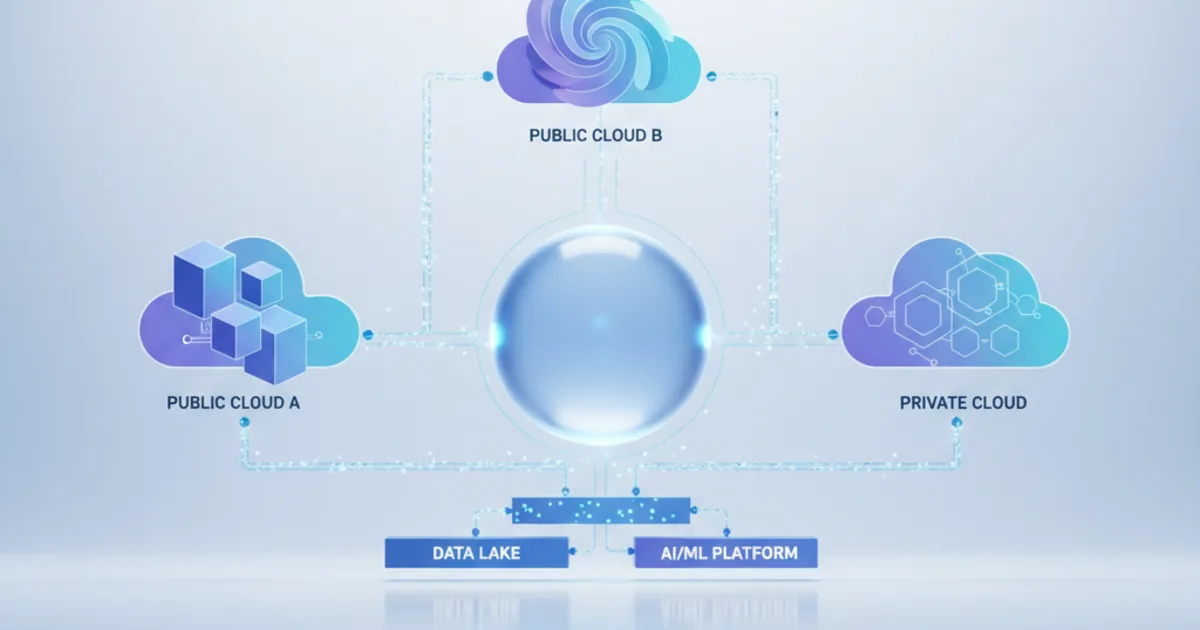
How can your medical organization handle huge data growth, meet strict rules, and give top-notch care while keeping costs down? These issues keep healthcare leaders up at night. Yet, healthcare cloud transformation offers a clear way forward.
Your organization faces huge pressures in today's digital world. As your strategic partners, we see adopting new tech as more than just updating infrastructure. It's a fundamental shift in how medical places store, process, and use vital health data.
The financial benefits are huge. McKinsey says cloud computing healthcare solutions could bring $100 billion to $170 billion in value by 2030. Plus, 92% of medical groups have seen better patient experiences through digital changes.
This guide answers your top questions about modern tech infrastructure. We offer expert advice and practical tips for evaluating options, making smart choices, and growing your organization in a digital world.
Key Takeaways
- Modern infrastructure solutions can unlock $100-$170 billion in healthcare value by 2030, creating substantial financial opportunities for forward-thinking organizations
- Digital transformation has already enabled 92% of medical institutions to deliver measurably improved patient experiences and clinical outcomes
- Strategic technology adoption addresses critical challenges including data growth, regulatory compliance, and operational cost management simultaneously
- Successful implementation requires understanding both technical capabilities and practical business applications specific to healthcare environments
- We partner with organizations to navigate technology decisions, providing expert guidance that reduces operational burden while enabling sustainable growth
What is Cloud Computing in Healthcare?
Cloud technology has changed how healthcare providers manage patient data. The Cloud in Healthcare Industry is more than just a tech upgrade. It's a big change in how data is handled, care is shared, and work is done more efficiently.
Healthcare cloud services let organizations move past old systems. They offer flexible, growing solutions that meet today's clinical needs and patient wants.
Knowing cloud computing basics helps healthcare leaders make smart digital plans. This knowledge helps find solutions that fit your organization's needs, rules, and goals. It also supports growth and new ideas.
Core Principles and Service Models
Cloud computing offers many computing services over the internet. This means no big upfront costs or ongoing maintenance headaches. It saves IT budgets in healthcare.
The cloud systems used in healthcare have three main service models. We guide clients through these:
- Infrastructure as a Service (IaaS) gives virtual computing resources over the internet. It lets healthcare groups create custom IT setups for their needs.
- Platform as a Service (PaaS) offers tools for building custom healthcare apps and platforms. It's great for teams making new healthcare solutions.
- Software as a Service (SaaS) gives software apps over the internet on a pay-as-you-go basis. It means no local setup or upkeep, and always has the latest updates.
Each model has its own benefits. Choosing the right one depends on your IT setup, staff skills, and future plans. We think picking the best model needs careful thought about your current IT, staff, and future goals.
Operational Implementation in Healthcare Settings
In healthcare, cloud computing stores patient data on remote servers. This is different from old systems where data was on local servers. Cloud computing makes data more accessible and scalable.
The practical implementation lets healthcare pros access important info anytime, anywhere. This helps with team work, telemedicine, and quick care team collaboration.
Cloud tech for healthcare means secure access to big amounts of medical data over the internet. It keeps patient info safe with strong security and follows strict rules.
Cloud platforms also make sharing health info easy across different care settings. This breaks down old data barriers. It lets electronic health records follow patients smoothly, without manual data copying.
We see cloud computing in healthcare as more than just storing data. It's a full system for making care decisions, managing health, and engaging patients. It's key for modern, patient-focused care.
Need expert help with cloud in healthcare industry: your questions answered?
Our cloud architects can help you with cloud in healthcare industry: your questions answered — from strategy to implementation. Book a free 30-minute advisory call with no obligation.
What Are the Benefits of Cloud in Healthcare?
Cloud technology brings big benefits to healthcare. It makes information more accessible, cuts costs, and helps teams work better together. We've seen how cloud tech changes the game for healthcare, making care better and tackling big challenges.
Switching to the cloud is more than just a tech upgrade. It changes how doctors get info, how resources are used, and how teams work together. This change is huge for healthcare.
Enhanced Data Accessibility
Cloud computing lets doctors access patient info anytime they need it. This cuts down on delays and info gaps, which are critical in emergencies. Doctors can see full medical histories and recent test results from anywhere with internet.
Remote patient monitoring uses cloud tech to track health in real-time. It collects data from devices and sends it to a central place for care teams to check. This helps keep an eye on patients with chronic conditions.
Patient data analytics in the cloud finds patterns and predicts problems before they happen. It looks at lots of data to find insights that humans can't see. This lets doctors act fast instead of just reacting.
Patients can now see their health info online. They can look at reports, test results, and more. This makes them more involved in their care and helps them make choices with their doctors.
Cost Efficiency
Cloud adoption saves money for healthcare leaders. It cuts down on big upfront costs for servers and data centers. Instead, costs are more flexible and based on what you use.
Cloud providers have a pay-as-you-go model. You only pay for what you use. This means you can grow or shrink your setup as needed, without wasting money.
Healthcare cost reduction isn't just about saving on hardware. It also means less money spent on keeping servers running. Updates happen automatically, so you don't have to worry about downtime.
Cloud migration can cut IT costs by 30-50% in the first year. This money can be used for better patient care, staff training, and new medical equipment.
Improved Collaboration
Cloud systems change how teams work together. They let doctors and nurses from different places and specialties share info in real-time. This means better care and less waste.
Care coordination platforms bring together insights from many healthcare professionals. Everyone can see the whole plan, reducing mistakes and improving care. This teamwork is key to better health outcomes.
The cloud benefits healthcare by making it easier to share info with patients and families. This builds trust and helps patients follow treatment plans better. It's a big win for care.
Cloud tech also helps with research and education. It lets medical centers share data and students learn from real cases. This makes the cloud even more valuable for healthcare.
Security Concerns in Cloud Healthcare Solutions
Protecting electronic health information is crucial. It requires careful attention to security, encryption, and compliance. Despite this, healthcare data security worries often stop medical institutions from using cloud computing. Cloud platforms offer better protection than old systems.
The healthcare sector deals with a lot of sensitive patient data. This makes it a target for cybercriminals. It also raises the risk of expensive data breaches.
Cloud security healthcare must protect in many ways. This includes technical, administrative, and physical security. Modern clouds have strong security that small healthcare groups can't afford.
Healthcare providers must know their security duties. Cloud providers secure the infrastructure, but healthcare groups must protect their apps and data. This teamwork makes for stronger security.
Protecting Information Through Advanced Encryption
Data encryption healthcare is a key defense against unauthorized access. We use encryption to make data unreadable without the right keys. This protects data both in transit and at rest.
Top cloud security healthcare platforms use AES with 256-bit keys. This is military-grade protection for your patient data. The encryption happens automatically, without extra steps from staff. You control the encryption keys, so even cloud providers can't access your data without permission.
Transport Layer Security (TLS) protects data encryption healthcare as it moves. It stops man-in-the-middle attacks. We use encryption at rest and in transit for extra protection.
Meeting Federal Privacy Standards
Healthcare groups in the U.S. must follow HIPAA. We offer HIPAA compliance solutions for all Security Rule aspects. This includes technical, physical, and administrative safeguards.
Business Associate Agreements outline cloud vendors' duties. These agreements specify how vendors will protect patient data. We ensure all agreements meet HIPAA standards, protecting your organization from fines.
Access controls limit who can see or change patient records. We use role-based access systems. This means staff can only see what they need for their jobs. Controls include user checks, session timeouts, and audit logs.
Regular risk assessments find vulnerabilities before they're exploited. We check your technical setup, policies, and staff training. This helps strengthen your cloud security healthcare defenses.
Comprehensive Protection Strategies
Risk management strategies must keep up with threats. We create multi-layered defenses. These include technology, process discipline, and organizational vigilance.
Multi-factor authentication adds extra protection. We use systems that check user identity in multiple ways. This makes it much harder for unauthorized access, even if passwords are stolen.
Continuous monitoring catches suspicious activities quickly. We use advanced threat detection to analyze user behavior. This helps keep your HIPAA compliance solutions strong and protects patient data.
Incident response plans are essential. We help healthcare groups create plans for security events. These plans define roles, communication, and recovery steps. They also include breach notification to meet HIPAA rules.
| Security Measure | Protection Level | Implementation Complexity | Compliance Impact |
|---|---|---|---|
| AES-256 Encryption | Military-grade protection for data at rest and in transit | Automated by cloud platform with minimal configuration | Satisfies HIPAA technical safeguards requirements |
| Multi-Factor Authentication | Reduces unauthorized access risk by 99.9% | Moderate setup with user training required | Demonstrates strong access control implementation |
| Role-Based Access Controls | Limits data exposure to authorized personnel only | Requires careful role definition and ongoing management | Meets HIPAA minimum necessary standard |
| Continuous Security Monitoring | Real-time threat detection and incident response | Advanced configuration with dedicated security staff | Supports audit trail and breach detection obligations |
| Regular Risk Assessments | Identifies vulnerabilities before exploitation occurs | Periodic engagement requiring specialized expertise | Required annually under HIPAA Security Rule |
Staff training is key to healthcare data security. We educate staff on phishing, password management, and reporting suspicious activities. This creates a security-aware culture.
Insurance covers the costs of data breaches. We recommend cyber liability insurance. This financial safety net complements your security measures.
What Are the Key Cloud Providers for Healthcare?
Big tech companies have changed the Cloud in Healthcare Industry. They've made special platforms for healthcare. These platforms have strong security and follow healthcare rules.
Amazon, Microsoft, and Google have spent billions on their cloud services. They've made solutions for medical places. These solutions help keep data safe and follow rules like HIPAA.
Choosing the right cloud provider is key for your organization. Each big platform has its own strengths. They meet the unique needs of healthcare.
Amazon Web Services (AWS)
Amazon Web Services is a leader in cloud services for healthcare. It has a wide range of services for healthcare and life sciences.
AWS healthcare solutions include AWS HealthLake. It stores and analyzes health data in FHIR format. This helps healthcare groups see patient info clearly.
Amazon Comprehend Medical uses natural language processing. It helps find medical info in texts. This makes it easier to understand doctor notes and other clinical texts.
AWS has extensive HIPAA compliance capabilities. It covers many services with Business Associate Addendum (BAA). AWS has data centers all over the world. This supports data needs while keeping performance high.
AWS healthcare is great for big health systems. It's good for complex setups and advanced analytics. It has many tools and partners.
Microsoft Azure
Microsoft Azure is popular in healthcare. It works well with Microsoft tools. Many healthcare groups already use Microsoft products.
Azure Health Data Services manage health data in FHIR format. It makes it easy to share data between systems. This helps care flow smoothly.
Azure healthcare works well with Microsoft 365, Teams, and Dynamics 365. It makes teamwork easier. Providers can talk securely and get patient info easily.
Azure has strong identity and access management. It makes logging in and accessing data easy. This helps keep data safe and reduces work for admins.
Azure meets many compliance standards like HIPAA. It has special tools for health records, population health, and patient engagement. Microsoft's partnerships and knowledge in healthcare help a lot.
Azure healthcare is best for those using Microsoft tools. It's great for working with other Microsoft apps. It makes things easy and familiar.
Google Cloud Platform
Google Cloud Platform stands out for its data analytics and AI. It helps healthcare groups get insights from their data. This makes data work harder for them.
The platform has Google Cloud Healthcare API. It handles health data in FHIR, DICOM, and HL7v2 formats. This helps with different healthcare needs.
Google Cloud healthcare has top-notch AI and machine learning tools. It has models for medical image analysis and improving clinical notes. This helps make AI apps faster.
BigQuery is fast and cheap for big health data. It's great for health analytics, research, and reports. It can handle billions of records quickly.
Google Cloud is secure, thanks to Google's experience with consumer data. It's also affordable for big data workloads. This saves money compared to old ways.
Google Cloud healthcare is best for research and academic medical centers. It's perfect for advanced analytics, population health, and AI in healthcare. Google's tools and knowledge in data science are unmatched.
| Cloud Provider | Primary Strengths | Best Suited For | Key Healthcare Services | Compliance Certifications |
|---|---|---|---|---|
| Amazon Web Services | Most comprehensive service portfolio, extensive global infrastructure, mature healthcare ecosystem | Large health systems, complex multi-service architectures, advanced ML initiatives | AWS HealthLake, Comprehend Medical, extensive BAA-covered services | HIPAA, HITRUST, ISO 27001, SOC 1/2/3 |
| Microsoft Azure | Deep Microsoft ecosystem integration, strong identity management, enterprise collaboration tools | Microsoft-centric organizations, enterprise application integration, collaboration-focused environments | Azure Health Data Services, seamless Office 365 integration, Azure Active Directory | HIPAA, HITRUST, ISO 27001, SOC 1/2/3 |
| Google Cloud Platform | Advanced analytics and AI capabilities, competitive pricing, superior data processing speed | Research institutions, academic medical centers, analytics-driven organizations, AI initiatives | Healthcare API (FHIR/DICOM/HL7v2), BigQuery, pre-trained ML healthcare models | HIPAA, ISO 27001, SOC 1/2/3 |
Cloud systems from Amazon, Microsoft, and Google offer flexibility. They meet different needs and fit with existing systems. Each platform has strong security, follows rules, and has special healthcare tools.
Use Cases of Cloud Technology in Healthcare
Cloud solutions are changing how healthcare works. They help medical places do things better and help patients more. Cloud tech makes new ways to serve patients that were hard to do before.
Healthcare uses cloud computing for many things. This includes helping doctors and nurses, and making decisions based on data. Cloud tech is key in many areas of healthcare, making care better, more accessible, and efficient.
Telemedicine Solutions
Telemedicine has grown a lot, thanks to the need for remote care during the pandemic. Cloud-based telemedicine gives secure and scalable ways for patients and doctors to talk, no matter where they are. It makes sure these conversations are safe and reliable.
Teladoc Health is a big example of how cloud tech helps telemedicine. It connects millions of patients with doctors for virtual visits. The cloud helps keep patient data safe and supports a lot of users. It also helps with remote monitoring of patients' health at home.
Remote monitoring sends data to doctors through the cloud. This helps doctors catch health problems early. It also lets patients ask questions and get advice without waiting for an appointment. This is great for people who can't easily get to a doctor.
Cloud telemedicine has many benefits:
- More people can get healthcare in remote or rural areas
- Less waiting for non-emergency visits
- Lower costs by saving on travel and emergency visits
- Better care through easier access to specialists
- Happier patients with flexible scheduling and comfort at home
Electronic Health Records (EHR)
Electronic health records are a big use of cloud tech in healthcare. Hospitals move their EHRs to the cloud to keep patient info safe and up-to-date. Cloud EHRs hold all important patient data, like medical history and current treatments.
This makes care better as patients move between different healthcare places. Cloud EHRs stop mistakes and make sure everyone has the right info. This helps doctors make better decisions.
Patients can see their own health records online. This lets them check test results and talk to doctors. It makes patients more involved in their care.
Cloud tech also helps with storing medical images. It handles the big amounts of data from scans and tests. This keeps images safe for a long time and helps doctors find problems sooner.
Data Analytics and Reporting
Cloud analytics help healthcare places use data to get better. They look at many things, like how patients do and how the place runs. This helps places improve in many ways.
Analytics can predict when patients might get sick. This lets doctors act fast to help. It also helps find out who needs special care to stay healthy.
Analytics also help with planning and using resources well. It helps hospitals plan for busy times and schedule surgeries better. It also helps with money matters, like making sure care is worth the cost.
Analytics make reports for rules and quality checks easier. This saves time and helps places improve. It also helps with research by handling big data sets.
Key uses of healthcare analytics include:
- Clinical decision support systems that give advice at the moment
- Readmission prediction models that spot patients at risk
- Supply chain optimization that cuts waste and keeps supplies ready
- Infection surveillance programs that find outbreaks and track resistance
- Patient satisfaction analysis that links experience to operations
Cloud Adoption Challenges in Healthcare
Cloud transformation in healthcare is not easy. Organizations face many hurdles, from technical issues to human factors. These healthcare IT challenges need more than tech solutions. They require strategic planning, commitment, and realistic timelines.
The journey to cloud migration success is tough. It tests an organization's readiness in many areas. This includes infrastructure, data management, workforce adaptation, and cultural transformation.
Healthcare providers have unique challenges during cloud adoption. Clinical operations can't pause for technology upgrades. Patient care must continue without interruption, creating a complex balancing act.
Understanding these challenges early helps develop strategies. It allows for resource allocation and setting achievable milestones. This approach builds momentum instead of causing frustration.
Integration with Legacy Systems
Integrating legacy systems is a big barrier to cloud adoption in healthcare. Most organizations have aging applications and systems. These include laboratory information platforms, radiology PACS, and billing systems.
Seamless healthcare interoperability systems require sophisticated integration middleware. Standards like HL7 and FHIR are crucial. Custom interface development is needed to bridge incompatible systems.
"The challenge isn't just connecting old and new systems—it's ensuring that clinicians maintain uninterrupted access to the patient information they need to deliver safe, effective care regardless of where that data resides during the transition period."
Planning migration phases carefully is essential. Critical systems for immediate patient care need different approaches. Dependencies between systems must be mapped before any transition starts.
Staff Training and Resistance
Organizational challenges can be as tough as technical ones. Healthcare professionals are skeptical about new technologies. They worry about productivity losses and changes to their routines.
Comprehensive change management is key to success. Executive sponsorship and clinical champions are crucial. They help build support and credibility for new systems.
Training programs should focus on specific workflows and use cases. Different roles need different training. Hands-on practice before go-live events builds confidence.
Celebrating early wins helps build momentum. When staff sees benefits in their work, they become advocates. We help organizations show they value user feedback by quickly addressing issues.
Data Migration Difficulties
Migrating large volumes of patient records is a big challenge. Data must be transferred accurately without loss or corruption. A single error could harm care quality and liability.
Planning starts with inventorying all data sources. Many healthcare providers find more data than they thought. Mapping data elements between systems requires deep understanding.
We use secure transfer protocols to keep data safe during migration. Data quality is checked before and after migration. Testing ensures data displays correctly and is accessible.
Maintaining parallel operations of old and new systems is crucial. This increases costs but ensures no critical information is lost. Developing contingency plans for migrations is also important.
"Healthcare data migrations typically take longer and encounter more unexpected issues than initially projected, requiring patience, resources, and expertise to execute successfully without compromising patient care."
Realistic timelines are important. We guide organizations through each phase with detailed plans and quality checkpoints. This ensures data integrity and supports clinical excellence.
Future Trends of Cloud in Healthcare
Healthcare today has a big chance to use cloud-based innovations for better patient care. New technologies and care models open up big chances for providers. They can move from just treating sickness to giving care that's personal and proactive.
Cloud computing is key at a time when healthcare is moving to value-based care. Patients want the same digital ease they get in other areas of life. Cloud tech makes advanced tools available to all, not just big research centers.
The healthcare AI cloud is growing fast, with AI and IoT changing how doctors analyze and treat patients. New tech is very good at spotting complex health issues. This shows how AI is already making a big difference in patient care.
Artificial Intelligence and Machine Learning Transform Clinical Decision-Making
AI in medicine is a huge leap forward, changing how doctors find and treat diseases. Clouds provide the power needed for AI to learn from huge amounts of data. This includes patient records and images.
AI can now look at images to find cancers and other problems as well as doctors. It also helps doctors understand what patients say, spotting risks before they become big problems. AI keeps learning, making treatment plans better for each patient.
Virtual assistants help with simple tasks, letting doctors focus on more complex care. AI suggests treatments based on what works best for each patient. This makes advanced AI tools available to more places, not just big hospitals.
Patient Engagement Platforms Empower Active Health Management
Cloud tech is changing how doctors and patients work together. Patients can now manage their health in real-time, using apps on their phones. This makes healthcare fit into daily life easily.
Patients can talk to doctors quickly, without having to go to the office. This helps solve problems fast. Wearable devices track health data, helping doctors help patients better.
This data helps doctors catch problems early, before they get worse. Studies show that using the internet and phones can help patients stay active. This shows how well these tools work.
Healthcare is moving from just treating sickness to keeping people healthy all the time. Patient apps help keep the connection between patients and doctors strong. This leads to better health and happier patients.
Telehealth Services Expand Beyond Basic Video Consultations
Telehealth is growing fast, offering more than just video calls. It brings many benefits, like easier access to care and better health outcomes. It's now used for many types of care, not just simple visits.
Telepsychiatry helps with mental health, reaching more people. Teledermatology quickly checks skin problems, saving time. Telestroke helps with brain emergencies in small hospitals.
Remote ICU monitoring lets experts watch over patients from far away. This helps small hospitals get the care they need. Hospital-at-home programs bring care to patients' homes, making it more comfortable.
Telemedicine is changing how care is given, making it better and cheaper. It lets doctors work together, improving care in small places. This makes specialist advice available without extra trips or visits.
| Telehealth Application | Primary Benefit | Patient Population Served | Implementation Complexity |
|---|---|---|---|
| Telepsychiatry Services | Expanded mental health access | Rural and underserved communities | Moderate |
| Remote Patient Monitoring | Proactive intervention capability | Chronic disease patients | Low to Moderate |
| Telestroke Networks | Reduced time to specialist treatment | Emergency stroke patients | High |
| Hospital-at-Home Programs | Enhanced patient comfort and outcomes | Acute care patients with home support | High |
The future of healthcare will include more virtual and mixed models. Cloud tech makes these advanced tools practical and affordable. We help healthcare organizations use these technologies to improve care, making it better, more accessible, and efficient.
Regulatory Impact on Cloud Healthcare Solutions
The rules for healthcare cloud tech are tough but also open up chances for those who get it right. These rules set the stage for innovation and build trust with patients and providers. Companies that get through these rules fast can move quicker, be more flexible, and earn more trust.
Healthcare providers face many rules depending on where they are and what they do. In the U.S., HIPAA is key, while SOX affects public companies. Other countries have their own rules, like Canada's PHIPA and Europe's GDPR.
Cloud computing brings new challenges for following rules. It's a team effort between healthcare groups and cloud providers. They need to work together, have clear rules, and check each other often. This teamwork is crucial for following how Opsio delivers compliance risk cloud rules.
Understanding HIPAA Guidelines
HIPAA is a big deal in the U.S. for protecting health info. It has three main parts that help keep patient info safe. These parts are the Privacy Rule, Security Rule, and Breach Notification Rule.
The Privacy Rule says how health info can be shared. It lets patients control their own info and gives them rights. Cloud services need to make it easy for patients to see their records and make changes.
The Security Rule has three parts: admin, physical, and technical. These parts help keep health info safe. Cloud services need to follow these rules to protect patient info.
The Breach Notification Rule is about telling patients if their info is leaked. Healthcare groups must tell patients fast and report big leaks to the government. They also need to keep records of smaller leaks.
Cloud providers work with healthcare groups under HIPAA. They need to sign agreements and follow rules. Good HIPAA compliance solutions help with this, but healthcare groups are still in charge.
Keeping HIPAA rules up to date is key. Groups need to check their security often, train staff, and keep good records. It's not just about tech; it's about the whole organization.
FDA Regulations on Healthcare Cloud Technologies
The FDA now watches over some cloud health apps. This is big for groups making new health tools. FDA cloud regulations help keep these tools safe and effective.
The FDA looks at how software is used, not just where it's stored. Some cloud tools might need FDA approval. But not all software is watched by the FDA.
Groups making health cloud tech need to figure out if they're regulated. They must follow rules for FDA-regulated software. This includes design controls, quality systems, and post-market checks.
AI and machine learning are tricky for the FDA. These systems can change on their own. The FDA is working on rules for these systems. This is both a challenge and an opportunity for tech groups.
Groups working on cloud tech must follow both HIPAA and FDA rules. This means they need strong tech controls and FDA validation. They also need to report any problems through the right channels.
Working with a cloud provider that knows the rules is key. Groups that plan well, get help early, and focus on quality can use cloud tech safely and effectively.
How to Choose the Right Cloud Solution for Your Organization
Choosing the right cloud infrastructure is a big decision. It affects your organization's efficiency, finances, and patient care for years. Your healthcare cloud strategy needs careful evaluation to meet your needs and provide value.
Assessing Your Healthcare Needs
Start by analyzing your current setup and future goals. List your clinical apps, including your electronic health records system. Identify the problems you want to solve and set clear success metrics.
It's important to understand the total cost of ownership. This includes direct costs like subscription fees and indirect costs like staff training and system upgrades.
Evaluating Vendor Capabilities
Do thorough research when choosing a cloud vendor. Look beyond just comparing features. Check if they have healthcare expertise and if they follow HIPAA rules.
Examine their technical abilities, like support for interoperability standards and integration with legacy systems. Also, review their contracts for data portability and exit strategies.
Considering Scalability and Flexibility
Make sure the cloud solution can grow with your organization. It should handle more patients, services, and data without needing a complete overhaul. Know how they bill and what data transfer costs are.
This helps you save money and stay flexible as your organization changes.
FAQ
What is cloud computing in healthcare and how does it differ from traditional IT infrastructure?
Cloud computing in healthcare means using the internet to access computing services. This includes servers, storage, databases, and software. It lets healthcare providers use these resources without buying expensive hardware or managing it themselves.
It's different from traditional IT because it's based on the internet. You don't need to own or manage servers and data centers. This makes it easier and cheaper to use advanced technology.
How secure is patient data stored in the cloud compared to on-premises systems?
Cloud platforms are often more secure than traditional systems. They have advanced security measures and invest heavily in keeping data safe. This includes encryption, monitoring, and regular updates.
But, security is a shared responsibility. Cloud providers secure the infrastructure. Healthcare organizations must configure access controls and train staff to keep data safe.
What are the primary cost benefits of adopting cloud technology in healthcare?
Cloud technology saves money in many ways. It eliminates the need for big upfront costs for hardware and data centers. Instead, you pay only for what you use.
This model also reduces ongoing expenses. You save on maintenance, software updates, and IT staff. Most organizations see a 20-40% reduction in IT costs within two years.
Which cloud service provider is best for healthcare organizations?
There's no one-size-fits-all answer. The best provider depends on your needs and existing technology. We recommend looking at AWS, Azure, and Google Cloud.
AWS is great for large health systems with complex needs. Azure is good for those already using Microsoft tools. Google Cloud is best for advanced analytics and AI.
How does cloud computing support telemedicine and remote patient monitoring?
Cloud technology is key for telemedicine and remote monitoring. It provides the infrastructure for virtual consultations and monitoring. This helps healthcare deliver care remotely.
Cloud platforms make it possible to analyze large amounts of data. This helps identify health trends and alert care teams. It also supports value-based care and regulatory reporting.
What are the biggest challenges healthcare organizations face when migrating to the cloud?
Migrating to the cloud is complex. It involves technical, organizational, and operational challenges. Integration with legacy systems is a big hurdle.
Staff training and change management are also significant challenges. It's important to plan carefully and allocate enough time and resources for a smooth transition.
How does cloud computing enable better data analytics in healthcare?
Cloud computing makes data analytics easier. It provides the power and storage needed to analyze large datasets. This helps identify trends and improve care.
Cloud platforms offer advanced analytics tools. These tools help predict patient outcomes and optimize resource allocation. They also support value-based care and regulatory reporting.
What is HIPAA compliance and how do cloud providers ensure it?
HIPAA compliance is a set of rules to protect patient data. Cloud providers must meet these rules to work with healthcare organizations. They do this through Business Associate Agreements and security measures.
Healthcare organizations must also ensure compliance. They need to configure systems, train staff, and monitor for security breaches. This is a shared responsibility between providers and organizations.
Can small healthcare practices benefit from cloud technology or is it only for large health systems?
Cloud technology benefits small healthcare practices too. It offers cost savings and access to advanced technology. This is because cloud computing is affordable and scalable.
Small practices can use cloud-based electronic health records and patient engagement platforms. These tools help deliver modern care experiences. They also help small practices compete with larger organizations.
How does cloud computing support healthcare interoperability and data sharing?
Cloud computing helps with healthcare interoperability. It supports modern data standards like FHIR. This makes it easier to share health information between systems.
Cloud providers offer specialized services for interoperability. They help translate data formats and aggregate information. This supports care coordination and population health initiatives.
What role does artificial intelligence play in cloud-based healthcare solutions?
AI and machine learning are key in cloud-based healthcare. They enhance clinical decision-making and improve patient outcomes. Cloud platforms provide the power needed to train AI algorithms.
AI can analyze large datasets and predict patient outcomes. It can also optimize treatment protocols. This makes advanced analytics accessible to healthcare organizations of all sizes.
How long does it typically take to implement a cloud solution in a healthcare organization?
Implementing a cloud solution takes time. It depends on the project scope and complexity. It can take months for simple applications or years for comprehensive transformations.
It's important to plan carefully and allocate enough time. Rushing can lead to technical issues and disrupt care. A thorough evaluation and planning are essential.
What happens to my healthcare data if I decide to switch cloud providers?
Switching cloud providers raises concerns about data portability. Reputable providers offer clear data portability provisions. They ensure you can export your data if needed.
It's important to review contracts for data export capabilities. Leading providers support data migration and offer tools for a smooth transition. Choosing the right provider is crucial to avoid data issues.
How does cloud computing impact healthcare costs beyond the technology subscription fees?
Cloud computing affects healthcare costs in many ways. It includes implementation services, integration expenses, and ongoing management. These costs can add up.
But, cloud computing also offers savings. It eliminates the need for expensive hardware and reduces IT staff requirements. Most organizations see a 20-40% reduction in IT costs within two years.
What disaster recovery and business continuity advantages does cloud computing provide?
Cloud computing strengthens disaster recovery and business continuity. It uses distributed infrastructure and automated backup processes. This makes it easier and cheaper to recover from disasters.
Cloud providers maintain multiple data centers and automatically replicate data. This ensures data safety and quick recovery. It's a big advantage for healthcare organizations of all sizes.
Related reading: We Enable Cloud Migration Healthcare Data with Minimal Disruption.
Related reading: Custom Healthcare Software Development Service Guide.
About the Author

Editorial standards: This article was written by a certified practitioner and reviewed by our engineering team. We revise it when the technology or regulation it covers changes; the dates above show the latest update. Opsio maintains editorial independence — we recommend solutions on technical merit, not commercial relationships.