
Hybrid Cloud On-Premise: Your Questions Answered

Country Manager, Sweden
AI, DevOps, Security, and Cloud Solutioning. 12+ years leading enterprise cloud transformation across Scandinavia
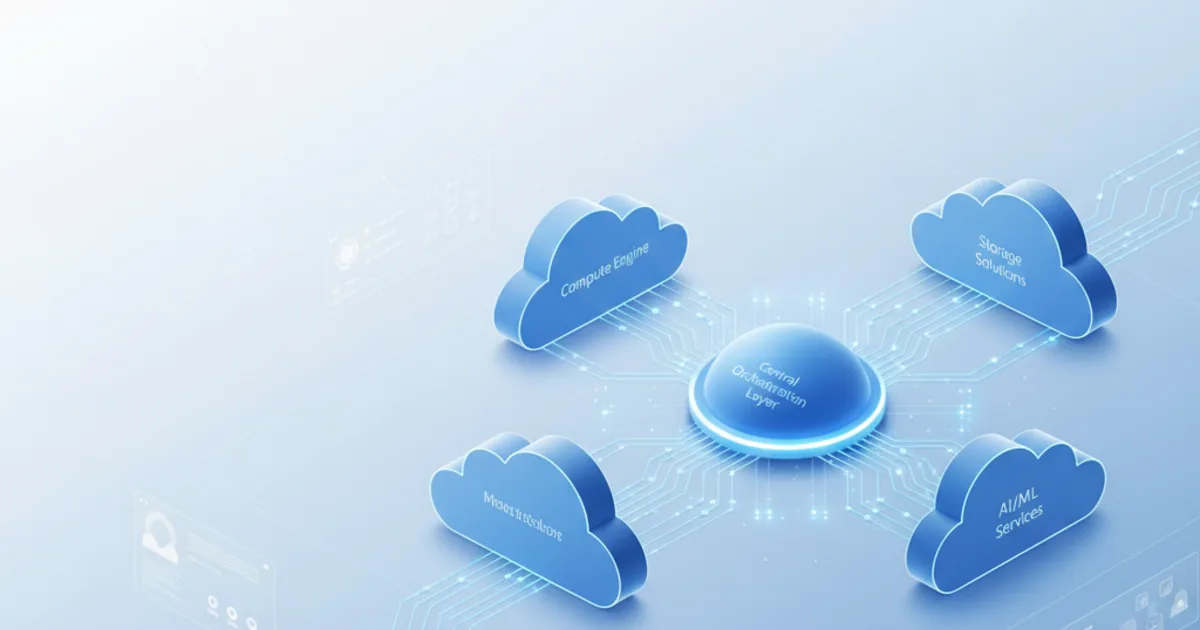
How can your organization balance the security of private infrastructure with the flexibility of modern digital platforms? This question challenges business leaders across the United States as they navigate increasingly complex technology landscapes.
Finding the right infrastructure approach is more than following trends. It requires evaluating your specific needs, regulatory requirements, and growth objectives. According to Red Hat, unified control plane solutions now enable organizations to manage diverse platforms across their entire Hybrid IT Environment. This creates seamless integration between different deployment models.
Research from RudderStack reveals a compelling trend: by 2027, 90% of organizations will adopt some form of blended infrastructure. This dramatic shift reflects the growing recognition that neither pure public platforms nor entirely private systems meet all business requirements.
We've created this comprehensive guide to answer your most pressing questions about cloud infrastructure management and enterprise cloud solutions. Throughout these pages, we'll explore practical strategies. These strategies help you combine traditional systems with innovative platforms. We'll address security concerns, cost optimization, and operational efficiency simultaneously.
Key Takeaways
- Unified management platforms enable seamless control across diverse infrastructure environments, simplifying operations and reducing complexity
- By 2027, 90% of organizations will implement blended infrastructure strategies, making this approach the dominant IT model
- Successful implementations balance security requirements with operational flexibility rather than following vendor preferences
- Strategic infrastructure decisions should prioritize workload requirements, compliance needs, and long-term business objectives
- Modern deployment models combine private system control with public platform scalability to address specific organizational challenges
What is Hybrid Cloud On-Premise?
The world of enterprise computing has changed. Now, we have a mix of on-premise control and cloud flexibility. This mix is called hybrid cloud on-premise infrastructure. It's more than just linking your data center to a cloud provider. It's about creating an integrated architecture that combines the best of both worlds.
Today's businesses need solutions that respect their current investments and prepare for growth. Hybrid infrastructure offers this balance by integrating, not replacing. Your company can use cloud innovations without giving up on what works now.
When these environments work together, they become a unified whole. This unity lets your teams make smart decisions about where to run workloads. They consider performance, cost, and rules to make these choices.
Understanding the Integrated Architecture
Hybrid cloud on-premise is an integrated infrastructure that mixes your own systems with cloud services. This mix creates a unified computing space. It shows how your Enterprise Data Center is part of a bigger system, not alone.
This architecture uses smart platforms for moving workloads and data smoothly between places. These platforms help decide the best place for each application. Private Cloud Solutions work with public clouds through the same management tools and security rules.
"A unified control plane for connecting to and centrally managing diverse platforms and infrastructure across entire hybrid cloud environments provides a single point of visibility and operation that simplifies management of geographically distributed, diverse deployments."
This unified approach solves a big challenge for enterprises. Many keep valuable investments in physical systems and old apps that can't move to the cloud. Hybrid architecture meets these needs while offering cloud benefits like fast growth and new tech.
Your IT teams manage different environments as one system. This changes how you plan and use resources. The Enterprise Data Center is seen as part of the cloud, not separate.
Essential Characteristics That Define Success
Good hybrid cloud on-premise setups have key traits that make them stand out. We've found four important ones for your organization to focus on when looking at or planning hybrid infrastructure.
Workload portability is key. Apps should run where they're best needed, whether in the cloud or your data center. This lets big workloads use cloud power while keeping important data safe.
- Unified Management Capabilities: Seeing, monitoring, and controlling all parts of your infrastructure from one place, no matter where it is
- Integrated Security Frameworks: Keeping the same protection and rules across your systems and the cloud
- Seamless Data Synchronization: Moving data between systems smoothly, keeping it safe and following rules
- Consistent Operational Models: Using the same steps for setting up, watching, and managing resources everywhere
The unified management platform is the brain of your hybrid setup. It lets your teams see everything as one, not separate parts. This makes things simpler and helps with making better choices.
Security is key, making sure your Private Cloud Solutions and public cloud services have the same protection. Your security rules stay the same, no matter where workloads run. This makes following rules easier and lowers the chance of security gaps.
Success in hybrid cloud on-premise needs more than just connecting things. It takes careful planning, strong networks, and good identity management. Your organization also needs to develop ways to manage resources across different places with different needs and costs.
What Are the Benefits of Hybrid Cloud On-Premise?
Hybrid cloud on-premise brings many benefits to your business. It helps improve your bottom line and how you operate. Choosing the right infrastructure is key to meeting your goals and following rules.
Hybrid solutions offer advantages that cloud or on-premise alone can't. They help optimize in technical, security, and financial areas. This makes your business more efficient and secure.
With hybrid solutions, you can quickly adapt to market changes. You keep control over important assets. This balance supports both immediate needs and long-term plans, giving you a competitive edge.
Increased Flexibility
Hybrid cloud on-premise lets you place workloads where they perform best. This means better performance and efficiency. It's like having a scalable infrastructure that grows with your needs.
Each application has its own needs. Critical databases do best on-premise for control. But, cloud resources are great for apps with changing demands.
Development teams benefit from hybrid flexibility. They can test and innovate without affecting production. This makes your cloud migration strategy more manageable and less risky.
Enhanced Data Security
Hybrid solutions offer better data protection. You can keep sensitive data on-premise while using the cloud for other workloads. This meets strict rules while still allowing for cloud use.
Hybrid is good at managing vulnerabilities and fleet management. It gives you control and security across different data types. This way, a breach in one area doesn't affect everything.
Data sovereignty is easier to manage with hybrid. You can store regulated data where needed while using the cloud for other tasks. This supports global business without breaking rules.
Cost Efficiency
Hybrid solutions save money in many ways. They help you use what you already have and only pay for what you need. This makes your technology investments more valuable.
You can keep steady workloads on existing equipment and use the cloud for variable tasks. This model is flexible and predictable, helping your budget.
Licensing costs can also be reduced. You can use cloud resources for some apps and keep others on-premise. This can cut software costs by 20-40%.
| Benefit Category | Primary Advantage | Business Impact | Implementation Consideration |
|---|---|---|---|
| Increased Flexibility | Optimal workload placement across environments | 30-50% improvement in application performance | Requires workload assessment and classification framework |
| Enhanced Data Security | Granular control over sensitive data location | Meets compliance requirements while enabling innovation | Demands clear data governance policies and controls |
| Cost Efficiency | Optimized resource utilization and spending | 20-40% reduction in total infrastructure costs | Needs financial tracking and cost allocation tools |
| Risk Management | Eliminates single points of infrastructure failure | Improved disaster recovery and business continuity | Requires cross-environment backup and recovery planning |
Hybrid solutions also help manage risks, leading to financial benefits. They make systems resilient and less prone to failure. Cloud resources act as backup, making disaster recovery more affordable.
The slow, controlled migration of hybrid solutions reduces risks. It avoids big disruptions and lets teams learn at their own pace. This approach supports efficiency and learning without pressure.
What Are the Key Components of Hybrid Cloud On-Premise?
Your hybrid cloud setup relies on three key parts. These parts must work together well to avoid adding extra work. They help make your IT system flexible, secure, and cost-effective.
Each part has its own role but works together through shared systems. If you treat them as separate, managing them can get complicated. We help plan how these parts work together for your business needs.
The foundation you build today affects your future. It lets you adapt to new needs and stay ahead in digital markets. Let's look at the main parts of Multi-Cloud Infrastructure that help businesses succeed.
Physical and Virtual Foundation
Your on-premise setup is the base of your hybrid system. It includes physical servers, storage, and networking gear. Modern setups use advanced tech that mirrors cloud features.
Your data center also needs systems for power, cooling, and security. These systems keep your tech running smoothly. They ensure your servers and storage work well under different loads.
Today's on-premise setups include advanced features like:
- Containerization platforms for easy app portability
- Software-defined networking for easier network management
- Hyper-converged infrastructure for simpler management
- Hardware acceleration for specific tasks
The quality of your on-premise setup affects what you can run locally. We help clients find areas for improvement that support their hybrid goals.
Middleware and Management Layers
Cloud integration services are key for connecting your data center to the cloud. They ensure consistent policies and visibility across all locations. Without strong integration, managing multiple systems can be too complex.
Unified management platforms give you a single view of your entire system. Red Hat's Hybrid Cloud Console is an example, offering centralized management. This simplifies operations and reduces errors.
Identity and access management systems keep security consistent across environments. They prevent security gaps by using the same access controls everywhere. We set up systems for easy access while keeping things secure.
"The most important factors for successful hybrid cloud applications include a reliable, responsive, secure, and adaptable wide area network that handles fast and secure transfer of data between public and private clouds."
Orchestration platforms automate resource management across locations. They eliminate manual tasks and reduce errors. Data integration services move and transform data securely, keeping it consistent across systems.
Connectivity and Communication Infrastructure
Networking is crucial for connecting your hybrid setup. It affects performance, security, and reliability. We focus on building networks that support your business goals.
Effective networking includes dedicated connections to cloud providers. Services like AWS Direct Connect ensure fast and reliable data transfer. This is key for applications that need quick data access.
Software-defined WAN technologies route traffic based on app needs. They monitor network quality and costs for optimal performance. VPN encrypts data in transit, keeping it safe.
Monitoring tools track traffic, bandwidth, and security threats. They alert teams to issues before they affect business. We set up monitoring to quickly find and fix problems.
| Component Category | Primary Function | Key Technologies | Business Impact |
|---|---|---|---|
| On-Premise Infrastructure | Physical and virtual resource foundation | Hypervisors, storage arrays, containerization platforms, hyper-converged systems | Determines workload placement options and local processing capabilities |
| Cloud Integration Services | Unified management and orchestration | Management consoles, IAM systems, orchestration platforms, data integration tools | Reduces operational complexity and enables consistent policies across environments |
| Networking Solutions | Connectivity and data transfer | Dedicated connections, SD-WAN, VPN, network monitoring systems | Ensures application performance, security, and reliability across distributed infrastructure |
Choose and configure these components as an integrated system. Focus on how they work together and their dependencies. We help design architectures that support your business goals.
Use Cases for Hybrid Cloud On-Premise
Hybrid cloud on-premise is used in many industries. Companies find it works best for their needs. Some sectors lead the way, showing others how to use it well.
Sectors Driving Hybrid Innovation
Healthcare is a big user of hybrid solutions. They keep patient data safe on-premise but use the cloud for things like telemedicine. This meets HIPAA rules and helps with global research.
Financial services also use hybrid for strict rules and digital growth. Banks keep core systems on-premise for security. But they use the cloud for mobile apps and fraud detection.
Manufacturing finds value in hybrid for tech needs. They keep control systems on-premise for fast performance. But they use the cloud for supply chain and planning.
Government agencies need to keep data safe, making hybrid a good choice. They control data on-premise but use the cloud for sharing and services.
Retail uses hybrid for their many locations. They keep systems on-premise where internet is not always there. But they use the cloud for online shopping and customer services.
Practical Implementation Scenarios
Hybrid is great for disaster recovery and keeping business running. Companies keep workloads on-premise but have cloud backups ready. This saves money and ensures quick recovery.
Data analytics is another area where hybrid shines. Companies keep data safe on-premise but move it to the cloud for big analysis. This is cheaper and more efficient.
Development and testing also benefit from hybrid. Teams use the cloud for quick testing and then move to on-premise for production. This saves time and money.
Customer apps use hybrid to keep data safe but make it easy to access. This way, companies can use the cloud for delivery and updates without losing control.
Hybrid is good for seasonal workloads too. Companies use on-premise for normal times but burst to the cloud for peaks. This saves money and ensures capacity when needed.
Modernizing old systems works well with hybrid. Companies keep old apps running but add cloud interfaces. This lets workers use new apps without replacing old systems.
Challenges of Implementing Hybrid Cloud On-Premise
Understanding the challenges of Hybrid Cloud On-Premise helps organizations prepare. Hybrid architectures offer great benefits but also bring obstacles. These obstacles need careful planning and resources.
Managing these environments is complex because they mix different infrastructure types. Organizations must tackle this complexity early to avoid problems later. Recognizing these challenges helps teams plan better and reduce disruptions.
Managing Multiple Technology Stacks
Managing Hybrid Cloud On-Premise is a big challenge. IT teams need to know many technologies, each with its own way of working. This is hard, given the talent shortage in technical areas.
Managing these environments involves many areas. You need to know about physical hardware, virtualization, and enterprise software. At the same time, you must understand cloud-native concepts like containerization and microservices.
Successful organizations use unified governance to manage all infrastructure types. This framework helps overcome differences in APIs and management interfaces. Red Hat says that connecting environments requires technical skills in networking and API integration.
Key management challenges include:
- Skills gaps requiring teams to develop expertise in both traditional infrastructure and cloud-native technologies
- Monitoring inconsistencies across platforms with different native alerting and logging capabilities
- Resource allocation decisions spanning environments with fundamentally different cost models
- Performance optimization requiring understanding of distinct infrastructure characteristics and limitations
- Operational procedures that must account for varying maintenance windows and update cycles
Navigating Regulatory Requirements
Data compliance is a big challenge in Secure Hybrid Deployment. Regulations like data sovereignty and industry-specific rules dictate where data can be stored. This means tracking data as it moves between systems.
Organizations face pressure to meet complex regulatory demands. Financial services need to follow SOX and PCI-DSS. Healthcare must comply with HIPAA. International companies must balance GDPR with national laws.
Secure Hybrid Deployment needs sophisticated data classification and tagging. Teams must implement audit trails and consistent security policies across environments. This requires centralized governance.
Critical compliance considerations include:
- Data residency requirements dictating geographic storage locations for specific information types
- Access control policies ensuring appropriate permissions across federated identity systems
- Encryption standards protecting information both at rest and in transit between environments
- Audit trail continuity maintaining comprehensive logs as data crosses infrastructure boundaries
- Retention policies managing information lifecycle across systems with different storage characteristics
Overcoming Technical Integration Barriers
Integration challenges exist at many levels in hybrid architectures. These challenges need solutions that address network, identity, data, and application integration. Each layer has unique technical obstacles.
Network integration requires secure connections between on-premise and cloud. Teams must manage routing, firewalls, and bandwidth. RudderStack says secure connections, data encryption, and unified security monitoring are key.
Identity integration involves federating authentication and authorization systems. This requires maintaining security while enabling access across environments. Consistent identity management is crucial for security and user productivity.
Data integration requires synchronizing information between on-premise and cloud systems. Teams must handle data format changes and schema evolution. Synchronization must be done without affecting performance or data consistency.
Application integration enables communication between components in different environments. This includes managing dependencies between on-premise and cloud services. Careful architectural design is needed to handle latency and failures.
Organizations implementing Hybrid Cloud On-Premise should consider these integration requirements:
- Network architecture planning that accounts for bandwidth requirements, latency sensitivity, and redundancy needs
- Identity federation design establishing trust relationships and consistent access policies across environments
- Data synchronization strategies balancing consistency requirements against performance constraints
- Application communication patterns implementing resilient messaging and service discovery mechanisms
- Monitoring and observability tools providing unified visibility into distributed application behavior
Addressing these challenges requires technical solutions and organizational adaptations. We help clients build cross-functional teams and establish processes for multiple environments. Success in Hybrid Cloud On-Premise depends on early recognition of challenges and comprehensive solutions.
How Do You Choose the Right Hybrid Cloud On-Premise Solution?
Choosing a hybrid cloud solution is a big decision. It should be based on careful evaluation, not just following trends. This choice will shape your IT for years, affecting costs and how you adapt to market changes. You need to consider technical, business, and strategic aspects.
When making this choice, you must balance many factors. The solution should fit with your current setup and allow for future growth. Costs should include both initial and ongoing expenses. Security and compliance needs can also limit some options.
View this decision as a strategic move, not just a quick buy. The right solution can give you a competitive edge, speeding up innovation and using resources better. But, the wrong choice can lead to technical debt and integration issues for years.
Evaluating Service Providers
Evaluating vendors goes beyond just comparing features and prices. We help clients assess vendors' true capabilities and limitations. This helps determine if a vendor can meet your hybrid goals or create new problems.
Look at the maturity and completeness of hybrid management platforms. Some vendors offer unified control across environments. Others just combine separate consoles, making management harder.
Integration is key during vendor evaluation. Your current infrastructure is a big investment. The provider must show strong integration options for these systems. Ask for detailed technical documents and demos with your actual systems.
Security and compliance certifications are crucial. But, they're not enough for Private Cloud Solutions needing hybrid management. You need providers with strong security and compliance for your industry.
Red Hat's Hybrid Cloud Console is free with certain subscriptions. But, integrating it requires effort. This shows the importance of understanding total costs beyond just the price.
Networking is vital for hybrid cloud success. Consider these key factors:
- Dedicated connection options for consistent performance
- Global data center footprint for proximity
- Service level agreements for uptime and reliability
- Network security capabilities for safe connections
Pricing models need careful analysis to avoid surprises. Data egress fees can be a big expense in Multi-Cloud Infrastructure. Some providers charge little for data going in but a lot for coming out.
Support quality and professional services are more important than features. Evaluate support through trials, case studies, and partner ecosystems. Specialized needs benefit from strong professional services and certified partners.
Assessing Your Needs
Start by analyzing your workloads before looking at vendors. Understand your goals to make informed decisions. This analysis is the foundation for choosing the right tools.
RudderStack suggests categorizing applications by key factors. Consider data sensitivity, performance needs, usage patterns, and integration requirements. This helps determine where to place workloads.
We guide clients through a systematic evaluation of workloads. This includes data sensitivity, performance, usage patterns, and integration needs. This helps determine the best placement for workloads.
| Evaluation Criteria | On-Premise Indicators | Cloud Indicators | Hybrid Considerations |
|---|---|---|---|
| Data Sensitivity | Regulated data, confidential information, compliance mandates | Non-sensitive data, public information, flexible requirements | Separate sensitive processing on-premise while leveraging cloud for analytics |
| Performance Requirements | Ultra-low latency, deterministic performance, specialized hardware | Variable latency acceptable, standard compute resources, burst capacity | Core processing on-premise with cloud-based scaling for peak demands |
| Usage Patterns | Steady predictable demand, 24/7 operation, consistent resource needs | Highly variable demand, seasonal peaks, unpredictable growth | Baseline capacity on-premise with cloud overflow for demand spikes |
| Integration Dependencies | Tightly coupled systems, frequent communication, low-latency requirements | Loosely coupled, asynchronous communication, API-based integration | Strategic placement based on communication patterns and latency tolerance |
Assessing technical debt is important. It can affect migration and vendor choice. Licensing, architecture, and dependencies can limit options.
Readiness is as important as technical skills. Your team's abilities and knowledge gaps affect timelines and training. Processes and governance must adapt to hybrid management.
Change management is crucial. Hybrid cloud adoption is a big change, not just a tech upgrade. It requires changes in people, processes, and technology. Underestimating this can lead to implementation struggles.
Document your assessment to compare vendors. This document helps evaluate providers consistently. It also sets a baseline for measuring success after implementation.
What Are the Best Practices for Hybrid Cloud On-Premise?
Best practices for hybrid cloud on-premise deployments are key to success. They turn architectural potential into real business results. Achieving operational excellence requires disciplined execution and consistent processes, not just advanced technology.
Success in a Hybrid IT Environment needs continuous improvement and proactive management. We suggest adopting a systematic approach to monitoring, maintenance, and data protection. Start small to refine processes and show value before expanding.
Establishing Comprehensive Monitoring Frameworks
Infrastructure monitoring is crucial for operational success. It gives unified visibility across your technology landscape. Implement monitoring platforms that collect metrics from on-premise and cloud environments.
Effective monitoring goes beyond basic metrics. It should capture system health, performance, availability, and security events. Application performance monitoring tracks user experience and business transaction completion rates. Security monitoring detects threats or policy violations.
Cost monitoring provides visibility into spending trends and identifies optimization opportunities that often remain hidden without proper instrumentation. Compliance monitoring continuously verifies adherence to regulatory requirements and internal policies, creating audit trails that demonstrate governance effectiveness. Organizations commonly leverage hybrid consoles for vulnerability management by prioritizing risks based on impact and generating automated remediation playbooks that address issues at scale.
Fleet management capabilities track patch status and configuration drift across distributed systems, ensuring consistency and reducing security exposure. Red Hat's security architecture demonstrates best practices through outbound-only connections, with client software pushing data to management consoles over standard HTTPS port 443 without requiring inbound firewall ports. This approach minimizes security risks while maintaining robust monitoring capabilities.
- System health and performance metrics across all infrastructure layers
- Application transaction monitoring and user experience tracking
- Security event detection and threat intelligence integration
- Cost allocation and spending trend analysis
- Compliance verification and audit trail generation
- Vulnerability assessment and remediation tracking
Implementing Disciplined Maintenance Procedures
Maintenance practices should be standardized across environments. We advocate establishing regular patching cadences that keep all systems current with security updates and bug fixes while managing change risk through proper testing and staged rollouts. Automated configuration management using tools like Ansible ensures systems maintain desired states and don't drift toward inconsistent configurations that create vulnerabilities or operational issues.
Regular resource optimization reviews eliminate waste such as oversized instances or orphaned resources that continue incurring costs without providing value. Conducting periodic disaster recovery tests verifies that backup systems and failover procedures actually work rather than discovering problems during actual emergencies. These proactive maintenance activities prevent small issues from escalating into major incidents that disrupt business operations.
Organizations benefit from granular control over data sanitization, with complete authority to redact sensitive information like hostnames, IP addresses, or specific keywords before transmission to monitoring platforms. This capability addresses privacy concerns while maintaining operational visibility, balancing security requirements with management effectiveness.
Architecting Resilient Backup Strategies
Data backup strategies in hybrid environments require particular attention given the distributed nature of information and the critical importance of ensuring business continuity regardless of where data resides. We recommend implementing consistent backup policies across on-premise and cloud storage that consider recovery point objectives and recovery time objectives for different data classifications and applications. These objectives define how much data loss is acceptable and how quickly systems must be restored, providing clear targets that guide technology and process decisions.
Leveraging cloud storage for long-term retention of backup data from on-premise systems delivers significant advantages through cloud economics and geographic distribution. Maintaining on-premise backups for rapid local recovery provides fast restoration capabilities when needed. This dual approach balances cost efficiency with operational requirements, optimizing both protection and accessibility.
Automating backup processes wherever possible eliminates human error and ensures consistency across complex environments. Regular testing of restore procedures verifies that backups are actually viable and that recovery processes work as expected within required timeframes. Many organizations discover backup failures only during actual recovery attempts, making proactive testing essential for genuine data protection.
| Backup Component | Best Practice | Primary Benefit | Implementation Priority |
|---|---|---|---|
| Policy Definition | Align RPO/RTO with business requirements | Appropriate protection levels | High |
| Storage Location | Hybrid approach with cloud and on-premise | Cost optimization and rapid recovery | High |
| Automation | Eliminate manual processes | Consistency and reliability | Medium |
| Testing Cadence | Regular restore verification | Validated recovery capability | High |
| Retention Management | Balance compliance with cost | Optimized storage expenses | Medium |
Implementing versioning and retention policies balances the need to maintain historical data for compliance or operational purposes against the costs of storing multiple copies indefinitely. We emphasize maintaining comprehensive documentation that captures hybrid architecture details, including network diagrams, data flow maps, integration points, security policies, and operational procedures. This documentation becomes essential when troubleshooting problems, onboarding new team members, or planning future changes, serving as institutional knowledge that persists despite personnel transitions.
Starting with minimal viable implementations rather than attempting to migrate everything at once allows organizations to learn, refine processes, and demonstrate value incrementally while limiting risk exposure. This approach aligns with proven Cloud Migration Strategy principles that emphasize iterative progress over risky big-bang transitions, building confidence and capability progressively as teams master hybrid operations.
Future Trends in Hybrid Cloud On-Premise
Technology is changing the Enterprise Data Center in big ways. Artificial intelligence, edge computing, and advanced automation are joining forces with hybrid systems. This change is not just small updates but big shifts that change what we can do with our tech.
Understanding these changes helps your company make smart choices today. This way, you can take advantage of new tech tomorrow and avoid outdated investments.
Flexera's 2023 State of the Cloud Report shows 87% of enterprises now use hybrid cloud. This makes hybrid cloud the new standard, not just an experiment. The market for hybrid cloud is growing fast, expected to hit $436 billion by 2032.
Breakthrough Technologies Reshaping Infrastructure
Artificial intelligence is changing how we manage hybrid systems. It's moving beyond simple monitoring to predictive capabilities that change operations. AI can predict needs, find problems, and adjust workloads for better performance and cost.
Red Hat is showing how AI works in practice. Their Hybrid Cloud Console uses AI for help and security. It has a virtual assistant, Ask Red Hat, and Red Hat Lightspeed for advanced management and security.
Edge computing is taking hybrid systems further. It lets data be processed in many places, like stores and IoT devices. This creates a new need for managing and securing these edge locations, which are like on-premise environments.
The future of computing isn't about choosing cloud or on-premise. It's about creating a seamless system that works everywhere.
Containerization and Kubernetes are key for hybrid environments. Containers make moving workloads easier, and Kubernetes helps manage them. We expect Kubernetes to keep improving, making apps run anywhere with little change.
Security is also evolving. New tech treats hybrid systems as one big security area. This includes:
- Zero-trust architectures that check every access request
- Unified threat detection systems that find attacks across all systems
- Automated security remediation that fixes threats fast
- Identity-centric security models that protect based on user and workload identities
Market Trajectory and Adoption Projections
Hybrid systems will keep being the main choice for companies. They offer the best of both worlds, meeting needs for data, security, and performance. We expect 87-90% of enterprises to stick with hybrid by 2027.
The hybrid cloud market will grow to $436 billion by 2032. This growth shows more companies are using hybrid cloud for more things. They're moving from basic uses to advanced, AI-driven systems.
| Innovation Area | Current State | Future Capabilities | Business Impact |
|---|---|---|---|
| AI-Powered Management | Rule-based monitoring and alerting | Predictive analytics with autonomous remediation | 70% reduction in operational incidents |
| Edge Integration | Centralized processing with limited edge deployment | Unified management across millions of edge nodes | Real-time processing with 90% latency reduction |
| Application Portability | Platform-specific deployments requiring modification | Kubernetes-based universal deployment across any infrastructure | 80% faster deployment cycles |
| Security Architecture | Perimeter-based protection with separate policies | Zero-trust with unified threat intelligence | 60% improvement in threat detection speed |
Hybrid systems are still the top choice for many reasons. They meet needs for performance, data, cost, and existing investments. Hybrid is now seen as the best long-term choice for most companies.
The cloud evolution is speeding up. Vendors are working on tools that make hybrid systems easier to manage. Companies that get good at hybrid can use all kinds of computing resources. This makes their infrastructure flexible, strong, and cost-effective.
Comparing Hybrid Cloud On-Premise with Other Models
As companies move forward in their digital transformation, it's key to understand different cloud models. This knowledge helps in making smart choices for your business. We guide leaders in finding the best fit for their needs, budget, and compliance.
The tech world offers many ways to host apps and data. Each has its own strengths and weaknesses. It's important to know how these models differ in control, scalability, and complexity.
Understanding Public and Private Cloud Distinctions
Public clouds, like AWS, Azure, and Google Cloud, share infrastructure. Many companies use the same hardware but have their own space. This setup offers massive scalability and lets you scale up or down quickly.
Public clouds are great for many needs. They offer a pay-as-you-go model, which means you only pay for what you use. This can save a lot of money.
With public clouds, you can deploy apps closer to users. This reduces latency and improves performance. You also get access to new services like advanced analytics and machine learning without big investments.
But, public clouds have downsides. You have less control over the infrastructure. Performance can vary because many users share the same resources.
Data Sovereignty is a big concern. Your data might be stored in places that don't meet your regulatory needs. You also rely on the provider's roadmap, not your own.
Private clouds are dedicated to your company. They can be in your own data centers or managed by others. Technologies like OpenStack make them cloud-like, giving you more control.
Private clouds offer predictable performance and customization. You have full control over security and compliance. This is crucial for sensitive data or heavily regulated industries.
But, private clouds require big upfront costs. They take longer to set up and need more internal expertise. You also can't easily expand to different regions without building more data centers.
Organizations choosing private clouds value control and compliance over the flexibility and speed of public clouds.
Distinguishing Hybrid Cloud from Multi-Cloud Strategies
Hybrid cloud and Multi-Cloud Infrastructure are different. Knowing the difference helps you choose the right strategy for your goals and capabilities.
Hybrid cloud combines on-premise and cloud services. It allows workloads to move between environments as needed. This approach focuses on the best place for each workload, not just infrastructure.
Multi-Cloud Infrastructure uses many public cloud providers. This strategy is chosen for various reasons, like avoiding vendor lock-in and getting the best services for different needs.
Using multiple providers can help with data residency and pricing. But, it means managing separate environments, which adds complexity.
Some organizations use both hybrid and multi-cloud. This approach offers flexibility and avoids relying on one vendor. But, it requires managing complex systems.
| Deployment Model | Primary Advantage | Main Challenge | Best Suited For |
|---|---|---|---|
| Public Cloud | Rapid scalability and pay-per-use economics with global reach | Less control over infrastructure and potential Data Sovereignty concerns | Variable workloads requiring quick provisioning and access to advanced services |
| Private Cloud | Complete control, predictable performance, and enhanced physical security | High capital investment and limited geographic scalability | Regulated industries with strict compliance requirements and sensitive data |
| Hybrid Cloud | Optimal workload placement combining on-premise control with cloud flexibility | Integration complexity and maintaining consistent security across environments | Organizations balancing compliance needs with cloud innovation and cost efficiency |
| Multi-Cloud | Vendor independence and access to best-of-breed services from multiple providers | Managing separate platforms with different tools and operational processes | Large enterprises requiring geographic coverage beyond single provider capabilities |
When choosing, focus on what fits your needs, not just the latest trends. The right choice depends on your industry, regulations, apps, investments, and goals.
No single model fits all. Your choice should reflect your specific needs and goals, not just follow others.
We help clients make informed decisions based on their unique situation. This ensures their investments support both current and future needs.
Getting Started with Hybrid Cloud On-Premise
Starting your Hybrid Cloud On-Premise journey needs careful planning. It's about balancing big dreams with what's possible. A structured start helps your team feel confident and keeps things running smoothly.
Initial Steps for Implementation
Your first steps should be with non-critical systems. This way, you can learn without affecting key business areas. Red Hat makes it easy by offering quick access through console.redhat.com. Here, you can connect your first host and start seeing data flow right away.
Start small with one development cluster or a few servers. This lets you test things out before expanding. RudderStack suggests setting up clear rules early on. This helps manage your growing hybrid setup without problems.
Essential Resources for Success
Success comes from using the right tools and getting help from experts. Companies like Red Hat, VMware, AWS Outposts, and Azure Arc offer great support. They help manage your On-Premises Storage and cloud resources together.
We also recommend working with specialized consulting firms. They teach your team and speed up your setup. This builds skills that help you succeed in the long run with Hybrid Cloud On-Premise.
FAQ
What exactly is hybrid cloud on-premise and how does it differ from traditional infrastructure?
Hybrid cloud on-premise combines your own systems with cloud services. It lets you move workloads and data between environments. This is based on needs, cost, and compliance.
The main difference is in how it's managed. Hybrid uses unified platforms and security frameworks. This makes it easier to manage than traditional infrastructure.
What are the primary business benefits of implementing a hybrid cloud on-premise solution?
Hybrid cloud offers flexibility and security. You can place workloads where they best fit. This saves costs and improves risk management.
It also supports disaster recovery and business continuity. This is because it eliminates single points of failure.
Which industries benefit most from hybrid cloud on-premise deployments?
Healthcare, finance, manufacturing, government, and retail benefit a lot. They can keep sensitive data on-premise while using cloud for analytics and collaboration.
This approach helps them meet regulatory requirements and improve operations.
What are the essential technical components needed for a successful hybrid cloud on-premise deployment?
You need on-premise infrastructure and cloud integration services. Also, networking solutions are crucial for secure and reliable connectivity.
These components work together to create a unified computing environment.
What challenges should we expect when implementing hybrid cloud on-premise infrastructure?
Managing complexity is a big challenge. You need to maintain expertise across multiple technology stacks.
Data compliance and integration difficulties also exist. These require sophisticated mechanisms and tools.
How do we choose the right hybrid cloud on-premise solution for our organization?
Evaluate service providers based on maturity, integration capabilities, security, and performance. Assess your specific needs through workload analysis.
Consider technical debt and existing infrastructure. This will help you make an informed decision.
What security advantages does hybrid cloud on-premise offer compared to pure cloud deployments?
Hybrid cloud offers enhanced data security. It keeps sensitive data on-premise while using cloud for analytics.
This approach addresses data sovereignty and provides predictable security postures.
How does hybrid cloud on-premise architecture support disaster recovery and business continuity?
Hybrid architectures eliminate single points of failure. They enable sophisticated disaster recovery strategies.
Cloud resources serve as backup environments. This ensures rapid recovery in case of failures.
What is the difference between hybrid cloud and multi-cloud infrastructure?
Hybrid cloud integrates on-premise infrastructure with cloud services. It treats different environments as a single system.
Multi-cloud uses multiple public cloud providers. It's done to avoid vendor lock-in and meet data residency requirements.
What role does private cloud play in a hybrid cloud on-premise strategy?
Private cloud is a key component of hybrid architectures. It provides cloud-like capabilities while maintaining control over infrastructure.
It's valuable for workloads requiring deterministic performance and strict security.
How can hybrid cloud on-premise deployments help optimize IT costs?
Hybrid deployments maximize existing infrastructure investments. They use cloud resources for variable workloads.
This approach optimizes licensing costs and provides cost management capabilities.
What networking capabilities are essential for hybrid cloud on-premise success?
Networking solutions are critical for hybrid environments. They ensure secure, reliable connectivity.
High-bandwidth connections, software-defined WAN, and VPN capabilities are essential.
What specific applications are best suited for hybrid cloud on-premise deployment?
Hybrid architectures are ideal for disaster recovery and data analytics. They also support development and testing workflows.
Customer-facing applications and seasonal workloads benefit from hybrid deployments.
How does hybrid cloud on-premise address data sovereignty and regulatory compliance requirements?
Hybrid architectures ensure data sovereignty and compliance. They keep regulated data on-premise for direct control.
Cloud platforms are used for workloads without regulatory constraints.
What best practices should we follow for managing a hybrid cloud on-premise environment?
Implement comprehensive monitoring and establish consistent maintenance practices. Develop robust data backup strategies.
Document your architecture and maintain expertise through training and certifications.
How long does it typically take to implement a hybrid cloud on-premise solution?
Implementation timelines vary based on size, complexity, and scope. A phased approach is recommended.
Assessment and planning take 4-8 weeks. Initial pilot phases last 8-12 weeks. Expansion phases take 12-16 weeks each.
What skills and expertise do IT teams need to manage hybrid cloud on-premise infrastructure?
IT teams need expertise across multiple technology stacks. They should understand traditional infrastructure and cloud-native concepts.
Networking, security, data management, and soft skills are also essential.
How does hybrid cloud on-premise support enterprise data center modernization?
Hybrid architectures provide a pathway for modernization. They allow gradual transformation without disrupting operations.
They support cloud-like operational models and modern application architectures.
What emerging technologies will shape the future of hybrid cloud on-premise?
Artificial intelligence, machine learning, edge computing, and containerization will shape the future. They will enhance management, security, and performance.
These technologies will create more efficient and scalable hybrid environments.
How does hybrid cloud on-premise enable effective cloud migration strategies?
Hybrid architectures support gradual, controlled migrations. They allow you to validate performance and security before expanding scope.
They maintain fallback capabilities and develop cloud skills incrementally.
What considerations are important for cloud-to-on-premise integration?
Network connectivity, latency management, data synchronization, and API compatibility are key. They ensure seamless communication and data consistency.
Security policies and monitoring are also crucial for cross-environment interactions.
How does hybrid cloud on-premise support multi-cloud infrastructure strategies?
Hybrid architectures provide a foundation for multi-cloud strategies. They enable unified management and integration across multiple providers.
This approach supports disaster recovery and avoids vendor lock-in.
What return on investment can we expect from hybrid cloud on-premise implementation?
Hybrid deployments offer cost savings, operational efficiency, and revenue enablement. They reduce capital expenditures and improve disaster recovery.
ROI varies based on infrastructure efficiency and workload characteristics. It typically occurs within 18-24 months.
Related reading: On-Premise Cloud.
Related reading: hybrid cloud consulting services.
Related reading: Hybrid Cloud Colocation.
Related Articles
About the Author

Country Manager, Sweden
Johan leads Opsio's Sweden operations, driving AI adoption, DevOps transformation, security strategy, and cloud solutioning for Nordic enterprises. With 12+ years in enterprise cloud infrastructure, he has delivered 200+ projects across AWS, Azure, and GCP — specialising in Well-Architected reviews, landing zone design, and multi-cloud strategy.
Editorial standards: This article was written by a certified practitioner, named in the byline above. We revise it when the technology or regulation it covers changes; the dates above show the latest update. Opsio maintains editorial independence — we recommend solutions on technical merit, not commercial relationships.


