
Zero Trust Cloud Architecture for Regulated Enterprise Environments

Group COO & CISO
Operational excellence, governance, and information security. Aligns technology, risk, and business outcomes in complex IT environments
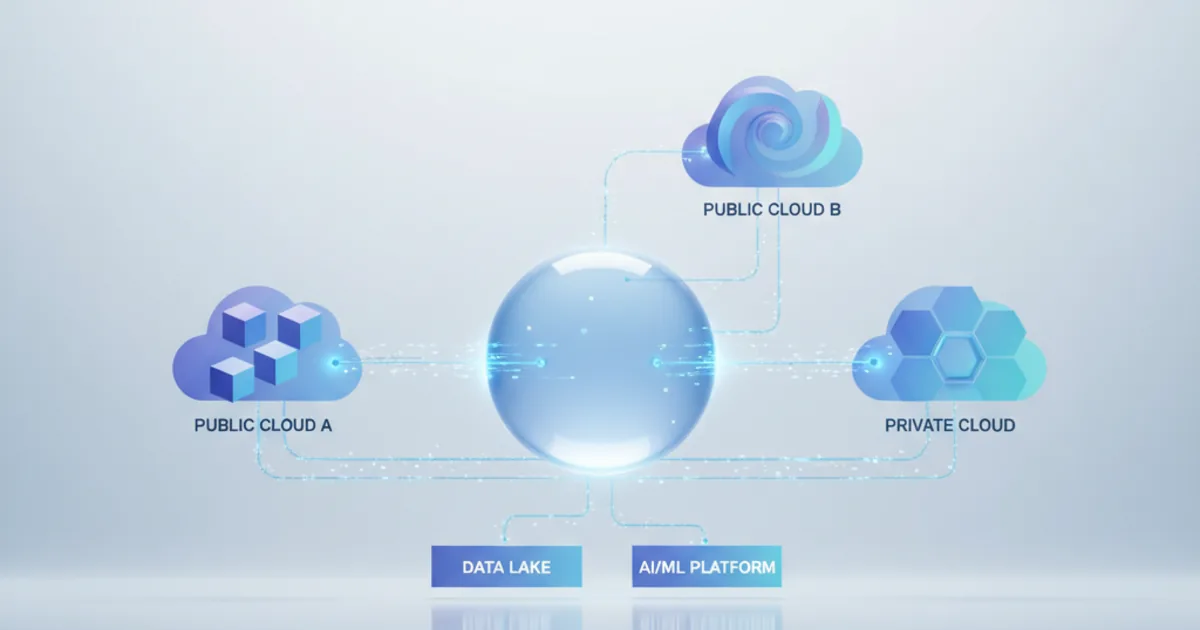
Opsio positions as a regulation-first cloud partner for zero trust cloud architecture, implementing controls and evidence that hold up under scrutiny. Our approach ensures your cloud infrastructure meets both security and compliance requirements without compromising operational efficiency.
What Zero Trust Cloud Architecture Really Means for Regulated Workloads
Zero trust is not a product you can simply purchase and deploy. It's a comprehensive security framework built on enforceable principles that fundamentally change how you approach access management and security verification. For regulated industries like healthcare, finance, and government, these principles become even more critical as they directly support compliance requirements.
- Verify identity strongly – Authentication must be continuous and contextual, not a one-time event. This includes multi-factor authentication, device health checks, and behavioral analysis.
- Enforce least privilege – Users and systems should have access only to the specific resources they need to perform their functions, nothing more. This minimizes the potential damage from compromised accounts.
- Segment environments and reduce blast radius – Microsegmentation creates boundaries between workloads, limiting an attacker's ability to move laterally through your environment.
- Log and validate access and changes – Comprehensive logging and monitoring create the audit trail necessary for regulatory compliance and security investigations.
- Treat every request as potentially hostile – No user, device, or network should be inherently trusted. Every access request must be verified regardless of source.
For regulated enterprises, these principles directly translate to compliance requirements around access control, audit logging, and security monitoring. The zero trust model provides both the security architecture and the evidence needed to demonstrate compliance.
Ready to Strengthen Your Security Posture?
Get a personalized assessment of your current security architecture and discover how a regulation-first zero trust approach can reduce risk while simplifying compliance.
Schedule a Zero Trust Assessment
Opsio's Regulation-First Zero Trust Approach
1) Identity-First Access Model
The foundation of zero trust architecture is identity verification. Traditional perimeter-based security assumes that users inside the network are trustworthy, but this approach fails in today's distributed environments. Opsio's identity-first model establishes continuous verification as the cornerstone of security.
Opsio helps implement:
- Role-based access with least privilege – We map business functions to specific access requirements, ensuring users have exactly the permissions they need—nothing more, nothing less.
- Privileged workflows with approvals and traceability – High-risk actions require additional verification and approval, with complete audit trails that satisfy regulatory requirements.
- Offboarding and access review cadence – Regular access reviews and automated offboarding processes prevent privilege creep and orphaned accounts that create security vulnerabilities.
This approach not only strengthens security but also creates clear documentation of who has access to what—a critical requirement for compliance risk assessment services in industries like healthcare (HIPAA), finance (PCI-DSS), and government (FedRAMP).
2) Segmentation and Controlled Boundaries
Network segmentation has long been a security best practice, but zero trust takes this concept further with microsegmentation that creates granular boundaries around individual workloads. This approach is particularly valuable in regulated environments where data classification and separation are compliance requirements.
We structure environments so scope and risk are clear:
- Isolate regulated workloads – Sensitive systems and data are separated from general business operations, creating clear boundaries that simplify compliance scope.
- Enforce access boundaries and separation of duties – Technical controls prevent unauthorized access between segments and enforce regulatory requirements for separation of duties.
- Define defensible "what can talk to what" patterns – Explicit communication paths between systems are documented and enforced, eliminating unnecessary connections that create security risks.
This segmentation strategy not only improves security but also simplifies compliance by creating clear boundaries around regulated data and systems. When auditors ask about data protection, you can demonstrate precisely how sensitive information is isolated and protected.
Reduce Compliance Scope
Proper segmentation can significantly reduce the scope of compliance requirements by isolating regulated data and systems from general business operations.
Minimize Breach Impact
Even if a breach occurs, microsegmentation contains the damage by preventing lateral movement between systems and limiting access to sensitive data.
3) Observability that Produces Evidence
Zero trust requires comprehensive visibility into all access attempts and system activities. This observability is not just a security requirement—it's essential for demonstrating compliance with regulatory frameworks that mandate audit logging and monitoring.
Opsio implements observability solutions that provide:
- Log access and administrative activity – Comprehensive logging captures who accessed what, when, and from where, creating the detailed audit trail required by regulations.
- Monitor key events and changes – Automated monitoring detects and alerts on suspicious activities, configuration changes, and policy violations.
- Retain evidence to match compliance obligations – Log retention policies align with regulatory requirements, ensuring you have the evidence needed for audits and investigations.
This observability layer transforms security data into compliance evidence, making it easier to demonstrate regulatory adherence during audits. Instead of scrambling to gather evidence when auditors arrive, you'll have continuous documentation of your security controls in action.
Simplify Your Path to Zero Trust
Our comprehensive guide walks you through implementing zero trust architecture in regulated environments, with practical steps and compliance considerations.
Download Zero Trust Implementation Guide
Need expert help with zero trust cloud architecture for regulated enterprise environments?
Our cloud architects can help you with zero trust cloud architecture for regulated enterprise environments — from strategy to implementation. Book a free 30-minute advisory call with no obligation.
Outcomes Opsio Prioritizes
Implementing zero trust architecture is not just about improving security—it's about achieving specific business outcomes that matter to regulated enterprises. Opsio focuses on delivering measurable results that address both security and compliance challenges.
Measurable Reduction in Access Risk
Our approach quantifies and reduces excessive permissions, orphaned accounts, and unnecessary access paths, providing metrics that demonstrate improved security posture to both leadership and auditors.
Clearer Audit Narratives and Evidence
Zero trust architecture creates a coherent security story with supporting evidence, making it easier to demonstrate compliance during audits and reducing the time and stress associated with regulatory reviews.
Faster Approvals Because Boundaries Are Defined
Clear security boundaries and pre-approved access patterns streamline the approval process for new applications and services, accelerating innovation while maintaining security.
Scalable Governance Without Slowing Delivery
Automated policies and controls scale with your cloud environment, ensuring that security and compliance requirements don't become bottlenecks for business growth and innovation.
Improved Security Team Efficiency
Automation of routine security tasks frees your team to focus on strategic initiatives, while better visibility reduces the time spent investigating alerts and preparing for audits.
Enhanced Regulatory Confidence
A comprehensive zero trust architecture provides the foundation for multiple regulatory frameworks, reducing the effort required to adapt to new compliance requirements.
How Do You Implement Zero Trust in Regulated Cloud Environments?
Moving to a zero trust model requires a thoughtful approach that balances security improvements with operational continuity. Opsio's implementation methodology focuses on incremental progress that delivers immediate security benefits while building toward a comprehensive zero trust architecture.
Our Implementation Approach
- Assessment and Discovery – We begin by mapping your current environment, identifying critical assets, understanding access patterns, and evaluating regulatory requirements.
- Risk-Based Prioritization – Implementation focuses first on your most sensitive systems and data, addressing the highest risks while demonstrating early wins.
- Identity Foundation – Strong identity management becomes the cornerstone of your zero trust architecture, with enhanced authentication and authorization controls.
- Progressive Segmentation – We implement segmentation in phases, starting with critical boundaries and progressively refining access controls.
- Continuous Validation – Automated monitoring and testing verify that zero trust controls are functioning as expected and meeting compliance requirements.
This phased approach allows you to realize security benefits quickly while managing the operational impact of changes. Each step builds on the previous one, creating a coherent security architecture that aligns with your regulatory requirements.
Cloud-Specific Zero Trust Considerations
Cloud environments present both challenges and opportunities for zero trust implementation. While traditional network boundaries disappear, cloud platforms offer native capabilities that support zero trust principles. Opsio leverages these capabilities to create effective zero trust architectures in major cloud platforms.
AWS Implementation
We leverage AWS IAM, Security Groups, VPC endpoints, and AWS Control Tower to implement least privilege access, network segmentation, and consistent security policies across your AWS environment.
Azure Implementation
Azure AD Conditional Access, Network Security Groups, Private Link, and Azure Policy provide the building blocks for zero trust in Microsoft's cloud, with tight integration to Microsoft 365 services.
Google Cloud Implementation
GCP's Identity-Aware Proxy, VPC Service Controls, and Organization Policy Service create a comprehensive zero trust framework that protects applications and data in Google Cloud.
Regardless of your cloud platform, Opsio implements consistent zero trust principles while leveraging each provider's native capabilities. This approach maximizes security effectiveness while minimizing operational complexity and cost.
Frequently Asked Questions
Can we adopt zero trust without a full redesign?
Yes—many organizations successfully implement zero trust incrementally without disrupting existing operations. The key is to start with foundational elements like identity hardening, least privilege access controls, and improved logging and monitoring. These changes can deliver significant security benefits without requiring a complete architecture redesign.
Opsio's approach focuses on progressive implementation, starting with the highest-risk areas and building toward a comprehensive zero trust architecture over time. This allows you to realize security benefits quickly while managing the operational impact of changes.
Does zero trust help with multiple compliance frameworks?
Absolutely. Zero trust principles align with core requirements across most regulatory frameworks, including HIPAA, PCI-DSS, GDPR, FedRAMP, and SOC 2. These frameworks all emphasize strong access controls, proper segmentation, comprehensive monitoring, and detailed audit logging—all fundamental components of zero trust architecture.
By implementing a robust zero trust framework, you create a security foundation that supports multiple compliance requirements, reducing the effort needed to adapt to new regulations or demonstrate compliance during audits.
Can Opsio implement zero trust with urgent timelines?
Yes, we specialize in rapid implementation for organizations facing urgent security or compliance deadlines. Our approach prioritizes the highest-risk access paths first, delivering immediate security improvements while building toward a comprehensive solution.
For urgent situations, we can deploy critical controls like enhanced authentication, privileged access management, and basic segmentation in weeks rather than months, providing a foundation for ongoing security improvements while addressing immediate concerns.
How does zero trust impact user experience?
When implemented thoughtfully, zero trust can actually improve user experience while enhancing security. Single sign-on, contextual authentication, and risk-based access decisions can reduce friction for legitimate users while blocking unauthorized access.
Opsio focuses on balancing security with usability, implementing controls that protect sensitive resources without creating unnecessary obstacles for authorized users. The goal is security that enables rather than impedes your business operations.
Conclusion: Zero Trust as a Competitive Advantage
In regulated industries, security and compliance are not just operational requirements—they're potential competitive advantages. Organizations that implement effective zero trust architectures can move faster, with greater confidence that their systems and data are protected. This security foundation enables innovation while managing risk, creating opportunities for growth and differentiation.
Opsio's regulation-first approach to zero trust helps you transform security from a compliance burden into a business enabler. By implementing controls that satisfy both security and regulatory requirements, we help you build a foundation for secure, compliant operations that support your business objectives.
The journey to zero trust is continuous, but with the right partner, it's a journey that delivers immediate benefits while building long-term security resilience. Opsio is committed to being that partner, bringing expertise in both security architecture and regulatory compliance to help you navigate the complexities of modern cloud security.
Start Your Zero Trust Journey Today
Contact Opsio to discuss how our regulation-first approach to zero trust can help you build a more secure, compliant cloud environment.
About the Author

Group COO & CISO
Fredrik is the Group Chief Operating Officer and Chief Information Security Officer at Opsio. He focuses on operational excellence, governance, and information security, working closely with delivery and leadership teams to align technology, risk, and business outcomes in complex IT environments. He leads Opsio's security practice including SOC services, penetration testing, and compliance frameworks.
Editorial standards: This article was written by a certified practitioner and reviewed by our engineering team. We revise it when the technology or regulation it covers changes; the dates above show the latest update. Opsio maintains editorial independence — we recommend solutions on technical merit, not commercial relationships.