
We Facilitate Smooth Migration from Legacy Systems to Cloud

Country Manager, Sweden
AI, DevOps, Security, and Cloud Solutioning. 12+ years leading enterprise cloud transformation across Scandinavia
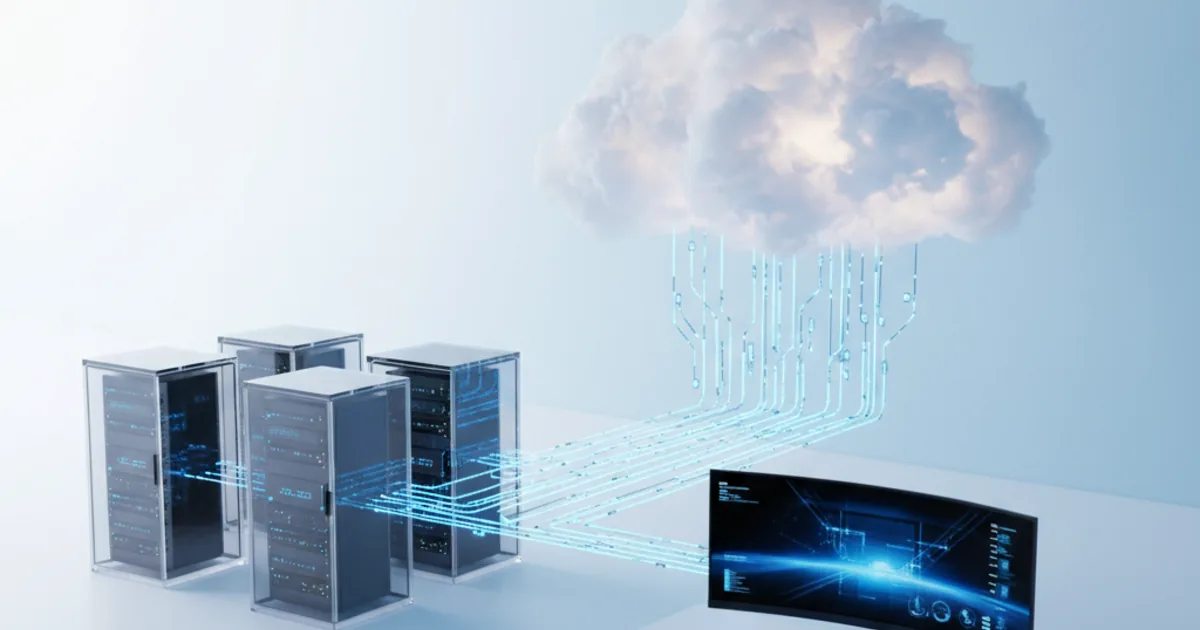
Facilitate Smooth Migration from Legacy Systems to Cloud combines proven methodologies with modern tooling to deliver consistent, repeatable improvements across the technology lifecycle.
We help organizations plan and execute a clear migration from legacy systems to cloud, aligning stakeholders around measurable business goals while minimizing operational risk.
Our approach explains what qualifies as a legacy system, maps an end-to-end process—assessment, pilot, execution, and optimization—and highlights platform capabilities like managed databases, analytics, and integrated security that reduce routine overhead.
We prioritize value: lower total cost of ownership, automatic scaling, compliance controls such as GDPR and HIPAA support, and disaster recovery strategies that protect data and availability during staged cutovers.
Key Takeaways
- We set expectations and align teams on why the move matters for your business outcomes.
- We define what holds back performance in a legacy environment and propose modern platform solutions.
- Our end-to-end process covers assessment through validation, with rollback and backup safeguards.
- Cloud platform features deliver elasticity, built-in security, and analytics for faster innovation.
- We protect data integrity during transition and reduce lock-in with open standards and containers.
Why Modernize Now: Business Case and Benefits
We quantify the business case for modernizing aged IT, showing clear cost, performance, and risk improvements that leaders can act on.
Cost, scale, and performance
We reduce fixed data center spend by shifting to pay-as-you-go models, avoiding hardware refreshes and lease costs, and aligning spend with actual consumption.
Auto-scaling and global regions improve throughput under peak load, so applications recover capacity without long lead time.
Security, compliance, and resilience
Built-in controls, continuous patching, and centralized identity reduce exposure and help maintain U.S. regulatory standards, including GDPR and HIPAA.
Multi-region failover and immutable backups lower downtime risk and protect critical data.
Agility and sustainability
CI/CD pipelines and managed services speed feature delivery and cut technical debt. Integrated databases, analytics, and AI services compress the innovation cycle.
Provider-level efficiency and innovations such as immersion cooling can cut energy use by 5–15%, supporting ESG goals and lowering OPEX.
| Driver | What we measure | Typical impact | Customer outcome |
|---|---|---|---|
| Cost | Data center spend, ops OPEX | 20–40% lower TCO | Higher margins |
| Performance | Response time, throughput | Autoscale, global HA | Better UX |
| Resilience | RTO, backups, failover | Reduced downtime exposure | Continuous availability |
Need expert help with we facilitate smooth migration from legacy systems to cloud?
Our cloud architects can help you with we facilitate smooth migration from legacy systems to cloud — from strategy to implementation. Book a free 30-minute advisory call with no obligation.
Understand the Landscape: What Counts as a Legacy System or Application
A clear inventory of aging software and control hardware reveals where risk, cost, and performance drag the business down.
What we mean by a legacy system is practical: software or hardware built on dated technology, often vendor‑unsupported, tightly coupled, and hard to integrate with modern services.
Typical traits include monolithic architectures, proprietary interfaces, limited scalability, and many one‑off patches. These traits create problems for change and reduce reliability.
Common constraints and real examples
Mainframe core banking, industrial control hardware at power plants, and manufacturing machines on outdated operating systems remain critical. They hold valuable data but limit real‑time analytics and modern integration.
| Trait | Impact | Example |
|---|---|---|
| Monolith & proprietary API | Slow change, high risk | Mainframe billing |
| Vendor‑unsupported software | Skills scarcity, security risk | Control system firmware |
| Batch data formats | Hinders real‑time insights | Legacy reporting pipelines |
Hardware and software dependencies, undocumented customizations, and middleware workarounds complicate readiness. That is why discovery, data mapping, and a clear portfolio view are essential before any next step.
Define Goals and Constraints Before You Start
A clear, agreed set of goals turns intent into an actionable strategy.
We run a goal‑setting workshop that converts executive priorities into measurable targets for reliability, security, cost optimization, and time to value. This alignment helps us set realistic scope and avoid costly rework.
We document scope, identify stakeholders across IT, security, finance, and lines of business, and confirm budget and governance expectations for the project.
- Agree acceptable risk levels and required controls—segmentation, rollback plans, and approval gates—to protect critical operations.
- Parameterize time horizons, sequencing quick wins and deeper changes so early value balances long‑term outcomes.
- Assess staff capacity and define where we augment with partners and transfer knowledge to internal teams.
- Establish decision principles that guide trade‑offs among speed, scope, and quality, preventing ad‑hoc changes.
- Set business KPIs (unit economics, uptime SLA, deployment lead time) and document compliance and data policies up front.
- Create a communication plan that keeps leadership and teams informed about milestones, risks, and decisions.
Checklist to move into assessment: aligned goals, scope approval, budget confirmation, named stakeholders, risk controls, staff plan, KPIs, and communications. With these in place, the strategy is actionable and owned by both business and technology leaders.
Foundational Assessment: SWOT, Portfolio, and Dependencies
We begin with a disciplined assessment that turns fragmented inventories and hidden dependencies into a clear, actionable plan.
Run a living SWOT. We capture strengths to leverage, weaknesses to mitigate, opportunities to accelerate, and threats to control, and we update this as the migration process advances.
Inventory and dependency mapping
We catalog applications, owners, SLAs, and data flows, and map software and hardware dependencies to avoid surprises. This includes capacity baselines, network layout, latency, and throughput needs so the target environment is right‑sized.
Assess staff and sourcing
We evaluate staff skills in automation, security, and platform operations, identify gaps, and set a sourcing strategy—train, hire, or partner—so execution capacity matches the plan.
Define target architecture
We articulate landing zones, identity, segmentation, observability, and backup standards. Early clarity on architecture reduces risks and guides the next steps.
- Baseline performance and resilience of current and target system components.
- Analyze data models, lineage, retention, and privacy needs.
- Validate software licensing and hardware constraints.
- Prioritize applications by value and complexity for phased work.
The assessment report becomes the backbone of the roadmap, tying technical findings to business strategy and the steps required for safe, measurable change.
Select the Right Migration Strategy for Legacy Systems
We pick a measured path for each system, matching technical complexity to business goals and compliance constraints.
6Rs and 7Rs explained: rehost (lift and shift), replatform, refactor, and rearchitect each trade time and cost against long‑term benefits. Rehost is fast but may carry technical debt. Replatform yields moderate change with managed platform gains. Refactor or rearchitect unlocks cloud‑native services but takes more effort.
Replace, repurchase, extend, rebuild: retiring outdated functions can cut risk. Repurchasing via SaaS often reduces ops work and speeds delivery. Extending or encapsulating with APIs lets critical transactions keep running while new capabilities are exposed.
Decision drivers
We weigh speed, cost, compliance, and risks, and quantify lifecycle economics so trade‑offs are visible.
- Choose lift shift when you need quick data center relief and minimal disruption.
- Invest in refactor when long‑term agility and platform services justify the work.
- Use extend/encapsulate for hybrid paths that lower immediate risk.
| Option | Time to value | Typical outcome |
|---|---|---|
| Rehost (lift shift) | Short | Fast move, limited cloud benefits |
| Refactor / Rearchitect | Longer | Cloud‑native agility, lower ops long term |
| Repurchase / SaaS | Medium | Lower maintenance, integration work |
Our rule: select strategy per application, formalize checkpoints, and revisit decisions as new data appears so the process stays intentional and governed.
Choose Cloud Type and Vendor Without Lock-In
Picking the right environment and partner sets the stage for performance, compliance, and long‑term flexibility.
Public clouds like Azure and Google provide cost‑effective scalability and broad managed services for fast growth. Private clouds give control for strict compliance or sensitive workloads.
Hybrid and multi‑cloud let you mix strengths: keep regulated workloads on a private platform while using public regions for burst capacity and analytics.
Avoid vendor lock‑in with portable architecture
- Design for portability with microservices, containers, and Infrastructure as Code.
- Choose open standards and well‑documented APIs so applications cloud fit stays flexible.
- Define a landing zone architecture—identity, networking, policies, and logging—consistent across accounts and regions.
- Validate SLAs, support models, and exit strategies to limit vendor risk and protect business continuity.
We evaluate vendors by service breadth, regional coverage, compliance certifications, and total cost. Then we prepare a scorecard and recommendation that balances agility, governance, and long‑term portability.
Pilot Migration: Test Methods, Tooling, and Team Readiness
We use short, repeatable pilots to test tooling, staff readiness, and real‑user behavior under realistic load.
Choose low‑risk candidates that mirror common patterns so lessons generalize while business exposure stays limited. Start with small applications and representative integrations, and run realistic traffic and data volumes so the trial surface reveals real issues early.
Center the pilot on monitoring, backup, and rollback. Implement tracing and logging, establish baselines, and automate alerts so teams spot regressions fast. Ensure full backups, continuous synchronization, and a tested rollback plan that can execute within defined time windows.
- Script repeatable deployment pipelines and infrastructure templates to shorten time between runs and build staff confidence.
- Exercise incident playbooks—failover, config rollback, dependency toggles—so responses are practiced and calm.
- Measure outcomes against clear success criteria: error rates, latency, and support tickets, then log remediation tasks before scale.
- Keep users on the original application via integrations while iterating, enabling continuous refinement and safer migrating legacy efforts.
Communicate results to stakeholders and convert findings into SOPs and templates that accelerate later waves and reduce risk across systems and applications.
migration from legacy systems to cloud: Step-by-Step Execution
We sequence work in short waves, letting old and new environments operate together until each wave proves stable.
Parallel runs and incremental waves keep critical services available while teams validate changes, so users see minimal impact. We plan per‑wave steps that define change windows, dependency toggles, verification gates, and rollback criteria.
We run data synchronization and integrity checks continuously, and we validate datasets before, during, and after each cutover. For high‑risk moves we use tools such as Azure Site Recovery to fail over workloads and spread load across regions to limit outages.
Data safeguards and cutover plans
Each wave includes full backups, tested rollback playbooks, and clear abort criteria so restoration is fast if problems appear. After a successful wave we update runbooks, baselines, and hand over the application or system with documentation and SLAs.
| Phase | Key action | Outcome |
|---|---|---|
| Wave planning | Sequence components, set windows | Controlled, auditable change |
| Parallel run | Run old and new together | Low downtime, verified behavior |
| Cutover | Sync data, validate, switch | Accurate state, reduced risks |
| Handover | Docs, SLAs, dashboards | Operational readiness |
Address Risks, Pitfalls, and Change Management
We focus on the practical issues that derail projects, pairing prevention with clear responses so leadership can keep work moving and users confident.
We identify the biggest operational hazards early and build controls that keep business uptime steady during major IT changes. That begins with mapping top risks—downtime, data loss, security, and compliance—and defining detection and response playbooks.
We counter cost surprises by modeling total cost, including licensing, third‑party services, egress, and scale effects, and we set FinOps guardrails before large waves. We also set time‑boxed discovery cycles to avoid both overanalysis and underanalysis.
Lift shift is a valid starting point, not the end goal. We right‑size expectations so teams know when further optimization is needed for performance, resilience, or long‑term cost reduction.
Change resistance is common. We involve power users, show quick wins, and deliver role‑based training so staff adopt new ways with confidence. Blameless postmortems and transparent metrics help realign culture toward shared accountability.
- Preventive controls and response playbooks for downtime and data incidents.
- FinOps modeling to limit cost surprises and monitor scale.
- Time‑boxed validation to avoid analysis paralysis.
- Role‑based training and staged releases to tackle adoption issues.
- Governance gates and a prioritized risk register for leadership review.
Operate, Optimize, and Govern in the Cloud
We treat the operating phase as an active program: monitoring, tuning, and governing so the platform grows with the business.
Continuous monitoring, performance tuning, and cost management
We establish 24/7 observability with metrics, logs, and traces tied to SLOs and error budgets that guide performance tuning and alerting.
FinOps practices keep costs visible. We run budgets, anomaly detection, and rightsizing, and we prefer managed services where they deliver clear value.
Disaster recovery, resilience across regions, and compliance updates
We design multi-region DR, validate RTO and RPO with regular exercises, and automate failover workflows in the target architecture.
Continuous controls monitoring and policy-as-code keep security posture aligned with evolving regulations and business risks.
| Focus | Action | Outcome |
|---|---|---|
| Observability | SLOs, traces, 24/7 alerts | Faster detection, fewer incidents |
| Cost | Budgets, anomaly alerts, rightsizing | Predictable spend, lower waste |
| Resilience | DR drills, automated failover | Improved uptime, tested recovery |
| Governance | Arch reviews, FinOps cadence | Aligned priorities, fewer surprises |
We iterate—autoscaling rules, storage tiers, and caching—so performance matches demand while reducing hardware-backed over-provisioning. As teams mature, we extend the operating model across additional systems, turning lessons into templates and golden paths that raise operational excellence.
Continuous Development: CI/CD and Modern Architecture Patterns
We adopt a continuous development approach that ships small, safe updates often, shortening lead time and raising user feedback quality.
Our strategy automates build, test, and deploy pipelines so each change moves through a consistent, auditable process with policy gates for security and compliance.
We use hybrid integration—APIs, event streams, and connectors—so applications can run across legacy and cloud while new functionality rolls out. Reference architecture patterns like microservices, containers, and serverless match workload needs and team skills.
- Platform engineering supplies golden templates and paved paths to speed teams without losing governance.
- We design for observability and resiliency—circuit breakers, retries, idempotency—so failures degrade gracefully.
- Infrastructure as Code standardizes dev-to-prod environments for quick recovery and repeatability.
| Pattern | Benefit | Typical use |
|---|---|---|
| Microservices | Portability, independent deploys | Modular applications |
| Serverless | Lower ops, event-driven scale | Intermittent workloads |
| Containers + IaC | Reproducible environments | Platform migrations |
We close the loop with security scans in pipelines, capacity planning for CI, and post-deploy reviews that tie software delivery metrics to business outcomes.
Conclusion
Structured assessment, targeted pilots, and phased execution let organizations update aging platforms while protecting critical operations.
We recap that a clear strategy, disciplined assessment, and pilot‑driven execution help modernize legacy and bring new systems online with minimal disruption.
Key advantages, include measurable benefits in cost, performance, resilience, and agility, and practical solutions that preserve portability and choice.
We urge leadership to align goals, assign owners, and start the next steps so the project moves from plan into repeatable delivery, and we stand ready as a collaborative partner to guide planning, execution, and optimization.
FAQ
What business benefits can we expect when we modernize now?
We typically see lower operational costs, improved scalability, and measurable performance gains as workloads run on elastic infrastructure and managed services, while continuous delivery and automation shorten time-to-market and increase responsiveness to demand.
How does moving applications improve security, compliance, and resilience?
Modern platforms offer built-in security controls, automated patching, and regional redundancy that enhance availability and compliance posture, and we pair those platform features with strong identity, encryption, and monitoring practices to reduce risk.
What qualifies as an old application that needs modernization?
Common signs include monolithic codebases, unsupported frameworks, manual deployment processes, hardware dependencies, and performance bottlenecks; we assess these traits alongside business impact to prioritize work.
How should we define success before starting a program?
We set clear business outcomes—reliability targets, cost goals, security requirements, and acceptable timelines—then align scope, stakeholders, budget, and risk tolerance to measure progress objectively.
What does a foundational assessment cover?
Our review includes a dynamic SWOT analysis, a full inventory of applications and data, dependency mapping, skills assessment, and a comparison of current versus target architecture to inform strategy and resourcing choices.
Which transformation approach should we choose: lift-and-shift or refactor?
Choice depends on decision drivers—speed, cost, compliance, and long-term maintenance; lift-and-shift accelerates moves with lower upfront cost, while refactoring or rearchitecting delivers greater cloud-native benefits over time.
How do we pick cloud type and avoid vendor lock-in?
We evaluate public, private, hybrid, and multi-cloud options against regulatory and performance needs, and we reduce dependency through containers, microservices, open APIs, and portable tooling to keep choices flexible.
What should a pilot include to prove readiness?
A pilot should use a low-risk application, mirror production traffic patterns, involve end users, and include monitoring, rollback procedures, and data protection so we can validate tooling, processes, and team performance.
How do we run a step-by-step execution without long outages?
We recommend phased waves and parallel runs, careful data migration with backups and validation, scripted cutover plans, and fallbacks to ensure continuity while minimizing downtime and business disruption.
What operational and security risks should we prepare for?
Key risks include downtime, data loss, unexpected costs, and compliance gaps; we mitigate these with thorough testing, runbooks, cost governance, encryption, and incident response playbooks tied to SLAs.
How do we handle people and process changes during transformation?
We combine targeted training, role adjustments, stakeholder communication, and hands-on coaching to reduce resistance, build cloud skills, and embed new ways of working across teams.
What ongoing governance and optimization practices are essential post-move?
Continuous monitoring, cost control, performance tuning, policy-driven security, automated backups, and periodic compliance reviews keep environments efficient, resilient, and aligned with business goals.
How does CI/CD and modern architecture speed continuous development?
Automation pipelines, incremental delivery, infrastructure as code, and modular architectures enable frequent, safe releases and faster feedback loops, which reduces lead times and improves quality.
Which tools and services do we typically use for assessment and execution?
We combine vendor-native tooling with open-source platforms for inventory, dependency mapping, containerization, orchestration, and monitoring, selecting solutions that balance functionality, interoperability, and cost.
About the Author

Country Manager, Sweden
Johan leads Opsio's Sweden operations, driving AI adoption, DevOps transformation, security strategy, and cloud solutioning for Nordic enterprises. With 12+ years in enterprise cloud infrastructure, he has delivered 200+ projects across AWS, Azure, and GCP — specialising in Well-Architected reviews, landing zone design, and multi-cloud strategy.
Editorial standards: This article was written by a certified practitioner and reviewed by our engineering team. We revise it when the technology or regulation it covers changes; the dates above show the latest update. Opsio maintains editorial independence — we recommend solutions on technical merit, not commercial relationships.