
Optimize IT Outsourcing Governance for Success

Group COO & CISO
Operational excellence, governance, and information security. Aligns technology, risk, and business outcomes in complex IT environments
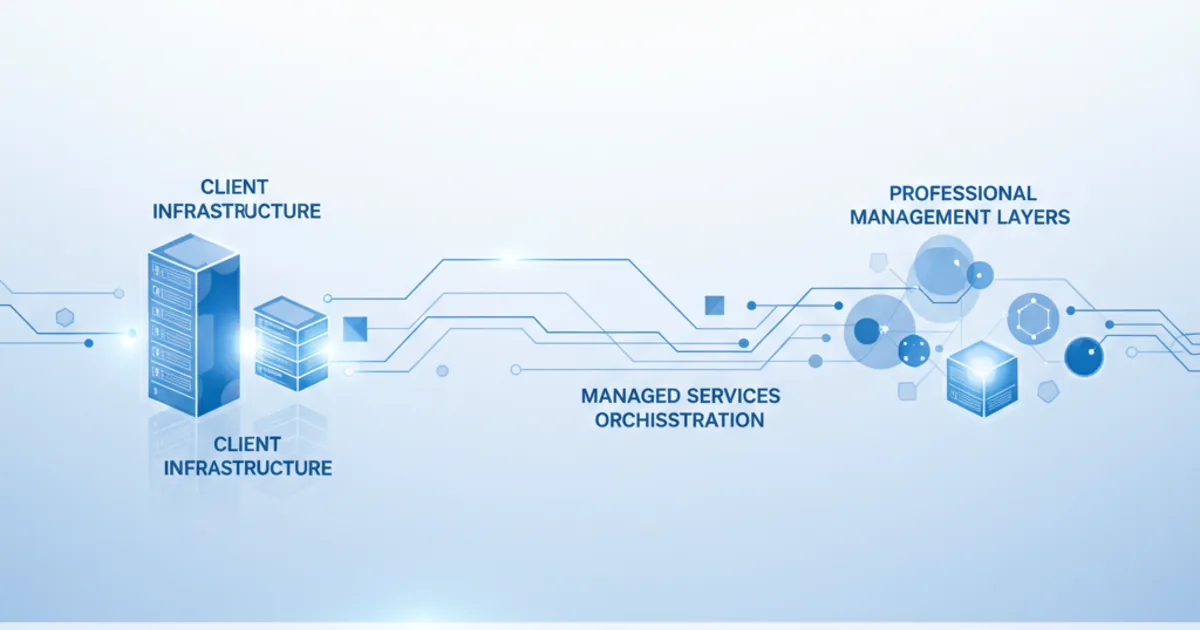
In today’s fast-paced digital landscape, organizations rely heavily on external technology partnerships to drive innovation and efficiency. Effective oversight of these relationships ensures alignment with core business goals while reducing operational vulnerabilities. We recognize that success hinges on balancing technical expertise with strategic collaboration, creating frameworks that benefit both partners.
Three elements form the foundation of these partnerships: service providers, clients, and their shared objectives. Clear communication and cultural alignment often determine whether these relationships thrive or stagnate. end-to-end compliance risk and performance metrics further shape outcomes, requiring adaptable yet structured management approaches.
Our approach focuses on building operational frameworks that prioritize transparency and accountability. By establishing measurable benchmarks and fostering trust, organizations can transform vendor interactions into competitive advantages. This proactive strategy minimizes risks while maximizing the value of external expertise.
Key Takeaways
- Align external partnerships with long-term business objectives
- Implement measurable performance indicators for accountability
- Prioritize transparent communication across all partnership levels
- Develop adaptable frameworks to address regulatory requirements
- Leverage collaborative relationships for competitive differentiation
Introduction to IT Outsourcing Governance
Navigating the complexities of external collaborations demands structured frameworks that balance innovation with accountability. We build systems where technology alignment and strategic oversight become natural extensions of corporate operations, ensuring every partnership advances core objectives.
Foundations of Collaborative Success
Successful partnerships require shared ownership models. Standards like ISO27001 provide blueprints for establishing:
- Clear decision-making hierarchies
- Risk mitigation protocols
- Performance evaluation metrics
Responsibility flows both ways, though final accountability remains with the primary stakeholder. This duality ensures solutions evolve with market needs while maintaining compliance.
Technology as Growth Catalyst
Modern enterprises leverage external expertise to transform operations. When managed strategically, these relationships:
- Accelerate digital transformation timelines
- Enhance customer experience through specialized solutions
- Free internal teams to focus on core competencies
One healthcare client reduced deployment cycles by 40% through such collaborations, demonstrating the tangible benefits of proper framework implementation.
Need expert help with optimize it outsourcing governance for success?
Our cloud architects can help you with optimize it outsourcing governance for success — from strategy to implementation. Book a free 30-minute advisory call with no obligation.
What Are the Best Practices for IT Outsourcing Governance?
Successful external collaborations depend on more than contracts—they thrive on alignment and accountability. We design frameworks where both parties actively contribute to shared goals while maintaining distinct operational responsibilities.
Balancing Organizational Requirements
Client-side success starts with leadership clarity. Designated technology directors must oversee strategy integration, ensuring every initiative supports core business needs. Support teams then translate these priorities into actionable workflows.
On the provider side, proven expertise and structured operations matter most. Reliable partners combine customer-facing relationship managers with skilled delivery teams. This dual structure ensures consistent service quality while adapting to evolving demands.
Structuring Collaborative Success
Clear role definitions prevent operational friction. Contracts should specify performance expectations, escalation paths, and flexibility mechanisms. Regular reviews at multiple management levels keep partnerships aligned with changing priorities.
We prioritize strategic alignment through steering committees that connect frontline teams with executive decision-makers. This approach transforms contractual agreements into dynamic partnerships built on transparency and shared problem-solving.
How Do You Implement Governance Structures and Frameworks?
Structured approaches to operational alignment separate thriving partnerships from transactional vendor relationships. We design systems where compliance becomes strategic advantage, blending international standards with organizational agility to create resilient collaboration models.
Adopting Proven IT Governance Models
Established frameworks like ISO27001 and CoBIT offer battle-tested roadmaps for:
- Implementing risk assessment protocols
- Standardizing security controls
- Streamlining audit processes
These models provide measurable benchmarks while accommodating sector-specific requirements. For example, BS ISO/IEC 38500:2008 helps leadership teams evaluate technology investments through six governing principles – from human capital management to regulatory alignment.
Integrating Corporate, IT, and Project Governance
True operational synergy emerges when three layers work in concert:
- Corporate: Aligns initiatives with shareholder expectations
- Technology: Manages service delivery ecosystems
- Project: Ensures milestone accountability
We customize integration strategies using hybrid methodologies. One manufacturing client achieved 28% faster compliance cycles by mapping CoBIT controls to their existing corporate oversight processes. This layered approach turns fragmented procedures into cohesive decision-making engines.
Strategic Oversight and Risk Management in Outsourcing
Balancing innovation with managed risk mitigation requires boards to implement dynamic frameworks that protect organizational integrity. We build systems where strategic decision-making and operational resilience coexist, transforming potential vulnerabilities into competitive strengths.
Board Responsibilities and Senior Management Oversight
Leadership teams must also ensure alignment between external partnerships and core business values. Central Bank guidance emphasizes direct accountability structures where designated committees report to the board. These groups retain specialized knowledge to evaluate performance metrics and regulatory adherence effectively.
Senior management oversees daily operations while maintaining transparent communication channels. Their responsibilities include validating service provider capabilities and implementing escalation protocols for unresolved issues. This layered approach prevents operational blind spots.
Monitoring, Compliance, and Disaster Recovery
Continuous assessment processes form the backbone of sustainable partnerships. We integrate automated monitoring tools with manual audits to track contractual obligations and compliance standards. Real-time dashboards give boards visibility into critical performance indicators.
Disaster recovery plans require rigorous testing to ensure business continuity during disruptions. Our frameworks include predefined recovery time objectives and cross-functional response teams. Regular simulations identify gaps in resilience strategies before crises occur.
Conclusion
Effective management of external partnerships demands systematic application of proven principles throughout project lifecycles. We prioritize strategic supplier selection and contract design that directly support operational objectives. Clear service-level agreements and performance metrics become vital tools for maintaining alignment between teams and partners.
Successful collaborations require continuous communication across all functions. Boards must drive governance frameworks that balance innovation with accountability, ensuring outsourced services enhance core business processes. Regular reviews and adaptable structures keep partnerships responsive to evolving needs.
Building lasting relationships with technology providers hinges on shared goals and transparent governance. While implementing these practices requires commitment, the rewards – enhanced efficiency, reduced risks, and sustained competitive edge – validate the investment. We help organizations transform external partnerships into strategic assets through disciplined yet flexible oversight models.
FAQ
How does governance alignment improve operational efficiency?
We establish shared objectives between leadership teams and service providers through documented processes. This ensures accountability frameworks match strategic priorities while maintaining flexibility for evolving business needs. Regular performance reviews maintain alignment across all levels.
What frameworks support scalable partnership models?
Proven standards like ISO27001 and CoBIT provide structured approaches for risk mitigation and compliance. We integrate these with corporate policies to create adaptive oversight systems. Customized reporting mechanisms track both technical performance and financial accountability.
Why is executive involvement critical for vendor relationships?
Senior leadership sets the tone for cross-functional collaboration through active participation in governance committees. Our approach ensures board-level visibility into service-level agreements while empowering operational teams to address challenges promptly. This layered oversight prevents strategic drift.
How do you balance innovation with compliance requirements?
Our dual-focus methodology separates exploratory initiatives from core operations. Dedicated innovation teams test emerging technologies through controlled sandbox environments, while production systems maintain rigorous security protocols. This structure allows measured experimentation without compromising stability.
What metrics indicate successful governance implementation?
We track cycle-time reductions in decision-making processes and incident resolution rates alongside traditional KPIs. Client satisfaction scores and audit findings provide qualitative insights. Regular maturity assessments against industry benchmarks reveal improvement opportunities across people, processes, and technologies.
Related reading: The Key Pillars of Enterprise AI Governance.
Related reading: Cloud Cost Governance.
About the Author

Group COO & CISO
Fredrik is the Group Chief Operating Officer and Chief Information Security Officer at Opsio. He focuses on operational excellence, governance, and information security, working closely with delivery and leadership teams to align technology, risk, and business outcomes in complex IT environments. He leads Opsio's security practice including SOC services, penetration testing, and compliance frameworks.
Editorial standards: This article was written by a certified practitioner and reviewed by our engineering team. We revise it when the technology or regulation it covers changes; the dates above show the latest update. Opsio maintains editorial independence — we recommend solutions on technical merit, not commercial relationships.