
DevOps consulting services: Creating a winning strategy plan

Consultant Manager
Six Sigma White Belt (AIGPE), Internal Auditor - Integrated Management System (ISO), Gold Medalist MBA, 8+ years in cloud and cybersecurity content
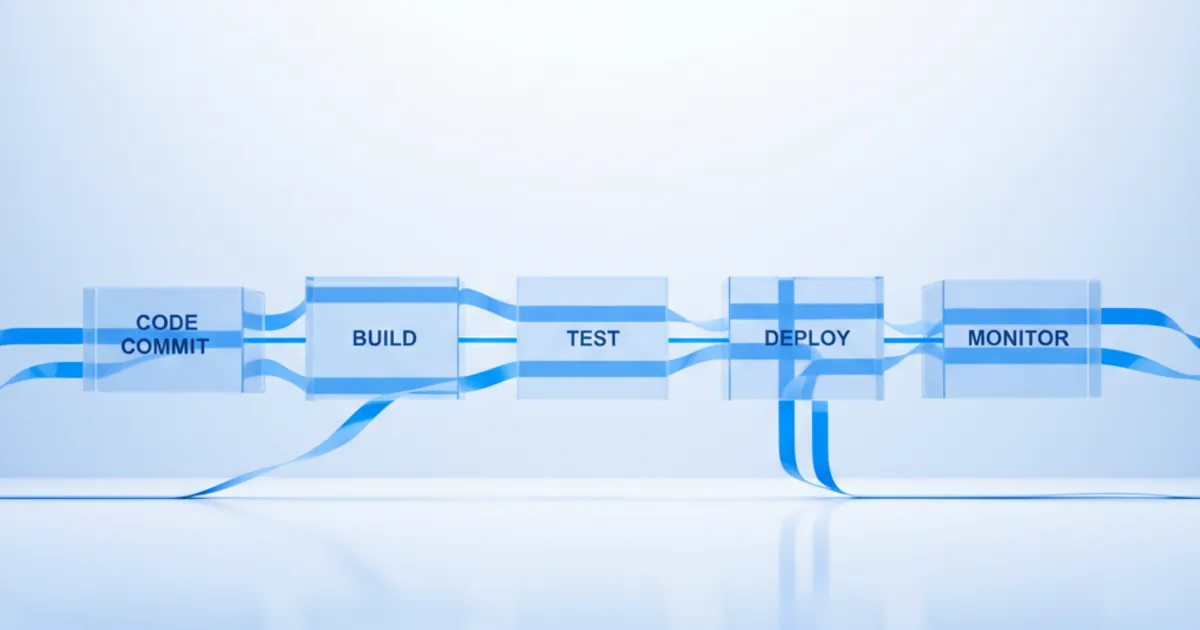
Why and how should organizations leverage the power of DevOps consulting services?
The answer depends on the context of the business. Are you an organization looking to modernize your processes and reduce costs while enabling agility and scalability. DevOps consultants may be a perfect match for your needs if you’re interested in leveraging DevOps to grow your business, improve customer experience, and increase revenue. Let’s explore why and how.
What Is Consulting?
Consulting is an engagement model in which a business advisor engages clients to help solve significant business challenges. Although consulting isn’t always lucrative, it has distinct advantages over other business model options. The relationship between DevOps consultants and clients is based on trust, knowledge, and expertise, not on any predetermined contract or fee. Therefore, there are no limitations on the duration of the engagement, the scope of services, or the timing of the results. Additionally, consultants are free to work for multiple clients, so if there’s a project that you think would benefit from their input, you can also engage a consultant to advise you. The key to success in consulting is to take a consultative approach, meaning that you engage in discovery, offer advice, and help your clients define what success looks like. Consulting is an ideal model for organizations that want to focus on the customer experience and enable agility.
** Why Should Organizations Leverage Consulting?**
Why spend money on DevOps consultants? There may be many reasons to do so. You may want to modernize your processes and reduce costs while enabling agility and scalability. Or, you want to leverage DevOps to grow your business, improve customer experience, and increase revenue. Whatever your goals, DevOps consultants can help you achieve them. There are many benefits organizations can reap from engaging in consulting. For instance, consultants can help your business become more agile and flexible. They can also help you determine where to focus your resources and make long-term strategic investments. Consulting is an excellent option for organizations that want to focus on the customer experience. They can also help you find out what customers want and help you better understand their needs. Consulting can also help you determine what’s possible and what you should do.
Need expert help with devops consulting services: creating a winning strategy plan?
Our cloud architects can help you with devops consulting services: creating a winning strategy plan — from strategy to implementation. Book a free 30-minute advisory call with no obligation.
The benefits of DevOps consultants
There are many benefits of working with DevOps consultants. A consultant can offer a unique perspective on a problem and help you identify creative solutions. They may have a wealth of experience and knowledge to help you get the most out of your business. Consultants are often well-qualified and experienced and can help you quickly identify and address issues.
- **Expertise **- DevOps consultants bring their experience and specialized knowledge to your business. They can also help you understand where to focus your efforts and make long-term strategic investments. These consultants have worked on multiple projects and clients and have excellent problem-solving capabilities.
- Long-Term Partners – DevOps consultants are long-term partners. They aren’t contractors but partners in your mission and can help you realize your mission by leveraging the expertise across your organization. Most consultants prefer to work with projects of a longer duration, so they have enough time to upscale the business by providing the client with all their skills. Usually, strategic decisions take longer to implement and results to appear. Still, consultants will be with the company for a very long time handling your complex issues.
- Reliable Consulting Partners – You can rely on DevOps consulting services to help you achieve your goals and improve your business. They’re experts who can help you determine where to focus your efforts and make long-term strategic investments.
- Actual Value – DevOps consultants are a valuable investment. When investing in your organization, a service from a consulting firm is more than just the cost. The value, knowledge, skills, and expertise a consultant carries with him are remarkable and one of the main things that can build your business.
The winning DevOps consulting strategy plan for your organization
Defining Your Target Audience
Before engaging DevOps consultants, you first need to define your target audience. You should also consider the context in which you want to work with them. Consider whether you want to work with a vendor, an infrastructure or application provider, or a consulting firm. Many decisions are involved, including Implementing a new process, bringing an existing one into the modern age, building a new architecture, increasing revenue and profitability, and helping an organization achieve its growth goals.
Defining The Purpose Of Your Consultation
After you’ve defined your target audience, you need to determine the purpose of the consulting engagement. The goal can be modernizing The Legacy applications or adding DevOps to your current business. This purpose should be clear and well-defined to the consultant for maximum utilization.
Identifying Key Problems And Objectives
Next, you need to identify your organization's fundamental problems and objectives. The issues and goals you may want to include can be making it easier for your teams to work together, increasing the velocity of your units, improving communication between groups, or lowering the cost of doing business.
Strategy Building
After identifying fundamental problems and objectives, you should start looking for strategies that best address these issues. You must use a strategy-agnostic discovery process to identify your organization's best designs. During this process, consider the challenges, and problems faced by the team, prioritize the area you want to expand, the most crucial area in the business, and what bigger problem the company is trying to solve.
DevOps consultants are a significant investment. When investing in your organization, consultants' value, knowledge, skills, and expertise can build your business. Consultants provide long-term partnerships and help you realize your mission by leveraging their expertise across the organization.
When working with a DevOps consulting services company, you must take a consultative approach that ensures they have all the information they need to make decisions based on their unique experience and knowledge. This approach will ensure they deliver results quickly while providing valuable information about where to focus your resources and make long-term strategic investments. You should also be clear about what you want them to do for you because there’s no point engaging in strategic planning if they don’t know what it is you want them to achieve.
Related Articles
About the Author

Consultant Manager
Debolina works at the intersection of IT operations, quality management, and compliance at Opsio. She focuses on practical, data-driven insights around operational efficiency, governance, and continuous improvement — helping organisations streamline complex systems while maintaining standards.
Editorial standards: This article was written by a certified practitioner and reviewed by our engineering team. We revise it when the technology or regulation it covers changes; the dates above show the latest update. Opsio maintains editorial independence — we recommend solutions on technical merit, not commercial relationships.


