
Unlock the Benefits of Data Center Outsourcing

Country Manager, Sweden
AI, DevOps, Security, and Cloud Solutioning. 12+ years leading enterprise cloud transformation across Scandinavia
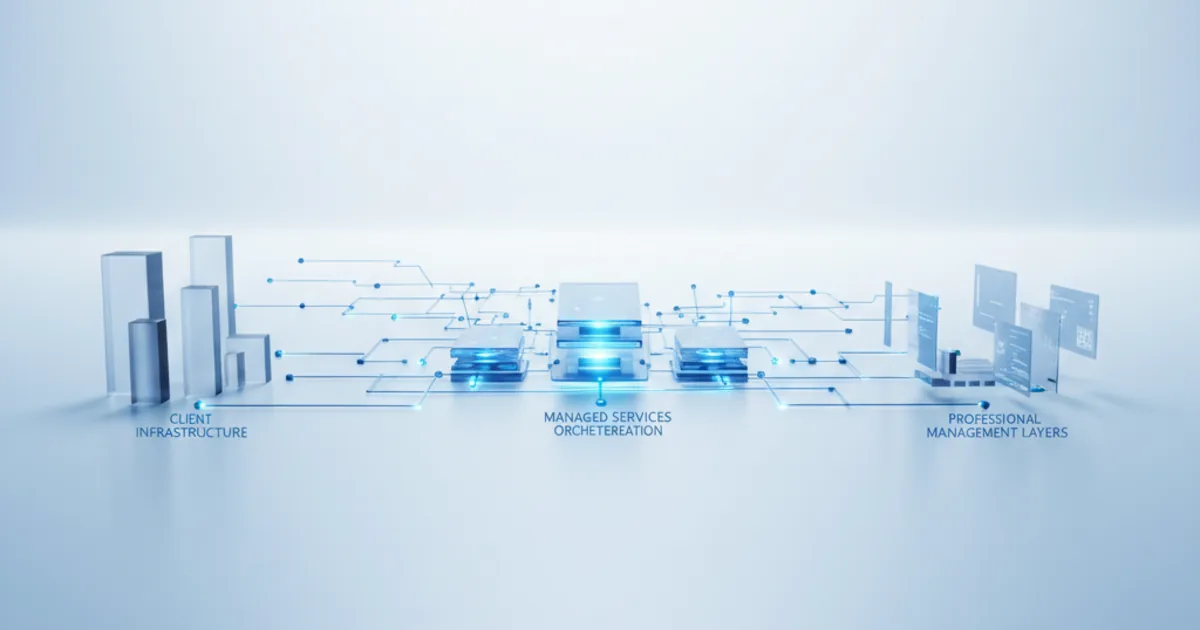
Modern businesses face growing demands as digital innovation reshapes operations. Traditional infrastructure models struggle to keep pace with rapid technological shifts, creating challenges for organizations managing complex IT environments. We recognize this evolving landscape requires adaptable strategies that balance technical needs with business priorities.
Scalable solutions have become essential for enterprises navigating exponential information growth. Fixed-capacity systems often limit operational flexibility, while maintaining in-house facilities diverts focus from core objectives. Our approach helps organizations transition toward modernized infrastructure without overwhelming internal teams.
Strategic partnerships now play a critical role in successful digital transformation. By combining technical expertise with cloud-managed services, we enable companies to optimize resource allocation and reduce operational burdens. This collaborative model ensures access to cutting-edge technologies while maintaining cost efficiency.
Key Takeaways
- Modern infrastructure demands require flexible solutions beyond traditional systems
- Scalability ensures adaptability to evolving business needs
- Expert partnerships reduce strain on internal IT resources
- Cost optimization comes through strategic infrastructure management
- Cloud integration supports seamless digital transformation
What Is the Evolving Data Center Landscape?
Organizations navigate a complex web of technological demands as information volumes double every two years. Traditional systems built for predictable workloads now buckle under modern requirements, creating bottlenecks that stall progress. We help businesses rethink their approach to managing these critical assets.
Digital Transformation and Information Surge
The average company now handles 163 terabytes of information annually – equivalent to streaming 40,000 HD movies. This surge stems from connected devices, customer analytics, and automated processes. Legacy storage solutions often lack the agility to handle such dynamic needs.
Three critical challenges emerge:
- Real-time processing requirements for IoT networks
- Secure storage solutions for sensitive business records
- Scalable architectures that adapt to unpredictable growth
Modernization Through Advanced Technologies
Virtualization techniques allow companies to triple hardware efficiency by running multiple environments on single servers. Edge computing solutions reduce decision-making delays by processing information near its origin – crucial for manufacturing sensors or retail inventory systems.
Key modernization benefits include:
- 40-60% reduction in hardware maintenance costs
- 50% faster response times for customer-facing applications
- Seamless integration with emerging cloud platforms
Our team specializes in implementing these innovations through phased upgrades that minimize operational disruptions. By combining cutting-edge tools with strategic planning, we help organizations future-proof their technical foundations.
Key Trends Driving Outsourced Data Center Solutions
Technological progress accelerates faster than most enterprises can adapt, creating gaps between business objectives and technical capabilities. Industry leaders increasingly rely on external partners to bridge this divide while maintaining competitive agility.
Scalability Demands and Resource Optimization
Unpredictable workload fluctuations now impact 73% of enterprises, according to recent market analysis. Fixed-capacity systems force organizations into costly overprovisioning cycles, while underutilized assets drain budgets. We help clients implement elastic architectures that automatically align with operational needs.
"The ability to scale infrastructure on demand separates market leaders from competitors in volatile industries."
Three critical advantages emerge through optimized resource management:
- Dynamic allocation reduces hardware costs by 30-45%
- Automated load balancing improves application performance
- Predictive analytics prevent service disruptions
Virtualization and Edge Computing Growth
Modern enterprises deploy 12 times more virtual machines than physical servers, maximizing existing hardware investments. Edge networks complement this strategy by processing time-sensitive information locally – crucial for healthcare monitoring systems or automated logistics.
| Technology | Impact | Adoption Rate |
|---|---|---|
| Server Virtualization | 75% hardware reduction | 89% |
| Edge Nodes | 40ms latency improvement | 67% |
| Cloud Integration | 50% faster deployments | 94% |
Our team designs hybrid environments combining centralized management with distributed processing power. This approach supports real-time decision-making while maintaining cost-effective operations across global networks.
Need expert help with unlock the benefits of data center outsourcing?
Our cloud architects can help you with unlock the benefits of data center outsourcing — from strategy to implementation. Book a free 30-minute advisory call with no obligation.
Essential Advantages of Data center outsourcing
Business leaders increasingly recognize the financial and strategic value of modern infrastructure solutions. By transitioning critical operations to specialized partners, companies unlock resources that fuel innovation while maintaining robust technical foundations.
Financial Optimization and Resource Reallocation
Organizations achieve 40-60% cost reductions through shared infrastructure models, transforming fixed expenses into variable operational costs. This approach eliminates capital investments in hardware while benefiting from provider economies of scale.
Our clients redirect saved funds toward customer experience improvements and product development. One logistics firm reinvested 32% of their infrastructure budget into AI-driven supply chain enhancements within six months.
Expert Guidance and Protective Measures
We deliver round-the-clock access to engineers certified in emerging technologies like edge computing and zero-trust architectures. This expertise proves particularly valuable when implementing strategic infrastructure management frameworks that align with business objectives.
| Security Feature | Operational Benefit | Compliance Standard |
|---|---|---|
| Biometric Access | Unauthorized entry prevention | ISO 27001 |
| Military Encryption | Data breach protection | PCI DSS |
| Network Monitoring | Real-time threat detection | HIPAA |
With 96% client satisfaction rates, our model demonstrates how combining financial flexibility with technical excellence drives sustainable growth. Enterprises maintain focus on core competencies while we handle complex infrastructure demands.
Security, Compliance, and Enhanced Operational Performance
Modern enterprises face unprecedented risks in safeguarding digital assets while meeting regulatory demands. We implement layered protection strategies that maintain business agility without compromising safety standards.
Robust Security Measures and Data Encryption
Our facilities utilize biometric authentication and 24/7 surveillance to prevent unauthorized access. Military-grade encryption protects sensitive information during transmission and storage – even sophisticated cyberattacks can't breach these defenses.
Three critical safeguards work together:
- Multi-factor authentication protocols
- AI-driven intrusion detection systems
- Real-time threat response teams
Ensuring Compliance with Industry Regulations
We maintain expertise across 14 compliance frameworks, including HIPAA for healthcare and PCI DSS for financial services. Automated audit trails simplify reporting processes, while dedicated compliance officers help organizations navigate evolving requirements.
"Regulatory alignment should empower operations, not restrict them."
Our team conducts quarterly vulnerability assessments to ensure continuous adherence. This proactive approach helps clients avoid penalties averaging $4.24 million per security incident in regulated industries.
Performance optimization remains central to our security architecture. Advanced load-balancing techniques maintain 99.999% uptime while encryption processes operate seamlessly in the background. This balanced approach lets enterprises focus on growth while we handle protection complexities.
Comparing In-House Data Centers and Outsourced Models
Infrastructure strategy remains a critical decision point for enterprises balancing control and scalability. We help organizations evaluate operational priorities against financial constraints to identify optimal technical frameworks.
Control, Flexibility, and Cost Considerations
Managing an in-house data center provides full oversight of security protocols and cooling systems. However, this autonomy demands significant capital for hardware, software, and physical space. Ongoing maintenance and specialized staffing further strain budgets, particularly for mid-sized companies.
Outsource data models eliminate upfront investments through subscription-based pricing. Organizations gain elastic capacity that adapts to fluctuating needs without physical space constraints. Our clients report 40-60% cost reductions while accessing advanced center solutions previously beyond their reach.
| Factor | In-House | Outsourced |
|---|---|---|
| Initial Investment | $2M+ | $0 upfront |
| Scalability | Limited by space | Instant expansion |
| Maintenance | Internal team required | Provider-managed |
| Technology Access | Capital-dependent | Latest innovations |
Hybrid approaches address diverse needs effectively. Mission-critical applications often remain internal, while less sensitive operations leverage outsourced flexibility. This balance optimizes performance without compromising cost efficiency.
We design tailored roadmaps that align infrastructure choices with business objectives. Through strategic analysis, organizations overcome space limitations and technical debt while maintaining operational control where it matters most.
Conclusion
In an era where technological demands evolve faster than internal teams can adapt, strategic infrastructure management becomes non-negotiable. We help enterprises redirect focus toward innovation while handling complex technical operations through tailored solutions spanning cybersecurity, cloud integration, and enterprise resource optimization.
With five decades of proven experience across 145 countries, our team supports over one million assets through collaborative partnerships. The 96% satisfaction rate reflects our commitment to balancing cutting-edge services with operational reliability – a critical factor when selecting partners for mission-critical systems.
Organizations achieve measurable success by aligning infrastructure decisions with growth objectives. Our approach combines global delivery capabilities with localized expertise, ensuring seamless transitions and continuous performance improvements. This model empowers leaders to prioritize core business functions while maintaining competitive technical foundations.
The right partnership transforms operational burdens into strategic advantages. We recommend evaluating providers based on adaptability, compliance expertise, and track record in scaling complex environments. When chosen wisely, these collaborations unlock resources that propel enterprises forward in our rapidly digitizing world.
FAQ
How does infrastructure outsourcing improve cost efficiency?
Partnering with specialized providers eliminates upfront capital expenditures for hardware, facility maintenance, and energy costs. We optimize resource allocation through pay-as-you-go models, converting fixed expenses into variable operational costs aligned with actual usage.
What security standards do third-party providers implement?
Reputable partners like Equinix and Digital Realty deploy enterprise-grade firewalls, multi-factor authentication, and real-time threat monitoring. Compliance frameworks such as SOC 2, ISO 27001, and GDPR adherence ensure sensitive information remains protected against evolving cyber risks.
Can outsourced solutions support rapid scalability needs?
Cloud-native architectures and edge computing integrations allow seamless capacity adjustments. During demand spikes, providers like AWS or Microsoft Azure enable instant resource scaling without requiring physical hardware upgrades or extended deployment timelines.
How does compliance management work with external providers?
Established vendors maintain audit-ready documentation for industry-specific regulations like HIPAA or PCI-DSS. We conduct regular vulnerability assessments and automate compliance reporting, reducing legal exposure while ensuring alignment with regional data sovereignty laws.
Why choose managed services over in-house infrastructure?
External partnerships provide access to certified engineers, cutting-edge technologies like AI-driven analytics, and 24/7 technical support. This approach lets organizations focus on core business objectives rather than diverting resources to complex system maintenance.
What redundancy measures ensure operational continuity?
Tier IV facilities utilize geographically dispersed availability zones, automated failover systems, and redundant power configurations. Providers guarantee uptime SLAs exceeding 99.982%, minimizing downtime risks through proactive disaster recovery planning.
Related Articles
About the Author

Country Manager, Sweden
Johan leads Opsio's Sweden operations, driving AI adoption, DevOps transformation, security strategy, and cloud solutioning for Nordic enterprises. With 12+ years in enterprise cloud infrastructure, he has delivered 200+ projects across AWS, Azure, and GCP — specialising in Well-Architected reviews, landing zone design, and multi-cloud strategy.
Editorial standards: This article was written by a certified practitioner and peer-reviewed by our engineering team. We update content quarterly to ensure technical accuracy. Opsio maintains editorial independence — we recommend solutions based on technical merit, not commercial relationships.


