
Real-time Visual Monitoring: Expert Cloud Solutions for Business

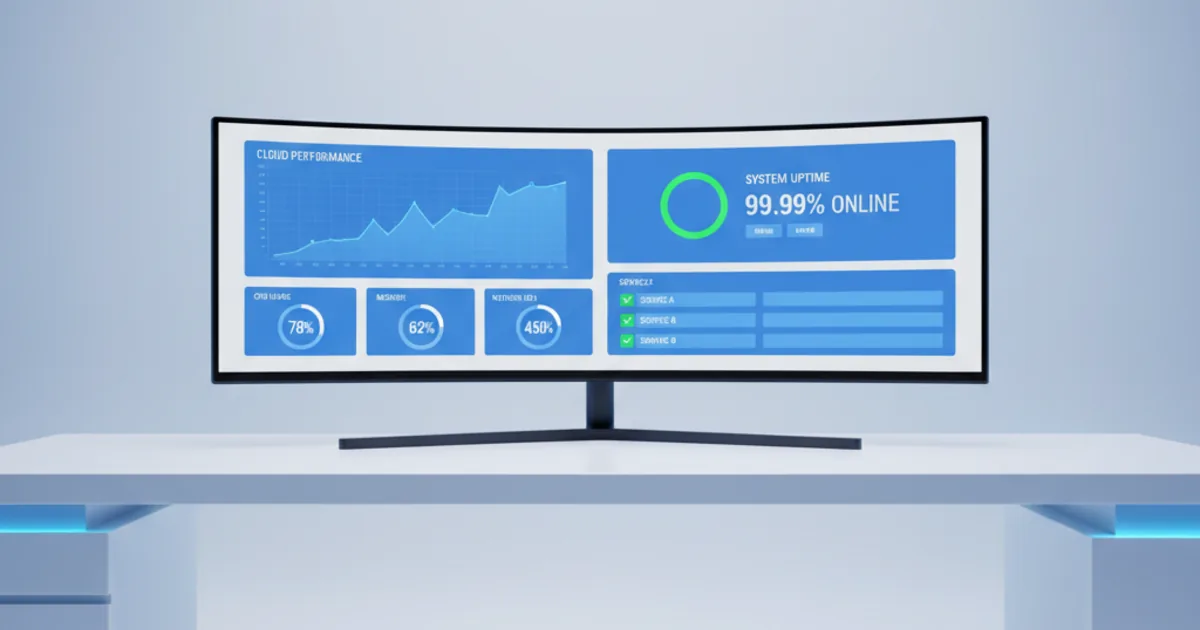
A well-executed real-time visual monitoring strategy separates organizations that merely survive digital transformation from those that leverage it as a sustained competitive advantage. Modern enterprises face immense pressure to protect assets and ensure seamless workflows. Traditional methods often fall short, leaving critical gaps in oversight.
We believe continuous oversight is no longer a luxury but a necessity. Advanced, cloud-connected camera systems and intelligent software platforms now offer a powerful alternative. These technologies deliver actionable insights precisely when decision-makers need them most.
Our comprehensive approach integrates cutting-edge hardware with sophisticated cloud infrastructure. This enables organizations to access live video feeds and automated alerts from any location. It fundamentally changes how companies approach security and operational management.
Today's competitive environment demands more than simple surveillance. It requires integrated systems that analyze data, identify potential issues, and provide the intelligence necessary for informed decisions. This guide explores how expert cloud solutions deliver measurable value by creating cohesive, intelligent platforms.
Key Takeaways
- Continuous operational oversight is essential for modern business risk management.
- Cloud-based systems provide access to live video and alerts from anywhere.
- Integrated solutions analyze data to identify and prevent issues proactively.
- Advanced technologies reduce reliance on costly on-site security personnel.
- These platforms help protect assets, optimize workflows, and support compliance.
- Expert solutions combine cameras, AI, and cloud storage into a single system.
Introduction to Real-time Visual Monitoring
Continuous observation of operations provides businesses with critical operational intelligence. We help organizations understand how modern observation technologies work together seamlessly.
Overview of Visual Monitoring Technologies
Today's surveillance solutions encompass diverse technologies tailored for specific business needs. Closed-circuit television (CCTV) systems form the foundation of many security setups. These reliable platforms offer continuous video surveillance for comprehensive oversight.
Smart cameras with advanced capabilities enable automated detection and analysis. Remote surveillance systems deliver live feeds from challenging locations. Drone-based solutions provide flexible oversight of expansive areas.
The Importance of Real-Time Insights in Business
Immediate access to visual data transforms how companies respond to situations. Security teams can address incidents as they develop. This proactive approach prevents minor issues from becoming major disruptions.
Operational managers gain better visibility into workflows and processes. Executive leadership benefits from objective evidence for strategic decisions. These insights create measurable competitive advantages across organizations.
Need expert help with real-time visual monitoring?
Our cloud architects can help you with real-time visual monitoring — from strategy to implementation. Book a free 30-minute advisory call with no obligation.
The Evolution of Visual Monitoring Technologies
The journey of surveillance technology reveals a remarkable transformation from basic analog beginnings to sophisticated digital ecosystems. We help businesses understand how these advancements have fundamentally reshaped security capabilities.
From Analog to Digital Systems
Early surveillance systems relied on analog cameras connected to VCRs for recording. These cameras captured low-resolution video signals that produced grainy footage. Storage capacity was severely limited by physical tapes.
The transition to digital technology marked a turning point. Digital systems eliminated the need for tape-based storage and improved video quality significantly. This shift enabled clearer images and longer retention periods.
Key Technological Advancements in Video Surveillance
Modern surveillance systems incorporate high-definition IP cameras that capture crystal-clear footage. These cameras transmit digital signals over computer networks. The quality of video has improved dramatically.
Video encoders bridge legacy analog systems with modern network technologies. They allow organizations to upgrade existing infrastructure gradually. This protects previous investments while enabling modernization.
Cloud-based storage represents one of the most significant advancements in surveillance technology. These solutions offer virtually unlimited capacity for video archives. Authorized personnel can access footage from anywhere with internet connectivity.
These advancements in video monitoring technologies have created comprehensive platforms that deliver far more value than simple recording could ever provide. We help businesses leverage these technologies for enhanced security and operational intelligence.
Components of Expert Cloud Solutions for Visual Monitoring
Building a comprehensive surveillance solution requires strategic integration of specialized camera technologies. We help organizations understand how each component contributes to overall system effectiveness.
Hardware Integration and Camera Systems
Modern monitoring systems utilize diverse camera types for specific security needs. Each configuration addresses unique facility requirements and coverage objectives.
Advanced camera technologies incorporate artificial intelligence capabilities and motion detection algorithms. These features ensure recording triggers only when activity occurs within designated zones. Night vision using infrared illumination maintains effectiveness in complete darkness.
| Camera Type | Primary Use | Key Features | Ideal Applications |
|---|---|---|---|
| Bullet Cameras | Long-range outdoor surveillance | Weather-resistant housing, powerful zoom | Perimeter security, parking lots |
| Turret Cameras | Adjustable positioning | Flexible mounting, vandal-resistant | Retail spaces, entry points |
| Dome Cameras | Discreet monitoring | Wide-angle coverage, tamper-proof | Indoor facilities, public areas |
| 360-Degree Cameras | Complete area coverage | Panoramic views, blind spot elimination | Large spaces, critical infrastructure |
Storage infrastructure represents another critical component of these systems. Digital Video Recorders process footage from analog cameras while Network Video Recorders handle IP camera streams. Cloud-based solutions offer unlimited capacity and remote accessibility.
Successful hardware integration requires careful network bandwidth planning and power supply configurations. We ensure compatibility between components and cloud platforms for reliable surveillance coverage.
What Are the Benefits of Real-time Visual Monitoring for Business Operations?
The strategic implementation of surveillance technologies delivers multifaceted advantages for modern enterprises. We help organizations understand how these systems create value beyond basic security functions.
Enhancing Security and Preventing Unauthorized Access
Visible surveillance cameras serve as a powerful deterrent against criminal activities. They discourage theft, vandalism, and trespassing before incidents occur. This proactive approach to security measures significantly reduces risks.
Advanced detection systems trigger immediate alerts when individuals attempt unauthorized access to restricted areas. Security personnel receive instant notifications about potential security breaches. This enables rapid response to emerging threats.
| Security Benefit | Impact Level | Key Advantage | Typical Results |
|---|---|---|---|
| Deterrent Effect | High | Prevents incidents before they occur | Reduced theft and vandalism |
| Immediate Detection | High | Alerts for unauthorized access | Faster incident response |
| Documentation | Medium | Evidence for investigations | Improved legal outcomes |
| Remote Oversight | High | Reduces on-site personnel needs | Lower security costs |
Boosting Operational Efficiency and Response Times
These systems dramatically improve how companies manage operational efficiency. Management teams gain visibility into workflow processes and identify bottlenecks. This leads to data-driven decisions about resource allocation.
Response times to operational issues improve significantly. Security teams assess situations through live feeds rather than delayed reports. This efficiency saves valuable time during critical situations.
Remote surveillance capabilities allow small teams to oversee multiple facilities. This approach reduces reliance on expensive on-site security personnel. Organizations achieve comprehensive coverage at lower operational costs.
Integrating Video Surveillance with Advanced Analytics
The fusion of video surveillance with analytical capabilities represents a quantum leap in business intelligence. We help organizations transform their existing camera systems into proactive analytical platforms that deliver actionable insights.
Role of Video Analytics and AI in Monitoring
Modern video analytics software automatically processes live video feeds to identify significant events. These systems use artificial intelligence to differentiate between normal activities and potential threats.
Advanced detection algorithms can recognize specific objects like vehicles and pedestrians. Behavioral analysis examines movement patterns to flag unusual activities. This automated analysis reduces the burden on security personnel.
| Analytics Feature | Detection Capability | Business Benefit | Implementation Level |
|---|---|---|---|
| Motion Detection | Activity in designated zones | Reduces false alarms | Basic |
| Object Recognition | Specific items or people | Targeted security | Advanced |
| Behavioral Analysis | Unusual movement patterns | Proactive threat prevention | Enterprise |
| Cross-Camera Tracking | Movement across multiple views | Comprehensive coverage | Advanced |
Leveraging Remote Surveillance and Cloud Storage
Cloud-based solutions eliminate physical storage limitations while providing flexible access. Authorized users can review live feeds and archived footage from any location.
Remote surveillance capabilities ensure business continuity during facility disruptions. The combination of cloud storage and advanced analytics creates resilient monitoring systems that adapt to changing business needs.
Leveraging Machine Learning for Proactive Monitoring
Machine learning introduces unprecedented capabilities for transforming video feeds into intelligent security partners. These systems continuously analyze footage using sophisticated algorithms that learn to distinguish normal activities from potential threats.
We help organizations understand how this technology becomes increasingly accurate over time as it processes more data. The systems refine their understanding of suspicious behavior within specific operational contexts.
Automated Threat Detection and Anomaly Recognition
Machine learning technology dramatically reduces false alarms that plague traditional motion-detection systems. Intelligent algorithms differentiate between genuine security concerns and benign events like animals or weather conditions.
This detection ability allows security agents to focus exclusively on credible threats. The technology maintains constant vigilance across all cameras without experiencing fatigue or attention lapses.
The systems identify patterns in historical video data to enable predictive analytics capabilities. They analyze trends in observed behaviors and recognize precursor activities that historically preceded security incidents.
We emphasize how anomaly recognition extends beyond security applications to identify operational irregularities. These include equipment malfunctions, workflow deviations, and safety violations requiring immediate intervention.
Machine learning transforms visual monitoring from a purely security-focused technology into a comprehensive business intelligence tool. The algorithms continue learning from new data, adapting to seasonal changes and recognizing emerging threat patterns.
Real-time Visual Monitoring Strategies for the U.S. Market
Compliance considerations form the foundation of any successful video monitoring deployment in American business environments. We help organizations navigate the complex regulatory frameworks that govern surveillance activities across federal, state, and local jurisdictions.
Adapting to Regulatory Standards and Data Privacy
Implementing effective security measures requires understanding workplace surveillance laws and public monitoring regulations. Businesses must establish clear policies regarding data retention periods and employee notification requirements.
Privacy protection extends beyond legal compliance to encompass ethical business practices. We emphasize the importance of transparent communication about surveillance purposes and implementation of privacy masking technologies.
Data security represents a critical concern for modern monitoring systems. Strong authentication protocols and encrypted transmissions prevent unauthorized access to sensitive footage. Regular security assessments identify potential vulnerabilities before exploitation.
Industry-specific regulations impose additional requirements beyond general surveillance laws. Healthcare facilities, financial institutions, and educational organizations face unique compliance challenges that demand specialized approaches.
Industry Applications and Advanced Use Cases
Industry-specific applications demonstrate how modern observation platforms adapt to address sector-specific operational demands. We help organizations understand how these capabilities transform according to unique business contexts.
Maritime Shipping, Retail, and Construction
In maritime shipping, surveillance systems play a crucial role in protecting valuable cargo across expansive port areas. These cameras track container movements and detect unauthorized access attempts. They significantly reduce theft and mishandling risks.
Retail applications leverage video surveillance for both security and customer intelligence. Analytics software examines shopping patterns to enhance store layouts. This approach improves operational efficiency while preventing theft.
Construction site monitoring addresses unique safety challenges in remote work areas. Cameras help protect valuable equipment and ensure personnel safety. They enable immediate response to hazardous activities.
Smart Cities and Critical Infrastructure
Smart cities deploy extensive camera networks to enhance public safety. These systems support traffic management and emergency response coordination. They provide comprehensive oversight of urban infrastructure.
Critical facility protection represents another vital application across various industries. Security personnel rely on these systems to detect suspicious activities near sensitive equipment. This monitoring plays a crucial role in safeguarding essential services.
Conclusion
Forward-thinking organizations are increasingly recognizing the transformative power of integrated security and operational platforms. We believe these solutions represent essential investments for modern business environments.
The benefits extend well beyond traditional security functions. These systems enhance operational efficiency while reducing risks across all operations. Proper implementation requires careful planning of the entire process.
Modern technologies provide the ability to transform video surveillance into strategic assets. Cloud-based monitoring systems offer scalable solutions that adapt to changing business needs. This integration supports better management decisions.
Looking ahead, these capabilities will continue evolving with emerging technologies. Organizations that invest now position themselves for future advancements. The time to enhance your security infrastructure is today.
We remain committed to helping businesses navigate this important process. Our expertise ensures your monitoring systems deliver maximum value and protection.
FAQ
How does cloud-based video surveillance improve our security management?
Our cloud solutions centralize your video feeds and analytics, providing instant access from any location. This integration enhances threat detection and streamlines your security measures, allowing for faster response to incidents like unauthorized access or theft. It reduces the burden on your personnel while improving overall site safety.
What are the primary benefits of integrating video analytics into our existing monitoring systems?
Adding analytics transforms passive video footage into an active security tool. It automates the detection of unusual activities and patterns, boosting operational efficiency. This technology helps prevent security breaches by identifying risks in real time, enabling proactive management and significantly improving your team's response capabilities.
Can these monitoring systems be scaled for different industries, such as retail or construction?
A> Absolutely. Our solutions are designed for flexibility across various sectors. For retail, they help prevent theft and analyze customer behavior. In construction, they monitor site access and equipment safety. The scalable nature of cloud technologies means we can tailor the system to meet the specific needs and regulatory standards of your industry.
How does machine learning contribute to proactive threat detection in surveillance systems?
Machine learning algorithms continuously analyze video data to learn normal patterns of activity. This ability allows the system to automatically recognize anomalies and potential threats, such as unauthorized entry or suspicious loitering. This proactive approach shifts security from simple recording to intelligent, preventative monitoring, minimizing risks before they escalate.
What should we consider regarding data privacy when implementing these advanced monitoring technologies?
A> We prioritize data privacy and ensure our systems comply with U.S. regulations. All video footage and analytics data are secured through encrypted cloud storage with strict access controls. We work with you to establish clear protocols that protect sensitive information while leveraging the full capabilities of the technology for your operational safety and efficiency.
About the Author

Editorial standards: This article was written by a certified practitioner and reviewed by our engineering team. We revise it when the technology or regulation it covers changes; the dates above show the latest update. Opsio maintains editorial independence — we recommend solutions on technical merit, not commercial relationships.