
GitOps Automation Services: Enhancing DevOps Efficiency

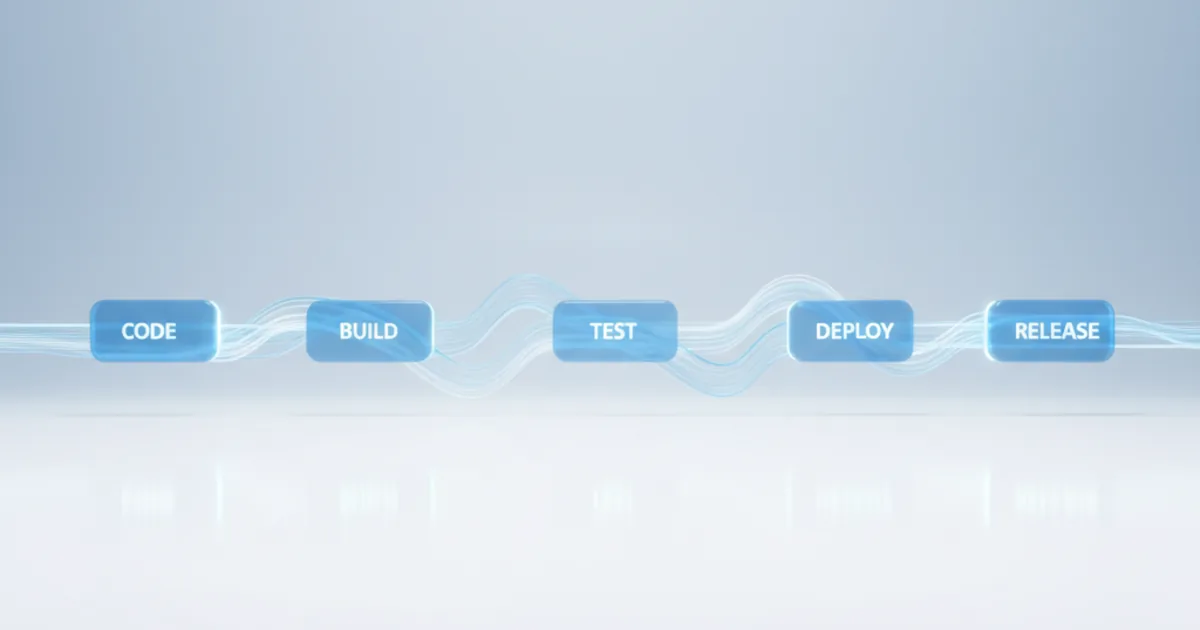
Discover how GitOps can transform your IT infrastructure management with Opsio's managed cloud services. Our expert team utilizes infrastructure as code and software development best practices to automate deployment and enhance workflow, ensuring a seamless experience for your DevOps engineers.
What is GitOps?
GitOps is an approach to managing application deployment and infrastructure configuration that leverages the version control system Git. With GitOps, all changes to an application or infrastructure are made through code commits, which are then automatically applied to the appropriate environment through a continuous integration/continuous delivery (CI/CD) pipeline. This approach allows for greater consistency and visibility in deployments, as well as easier rollbacks if necessary.
In essence, GitOps places application and infrastructure management at the center of the workflow by treating them both as code. This means that every change is tracked, reviewed and approved before it is applied in a given environment. The benefits of this centric approach include faster resolution times for issues, better collaboration among teams due to transparent processes and more efficient use of cloud resources with reduced risk of misconfiguration errors caused by human intervention outside automation-driven workflows.
Introduction to GitOps
GitOps is a new approach to managing software delivery and infrastructure that has gained momentum in recent years. As an application-centric operating model, GitOps emphasizes the use of Git as a single source of truth for both code and configuration. This allows teams to manage changes with greater ease and consistency, resulting in more reliable deployments.
GitOps simplifies software delivery and infrastructure management by using Git as a single source of truth, allowing teams to manage changes with greater ease and consistency for more reliable deployments.
The history of GitOps can be traced back to DevOps, which sought to bridge the gap between development and operations teams. However, with the rise of cloud-native technologies, traditional DevOps tools could no longer keep up with the demands of modern software delivery pipelines. As such, companies began looking for new ways to automate their workflows using principles like Infrastructure as Code (IaC) and Continuous Integration/Continuous Delivery (CI/CD).
At its core, GitOps is about embracing these basic principles by leveraging Git as a tool for managing all aspects of your infrastructure. By treating everything as code – from your application configurations to your deployment scripts – you can ensure that every change goes through rigorous testing before it ever reaches production. This not only makes it easier to roll back changes if something goes wrong but also helps ensure that your entire team is on the same page when it comes to deploying updates seamlessly.
Benefits of GitOps
Continuous delivery of applications is made easy and reliable with GitOps. Thanks to the use of infrastructure as code and software development best practices, such as CI/CD, teams can automate deployments easily without sacrificing reliability. Reduced downtime and faster recovery times can also be achieved through GitOps' ability to quickly roll back changes that cause issues or errors in the system.
Improved collaboration between teams is another significant benefit of using GitOps. With all configuration stored in a central repository, developers can work together more effectively on projects by collaborating on code reviews and changes. By making application management more centric around code with GitOps tools, DevOps engineers can ensure IT infrastructure management stays efficient while maintaining high-quality standards for their services.
How GitOps works
Setting up a Kubernetes cluster for use with GitOps tools is the first step towards streamlined IT infrastructure management. Using version control systems (VCS) like GitHub or Bitbucket for managing infrastructure code allows teams to easily collaborate and track changes. Deploying applications using declarative configuration files ensures that the desired state of the application is always maintained, making it easier to manage updates and rollbacks.
With GitOps, IT infrastructure becomes more application-centric by treating Infrastructure as Code (IaC). This allows for greater agility in cloud environments while streamlining deployment pipelines through Continuous Integration/Continuous Delivery (CI/CD) workflows. By leveraging these tools and techniques, DevOps engineers can enhance their workflow efficiency while maintaining full visibility into all aspects of their IT systems.
GitOps Tools and Techniques
GitOps tools and techniques offer a streamlined approach to managing IT infrastructure. Using Git, DevOps engineers can securely store and manage code changes, while also enabling efficient collaboration within teams. Infrastructure as Code (IaC) is an essential component of GitOps that allows for the automation of infrastructure management, reducing manual errors and increasing consistency across environments. Overall, leveraging GitOps tools provides significant benefits for enhancing workflow efficiency in large-scale application deployment and system management.
Git and GitHub
Version Control with Git allows DevOps engineers to track changes in code and infrastructure configurations over time, providing a comprehensive history of all modifications. With Git, teams can collaborate more effectively by creating branches for individual features or bug fixes and merging them back into the mainline development branch. GitHub serves as a central repository for these repositories, enabling seamless integration between different team members.
Collaboration with Pull Requests is one of the key benefits of using Git and GitHub. Teams can easily review each other's work and suggest changes before merging new code into the main branch. This process ensures that only high-quality code makes it through to production environments, reducing errors and improving overall reliability. Additionally, pull requests provide an audit trail of who made what changes when which helps improve accountability within the team.
Infrastructure as Code
Automating IT infrastructure with Infrastructure as Code (IaC) provides numerous benefits such as increased efficiency, agility, consistency and scalability. With IaC tools like HashiCorp Terraform or AWS CloudFormation, DevOps engineers can define their infrastructure in code and deploy it programmatically. This approach reduces the risk of manual errors and accelerates the delivery of services.
GitOps is an emerging technique that leverages Git's version control capabilities to manage infrastructure changes through pull requests. Using GitOps enables teams to have a clear view of who made what changes to their system, when they were made, and why. By adopting this workflow for managing Infrastructure as Code changes across all environments from development up until production level deployments; teams are able to achieve more predictable outcomes that meet both business objectives while adhering to compliance requirements throughout the entire deployment process.
Continuous Integration/Continuous Deployment (CI/CD)
CI/CD pipelines are a vital component of any modern software development workflow. By automating the process of building, testing, and deploying code changes, teams can reduce errors and improve efficiency throughout their application's lifecycle. GitOps is an approach to managing infrastructure that leverages Git workflows to automate deployment processes. With its focus on using declarative configurations stored in version control repositories like GitHub, it enables teams to manage infrastructure as code with greater visibility and control.
Implementing continuous delivery with GitOps allows DevOps Engineers to easily manage environments in CD pipelines by using Kubernetes for orchestration. This ensures that applications can be deployed quickly and consistently across different environments without manual intervention or downtime. Kubernetes offers powerful capabilities for deployment automation, auto-scaling, monitoring, logging as well as self-healing which helps ensure uptime and availability while reducing operational overheads – all key aspects of successful CI/CD implementations.
Code Review
To ensure high-quality code and prevent errors, incorporating Code Review into your Git Workflow is crucial. There are two types of reviews: Automated vs Manual Reviews, each with its Pros and Cons. Manual reviews allow for a more in-depth analysis but can be time-consuming, while automated reviews offer faster feedback but may miss some issues. Best practices include reviewing code early and often, providing clear feedback to developers, ensuring consistency across the team's coding standards and using tools such as GitHub or Jenkins for streamlined processes.
Using the right tools for Code Review can make all the difference in identifying bugs and vulnerabilities before deployment. Some popular tools include Snyk for dependency checking, SonarQube for comprehensive scanning of code quality issues, Codacy that includes machine learning algorithms to identify patterns in your codebase automatically; these all help streamline development workflows by automating manual tasks like security checks or compliance testing. Taking advantage of these best practices will improve collaboration amongst teams working on large-scale applications with complex infrastructure needs!
Monitoring and Observability
Monitoring plays a crucial role in DevOps, enabling teams to identify and fix issues before they escalate. Observability takes it one step further by providing insights into the inner workings of systems, allowing for proactive problem-solving. Here are some key points to keep in mind when it comes to
- Leveraging Metrics:
- Collecting data on specific performance metrics can help pinpoint problems before they impact users.
- Logs:
- Log analysis provides valuable insights into system behavior over time, making it easier to troubleshoot errors or identify patterns that could lead to future issues.
- Traces:
- Distributed tracing is essential for monitoring complex microservices environments where multiple requests may be made across different services.
OpenTelemetry or Jaeger can facilitate distributed tracing, helping teams gain visibility across their entire infrastructure stack. By leveraging these tools and techniques effectively as part of GitOps practices like CI/CD pipelines and automated deployments, DevOps teams can ensure reliable software delivery at scale while maintaining high levels of observability.
Need expert help with gitops automation services: enhancing devops efficiency?
Our cloud architects can help you with gitops automation services: enhancing devops efficiency — from strategy to implementation. Book a free 30-minute advisory call with no obligation.
How Do You Implement GitOps with Opsio?
Opsio's Managed Cloud Services provide DevOps engineers with the necessary tools and support to implement GitOps in their organization. By leveraging Opsio's expertise, businesses can streamline their IT infrastructure management workflows and achieve faster deployment times, improved reliability, and enhanced security.
Using GitOps with Opsio allows DevOps engineers to treat infrastructure as code, ensuring that changes are version controlled, auditable, and tested before they are deployed. This approach improves collaboration between developers and operations teams while reducing the risk of errors or misconfigurations during deployments. The result is a more efficient workflow that enables organizations to deliver high-quality software at scale.
Opsio's Managed Cloud Services
Opsio's Managed Cloud Services provide businesses with reliable and scalable cloud solutions that are tailored to meet their specific needs. With years of experience in managing infrastructure, Opsio has developed an expertise in ensuring optimal performance, security and availability for its clients' applications.
At Opsio, we understand the importance of streamlining IT operations to improve efficiency and reduce costs. That's why our team of experts can help businesses adopt GitOps tools and techniques to automate deployment workflows, enable faster releases and achieve greater collaboration between development teams.
Our managed cloud services include:
- Infrastructure management
- Application support
- Security monitoring
- Data backup and recovery
- 24/7 support
With Opsio as a trusted partner for your IT infrastructure needs, you can focus on developing innovative products while leaving the management of your cloud environment in capable hands.
Using GitOps with Opsio
GitOps is a modern approach to infrastructure management that leverages the power of Git. By using Git as a single source of truth for your infrastructure code, you can gain visibility and control over your systems, automate deployments, and ensure compliance with best practices. When used in conjunction with Opsio's Managed Cloud Services, GitOps can help DevOps engineers streamline their workflows and improve collaboration between teams.
To implement GitOps effectively with Opsio, it is important to follow some best practices. For example, you should use a version control system like GitHub or Bitbucket to host your code repositories securely. You should also define clear guidelines for how changes are reviewed and approved before they are merged into production environments. By following these best practices and working closely with Opsio's team of experts, you can achieve seamless deployment automation across all stages of the application development lifecycle.
Benefits of using Opsio for GitOps
Opsio's GitOps services can greatly benefit DevOps engineers responsible for managing large-scale applications and systems. By leveraging Opsio's expertise in automating IT infrastructure through infrastructure as code, software development best practices, and version control capabilities, engineers can experience improved efficiency, scalability, visibility into changes/updates and enhanced security measures.
Some benefits of using Opsio for GitOps include:
- Improved efficiency and scalability through automation:
- Opsio provides automated deployment processes that reduce the time needed to deploy new features or updates.
- Increased visibility into infrastructure changes/updates:
- Using Git enables historical tracking of all changes made to the system which increases transparency on what was changed when.
- Enhanced security measures through version control and auditing capabilities:
- With version control enabled by Git (and used with continuous integration techniques), teams gain better auditability over their build process as well as additional safeguards against unauthorized access.
By using these tools provided by Opsio in conjunction with industry-leading best practices like Infrastructure-as-code (IaC) methodologies such as Terraform or Ansible playbooks ensures maximum uptime while minimizing risk from human error.
Related reading: GitOps.
About the Author

Editorial standards: This article was written by a certified practitioner and reviewed by our engineering team. We revise it when the technology or regulation it covers changes; the dates above show the latest update. Opsio maintains editorial independence — we recommend solutions on technical merit, not commercial relationships.