
Custom Web Application Development in Kolkata

Country Manager, India
AI, Manufacturing, DevOps, and Managed Services. 17+ years across Manufacturing, E-commerce, Retail, NBFC & Banking
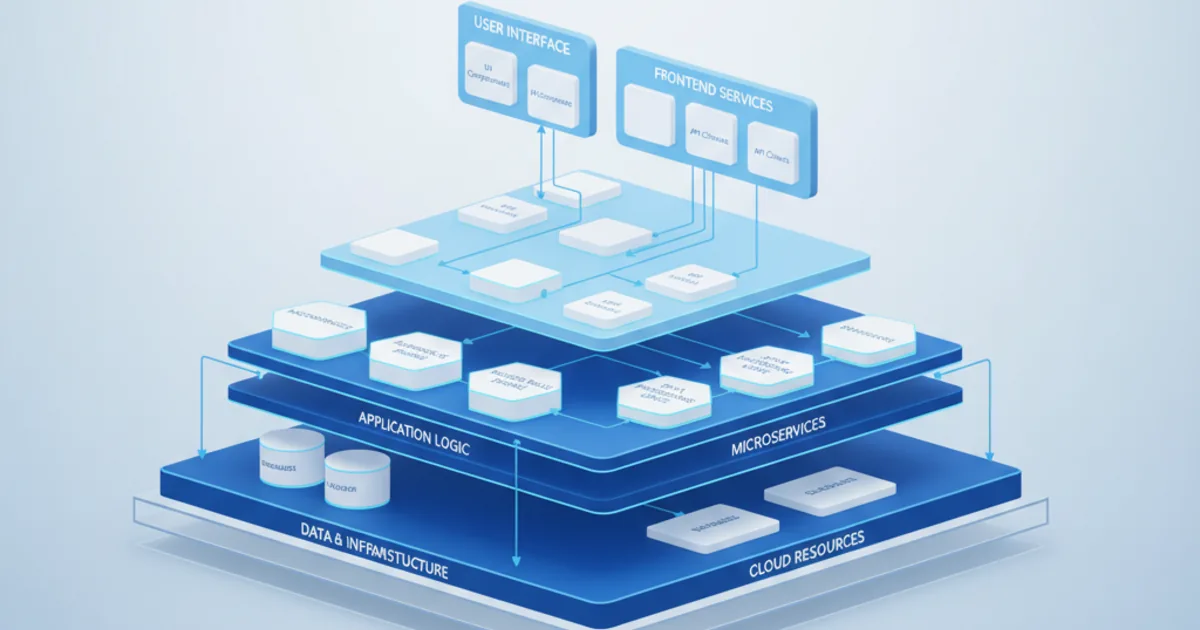
Are you looking for a partner to create enterprise-grade digital solutions at lower costs? Businesses in the United States are under pressure to digitize quickly but keep costs down. Bespoke software solutions from Kolkata offer a great chance to meet these needs.
The need for web app development has grown. Companies see that standard software can't solve their specific problems. They need custom platforms that fit with their systems, grow with them, and offer great user experiences.
Working with skilled developers means getting world-class technical expertise at a good price. This way, US companies can create complex platforms like e-commerce sites and business tools. They can do this without sacrificing quality or security.
This guide shows how custom app development teams can help your business. They can create scalable solutions that improve your business value and give you an edge in the digital world.
Key Takeaways
- Kolkata offers top-notch talent at lower costs than in the US, helping save money without losing quality.
- Bespoke software meets unique business needs that standard products can't, giving you a competitive edge.
- Development teams offer full services, including web apps, single-page apps, modernization, and maintenance.
- Working with overseas developers speeds up digital transformation, letting your team focus on core tasks.
- Scalable web apps grow with your business, meeting increased user needs and changing operational demands.
- Collaborative models ensure clear communication, tracking progress, and aligning with business goals during development.
What Is Custom Web Application Development?
Custom web application development is more than just making a website. It's about solving unique problems with tailored software solutions. Many organizations struggle to see the difference between websites and apps. This confusion affects how they plan their budgets and resources.
Web applications are different from websites. They are interactive software platforms that run on servers. Users access them through web browsers. These apps handle tasks like data management and workflow automation without needing to be installed locally.
What Makes Custom Development Essential
Investing in a custom web application is crucial. Off-the-shelf software can't meet specific needs. Many businesses have tried to fit their processes into generic platforms, but it doesn't work.
When companies seek Kolkata IT services, they often face issues with previous tech investments. These generic solutions include many features that are never used. This makes the interface cluttered and training hard, without the specific capabilities needed.
Enterprise web app developers focus on aligning technology with strategy. This means understanding business goals before starting to code. This approach helps create unique workflows and user experiences that competitors can't easily replicate.
Strategic Advantages of Purpose-Built Solutions
Choosing custom web application development offers many benefits. These benefits add value over time as the application grows with the organization. We've seen these advantages through our client partnerships.
- Competitive differentiation through unique features and workflows that reflect your specific market positioning and cannot be easily copied by competitors using the same commercial software
- Operational efficiency gains achieved by automating workflows exactly as your team executes them, eliminating the workarounds and manual interventions that generic platforms require
- Enhanced security posture through implementation of organization-specific security protocols, access controls, and data handling procedures that align with your compliance requirements and risk tolerance
- Complete code ownership that provides independence from vendor licensing constraints, eliminates recurring subscription fees, and enables continuous refinement based on user feedback and changing market conditions
- Seamless integration capabilities with existing technology infrastructure, allowing the application to communicate directly with current systems rather than requiring costly middleware or manual data transfers
Organizations that invest in tailored software solutions see higher user adoption rates. Custom applications are easier to use because they match actual work processes. This leads to faster return on investment and greater value from technology.
Need expert help with custom web application development in kolkata?
Our cloud architects can help you with custom web application development in kolkata — from strategy to implementation. Book a free 30-minute advisory call with no obligation.
Why Choose Kolkata for Development?
Kolkata is becoming a top choice for web application projects. It offers a mix of innovation and value. The city has grown from a traditional business center to a tech hub. This change makes Kolkata a great place for custom web development.
Choosing the right place for development is key. Kolkata offers skilled talent, proven methods, and partnerships that meet business goals. This makes it a strategic location for businesses.
Thriving Technology Hub
Kolkata's tech ecosystem has grown a lot in the last decade. It's a place where digital transformation solutions thrive. The city's schools produce graduates ready for the tech world.
The city has great infrastructure for development. It includes tech parks, workspaces, and research facilities. These places help in sharing ideas and improving development quality.
Several factors make Kolkata's tech ecosystem strong:
- Skilled talent in modern tech
- Proven development firms in various industries
- Government support for tech and entrepreneurship
- Active professional communities for learning
- Strong educational pipeline
This ecosystem supports successful projects. It attracts more investment, which helps in skill development and infrastructure. Businesses can find specialized expertise for any technology need.
Economic Efficiency Without Compromise
Kolkata offers cost-effective solutions without sacrificing quality. Development teams there deliver responsive web application projects at 40-60% of North American costs. They maintain high quality standards.
The cost advantage comes from economic factors, not quality compromises. Lower costs, favorable currency, and competitive market conditions help. This allows for attractive pricing and investment in talent and tools.
Many businesses started with Kolkata as an offshore development partner for cost reasons. But they found more benefits. These include flexible models, timezone advantages, and cultural affinity for better communication.
| Development Aspect | Kolkata Advantages | Business Impact | Typical Savings |
|---|---|---|---|
| Developer Rates | Competitive hourly rates with specialized expertise across technology stacks | Reduced project budgets enabling investment in additional features | 40-60% lower costs |
| Project Timelines | Dedicated teams with minimal resource conflicts and consistent availability | Faster time-to-market and ability to capitalize on business opportunities | 15-25% faster delivery |
| Quality Standards | Adherence to international coding practices and comprehensive testing protocols | Reduced technical debt and lower long-term maintenance requirements | 30-40% fewer defects |
| Scalability Options | Easy team expansion or contraction based on project phases and requirements | Operational flexibility without long-term commitments or infrastructure investments | 50-70% reduced overhead |
Kolkata offers a wide range of web application services. This includes custom, progressive, single-page, and modernization services. Businesses can work with one partner for all their needs.
Our clients say projects with Kolkata teams have high communication standards. Developers understand global business needs. This mix of cost and quality is a strong value proposition.
Cost-effective solutions don't mean lower quality. Kolkata's development community is known for its excellence. This allows businesses to use their tech budgets wisely, adding value to their projects.
What Are the Key Features of Custom Web Applications?
We create custom web applications with special features. These features make them more than just digital tools. They become key assets for businesses, driving change and growth.
Professional enterprise web applications have unique qualities. They go beyond basic functions. They make decisions that help meet both immediate needs and long-term goals.
Our development focuses on three main features. These ensure the applications bring lasting value. They adapt to business changes while keeping performance and security high.
Building for Growth and Expansion
We design applications with growth in mind. Scalable business software must grow with users and data. It should add new features easily without needing a full redesign.
Our approach includes modular code and cloud-based infrastructure. This supports scaling as demand grows. It keeps performance high even with more data.
We consider both technical and operational growth. Technical growth includes server planning and database optimization. Operational growth looks at user licensing and feature management.
The modular architecture we use lets businesses start small. They can add more features as needed. This avoids unnecessary complexity and costly replacements.
Integration Capabilities
Modern enterprise web applications must work well with other systems. Our API strategies enable smooth data exchange. This includes CRM, ERP, and other critical systems.
Integration makes applications more than just tools. It ensures data flows smoothly without manual workarounds. We use secure web development practices for this.
Our integration goes beyond simple data sharing. It includes workflows that trigger actions across systems. For example, it can update inventory and send emails automatically after a purchase.
User-Centric Design
We focus on creating interfaces that are easy to use. Our design process starts with user research. We aim to solve real problems and improve workflows.
We make sure applications work well on all devices. This means users have a consistent experience, no matter where they are. It supports tasks across devices without losing context.
We test our designs with real users. This helps us make sure they are productive and easy to use. We learn from this testing to improve the user experience.
Our commitment to secure web development doesn't compromise user experience. We balance security with usability. This means users can focus on their tasks without worrying about security.
Steps in the Custom Development Process
Understanding the full development lifecycle helps businesses make smart choices. We use a development methodology that plans well but stays flexible. This way, every custom web app we make tackles real business problems and adapts to new needs.
Our method has six key phases, from the first idea to when it's ready to use. Each phase uses what we learned before, making the whole process safer and more valuable.
At the heart of website application development is knowing what the app needs to do and for whom. We make sure everyone knows what's happening at every step. This keeps stakeholders involved and excited as their idea becomes a real digital tool.
Comprehensive Requirement Analysis
We start every project with deep requirements gathering talks. These talks go beyond just listing features. We talk with stakeholders to understand their goals, how things work, what users want, and any technical limits. Our team writes down what the app needs to do and how it will work with other systems.
We use agile web programming to work together and find out more as we go. We know business needs can change as we learn more about what's possible. This lets us adjust plans while keeping the project on track and meeting key goals.
We write detailed user stories and make workflow diagrams to show how the app will support business processes. We also create data models to outline how information will be structured and connected. This gives us a clear plan for the rest of the project.
This phase also includes looking at competitors and understanding who will use the app. We check industry standards and similar apps to make sure yours is the best. We pay close attention to security and following rules to avoid costly changes later.
| Development Phase | Primary Activities | Key Deliverables | Stakeholder Involvement |
|---|---|---|---|
| Discovery and Planning | Requirements gathering, competitive analysis, technical assessment | Requirements document, project roadmap, success criteria | High – active collaboration required |
| Design and User Experience | Information architecture, wireframing, visual design, prototyping | Interactive prototypes, design specifications, style guides | Moderate – review and feedback sessions |
| Development and Implementation | Feature coding, API integration, database development | Functional application modules, integration documentation | Low – periodic progress demonstrations |
| Testing and Quality Assurance | Functional testing, performance optimization, security validation | Test reports, bug resolutions, performance metrics | Moderate – acceptance testing participation |
Strategic Design and Prototyping
After understanding what the app needs to do, we start making it real. This design and prototyping phase helps avoid big changes later by checking designs early. We make sure the app looks and works the way users and stakeholders want.
Our design starts with organizing information and planning how users will navigate. We make wireframes to show page layouts and where things go without worrying about looks. This lets stakeholders focus on how easy it is to use, not how it looks.
Once wireframes are approved, we add looks and feel, making sure it matches your brand. We use special tools to make interactive prototypes that show how the app will work. This lets us test and improve before it's built for real.
We use feedback from these prototypes to make sure the design meets goals. We focus on making it easy to use and understand. This turns your idea into a design that looks good and works well, ready for developers to bring it to life.
This careful planning and design validation means we focus on building features that really help. By spending time on planning and checking designs, we avoid misunderstandings. This way, the apps we make do exactly what they're meant to from the start.
Technologies Used in Development
We use top programming languages and development frameworks to build custom web apps. These apps are fast, scalable, and meet specific project needs. We pick the best modern web technologies for each project, ensuring it works well now and grows in the future.
Choosing the right technology stack is key. We consider project complexity, performance needs, and team skills. This way, we can recommend the best solutions for each project, keeping code quality and system reliability high.
Programming Languages
We use a variety of programming languages for both client and server sides. HTML5 is used for modern web pages, making them accessible and SEO-friendly. CSS3 helps create responsive designs that look great on any device.
JavaScript is our go-to for client-side work and is also used for server-side tasks. We use React, Vue.js, and Angular for different types of applications. These frameworks help create interactive and scalable user interfaces.
For back-end work, we choose languages based on project needs. Node.js and Express.js are great for real-time apps. Python and Django are good for data processing and complex business logic.
PHP and Laravel are great for content management systems. For Microsoft tech users, we use .NET application services for easy integration with existing systems.
Frameworks and Tools
We have a wide range of tools and frameworks to enhance productivity and code quality. We choose the best database for each project, considering data needs and access patterns. Our database skills cover both relational and NoSQL databases.
PostgreSQL and MySQL are good for structured data. MongoDB is better for semi-structured data. We use cloud platforms like AWS for scalable hosting and managed services.
Our workflow includes tools for collaboration and quality control. Git helps with version control and team collaboration. Sass makes CSS more maintainable as projects grow.
We use WordPress for content management and .NET application services for enterprise security. Our technology stack supports a wide range of applications, from simple to complex.
| Technology Category | Primary Technologies | Best Use Cases | Key Advantages |
|---|---|---|---|
| Front-End Frameworks | React, Vue.js, Angular | Interactive UIs, single-page applications, dynamic dashboards | Component reusability, fast rendering, rich ecosystem |
| Back-End Languages | Node.js, Python, PHP, .NET | API development, business logic, data processing | High performance, extensive libraries, enterprise integration |
| Database Solutions | PostgreSQL, MySQL, MongoDB | Data storage, complex queries, real-time applications | ACID compliance, scalability, flexible schemas |
| Cloud & DevOps | AWS, Git, Sass | Hosting, version control, styling management | Auto-scaling, collaboration, code maintainability |
We carefully select our development frameworks and tools to create a complete ecosystem. This ecosystem supports teamwork, maintains high code quality, and allows for quick updates. We keep up with new technologies to ensure our stack is always current and reliable.
The Role of UX/UI Design
The look and feel of a responsive web application greatly affects user satisfaction. Good design helps users achieve their goals quickly. Bad design can lead to frustration and abandonment.
Every detail, from pixels to buttons, shapes the user's experience. It affects how productive they are and your return on investment. When interfaces are intuitive, users trust and use the app more.
Our design starts with understanding different users' needs. We do lots of research before making design choices. This ensures our designs meet real user needs, not just our own ideas.
We talk to stakeholders and create detailed user personas. We map out user journeys to find and fix problems. This helps us make the app better for everyone.
Importance of User Experience
User experience is more than just looks. It includes how easy and enjoyable it is to use. We design to make things simple and predictable.
Business users value apps that save their time. We make the app efficient by reducing steps and adding shortcuts. This helps both new and experienced users.
We also make sure the app is accessible to everyone. This means it works well for people with disabilities. We use features like keyboard navigation and clear colors.
Good design makes users happy and loyal. We focus on making the app fast and easy to use. This builds trust and keeps users coming back.
Design Best Practices
We follow proven design rules to make great user experiences. Consistency is key. We make sure everything looks and works the same way.
We also make things clear and easy to understand. We use simple language and clear labels. This helps users know what to do next.
We design for efficiency, putting important things where they're easy to find. We use shortcuts and menus to help power users. This makes the app better for everyone.
We make sure users can recover from mistakes without losing data. We use dialogs and undo features to help. This makes the app more forgiving.
We make sure the app works well on all devices. We use responsive design to adapt to different screens. This gives users a great experience no matter how they use the app.
We follow a design process that includes feedback and improvement. We start with simple wireframes and then add more details. We test and refine until we get it right.
Quality Assurance and Testing
We see quality assurance and testing as key to protecting your business and ensuring top app performance. Our detailed testing checks every part of your custom web app, from code to full system function. This ensures apps meet high standards for security, reliability, and user happiness before they go live.
Testing is a big part of our development process, not just an afterthought. It helps us find and fix issues early, saving costs. We know secure web development means checking everything as we go, keeping your data safe and business running smoothly.
Testing Strategies
We use many testing methods to check different parts of your app's quality. Unit testing looks at each code piece alone, making sure it works right and handles edge cases well. This helps find problems early and makes fixing them easier.
Integration testing checks how different parts of the app work together. We make sure data moves right and error handling works when things go wrong. System testing then checks the whole app against what it's supposed to do, making sure everything works together well.
User acceptance testing is the last step, where we make sure the app does what you need it to do. We test it with real users and data, getting feedback to make sure it works for your business. This teamwork makes sure the app is useful and valuable to you.
Security-focused testing activities are a big part of our work. We use special tests to find and fix security problems before they cause trouble. This includes checking for SQL injection, cross-site scripting, and other security issues.
Penetration testing is when we try to break into the app to find weak spots. This helps us find security gaps that automated tools might miss. We also check if the app meets important security standards like OWASP Top 10 and PCI-DSS.
Our test automation helps keep your app running smoothly as it grows. We use continuous integration to test every change right away, catching problems before they get big. This keeps your app reliable and secure.
| Testing Methodology | Primary Focus | Key Benefits | Tools & Techniques |
|---|---|---|---|
| Unit Testing | Individual code components and functions | Early bug detection, simplified debugging, code reliability | Jest, Mocha, PHPUnit, automated test runners |
| Integration Testing | Component interactions and data flow | Validates system cohesion, API compatibility, error handling | Postman, REST Assured, integration test suites |
| Security Testing | Vulnerability identification and protection | Prevents data breaches, ensures compliance, protects reputation | OWASP ZAP, Burp Suite, static code analyzers |
| Performance Testing | Speed, scalability, and resource utilization | Optimal user experience, system stability, cost efficiency | JMeter, LoadRunner, performance profiling tools |
| User Acceptance Testing | Business requirements and workflows | Confirms practical value, reduces deployment risks, user satisfaction | Real user scenarios, feedback sessions, requirement validation |
Ensuring Performance
Performance testing is key to making sure your app works well under real conditions. We test how fast and stable your app is, even when lots of people use it. This helps us plan for the future and make sure your app is always ready.
Stress testing pushes your app to its limits to see how it handles extreme situations. We test things like traffic spikes and memory limits to see how your app holds up. Endurance testing checks how your app does over time, making sure it stays stable and fast.
Performance optimization helps us find and fix slow parts of your app. We look at how code runs, database queries, and API responses to find bottlenecks. This makes your app faster and more responsive for users.
We set performance goals to measure how well your app is doing. This lets us see if our improvements are making a difference. We focus on making your app fast and responsive, which keeps users happy and engaged.
We test your app on different browsers and devices to make sure it works everywhere. We check it on Chrome, Firefox, Safari, and Edge, and make sure it looks and works right on all screen sizes. This ensures your app works well for everyone, no matter how they access it.
We also make sure your app works well on older browsers and devices. We use strategies that make your app work better on modern platforms while still working on older ones. This means your app is reliable and accessible to everyone, no matter what they're using.
Our testing and performance work together to make sure your app is reliable and secure. We build solutions that meet your needs and provide a great user experience. This gives you confidence that your app will work well from the start and for years to come.
Post-Development Support and Maintenance
After your web app goes live, the real work starts. We know that deployment is just the beginning. Your app needs ongoing care to keep it running smoothly and meet changing needs.
Our maintenance services protect your investment. Technology changes, security threats rise, and user needs evolve. Without support, even the best apps can become outdated or vulnerable quickly.
Sustained Value Through Expert Support
Ongoing support keeps your tech safe and running well. When users face issues, we fix them fast to keep productivity high. We have quick response plans for big problems.
We watch your app closely to catch issues early. Our systems track performance and security in real-time. This helps us solve problems before they affect your users.
We keep your app up to date with regular updates. We test these updates carefully before applying them. This prevents problems and keeps your app current.
We help your app grow with your business. As your needs change, we make updates to support new opportunities. We work with your team to find the best enhancements.
We act as your web app developers, balancing fixing problems with making improvements. Our dashboards show how your app is doing, and we plan maintenance to avoid disruptions.
Essential Practices That Keep Applications Healthy
Security patch management is key. We apply updates quickly to protect against new threats. We test these updates to ensure they work without causing problems.
Our team checks your app's performance regularly. We look at how fast it responds and how well it works. This helps us make it better for your users.
We also have backup and disaster recovery plans. These protect your data from loss. Here's what we do:
- Automated backup schedules with secure off-site storage that protects against facility-level disasters
- Regular restoration testing that verifies backups can be successfully recovered when needed
- Documented recovery procedures aligned with your business continuity requirements and risk tolerance
- Version control systems that track code changes and enable rapid rollback if updates cause issues
We help users by keeping documentation up to date. We also provide training to help your team use your app to its fullest.
Our help desk answers user questions through various channels. This helps us track issues and find ways to improve your app.
We work closely with your team to keep your app aligned with your goals. We have regular reviews to check how your app is doing and discuss new ideas.
Our partnership goes beyond just deploying your app. We focus on keeping it secure, fast, and user-friendly. This way, your app remains a valuable asset for years.
How Do You Choose the Right Development Partner?
Your choice of development partner greatly affects your custom web application's quality and your project experience. This decision impacts the technical quality, efficiency, and return on investment from technology. The partner becomes an extension of your team, offering expertise and aligning with your goals.
To start with a development partner, schedule a consultation. They will discuss your needs, understand your business goals, and create a development plan. This initial talk gives insight into their approach, communication, and commitment to solving your challenges.
Critical Elements in Partner Evaluation
When looking for bespoke software solutions, focus on more than just credentials. Look at their technical expertise and how well they fit with your team. Their portfolio should show success in similar projects.
The vendor evaluation process goes beyond technical skills. It's important to see how well they communicate and if they align with your culture. This ensures they focus on your success, not just completing tasks.
When choosing a development partner, examine their project management methods. Look for structured approaches that offer clear progress updates and adapt to changes. Check if they use dedicated teams or share resources, as this affects focus and accountability.
"The right technology partner doesn't just build software—they build understanding, translating business needs into technical solutions that drive measurable results."
Business stability is crucial but often overlooked. Partners should have financial stability, talent retention, and business continuity plans. This ensures they can fulfill long-term commitments and provide ongoing support.
When working with offshore partners, consider geographic and timezone differences. Outsourcing considerations should include how they manage communication across time zones. They should have overlapping hours for real-time collaboration and document decisions for transparency.
| Evaluation Category | Key Assessment Criteria | Impact on Project Success |
|---|---|---|
| Technical Expertise | Relevant technology stack knowledge, architectural experience, industry domain familiarity | Determines solution quality and scalability potential |
| Communication Approach | Responsiveness, clarity, timezone management, documentation practices | Influences collaboration efficiency and issue resolution speed |
| Project Management | Methodology structure, progress visibility, change management processes | Affects timeline adherence and budget control |
| Business Stability | Financial health, talent retention, continuity planning | Ensures long-term support availability and partnership reliability |
Essential Questions for Prospective Partners
Ask potential partners about their technical skills and business practices. Inquire about their development methodology and how they adapt to client needs. This shows if they prioritize client needs or follow a standard approach.
Focus on how they handle changing project requirements during vendor evaluation. Their response shows if they see changes as challenges or opportunities. This is key to delivering value.
Quality assurance and testing strategies are crucial. Ask about their QA processes, automated testing, and performance validation. This ensures your application meets requirements and performs well.
Security and compliance are vital when outsourcing considerations involve sensitive data. Partners should discuss specific security measures, compliance certifications, and experience with industry standards.
Discuss intellectual property policies to avoid future disputes. Ensure you retain full ownership of project assets. Ambiguity in IP ownership can create significant complications that undermine your investment.
Examine pricing models and budget management approaches. Ask about handling change requests, pricing structures, and controls to prevent budget overruns. Clear pricing discussions build trust and prevent misunderstandings.
Support and maintenance services after deployment are important. Understand their ongoing support capabilities, response times, and maintenance practices. This ensures your application remains functional and secure.
Request detailed proposals from potential partners. These should outline project understanding, technical approach, timeline, resource allocation, deliverables, and pricing. This helps compare partners and choose the best fit for your needs.
Reference checks with previous clients offer honest insights into partner performance. Portfolio reviews show the quality and complexity of previous work. These steps help establish a productive partnership that delivers exceptional bespoke software solutions aligned with your goals.
Success Stories from Kolkata
We've seen amazing changes in businesses that picked Kolkata IT services. This area is known for top-notch solutions that really make a difference. It's all about combining tech skills with real business results in many fields.
Real-World Applications Across Industries
Our work with e-commerce shows how Kolkata teams tackle big challenges. They build systems that handle thousands of sales every day. These systems make shopping smooth with cool features like product suggestions and easy payments.
SaaS providers get help with secure, cost-effective systems. We create dashboards for managing services and tools for team work. This helps teams work together better, even when they're far apart.
Big companies get apps for managing employees, tracking sales, and streamlining work. These apps make things run smoother, from hiring to delivering services.
Measurable Business Impact
Our case studies show real results. We've seen costs drop by 30-40% with automation. Customer happiness has gone up by 50-70% with better experiences. And, revenue has grown by 25-35% thanks to new digital tools.
Healthcare gets secure telemedicine platforms and tools for patients and doctors. Schools use interactive learning systems to track student progress. Logistics companies improve with apps for tracking and planning routes.
These wins prove our dedication to helping businesses stay ahead. We aim to help them grow and succeed in the digital world.
FAQ
What distinguishes custom web applications from standard websites or off-the-shelf software solutions?
Custom web applications are unique software solutions designed for specific tasks. They operate on remote servers and offer dynamic functionality through web browsers. This makes them different from standard websites and off-the-shelf software.
They are tailored to meet your business needs and workflows. This means they align perfectly with your existing processes. They also eliminate unnecessary features that can complicate user experience.
Custom web applications integrate seamlessly with your current technology infrastructure. They can also scale as your business grows. This makes them a strategic choice for organizations seeking a competitive edge.
Why should businesses consider Kolkata as a destination for their custom web application development projects?
Kolkata has emerged as a top destination for digital transformation. It boasts a robust technology ecosystem with skilled developers and mature IT infrastructure. The city's business environment encourages innovation while keeping costs competitive.
Kolkata IT services offer great value beyond cost savings. They deliver projects at 40-60% of US prices while maintaining quality standards. This is due to lower operational costs, favorable currency exchange rates, and economies of scale.
Partnering with developers in Kolkata means cost savings and access to global business expertise. They understand international business requirements and communicate effectively across time zones. This creates a strategic partnership focused on achieving measurable business outcomes.
What technologies and frameworks are commonly used in custom web application development projects?
We use a comprehensive technology stack for custom web applications. This includes proven programming languages and cutting-edge frameworks. We build applications that deliver exceptional performance and scalability.
Our programming language selection includes JavaScript, Python, PHP, and NET. For front-end development, we use HTML5, CSS3, and JavaScript frameworks like React, Vue.js, and Angular. Back-end solutions utilize Node.js with Express.js for high concurrency and real-time capabilities.
We choose the optimal technology stack for your project. This ensures code quality and system reliability throughout the development lifecycle.
How do you ensure the security of custom web applications throughout development and after deployment?
We prioritize secure web development throughout the application lifecycle. We implement multiple layers of protection to safeguard your business data and user information.
Our security approach includes encrypted data transmission and secure authentication mechanisms. We also use role-based access controls and regular security audits to identify and remediate vulnerabilities.
We incorporate security-focused testing activities like static code analysis and dynamic application security testing. Our security practices ensure compliance with industry-specific regulations like HIPAA, PCI-DSS, and GDPR.
After deployment, we implement continuous monitoring systems and maintain proactive patch management. We establish incident response protocols to ensure rapid resolution of critical security issues.
What does the custom web application development process involve from initial concept to final deployment?
We start every project with comprehensive requirement analysis. This involves structured discovery sessions to document functional requirements and establish performance benchmarks.
Our methodology employs agile web programming principles. This means we refine requirements iteratively, acknowledging that business needs often evolve.
Following requirement analysis, we move to design and prototyping. We transform abstract requirements into concrete visual representations and interactive mockups. This allows stakeholders to evaluate before significant development resources are committed.
Development proceeds through iterative sprints with regular demonstrations and feedback cycles. We conduct comprehensive quality assurance testing to validate functional requirements and performance benchmarks before deployment.
How important is user experience design in custom web application development, and what approach do you take?
User experience design is crucial in custom web application development. It determines whether users can efficiently accomplish their objectives within the application. It also affects whether they adopt it as a valuable tool or abandon it in favor of alternatives.
We employ research-based methodologies for user-centric design. This includes conducting user interviews, creating detailed user personas, and mapping user journeys. We validate design concepts through usability testing with representative users.
Our design best practices include consistency, clarity, efficiency, forgiveness, and responsiveness. We aim to deliver interfaces that genuinely enhance user productivity and satisfaction.
What quality assurance and testing processes do you implement to ensure application reliability and performance?
We implement comprehensive quality assurance processes that go beyond simple bug identification. We validate functional requirements, performance benchmarks, security standards, and usability criteria.
Our testing strategies include unit testing, integration testing, system testing, and user acceptance testing. We recognize that quality assurance requires proactive validation throughout the development lifecycle.
We incorporate security testing through static code analysis, dynamic application security testing, and penetration testing. Performance optimization testing is another critical dimension, as we systematically evaluate application responsiveness under various load conditions.
We employ sophisticated testing tools and frameworks that automate repetitive tasks. This ensures scalable business software that performs reliably and securely.
What kind of ongoing support and maintenance services are necessary after web application deployment?
Web application deployment marks the beginning of an ongoing lifecycle management relationship. Applications require continuous attention to maintain optimal performance, address emerging security threats, accommodate evolving user needs, and incorporate feature enhancements.
The importance of ongoing support extends across multiple operational dimensions. This includes immediate issue resolution, proactive monitoring, regular updates, and strategic enhancements. When we partner with organizations, we establish comprehensive maintenance frameworks.
These frameworks implement monitoring systems, maintain incident response protocols, and schedule regular maintenance windows. Common maintenance practices include security patch management, performance monitoring and optimization, backup and disaster recovery procedures, and user support activities.
What factors should organizations consider when selecting a development partner for custom web application projects?
Selecting the right development partner is a critical business decision. It influences the technical quality of the delivered solution, the efficiency of the development process, and the return on investment. When evaluating potential partners, consider technical expertise, communication effectiveness, cultural alignment, project management methodologies, and business stability.
Assess geographic and timezone considerations, as well. Questions to ask prospective partners should probe development methodology, requirements management approach, quality assurance practices, security experience, staffing approach, intellectual property policies, pricing model, and support services available after deployment.
Can you provide examples of successful custom web applications developed by teams in Kolkata?
We have observed that Kolkata IT services have delivered transformative custom web applications across diverse industries. These applications demonstrate technical sophistication and business acumen through successful implementations that address complex requirements and deliver measurable improvements in operational efficiency, customer engagement, and competitive positioning.
Notable projects include e-commerce platforms, SaaS applications, and real-time collaboration features. Enterprise solutions encompass comprehensive business applications, including employee management systems, custom CRM implementations, and workflow automation platforms. Successful implementations in specialized industries include logistics applications, education platforms, and healthcare applications.
How do custom web applications support business scalability and growth over time?
We design custom web applications with scalability as a foundational architectural principle. This means they can accommodate growth in user volume, data complexity, and functional requirements without necessitating complete system redesign.
Our approach includes implementing modular code structures, utilizing cloud-based infrastructure, and establishing development practices that facilitate incremental feature additions. Scalability considerations encompass both technical dimensions and business dimensions, including user licensing models, feature tier management, and administrative capabilities.
Integration capabilities represent another critical feature supporting business growth. We implement comprehensive API strategies that enable seamless data exchange with existing enterprise systems. This ensures that the custom web application functions as an integral component of your technology ecosystem.
Related Articles
About the Author

Country Manager, India
Praveena leads Opsio's India operations, bringing 17+ years of cross-industry experience spanning AI, manufacturing, DevOps, and managed services.
Editorial standards: This article was written by a certified practitioner and reviewed by our engineering team. We revise it when the technology or regulation it covers changes; the dates above show the latest update. Opsio maintains editorial independence — we recommend solutions on technical merit, not commercial relationships.


