
Exploring Azure DevOps Alternatives: Our Top Picks

Country Manager, India
AI, Manufacturing, DevOps, and Managed Services. 17+ years across Manufacturing, E-commerce, Retail, NBFC & Banking
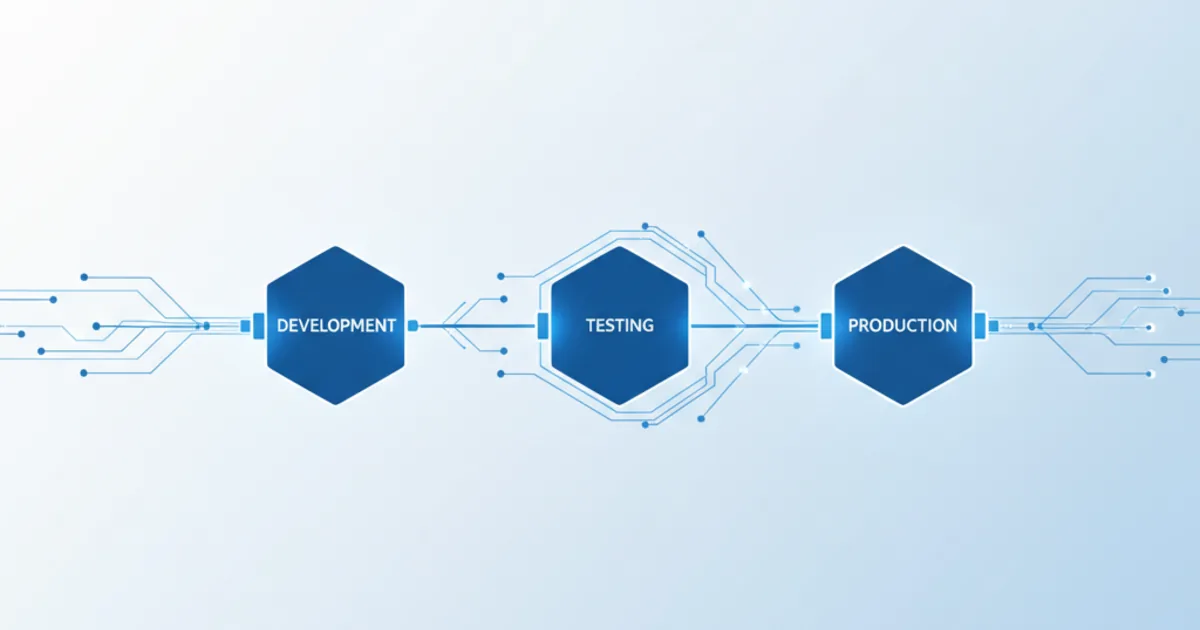
Over 70% of organizations are now actively re-evaluating their primary DevOps platform. This strategic shift is driven by the need for greater flexibility and specialized capabilities in today's multi-cloud environments.
We understand that while Microsoft's platform has been a cornerstone for many, the development landscape has evolved significantly. Many teams now seek tools that offer more competitive pricing and enhanced customization.
Our analysis reveals that the ideal platform depends on your team's size, existing technology stack, and long-term scalability needs. This guide examines solutions ranging from collaborative environments to specialized CI/CD tools.
We focus on providing detailed insights into each option's strengths, ideal use cases, and integration capabilities. Our goal is to help you make an informed decision that drives operational efficiency and business growth.
Key Takeaways
- Most organizations are reassessing their DevOps toolchain strategy.
- Modern platforms offer greater flexibility across multi-cloud environments.
- The best solution depends on team size, structure, and technical requirements.
- Specialized capabilities often outperform traditional all-in-one solutions.
- Transitioning requires careful consideration of integration and scalability.
- Competitive pricing structures are becoming a decisive factor for many teams.
- Informed platform selection directly impacts operational efficiency and growth.
What Is Azure DevOps and Its Ecosystem?
Many development teams rely on comprehensive suites that streamline the entire application lifecycle from planning to deployment. We recognize Microsoft's platform as an integrated solution supporting collaborative software development across distributed teams.
Overview of Azure DevOps Services
The platform offers five core services working in harmony. These components cover agile planning, version control, continuous integration, package management, and testing capabilities.
Each service addresses specific aspects of modern project management and software delivery. The integrated nature creates a cohesive environment for development teams.
| Service Name | Primary Function | Key Benefits |
|---|---|---|
| Azure Boards | Agile planning and work tracking | Supports Scrum, Kanban methodologies |
| Azure Repos | Git-based code repositories | Secure version control and collaboration |
| Azure Pipelines | CI/CD automation | Multi-platform build and deployment |
| Azure Artifacts | Package management | Dependency versioning and hosting |
| Azure Test Plans | Testing and validation | Manual and automated test planning |
Key Features and Capabilities
The platform's strength lies in its comprehensive feature set for software development. Teams benefit from robust tracking systems and collaborative code management tools.
While covering essential DevOps fundamentals, some organizations seek additional capabilities beyond the core offerings. The ecosystem integrates deeply with Microsoft's technology stack, creating a unified environment for committed teams.
Need expert help with exploring azure devops alternatives: our top picks?
Our cloud architects can help you with exploring azure devops alternatives: our top picks — from strategy to implementation. Book a free 30-minute advisory call with no obligation.
Why Consider Alternative DevOps Platforms
Changing market dynamics and shifting vendor priorities are prompting organizations to reconsider their development infrastructure. We observe that strategic decisions about tooling now require deeper analysis of long-term viability and alignment with business objectives.
Market Trends and Shifting Strategies
Microsoft's innovation focus has clearly shifted toward GitHub, with Azure DevOps receiving fewer groundbreaking updates. The current roadmap emphasizes integration capabilities rather than native feature development.
This strategic redirection coincides with broader industry movement toward cloud-agnostic solutions. Organizations increasingly demand flexibility across multiple cloud providers rather than vendor-specific optimization.
Identifying Business Needs
Business requirements vary dramatically across organizations. Some teams need specialized capabilities that general-purpose platforms may not fully address.
Cost considerations play a crucial role in platform selection. Large development teams must evaluate whether current pricing structures remain competitive against other options.
The demand for customization continues to grow. Teams seek solutions that adapt to their unique workflows rather than forcing process changes.
Many organizations now question single-vendor approaches. They explore whether specialized toolchains might deliver superior results for their specific operational context.
Overview of Top Tools in the DevOps Space
Navigating the current market reveals a spectrum of development platforms, each offering unique approaches to software delivery. We observe distinct categories emerging, from comprehensive end-to-end solutions to specialized tools focusing on specific workflow components.
Product Roundup of Leading Platforms
The landscape includes versatile options like monday dev, starting at $9 monthly with customizable sprint management. GitLab provides built-in CI/CD pipelines from $29 per user, while GitHub combines version control with automation at $4 monthly.
Specialized CI/CD tools offer focused capabilities. Jenkins delivers free, open-source automation with extensive customization. TeamCity provides enterprise-grade continuous integration starting at $15 monthly.
For project management, Jira remains dominant with flexible workflows from $7 monthly. ClickUp offers comparable Agile management, and Octopus Deploy specializes in complex deployment processes starting at $30 monthly.
Comparative Feature Highlights
Each platform presents distinct feature sets catering to different organizational needs. Comprehensive solutions offer convenience through unified interfaces but may lack specialized depth.
Best-of-breed tools provide superior capabilities in their focus areas. The pricing landscape varies significantly, requiring careful total cost of ownership analysis beyond simple subscription fees.
Exploring Azure DevOps Alternatives
Three prominent contenders have emerged as viable options for teams seeking comprehensive DevOps capabilities. We analyze how each platform addresses specific development challenges with distinct architectural approaches.
Deep Comparison of Key Alternatives
GitHub has transformed from a code repository into a full development platform. Its GitHub Actions provide CI/CD functionality with seamless open-source integration.
The platform offers robust code review tools and extensive marketplace connections. However, data residency limitations may affect some enterprise deployments.
GitLab presents an all-in-one solution covering the entire software lifecycle. Built-in CI/CD pipelines and security scanning create a unified environment.
Teams should verify specific capabilities beyond basic source control. Some features may lack the depth found in specialized tools.
Harness addresses advanced deployment needs across diverse infrastructure. It supports multi-cloud environments and on-premises installations with sophisticated features.
Integration with Modern Workflows
Modern development practices require native support for contemporary methodologies. Platforms must accommodate GitOps, progressive delivery, and infrastructure-as-code.
Integration ecosystems significantly impact practical usability. API comprehensiveness and pre-built connectors determine how well platforms fit existing technology landscapes.
Workflow requirements vary across organizations regarding deployment strategies. Matching platform capabilities to specific needs ensures optimal team performance.
Each solution offers different approaches to supporting development teams. The integration capabilities directly influence how smoothly transitions occur between tools.
Alternative DevOps Platforms for Enhanced Collaboration
Effective team collaboration forms the cornerstone of modern software development, driving project success through transparent communication and coordinated workflows. We recognize that specialized platforms addressing these needs represent a distinct category of solutions worth careful consideration.
These platforms excel at facilitating team communication, code review processes, and cross-functional coordination. They create environments where development teams can work seamlessly across different project phases.
GitHub: Open-Source and Community Driven
GitHub has established itself as the dominant platform for open-source collaboration and version control. The platform hosts over 100 million repositories and provides developers with distributed version control using Git.
Teams benefit from pull request workflows that enable thorough code review. GitHub Actions provide CI/CD automation, while GitHub Copilot offers AI-powered coding assistance.
The massive community creates network effects that benefit organizations through access to open-source libraries. Community-contributed Actions for workflow automation and established best practices enhance collaborative development.
Jira and Asana for Project Management Excellence
Jira represents the gold standard for agile project management and issue tracking. It offers customizable Scrum and Kanban boards that adapt to diverse team methodologies.
The platform's strength lies in its exceptional flexibility and customization capabilities. Organizations can model complex workflows and implement custom issue types without rigid constraints.
Asana takes a different approach by focusing primarily on project management and task coordination. It offers intuitive interfaces for creating tasks, assigning work, and visualizing dependencies.
| Platform | Primary Focus | Key Strength | Best For |
|---|---|---|---|
| GitHub | Code collaboration | Community ecosystem | Open-source projects |
| Jira | Project management | Customization flexibility | Complex workflows |
| Asana | Task coordination | User-friendly interface | Cross-team projects |
For organizations where project management represents the primary concern, combining these tools with dedicated CI/CD solutions creates effective toolchains. This approach delivers superior capabilities in each domain while maintaining collaborative excellence.
Specialized Tools for CI/CD and Deployment Automation
Build and deployment automation represents a critical area where specialized tools demonstrate distinct advantages. We observe that focused platforms often provide superior capabilities in their specific domains compared to general-purpose solutions.
Jenkins and Its Customizability
Jenkins maintains its position as the most widely adopted open-source automation server. The platform offers unparalleled flexibility through its extensive plugin ecosystem of over 1,500 available extensions.
Teams benefit from distributed build execution across multiple machines and Pipeline-as-Code approach using Groovy scripting. This customization capability allows adaptation to virtually any workflow requirement.
The open-source nature eliminates licensing costs, though organizations must consider infrastructure and maintenance investments. Jenkins excels as a continuous integration tool that can be adapted for delivery purposes.
Octopus Deploy for Robust Deployment Solutions
Octopus Deploy specializes exclusively in deployment automation with particular strength in Microsoft ecosystem technologies. The platform provides comprehensive multi-environment orchestration with advanced variable management.
Built-in release versioning and rollback capabilities ensure reliable deployment processes. The user-friendly interface simplifies complex automation scenarios through visual designers and clear environment progression.
For organizations running sophisticated multi-environment scenarios, combining Jenkins with Octopus Deploy often delivers superior results. This approach provides specialized excellence in both build and deployment phases.
Integrating New Solutions with Your Existing Workflows
Seamless adoption of new development tools demands careful consideration of existing processes and team workflows. We recognize that successful transitions extend beyond technical migration to encompass organizational change management and workflow continuity.
Proper integration planning ensures minimal disruption while maximizing the benefits of new platforms. This requires strategic assessment of current operations and thoughtful implementation approaches.
Best Practices for Seamless Integration
We recommend beginning with comprehensive documentation of current workflows. This includes mapping source control strategies, CI/CD configurations, and deployment procedures.
A phased approach proves most effective for platform transitions. Starting with pilot projects allows teams to validate new tools while building organizational confidence.
Integration architecture represents a critical success factor. Detailed planning ensures new platforms connect effectively with version control systems, testing frameworks, and monitoring tools.
| Integration Approach | Key Benefits | Implementation Considerations |
|---|---|---|
| Phased Migration | Reduced risk, gradual adaptation | Requires parallel system maintenance |
| API-Based Integration | Automated data synchronization | Demands technical expertise |
| Pre-built Connectors | Rapid deployment, vendor support | Limited customization options |
| Custom Integration | Tailored to specific needs | Higher development investment |
Leveraging tools like webhooks and REST APIs accelerates integration while reducing custom development requirements. Comprehensive training programs ensure teams adapt successfully to new workflows and practices.
Evaluating Cost, Customization, and Scalability
Budget constraints and future expansion needs significantly influence platform selection in modern software development environments. We approach this evaluation with comprehensive analysis of both immediate and long-term implications.
Subscription Models and Pricing Strategies
The pricing landscape reveals substantial variation across available solutions. Options range from free open-source tools to premium enterprise platforms.
Total cost analysis extends beyond simple subscription fees. It includes infrastructure requirements, training expenses, and integration development costs.
| Platform Type | Pricing Range | Cost Structure | Best Fit |
|---|---|---|---|
| Open Source | Free | Infrastructure/Expertise | Technical Teams |
| Entry Level | $4-9/user/month | Per User | Small Teams |
| Mid Range | $12-29/user/month | Tiered Features | Growing Organizations |
| Enterprise | Custom Pricing | Volume Discounts | Large Scale Operations |
Flexibility and Customization Options
Customization capabilities directly impact long-term platform value. Highly adaptable solutions enable precise alignment with existing workflows.
Scalability considerations encompass technical performance and administrative complexity. The ideal solution supports evolving requirements as organizational maturity grows.
Enterprise needs often include advanced security features and compliance certifications. Vendor stability and roadmap commitments provide confidence for sustained investment.
Conclusion
Our comprehensive analysis reveals that platform selection requires balancing immediate functionality with long-term strategic alignment. We've examined a diverse range of Azure DevOps alternatives, from comprehensive platforms to specialized tools, each offering unique advantages for different organizational contexts.
The decision to explore alternatives should be driven by careful evaluation of your specific needs and future requirements. While Microsoft continues supporting Azure DevOps, the innovation pace and strategic direction toward GitHub represent important considerations for long-term planning.
We recommend starting with pilot projects to validate platforms in your environment. Engage your teams in the selection process and conduct thorough cost analysis. This approach ensures your software development toolchain evolves to support ongoing growth and efficiency.
FAQ
What are the primary reasons teams look for alternatives to their current DevOps platform?
Teams often seek new solutions to address specific gaps in their current workflows, such as the need for better integration with third-party tools, more flexible pricing models, or enhanced support for modern development practices like microservices and containerization. We find that the desire for a more intuitive user interface or superior collaboration features also drives this exploration.
How does project management functionality differ across various DevOps tools?
Project management capabilities can vary significantly. Some platforms offer deeply integrated agile planning and issue tracking, while others focus more on the continuous integration and delivery pipelines. The best choice depends on whether your team prioritizes seamless tracking from idea to deployment or requires a more specialized, powerful engine for build and release automation.
Can these alternative platforms integrate with our existing version control system?
A> Yes, most leading platforms in this space offer robust integrations with popular version control systems like Git, including cloud-hosted repositories. We recommend verifying specific integration capabilities to ensure smooth connectivity with your team's preferred tools and to maintain established development workflows without disruption.
What should we consider regarding security and compliance when evaluating a new tool?
Security is a critical factor. You should assess each platform's security certifications, data encryption standards, access control mechanisms, and compliance with relevant industry regulations. We advise looking for features like automated security scanning in CI/CD pipelines and detailed audit logs to maintain a strong security posture.
Are there solutions that offer a strong balance between customization and ease of use?
Absolutely. Many modern platforms strive to provide a high degree of customization for complex workflows while maintaining an accessible interface. The key is to evaluate the learning curve against the long-term benefits of tailoring the tool to your specific processes, ensuring it enhances team productivity without creating unnecessary complexity.
Related Articles
About the Author

Country Manager, India
Praveena leads Opsio's India operations, bringing 17+ years of cross-industry experience spanning AI, manufacturing, DevOps, and managed services.
Editorial standards: This article was written by a certified practitioner and reviewed by our engineering team. We revise it when the technology or regulation it covers changes; the dates above show the latest update. Opsio maintains editorial independence — we recommend solutions on technical merit, not commercial relationships.


