
Accelerate Automation in DevOps: Improving Team Collaboration

Consultant Manager
Six Sigma White Belt (AIGPE), Internal Auditor - Integrated Management System (ISO), Gold Medalist MBA, 8+ years in cloud and cybersecurity content
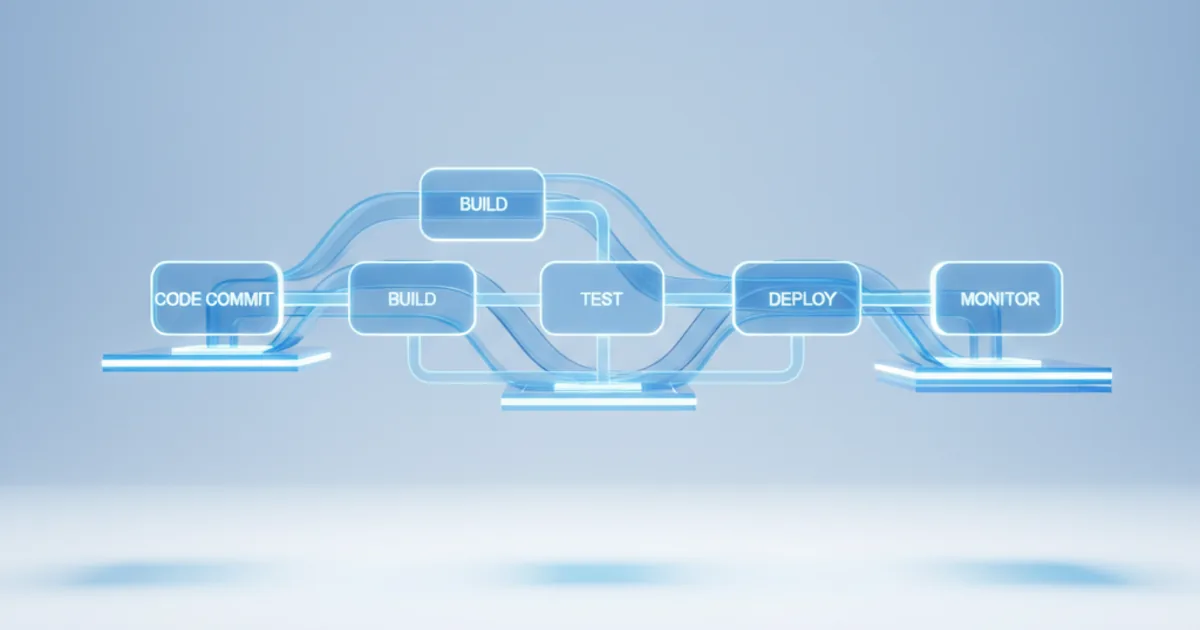
What is DevOps?
DevOps is a software development and delivery methodology that emphasizes communication, collaboration, and integration between software development and IT operations teams. It's a cultural shift that requires teams to work together throughout the entire software development lifecycle, from planning to deployment to monitoring and feedback. The objective is to enhance the overall reliability and security of software while delivering it rapidly and proficiently with high quality.
Why Automation in DevOps is Essential
Delivering high-quality software rapidly and proficiently is a significant challenge for DevOps teams. One of their major obstacles is the requirement to automate monotonous and time-consuming tasks to diminish errors and conserve time. Automation can aid in various ways, such as:
Speeding up the delivery process: By automating processes such as code testing, building, and deployment, DevOps teams can speed up the delivery process and reduce the time it takes to bring new features and applications to market.
Reducing errors: Automation can reduce the risk of human error, which can lead to downtime, security breaches, and other issues. Automated testing and deployment can catch errors early in the development cycle, making it easier to fix them before they cause problems.
Enhancing collaboration: Automation can enhance collaboration between development and operations teams by creating a common set of tools and processes that both teams can use. This can improve communication and reduce the risk of misunderstandings and errors.
Improving scalability: Automation can make it easier to scale applications and infrastructure, reducing the risk of bottlenecks and downtime as demand increases.
Increasing reliability: By automating processes such as monitoring and alerting, DevOps teams can increase the reliability of their applications and infrastructure, reducing the risk of downtime and improving overall performance.
Need expert help with accelerate automation in devops?
Our cloud architects can help you with accelerate automation in devops — from strategy to implementation. Book a free 30-minute advisory call with no obligation.
How Automation Accelerates DevOps
DevOps teams can leverage automation to expedite the delivery process and enhance overall efficiency via various means, such as Continuous Integration and Continuous Delivery (CI/CD).
Continuous Integration and Continuous Delivery (CI/CD): Automation can enable CI/CD, which permits the quick and efficient delivery of new applications and features. By automating processes such as code testing, building, and deployment, teams can reduce the time it takes to deliver new features and applications, enabling them to respond quickly to changing market demands.
Infrastructure as Code (IaC): IaC is the practice of managing infrastructure through code rather than manual processes. Automation can help with IaC by allowing teams to define and manage infrastructure through code, making it easier to scale and maintain infrastructure. By automating processes such as provisioning, configuration, and deployment, teams can reduce the time it takes to manage infrastructure and increase overall efficiency.
Automated Testing: Automated testing is a critical component of DevOps, allowing teams to catch errors early in the development cycle and reduce the risk of downtime and other issues. Automation can help with testing by allowing teams to automate the testing process, making it faster and more efficient. By automating testing, teams can catch errors early in the development cycle, reducing the risk of costly errors down the line.
Monitoring and Alerting: Monitoring and alerting are critical components of DevOps, allowing teams to detect and respond to issues quickly. Automation can help with monitoring and alerting by allowing teams to automate the monitoring process, making it easier to detect issues before they become major problems. By automating monitoring and alerting, teams can reduce the time it takes to respond to issues, increasing overall efficiency.
ChatOps: ChatOps is a practice that combines chat-based communication and automation to improve collaboration and efficiency within DevOps teams. By integrating automation into chat platforms, teams can automate tasks and workflows, making it easier to collaborate and get work done quickly. ChatOps can also help teams stay up to date on the latest developments and quickly respond to issues as they arise.
How Do You Implement Automation in DevOps?
While automation can bring significant benefits to DevOps, implementing automation can be a complex process. Here are some tips for implementing automation in DevOps:
Start small: When implementing automation, start with small, manageable tasks and build from there. This can help you identify any issues early on and gradually introduce automation into your workflow.
Define clear goals: Before implementing automation, define clear goals for what you want to achieve. This can help you determine what processes to automate and how to measure success.
Involve all teams: Automation affects all teams within DevOps, so it's important to involve everyone in the process. This can help ensure that everyone is on the same page and working towards the same goals.
Use the right tools: There are many automation tools available, so it's important to choose the right tools for your needs. Consider factors such as ease of use, compatibility with your existing tools, and scalability.
Continuously evaluate and improve: Automation is an ongoing process, so it's important to continuously evaluate and improve your automation workflows. Regularly review your processes and metrics to identify areas for improvement.
About the Author

Consultant Manager
Debolina works at the intersection of IT operations, quality management, and compliance at Opsio. She focuses on practical, data-driven insights around operational efficiency, governance, and continuous improvement — helping organisations streamline complex systems while maintaining standards.
Editorial standards: This article was written by a certified practitioner and reviewed by our engineering team. We revise it when the technology or regulation it covers changes; the dates above show the latest update. Opsio maintains editorial independence — we recommend solutions on technical merit, not commercial relationships.