

Navigating the NIS2 Directive can be daunting. This EU regulation aims to bolster cybersecurity across member states. Compliance is mandatory for many sectors, making understanding its requirements crucial.
NIS2 expands on the original directive, covering more services and sectors. It emphasizes risk management, incident reporting, and supply chain security. Organizations must adapt to these changes to ensure compliance.
Consultancy services play a vital role in this process. They help assess current cybersecurity measures and identify areas for improvement. With expert guidance, businesses can align their strategies with NIS2 requirements.
This article provides essential insights into NIS2 consultancy. It explores how consultancy services can aid in achieving compliance and successful implementation.
Summary
NIS2 broadens EU cybersecurity obligations across more sectors, prioritizing risk management, rapid incident reporting, and supply chain security, with penalties for non-compliance. This article shows how specialized consultancy helps organizations assess gaps and risks, align security with business goals, and implement and maintain compliant controls. It also outlines key framework elements, practical steps for rollout, ongoing improvement needs, and criteria for choosing the right consultancy partner.
Understanding the NIS2 Directive
The NIS2 Directive is a significant EU cybersecurity initiative. It builds on the original NIS Directive, broadening its scope. This expansion includes more industries and services, enhancing protections across the board.
Key goals of the directive include:
- Enhancing member state cooperation
- Strengthening cybersecurity practices
- Increasing resilience against cyber threats
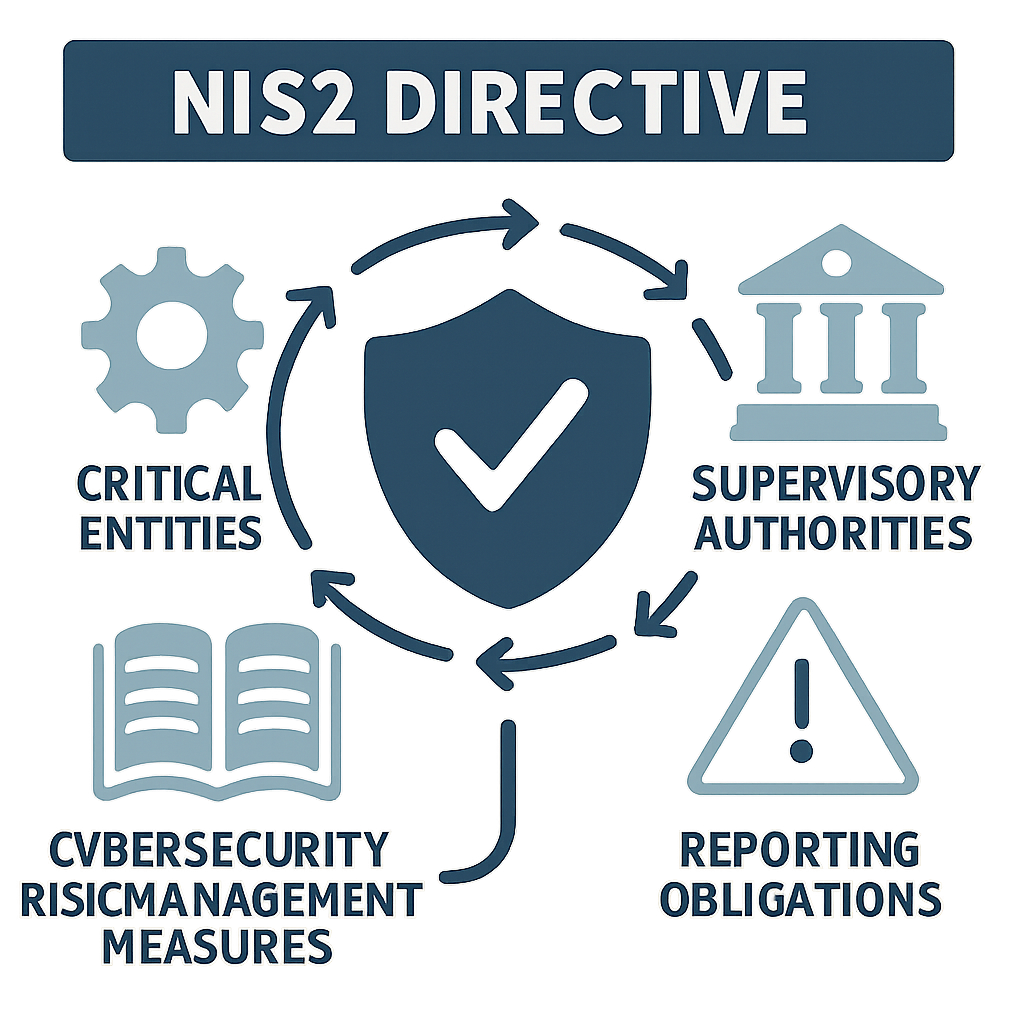
NIS2 focuses on several critical areas. Risk management is a top priority, aiming to mitigate potential cyber threats. The directive mandates comprehensive incident reporting, requiring timely notifications to authorities.
Supply chain security is another essential focus. Organizations are responsible for ensuring their partners' cybersecurity measures. This requirement has led to increased scrutiny of third-party relationships.
Overall, NIS2 aims to harmonize cybersecurity efforts throughout the EU. By doing so, it enhances resilience and fosters a culture of cybersecurity awareness.
Why NIS2 Compliance Matters
NIS2 compliance is crucial for organizations within the EU. It ensures they meet stringent cybersecurity standards. This compliance helps protect both data and operational integrity.
Non-compliance can lead to severe penalties, affecting reputation and finances. Meeting the directive's requirements also enhances trust with clients and partners. Thus, it is essential for maintaining competitive advantage.
Key reasons for NIS2 compliance include:
- Avoiding financial penalties
- Enhancing business reputation
- Building trust with stakeholders
Aligning with NIS2 fosters a robust security posture. It also encourages continuous improvement in cybersecurity practices. This proactive approach safeguards against evolving threats, ensuring long-term protection.
Key Elements of the NIS2 Framework
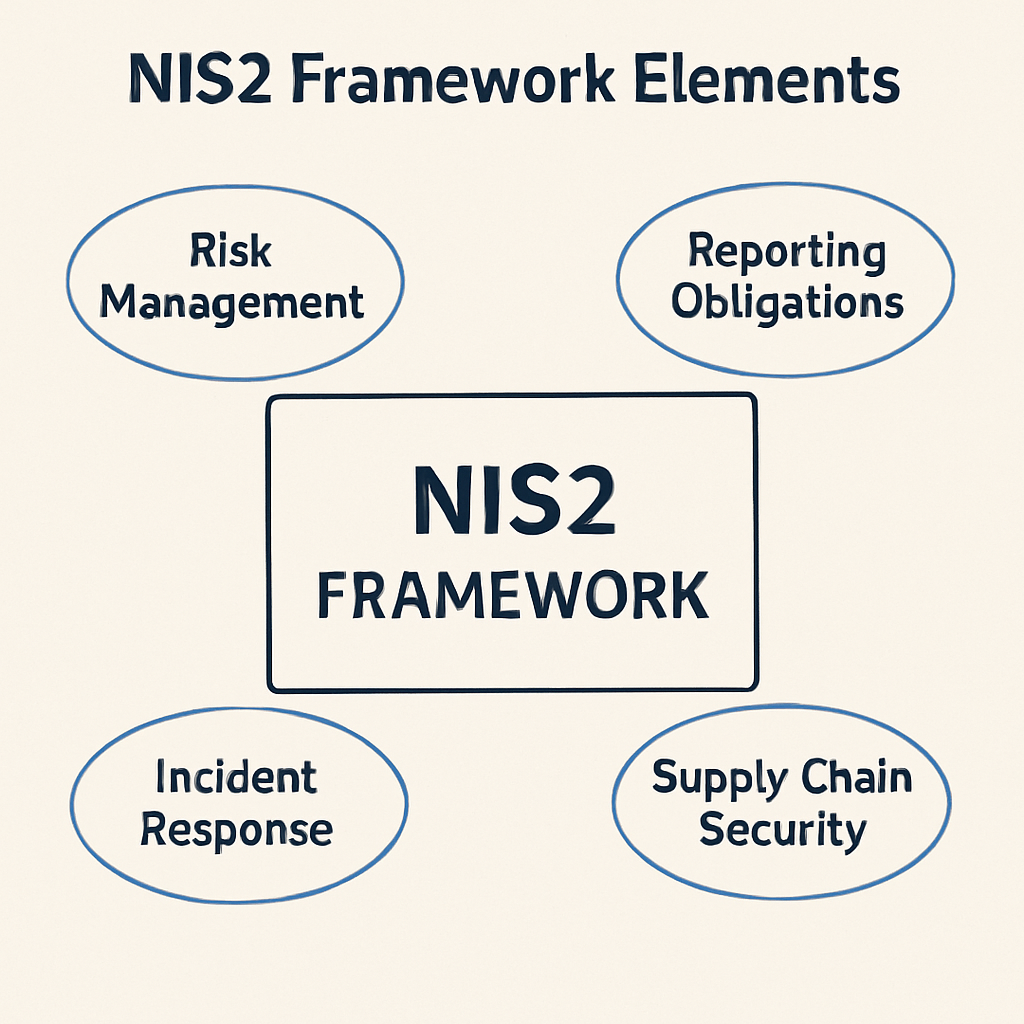
The NIS2 framework is comprehensive and encompasses several vital components. It builds on the foundations of risk management, incident reporting, and supply chain security. These elements work collectively to enhance resilience.
Risk management is a core aspect, requiring regular assessments to identify potential threats. Organizations must proactively address vulnerabilities. This ensures that unforeseen incidents do not compromise operations.
Incident reporting is another critical component. Entities are mandated to report significant cybersecurity incidents within 24 hours. This prompt reporting enables faster responses and mitigates potential damage.
Supply chain security rounds out the framework's key elements. Organizations must secure not only their systems but also their supply chain partners. This holistic approach ensures comprehensive protection.
Key elements include:
- Risk Management
- Incident Reporting
- Supply Chain Security
The Role of NIS2 Consultancy Services
NIS2 consultancy services play a crucial role in helping organizations navigate the complexities of the directive. These services provide expert guidance tailored to specific industry needs. By leveraging consultancy expertise, organizations can streamline their compliance efforts.
Consultants offer a detailed understanding of both technical and organizational aspects. This comprehensive approach ensures all facets of NIS2 compliance are covered. Tailored solutions from consultants can effectively address unique challenges faced by different sectors.
Moreover, consultancy services guide organizations in aligning their cybersecurity strategies with overall business goals. This alignment not only ensures compliance but also enhances the organization's competitive edge. A well-aligned strategy maximizes the benefits of NIS2 implementation.
Key benefits of NIS2 consultancy services include:
- Expert guidance on compliance
- Tailored solutions for specific sectors
- Alignment of cybersecurity strategies with business goals
NIS2 Assessment: Identifying Gaps and Risks
Conducting a NIS2 assessment is essential for uncovering compliance shortfalls. This process identifies gaps in current cybersecurity measures. Recognizing these deficiencies is the first step towards bolstering your security posture.
Risk assessment involves a thorough evaluation of potential threats. This includes analyzing existing systems and processes. By identifying risks, organizations can take corrective actions to mitigate them effectively.
The assessment process highlights areas needing improvement. It provides critical insights into how well current strategies align with NIS2 requirements. Understanding these gaps helps in prioritizing the necessary changes for compliance.
Key components of a NIS2 assessment include:
- Evaluating current cybersecurity measures
- Identifying compliance gaps
- Analyzing potential threats and risks
Steps to Effective NIS2 Implementation
Successfully implementing the NIS2 Directive requires a strategic approach. Start by understanding each requirement of the directive. A clear understanding sets a strong foundation for NIS2 implementation.
Next, integrate cybersecurity into your core business processes. This ensures that security measures become a natural part of daily operations. It's essential for long-term compliance and risk management.
Engage your team in comprehensive training sessions. Educating staff about new protocols and responsibilities is vital. Well-informed employees are pivotal in achieving successful NIS2 implementation.
Consider the following steps for effective implementation:
- Analyze and understand the directive requirements
- Integrate cybersecurity into business processes
- Train staff on updated protocols
- Establish a response plan for incidents
- Allocate resources for new technologies

Finally, continuously review and refine your strategies. Regular assessments are vital for adapting to evolving threats. This iterative process helps in maintaining alignment with the NIS2 framework.
Ongoing NIS2 Support and Continuous Improvement
Maintaining NIS2 compliance is not a one-time effort. It requires ongoing support and continuous improvement. Cybersecurity threats evolve rapidly, necessitating regular updates and adjustments.
Commit to a continuous improvement mindset. This approach fosters resilience against potential security breaches. By continually refining processes, organizations stay ahead in the cybersecurity landscape.
Here are strategies for ongoing NIS2 support:
- Regularly update security protocols
- Conduct periodic risk assessments
- Monitor new cybersecurity threats
- Provide ongoing staff training
- Foster cross-border collaboration
With a proactive stance, organizations not only comply with the NIS2 Directive but also enhance their overall security posture.
Choosing the Right NIS2 Consultancy Partner
Selecting a suitable NIS2 consultancy partner is crucial for effective implementation. The right partner can provide deep insights and tailored solutions based on organizational needs.
When evaluating potential consultancy partners, consider the following criteria:
- Proven expertise in NIS2 compliance
- Experience with similar organizations or sectors
- Ability to offer customized strategies
- Strong communication skills
- Commitment to continuous support
By prioritizing these factors, organizations can ensure they partner with a consultancy that will effectively guide them through the NIS2 compliance journey.
Conclusion: Leveraging Consultancy for NIS2 Success
Navigating the complexities of the NIS2 Directive can be daunting. With expert guidance from a trusted consultancy, organizations can achieve seamless compliance.
Engaging a consultancy ensures not only compliance but also strengthens cybersecurity. Choose wisely to secure your organization's digital future with confidence.