


Ready to transform your IT operations?
Contact us today to discuss how our Managed Service Provider solutions in Sweden can help your business achieve reliable, secure, and scalable IT operations.
What Is a Managed Service Provider?
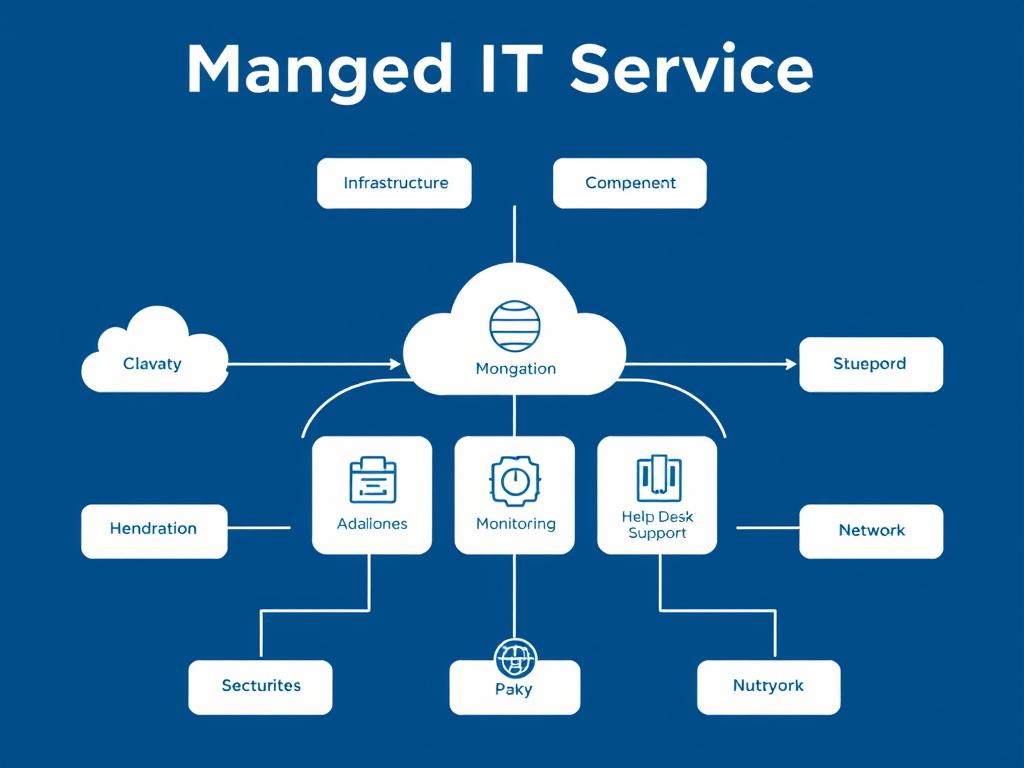
A Managed Service Provider (MSP) is an organization that takes responsibility for operating and managing IT systems on behalf of a customer. Unlike traditional break-fix IT support, MSPs deliver proactive, ongoing management of technology infrastructure with defined service levels and predictable costs.
In Sweden, Managed Services have evolved to address the unique challenges of the Nordic business environment, including strict data protection regulations, high labor costs, and advanced digital adoption. They offer comprehensive solutions that extend beyond basic IT support to include strategic technology planning, security management, and digital transformation initiatives.
Core Functions of a Swedish MSP
- Proactive monitoring and maintenance of IT systems
- Incident response and problem resolution
- Security management and compliance monitoring
- Technology planning and implementation
- Cloud infrastructure services management and optimization
- End-user support and service desk operations
By partnering with a Managed Service Provider in Sweden, organizations gain access to specialized expertise, advanced tools, and established processes that would be difficult and costly to develop internally. This allows businesses to maintain high-quality IT operations while focusing their internal resources on core business activities and strategic initiatives.
Why Organizations in Sweden Use a Managed Service Provider
Swedish organizations operate in a digitally mature and highly regulated environment. The business landscape demands robust IT operations that can support innovation while maintaining security and compliance. Here's why companies across Sweden increasingly turn to Managed Services:
Operational Excellence
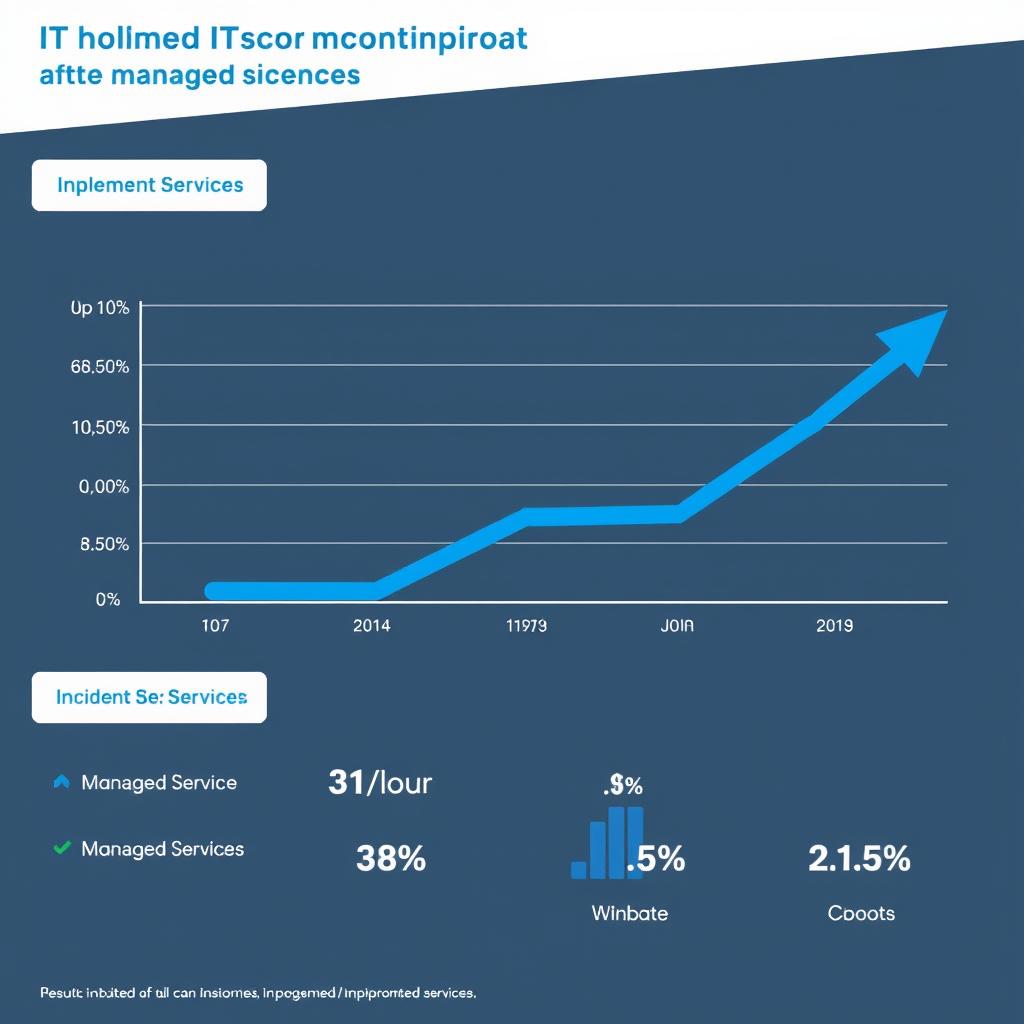
MSPs implement standardized processes and best practices that enhance system reliability and performance. This structured approach reduces downtime and ensures consistent service delivery across all IT functions.
Cost Optimization

Converting unpredictable IT expenses into fixed monthly costs makes budgeting more predictable. Organizations avoid large capital investments in infrastructure and specialized staff while accessing enterprise-grade technology and expertise.
Risk Mitigation
 Security operations center monitoring IT systems for a Swedish company" width="750" height="750" srcset="https://opsiocloud.com/wp-content/uploads/2025/12/Security-operations-center-monitoring-IT-systems-for-a-Swedish-company.jpeg 1024w, https://opsiocloud.com/wp-content/uploads/2025/12/Security-operations-center-monitoring-IT-systems-for-a-Swedish-company-300x300.jpeg 300w, https://opsiocloud.com/wp-content/uploads/2025/12/Security-operations-center-monitoring-IT-systems-for-a-Swedish-company-150x150.jpeg 150w, https://opsiocloud.com/wp-content/uploads/2025/12/Security-operations-center-monitoring-IT-systems-for-a-Swedish-company-768x768.jpeg 768w" sizes="(max-width: 750px) 100vw, 750px" />
Swedish businesses face strict regulatory requirements and cybersecurity threats. MSPs provide comprehensive security monitoring, incident response, and compliance management that reduce organizational risk and liability.
The Swedish business environment places high value on efficiency, security, and innovation. A Managed Service Provider aligns with these priorities by delivering reliable IT operations that support business objectives while adapting to changing technology landscapes and regulatory requirements.
Managed Service Provider vs Traditional IT Support
Traditional IT Support
- Reactive approach – fixes problems after they occur
- Unpredictable costs based on time and materials
- Limited monitoring capabilities
- Focus on technical issues rather than business outcomes
- Inconsistent service quality dependent on individual expertise
- Limited scalability during growth periods
Managed Service Provider
- Proactive monitoring and maintenance prevents issues
- Predictable monthly costs with defined service levels
- Comprehensive 24/7 monitoring and alerting
- Strategic alignment with business objectives
- Consistent service delivery through standardized processes
- Easily scalable to accommodate business growth
The fundamental difference lies in the approach: traditional IT support operates on a break-fix model, while Managed Service Providers in Sweden deliver ongoing, proactive management with clear accountability for system performance and availability. This shift from reactive to proactive IT management represents a significant evolution in how organizations approach their technology operations.
Core Services Delivered by a Managed Service Provider Sweden
A comprehensive Managed Service Provider in Sweden typically offers a range of integrated services designed to cover all aspects of IT operations. These services work together to create a cohesive technology management solution tailored to each organization's specific needs.
Managed Infrastructure Services

- Server and network management
- Storage optimization and backup
- Virtualization management
- Performance monitoring and tuning
Managed Cloud Services
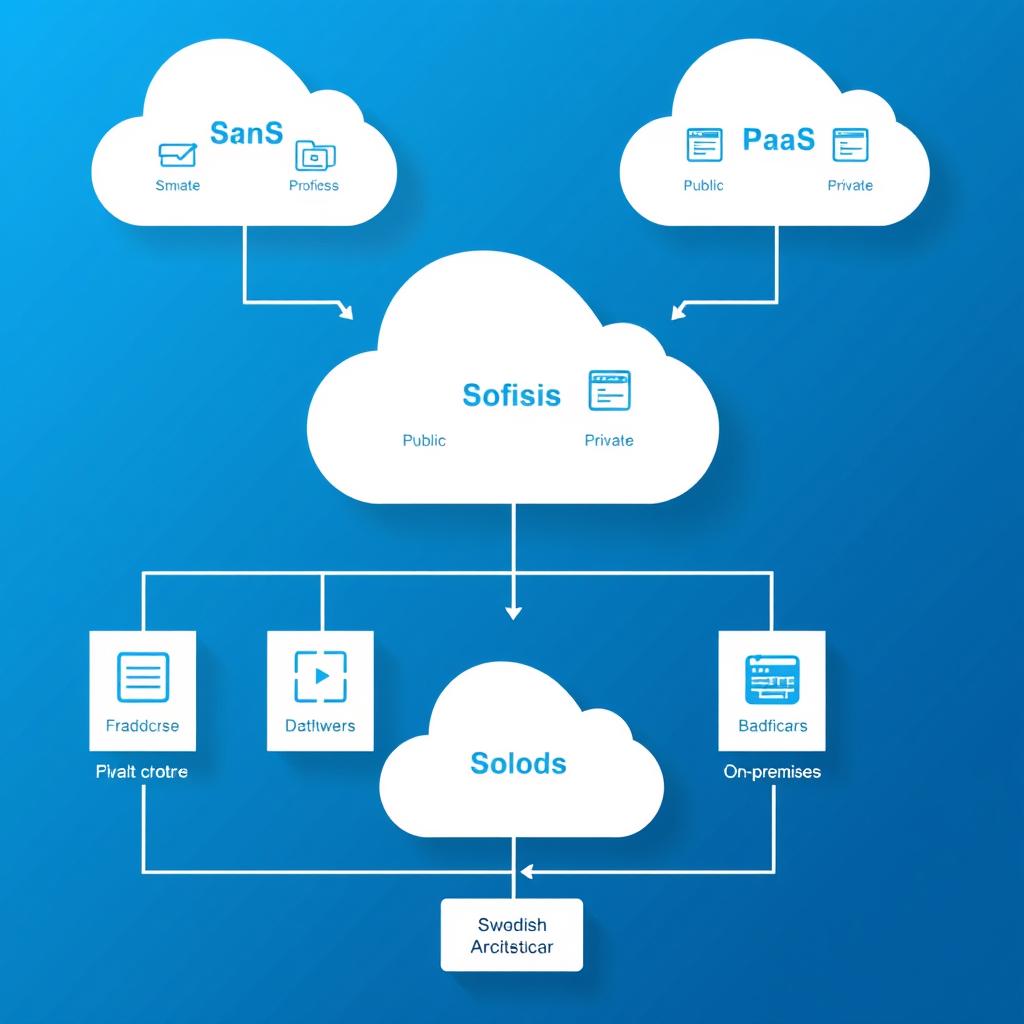
- Cloud platform management
- Migration and optimization
- Cost monitoring and control
- Hybrid environment integration
Managed Security Services
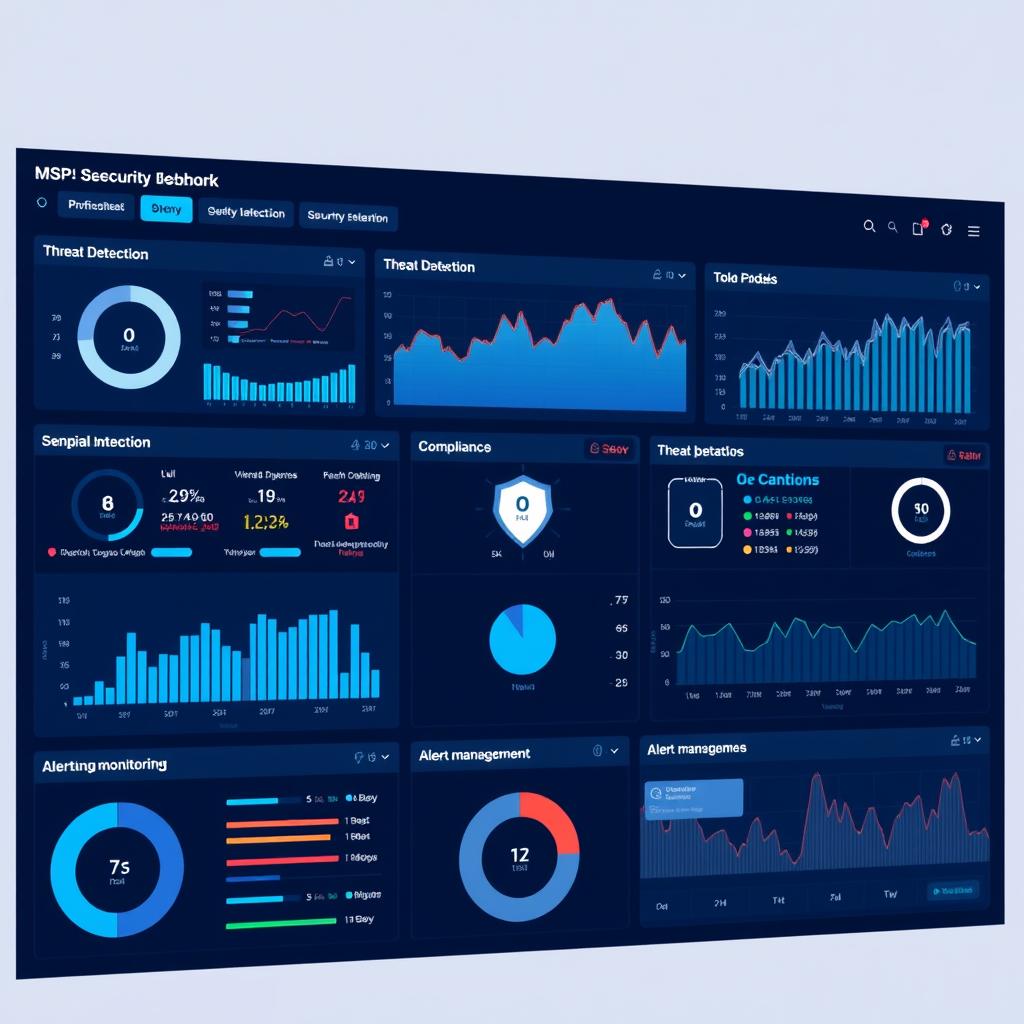
- Threat detection and response
- Vulnerability management
- Identity and access control
- Compliance monitoring
Managed Application Services

- Application performance monitoring
- Database management
- Integration management
- Application lifecycle support
These core services form the foundation of a comprehensive managed services offering. Depending on specific business requirements, Swedish MSPs may also provide specialized services such as disaster recovery, end-user support, IT strategy consulting, and digital transformation initiatives.
Enhance your IT operations with expert management
Our team of specialists can help you implement a tailored managed services solution that addresses your specific business challenges.
How a Managed Service Provider Operates
Successful Managed Service Providers in Sweden follow a structured approach to service delivery that ensures consistent quality and measurable outcomes. This operational framework typically includes several key phases:
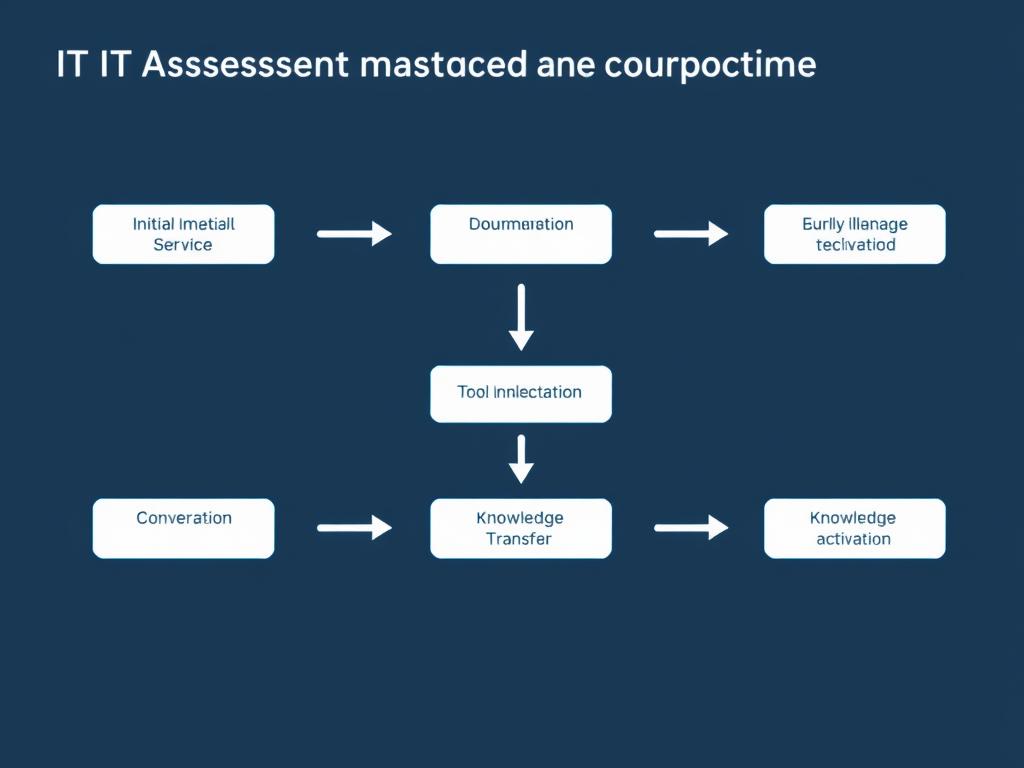
Assessment and Onboarding
The MSP relationship begins with a comprehensive assessment of the existing IT environment, including infrastructure, applications, security posture, and operational processes. This evaluation identifies risks, gaps, and opportunities for improvement that inform the service design.
During onboarding, the MSP implements monitoring tools, establishes baseline metrics, and develops documentation to support ongoing operations. This phase includes knowledge transfer, process integration, and stakeholder alignment to ensure a smooth transition.
Proactive Monitoring and Operations
Once systems are onboarded, the MSP implements continuous monitoring across all managed components. Advanced monitoring tools track performance metrics, detect anomalies, and generate alerts for potential issues before they impact business operations.
Operational activities include routine maintenance, patch management, capacity planning, and performance optimization. These proactive measures maintain system health and prevent disruptions that could affect productivity or customer experience.

Incident, Change, and Problem Management
Despite preventive measures, incidents may still occur. MSPs implement structured incident management processes to ensure rapid response, clear communication, and efficient resolution when issues arise. Incidents are categorized by severity and handled according to defined service level agreements (SLAs).
Change management processes control how modifications to the IT environment are requested, approved, implemented, and verified. This structured approach minimizes risk and prevents changes from causing unintended disruptions.
Continuous Optimization
Effective MSPs continuously analyze performance data, incident patterns, and emerging technologies to identify opportunities for improvement. This may include automating manual processes, optimizing resource allocation, or implementing new tools to enhance service delivery.
Regular service reviews provide transparency into operational performance and align IT activities with evolving business priorities. These reviews typically include analysis of key performance indicators, discussion of improvement initiatives, and strategic planning for future technology needs.
This operational framework ensures that Managed Service Providers deliver consistent, high-quality services that meet defined objectives and support business success. The structured approach provides transparency, accountability, and continuous improvement that traditional IT support models often lack.
Managed Service Provider Architecture
A robust MSP architecture combines technology, processes, and expertise to deliver reliable and secure IT operations. In Sweden, where digital infrastructure is advanced and regulatory requirements are stringent, MSP architectures must be particularly sophisticated and well-designed.
Monitoring and Management Platform
At the core of MSP operations is a centralized monitoring and management platform that provides visibility across all managed systems. This platform collects performance data, generates alerts, and enables remote management of infrastructure and applications.
Advanced MSPs in Sweden implement multi-layered monitoring that tracks not only technical metrics but also business service availability and end-user experience. This comprehensive approach ensures that IT operations align with business priorities.
Security and Compliance Framework
Security is integrated throughout the MSP architecture, with multiple layers of protection including endpoint security, network monitoring, identity management, and threat intelligence. This security framework is designed to detect and respond to threats while maintaining compliance with regulations.
Swedish MSPs must ensure compliance with both local regulations like GDPR and industry-specific requirements. The architecture includes controls, monitoring, and reporting capabilities that support these compliance obligations.
Automation and Integration
Automation is essential for efficient service delivery, enabling MSPs to handle routine tasks consistently and respond quickly to events. Automated workflows handle everything from user provisioning to incident response, reducing manual effort and minimizing human error.
Integration between management tools, service desk systems, and client environments creates a seamless operational experience. This integration enables efficient workflows, accurate reporting, and coordinated activities across the service delivery team.
A well-designed MSP architecture provides the foundation for scalable, secure, and efficient service delivery. It enables Swedish organizations to benefit from enterprise-grade technology management without the complexity and cost of building these capabilities internally.
Managed Service Providers and Compliance in Sweden
Organizations in Sweden operate under some of Europe's most stringent regulatory frameworks. Managed Service Providers play a crucial role in helping businesses navigate these complex compliance requirements while maintaining operational efficiency.
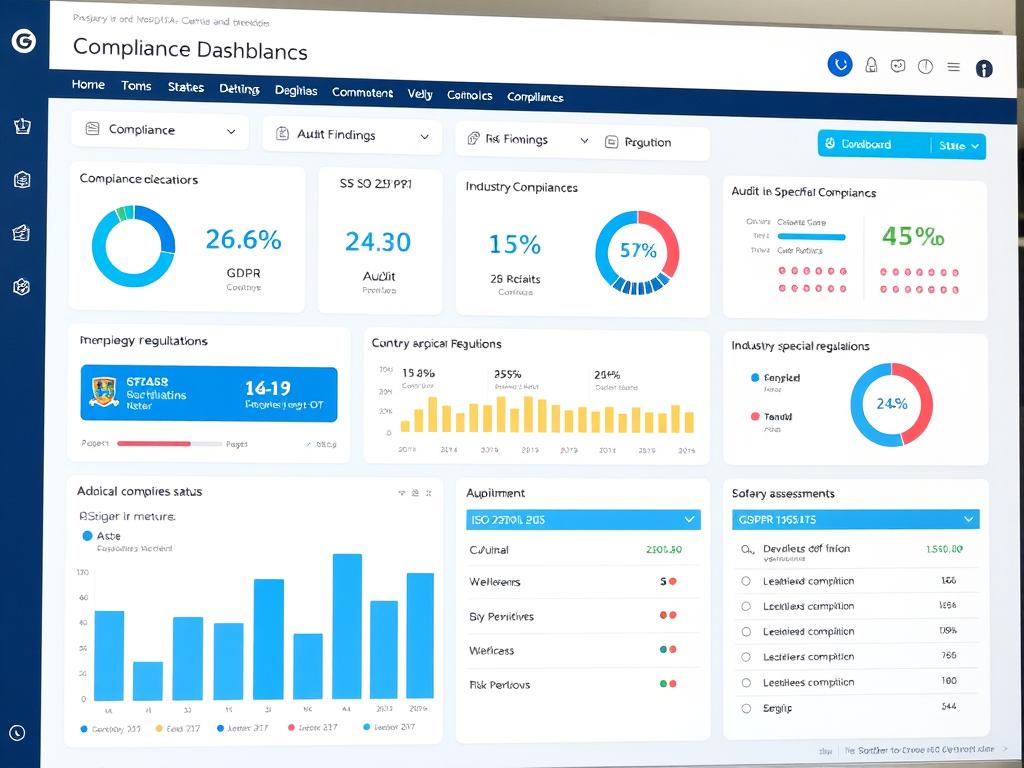
Key Compliance Areas
- Data Protection: GDPR compliance requires strict controls on data processing, storage, and transfer. MSPs implement technical and organizational measures to protect personal data and support data subject rights.
- Industry Regulations: Sector-specific requirements in financial services, healthcare, and public sector demand specialized compliance controls and reporting.
- Security Standards: Frameworks like ISO 27001 provide structured approaches to information security that MSPs can help implement and maintain.
- Business Continuity: Regulatory expectations for operational resilience require robust backup, recovery, and continuity capabilities.
MSP Compliance Approach
Effective Managed Service Providers in Sweden implement a structured compliance program that includes:
- Regular compliance assessments and gap analysis
- Documentation of controls and processes
- Continuous monitoring of compliance metrics
- Regular reporting and audit support
- Incident response procedures for compliance events
By partnering with a knowledgeable MSP, Swedish organizations can maintain compliance with evolving regulations while focusing internal resources on core business activities. The MSP's specialized expertise and established processes provide confidence that compliance obligations are being met consistently and efficiently.
Implementing a Managed Service Provider Successfully
Transitioning to a Managed Service Provider model requires careful planning and execution. Organizations in Sweden can maximize the value of their MSP partnership by following a structured implementation approach:
Step 1: Operational Readiness Assessment

Begin with a comprehensive evaluation of your current IT environment, including infrastructure, applications, security posture, and operational processes. Identify strengths, weaknesses, risks, and improvement opportunities to inform service design.
Document business requirements, service expectations, and critical systems to ensure the MSP solution addresses your specific needs and priorities.
Step 2: Service Scope Definition
 Service level agreement document being reviewed by Swedish IT managers" width="750" height="750" srcset="https://opsiocloud.com/wp-content/uploads/2025/12/Service-level-agreement-document-being-reviewed-by-Swedish-IT-managers.jpeg 1024w, https://opsiocloud.com/wp-content/uploads/2025/12/Service-level-agreement-document-being-reviewed-by-Swedish-IT-managers-300x300.jpeg 300w, https://opsiocloud.com/wp-content/uploads/2025/12/Service-level-agreement-document-being-reviewed-by-Swedish-IT-managers-150x150.jpeg 150w, https://opsiocloud.com/wp-content/uploads/2025/12/Service-level-agreement-document-being-reviewed-by-Swedish-IT-managers-768x768.jpeg 768w" sizes="(max-width: 750px) 100vw, 750px" />
Clearly define the scope of services, responsibilities, and boundaries between internal teams and the MSP. Establish service level agreements (SLAs) that align with business requirements and set realistic expectations for performance.
Develop governance structures, communication protocols, and escalation paths to ensure effective collaboration and issue resolution throughout the engagement.
Step 3: Transition and Stabilization

Implement a phased transition plan that minimizes disruption to business operations. This typically includes deploying monitoring tools, establishing baseline metrics, and gradually transferring operational responsibilities.
Conduct knowledge transfer sessions to ensure the MSP understands your environment, while also training internal teams on new processes and tools introduced by the MSP.
Step 4: Continuous Service Improvement

Establish regular service reviews to evaluate performance against SLAs, discuss improvement initiatives, and align IT activities with evolving business priorities.
Implement a continuous improvement program that identifies opportunities to enhance service quality, increase efficiency, and adopt new technologies that support business objectives.
Successful implementation requires commitment from both the organization and the MSP. By following this structured approach, Swedish businesses can establish a productive partnership that delivers sustainable value and supports long-term success.
Ready to implement managed services for your organization?
Our experts can guide you through each step of the implementation process, ensuring a smooth transition and maximum value from your managed services investment.
Request Implementation Guidance
Business Value of a Managed Service Provider Sweden
Beyond technical operations, a Managed Service Provider delivers significant business value that supports organizational objectives and competitive advantage. Swedish businesses partnering with MSPs typically realize benefits in several key areas:
Operational Excellence
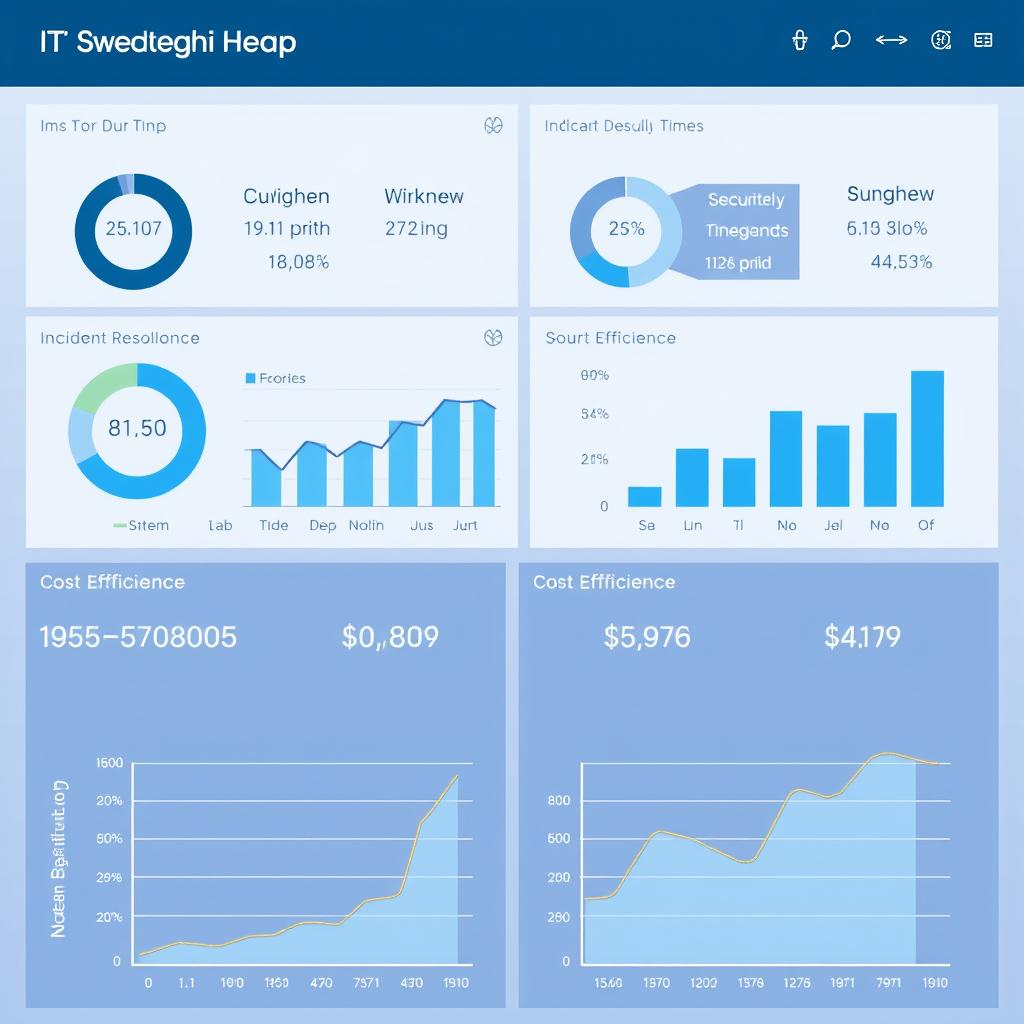
- Improved system availability and performance
- Faster incident resolution and reduced downtime
- Standardized processes and consistent service delivery
- Enhanced visibility and reporting on IT operations
Financial Benefits
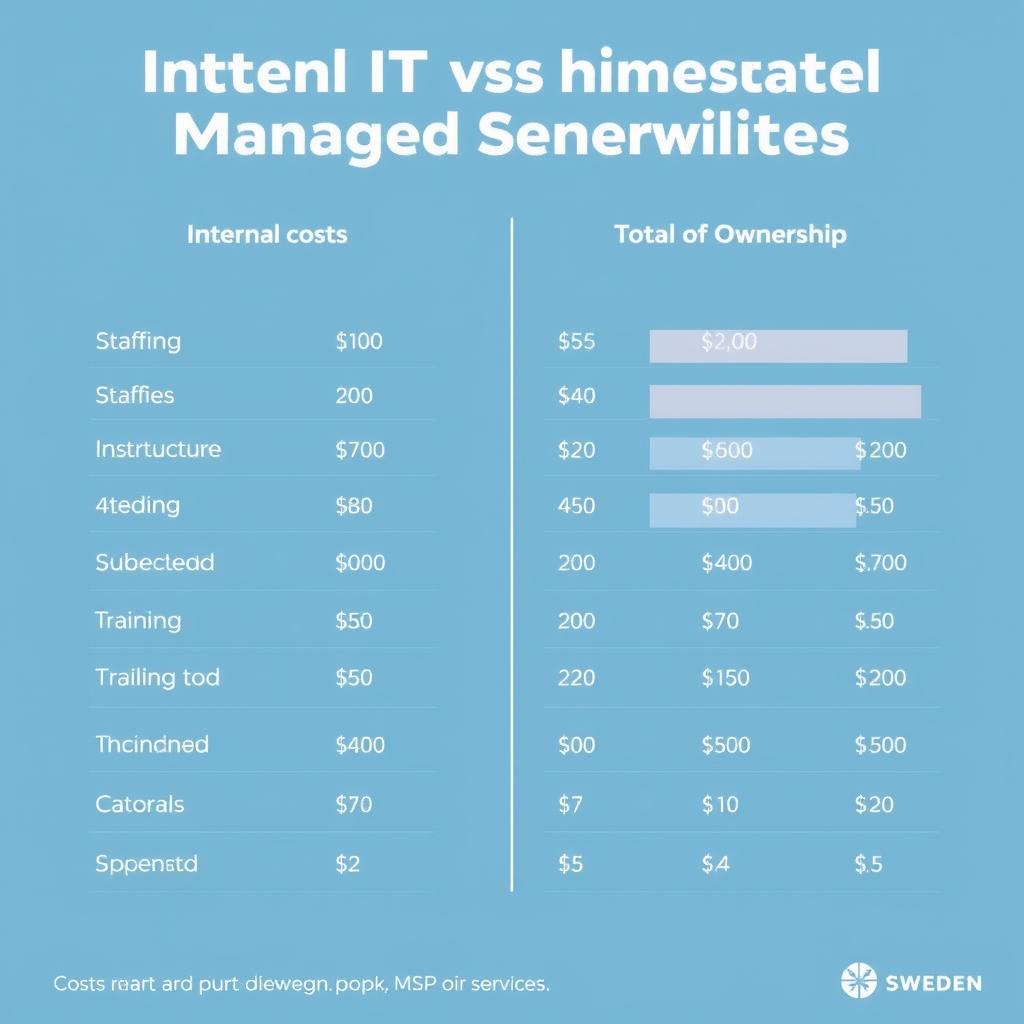
- Predictable monthly costs instead of variable expenses
- Reduced capital expenditure on infrastructure
- Optimized resource allocation and utilization
- Lower total cost of ownership for IT systems
Strategic Advantages

- Access to specialized expertise and best practices
- Ability to focus internal resources on core business
- Improved agility and faster technology adoption
- Enhanced security posture and compliance
The cumulative impact of these benefits creates significant business value that extends beyond IT operations. Organizations that effectively leverage their MSP partnership gain operational stability, financial efficiency, and strategic advantages that support sustainable growth and competitive differentiation in the Swedish market.
Common Challenges When Working with a Managed Service Provider
While Managed Service Providers offer significant benefits, organizations may encounter challenges during implementation and ongoing operations. Understanding these potential hurdles can help Swedish businesses prepare for and mitigate them effectively:
Integration Challenges
- Legacy Systems: Older systems may lack modern management interfaces and monitoring capabilities, making them difficult to integrate into MSP operations.
- Complex Environments: Hybrid infrastructures with multiple platforms and technologies require specialized expertise and integration approaches.
- Custom Applications: Proprietary or heavily customized applications may require specialized knowledge transfer and documentation.
Organizational Challenges
- Resistance to Change: Internal teams may resist the transition to an MSP model due to concerns about roles, responsibilities, or job security.
- Unclear Expectations: Misalignment on service scope, performance metrics, or improvement priorities can lead to dissatisfaction.
- Communication Gaps: Ineffective communication channels or processes can hinder collaboration and issue resolution.

Mitigation Strategies
Successful MSP partnerships address these challenges through:
- Clear Governance: Establish structured oversight, decision-making processes, and performance reviews.
- Detailed Documentation: Maintain comprehensive documentation of systems, processes, and responsibilities.
- Change Management: Implement formal change management to support the transition and ongoing evolution.
- Regular Communication: Schedule consistent touchpoints at operational, tactical, and strategic levels.
- Continuous Improvement: Commit to ongoing evaluation and enhancement of the partnership.
By anticipating these challenges and implementing appropriate mitigation strategies, organizations in Sweden can establish productive MSP relationships that deliver sustainable value and support business objectives.
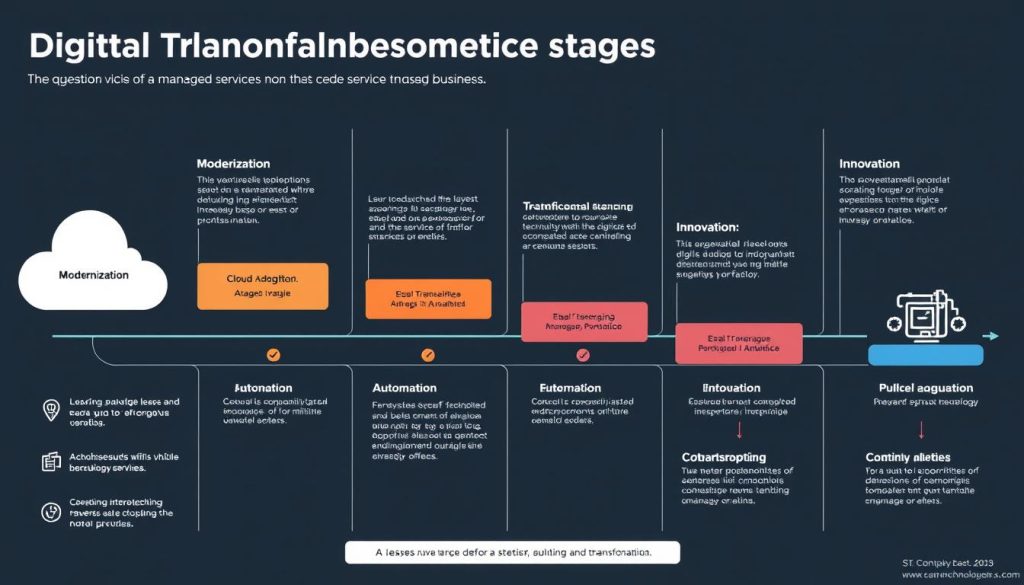
Managed Service Provider as a Foundation for Digital Growth
Beyond day-to-day operations, a Managed Service Provider creates a stable foundation that enables Swedish organizations to pursue digital innovation and business transformation. By ensuring reliable, secure, and efficient IT operations, MSPs free up resources and create the conditions for strategic initiatives.
Enabling Cloud Transformation
MSPs provide the expertise and operational framework to support successful cloud adoption. This includes migration planning, hybrid environment management, cost optimization, and security controls that enable organizations to leverage cloud capabilities while managing risks.
With a strong operational foundation, businesses can confidently pursue cloud-native applications, infrastructure modernization, and flexible delivery models that enhance agility and innovation.
Supporting Data-Driven Initiatives
Reliable data infrastructure is essential for analytics, artificial intelligence, and business intelligence initiatives. MSPs ensure that data systems are available, performant, and secure, creating the conditions for successful data-driven transformation.
By managing the underlying technology platforms, MSPs enable organizations to focus on extracting business value from their data rather than maintaining the supporting infrastructure.
Accelerating Digital Innovation
Innovation requires experimentation and rapid iteration, which depend on flexible, reliable IT environments. MSPs provide the operational stability and scalability that support innovation initiatives without compromising core business systems.
With managed services handling routine operations, internal teams can focus on strategic projects that drive competitive differentiation and business growth in the Swedish market.
The most successful MSP partnerships in Sweden evolve from tactical support to strategic enablement. As operational maturity increases, the relationship expands to include technology planning, innovation support, and business transformation initiatives that create lasting competitive advantage.
Getting Started with a Managed Service Provider in Sweden
Selecting and implementing the right Managed Service Provider is a significant decision that impacts operational performance, security posture, and business agility. Organizations in Sweden can approach this process strategically to ensure a successful partnership:
Preparation Steps
- Define Your Objectives: Clearly articulate what you want to achieve through an MSP partnership, including operational, financial, and strategic goals.
- Assess Your Environment: Document your current IT landscape, including infrastructure, applications, security controls, and operational processes.
- Identify Requirements: Determine specific service needs, performance expectations, and critical success factors for your MSP engagement.
- Evaluate Internal Readiness: Assess your organization's readiness for the transition, including stakeholder alignment, documentation, and change management capabilities.
Selection Criteria
- Service Capabilities: Ensure the MSP offers the specific services you need, with appropriate depth and expertise.
- Industry Experience: Look for experience with similar organizations and understanding of your industry's specific requirements.
- Security and Compliance: Verify the MSP's security controls, certifications, and compliance capabilities.
- Operational Maturity: Assess the MSP's processes, tools, and methodologies for service delivery.
- Cultural Alignment: Consider how well the MSP's values, communication style, and approach align with your organization.
A successful MSP engagement starts with clarity around business goals, operational needs, and risk tolerance. By taking a structured approach to selection and implementation, Swedish organizations can establish productive partnerships that deliver sustainable value and support long-term success.

Frequently Asked Questions About Managed Service Provider Sweden
What types of organizations use a Managed Service Provider in Sweden?
Organizations of all sizes and across all industries in Sweden leverage Managed Service Providers. Small and medium businesses often use MSPs to access enterprise-grade IT capabilities without building large internal teams. Large enterprises typically use MSPs to supplement internal resources, manage specific technology domains, or support digital transformation initiatives. Public sector organizations, financial institutions, healthcare providers, manufacturing companies, and professional services firms are among the most common MSP clients in the Swedish market.
Can a Managed Service Provider support hybrid environments?
Yes, modern Managed Service Providers in Sweden are well-equipped to support hybrid environments that combine on-premises infrastructure, private cloud, and public cloud services. They implement monitoring, management, and security tools that work across these diverse environments, providing unified operations and consistent service levels. MSPs with hybrid expertise can help organizations optimize workload placement, manage data flows between environments, and implement appropriate security controls across the entire technology landscape.
Are Managed Service Provider services scalable?
Managed Service Provider offerings are designed to scale with organizational needs. Services can be expanded to cover additional systems, locations, or technology domains as businesses grow. Service levels can be adjusted to meet changing performance requirements, and specialized services can be added to address emerging needs. This scalability allows organizations to start with focused services addressing specific pain points, then expand the relationship as they realize value and build confidence in the MSP partnership.
How do Managed Service Providers ensure security and compliance in Sweden?
MSPs in Sweden implement comprehensive security programs that include technical controls, operational processes, and governance frameworks. They typically maintain certifications like ISO 27001 and employ security specialists who stay current with evolving threats and compliance requirements. Security services often include continuous monitoring, vulnerability management, identity protection, and incident response capabilities. For compliance, MSPs implement controls and reporting aligned with relevant regulations, conduct regular assessments, and provide documentation to support audit requirements.
Transform your IT operations with expert management
Contact us today to discuss how our Managed Service Provider solutions can help your organization achieve reliable, secure, and scalable IT operations in Sweden.
Conclusion
A Managed Service Provider in Sweden offers organizations a structured, secure, and scalable way to operate IT environments in a demanding digital landscape. By moving from reactive support to proactive operations, organizations gain stability, efficiency, and long-term control over their technology resources.
The most successful MSP partnerships evolve beyond tactical support to become strategic relationships that enable business transformation and competitive advantage. With the right provider and approach, organizations can build a strong operational foundation that supports sustainable growth and innovation in the Swedish market.
As technology continues to evolve and business demands increase, the role of Managed Service Providers will become even more critical in helping organizations navigate complexity, manage risk, and leverage new capabilities. By establishing effective MSP partnerships today, Swedish businesses position themselves for success in an increasingly digital future.