

Did you know that cybersecurity incidents in India exploded from 290,000 in 2018 to nearly 1.5 million in 2021? This huge jump shows how serious the problem is. Every business leader needs to take action fast.
Every day, Indian organizations face tough digital attacks. These attacks cost a lot more than just money. Data breaches can cost millions in penalties and damage customer trust permanently. Choosing the right protection is crucial for your business's future.
Finding the right Cyber Security Packages in India is tough. You have to balance your budget with the need for strong defense. This guide will help you choose IT security solutions with confidence. We'll cover everything from key features to how to pick a provider.
We want to make sure your cybersecurity protection fits your business security planning. This way, your organization can grow in India's fast-changing digital world. By 2026, India will need nearly one million security professionals.
Key Takeaways
- Cybersecurity incidents in India surged by 417% between 2018 and 2021, making comprehensive security packages essential for business survival and growth.
- The right security package is a strategic business decision that directly impacts organizational resilience, reputation, and long-term competitiveness in the digital economy.
- India's cybersecurity market will need nearly one million workers by 2026, highlighting the massive industry expansion and growing importance of robust protection strategies.
- Effective security selection requires balancing technical capabilities with budget constraints while ensuring alignment with specific industry compliance requirements and operational workflows.
- Data breaches can result in millions of dollars in financial losses, regulatory penalties, and permanent damage to customer trust, making prevention far more cost-effective than recovery.
- Choosing security solutions demands evaluation of fundamental features, provider credentials, emerging technology trends, and scalability to support future business expansion.
Understanding Cyber Security Packages
Choosing the right security starts with knowing what makes a good cyber protection solution. It's important to understand the basics of these packages before you start looking. This knowledge helps you make choices that fit your business's needs and risk level.
Knowing the basics makes picking the right package easier. It helps you find solutions that really add value, not just sound good.
Comprehensive Protection Bundles Explained
Cyber security packages are a mix of technologies and services that protect your digital world. They include network security, data protection, and endpoint security. These work together to keep your digital assets safe from cyber threats.
Good packages do more than just fight viruses. They have threat detection systems that catch suspicious activities early. This means they protect your security at every level, from devices to cloud data.
Today's packages also include ongoing monitoring and automated updates. They scan for vulnerabilities and respond quickly to threats. This multi-layered approach keeps your organization safe, even if one defense fails.
Critical Business Imperatives
Cyber security is crucial in today's fast-changing business world. In India, digital transformation has made businesses more vulnerable to attacks. Every connected device and digital process is a potential entry point for cybercriminals.
Successful cyber attacks can cause huge financial losses. They can disrupt operations, lead to legal issues, and damage your reputation. Without strong threat protection, businesses face serious risks to their survival.
Data breach protection is key because your data is your most valuable asset. It includes customer records, financial data, and business plans. Keeping this information safe is essential for business continuity and compliance with laws like India's Personal Data Protection Bill.
Essential Components for Maximum Defense
Effective cyber security packages have several key features. Real-time threat monitoring is at the heart of modern security. It detects and responds to threats quickly, preventing major damage.
Regular updates and patch management keep your defenses strong against new threats. Network security providers offer packages that include vulnerability assessments. These help find and fix weaknesses before attackers can exploit them.
Integration is also crucial. Security solutions must work well with your existing IT without causing problems. The best packages fit into your environment without requiring big changes to your technology.
| Package Component | Primary Function | Business Benefit | Implementation Level |
|---|---|---|---|
| Real-Time Monitoring | Continuous threat detection and analysis | Immediate response to emerging threats | Network-wide deployment |
| Data Breach Protection Services | Encryption and access control management | Safeguards sensitive business information | Application and database level |
| Endpoint Security | Device-level threat protection | Secures all organizational devices | Individual workstations and mobile devices |
| Network Security Providers | Perimeter defense and traffic monitoring | Prevents unauthorized network access | Gateway and firewall level |
| Incident Response | Coordinated threat containment | Minimizes damage from successful attacks | Organization-wide protocols |
Automated response is a key feature. It allows systems to act fast when threats are found, like isolating devices. This is important because cyber attacks happen so quickly, and humans can't always react fast enough.
Scalability is also important. As your business grows, your security should too. This way, you don't have to replace everything as your needs change. In India's fast-paced market, this flexibility is crucial.
Types of Cyber Security Packages Available
Exploring cyber security options for your organization is key. Knowing the main types of security service models helps you find the right fit. The Indian market offers many packages, but understanding these categories empowers you to choose wisely. Each approach offers unique capabilities to address different digital security needs.
Today, organizations face many vulnerability points across their technology. From employee devices to cloud platforms, each layer needs specialized protection strategies. The core options available to Indian businesses include comprehensive security coverage.
Comprehensive Protection Through Managed Security Service Providers
Managed security services are a strong way to protect your digital assets. These providers handle your security needs on an ongoing basis. They extend your IT team's capabilities without a huge investment.
Choosing this approach gives you access to specialized expertise. The provider's security operations center analyzes threats and responds in real-time. This is especially helpful for organizations lacking dedicated security staff.
Managed security services offer more than just monitoring. They provide strategic guidance and help you prioritize security efforts. For Indian companies facing cyber attacks, this proactive approach is more effective than reactive ones.
Securing Your Cloud Infrastructure
Cloud security solutions are crucial as more organizations move to platforms like AWS and Azure. These packages address the unique vulnerabilities of shared cloud infrastructures. They provide cloud protection through configuration management and access controls.
Cloud environments introduce complexities like data sovereignty and multi-tenancy risks. Effective cloud protection solutions offer visibility and identify misconfigurations. They also manage identity and access policies and provide automated compliance reporting.
Organizations using multiple cloud providers face complexity in maintaining consistent security policies. Comprehensive cloud security packages integrate with major cloud platforms. They offer centralized security management that strengthens your defense posture.
Protecting Individual Devices and Access Points
Endpoint security packages protect individual devices like laptops and mobile phones. These devices are prime targets for cybercriminals. Modern endpoint protection uses behavioral analysis to identify threats.
The rise of remote work has expanded the endpoint security challenge. Employees accessing corporate resources from various locations create many potential entry points. Advanced endpoint security packages provide application control and real-time threat intelligence.
The best endpoint solutions integrate with your broader security infrastructure. They share threat intelligence and enable rapid isolation of compromised devices. For organizations with distributed workforces, robust endpoint protection is crucial.
Defending Network Perimeter and Internal Infrastructure
Network security solutions defend your digital operations' backbone. They use firewalls and intrusion detection systems to limit threat movement. Protecting your network infrastructure ensures damage containment.
Effective network security requires multiple layers of defense. Next-generation firewalls analyze traffic at the application layer. Intrusion prevention systems identify and block attacks. Network segmentation isolates zones to prevent breaches from spreading.
The evolution of enterprise cybersecurity has made network security more intelligent. Modern solutions use threat intelligence and machine learning to identify threats. For organizations handling sensitive data, comprehensive network security is essential.
| Security Package Type | Primary Protection Focus | Key Benefits | Ideal For |
|---|---|---|---|
| Managed Security Services | Comprehensive monitoring and management across all security layers | 24/7 expert oversight, reduced internal resource requirements, continuous threat hunting | Organizations lacking dedicated security teams or seeking advanced capabilities |
| Cloud Security Solutions | Cloud infrastructure, applications, and data protection | Multi-cloud visibility, automated compliance, configuration management | Businesses with significant cloud infrastructure or multi-cloud environments |
| Endpoint Security Packages | Individual device protection including laptops, mobile devices, and workstations | Remote device protection, behavioral analysis, application control | Organizations with distributed workforces or extensive mobile device usage |
| Network Security Solutions | Network perimeter defense and internal traffic monitoring | Threat containment, traffic analysis, segmentation capabilities | Enterprises with complex network infrastructure or handling sensitive data |
Understanding these security service models helps you build a layered defense strategy. Most businesses benefit from combining multiple package types. This creates overlapping protection across your technology stack.
Assess which combination of packages aligns with your infrastructure, budget, and risk profile. The right mix depends on your industry, regulatory requirements, and data sensitivity. By matching security packages to your needs, you maximize protection and optimize your investment.
Factors to Consider When Choosing a Package
Choosing the right cyber security package for your business is a detailed process. It involves looking at several important factors. These factors help ensure the solution fits well with your business operations and protects against new threats.
It's not just about buying the most advanced technology. True security comes from matching the solution with your business needs and growth plans. In India, companies are learning that their security choices today shape their future against cyber threats.
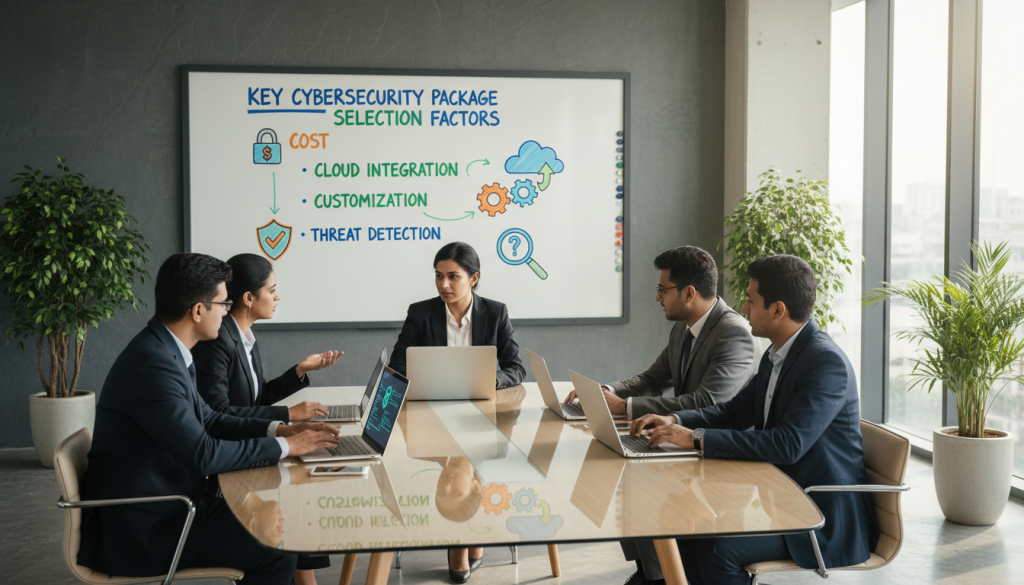
Business leaders face many considerations in the cyber world. Each factor affects others, creating either strong protection or problems. We suggest seeing package selection as a strategic move, not just a quick buy.
The right choice helps your business grow, while the wrong one can leave it vulnerable for years.
Strategic Approach to Financial Planning
Financial planning is key for all businesses, especially small ones. They have to balance limited resources with the need to protect against cyber threats. We urge leaders to see cybersecurity as a vital investment, not just a cost.
This investment protects revenue, keeps customer trust, and ensures business continuity. It's a way to stay ahead of competitors who might face big breaches.
Studies show companies are willing to pay well for skilled cybersecurity experts. This shows the value of protecting digital assets from hackers. Investing in good security solutions is just as important.
When working with cybersecurity consulting India firms, plan your security investment in phases. Start with the most critical assets and vulnerabilities. Then, grow your protection as your business grows and gets more resources.
This way, smaller businesses can protect their most valuable data right away. They can plan for more protection as they get more money.
Integration with Current Technology Environment
How well a security package fits with your current IT is very important. Sometimes, businesses overlook this and face problems later. Good technology integration means checking how new security will work with your current systems before you buy.
Do thorough testing to see if the new security works well with your systems. Check technical specs, workflows, and how it affects users. This ensures smooth integration without problems.
Think about how the package will work with future technology changes. Your IT will change, and your security needs to adapt without needing a full replacement. The best packages are flexible and can protect both old and new systems.
Ongoing Assistance and System Optimization
The support and maintenance offered by security packages vary a lot. Some offer basic help, while others provide 24/7 expert support. We recommend choosing packages with strong support because security issues don't wait for business hours.
Having quick access to cybersecurity consulting India experts during a breach is crucial. It can make a big difference between a small issue and a major problem.
Having threat intelligence platforms in your package helps you stay ahead of threats. These platforms give you insights into new threats and how to defend against them. This helps your security team be proactive, not just reactive.
Also, look at the maintenance included in the package. Check how often updates are made, how patches are handled, and if there are services to optimize your system. Regular maintenance keeps your security up to date and effective.
| Consideration Factor | Key Questions to Ask | Impact on Selection |
|---|---|---|
| Budget Allocation | What is the total cost of ownership? Can we implement in phases? | Determines scope of initial protection and expansion timeline |
| System Compatibility | Does it work with our current infrastructure? What integration support is provided? | Affects implementation complexity and hidden costs |
| Support Availability | Is support available 24/7? What response times are guaranteed? | Influences incident resolution speed and business continuity |
| Threat Intelligence | Are threat intelligence platforms included? How current is the threat data? | Determines proactive defense capabilities and situational awareness |
By carefully looking at these factors, you can find a cyber security package that offers both immediate and long-term benefits. The right package helps your business grow securely in a dangerous digital world. The experience and skills of the security team supporting your package are key to its success.
The Role of Compliance in Cyber Security
In India, the rules for cyber security have changed a lot. Now, it's as important to follow the rules as it is to have good security. Regulatory compliance means following specific rules, keeping records, and reporting. This is key for companies to meet legal standards.
The Data Security Council of India says the cyber security market is growing fast. This growth is mainly because of the need to follow new legal frameworks.
Now, 81% of Indian businesses invest in cyber security because of the law. This shows how legal requirements are driving the need for better security. It has changed how companies choose and check security solutions.
Understanding India's Regulatory Framework
We help companies understand the many rules for cyber security in India. The Information Technology Act sets basic security rules for all digital information.
The Digital Personal Data Protection Act (DPDP) of 2023 is a big change. It sets strong data protection standards like the GDPR. This law has made companies spend more on following privacy rules.
There are also rules for specific sectors. The Reserve Bank of India has strict rules for banks. Healthcare companies must follow special legal requirements to protect patient data.
Why Data Protection Laws Matter for Business
Data protection laws are important for more than just avoiding fines. They help businesses stay competitive and build trust with customers. Following data protection standards shows customers that a company values their privacy.
Companies that follow the rules well can get ahead. They can win contracts with big companies and governments. This makes following the rules a key business strategy.
Not following the rules can lead to big problems. Companies might face huge fines, have to stop some activities, or lose customer trust. These issues can affect a company's success for a long time.
| Compliance Framework | Applicable Sectors | Key Security Requirements | Enforcement Authority |
|---|---|---|---|
| Digital Personal Data Protection Act (DPDP) 2023 | All organizations processing personal data | Consent management, data minimization, breach notification within 72 hours | Data Protection Board of India |
| RBI Cyber Security Framework | Banks, NBFCs, payment systems | Board-level oversight, incident reporting, data protection standards for financial information | Reserve Bank of India |
| Information Technology Act Section 43A | Body corporates handling sensitive data | Reasonable security practices, compensation for data breaches | Cyber Appellate Tribunal |
| SEBI Cybersecurity Guidelines | Stock exchanges, brokers, depositories | Security audits, vulnerability assessments, incident response plans | Securities and Exchange Board of India |
How Regulations Shape Package Selection
Regulatory compliance affects how companies choose security packages. They need to find packages that meet specific rules, like encryption standards.
Logging and monitoring are key. Companies must keep detailed records of who accessed what data. These records help with audits and show they follow the rules.
Data residency controls are also important. Companies must make sure data stays in certain areas as required by law. We help clients check if packages meet these requirements.
Incident notification systems are crucial. They help companies report breaches quickly, as the law requires. Packages that make this easier reduce risks and save time during emergencies.
Ransomware protection is now a big deal because of the law. Companies hit by ransomware must notify people and report to authorities. They also need to show they had good security before the attack.
We stress the importance of strong ransomware protection. This includes many things like stopping attacks at the start, keeping data safe, and training employees. Packages with these features help companies meet legal standards and avoid big problems.
Evaluating the Providers
The quality of your cyber security protection depends on the provider's expertise and credibility. Even the best technology can't make up for a vendor's lack of experience or resources. It's crucial to carefully choose from the many Cyber Security Packages in India.
The provider's skills are as important as the technology itself. A top-notch security package won't work if the vendor can't set it up or keep it running. This makes it key to evaluate vendors carefully before making a choice.
Building Trust Through Track Record
Reputation and experience show a provider's ability to offer reliable security over time. Look into how long potential vendors have been in the business and their past clients. Big names like IBM, Cisco, Microsoft, Amazon, and Google have proven their worth through years of innovation and success.
Experience in your industry is very valuable. It means the provider understands your specific challenges and threats. They know the unique issues you face and can offer tailored solutions.
Looking at a vendor's past performance can tell you a lot about their future reliability. Check how they handled major security incidents or challenges. Their response shows their true character and ability to handle pressure.
Learning From Real Customer Experiences
Customer reviews and testimonials offer real insights into working with a provider. Look for detailed case studies that show measurable results. These stories provide context that specs and features can't.
Talking to references directly can help you ask important questions. Use independent review platforms to see what customers really think. Pay attention to comments on responsiveness during security incidents and the quality of support.
Real users can tell you if the provider's security systems work well. They can share if the system blocked real threats or caused any disruptions. This helps you understand how well the security fits into your workflow.
Organizations using best managed SOC services in India value provider expertise and quick response. These services need constant monitoring and fast incident response, which only experienced vendors can provide.
Validating Credentials and Standards
Certifications and accreditations show a provider's skills and commitment to security. When looking at Cyber Security Packages in India, check if providers have relevant industry credentials. These certifications prove a provider's adherence to best practices.
ISO 27001 certification shows a provider follows strict data protection frameworks. SOC 2 compliance indicates strong security controls and data protection. These credentials mean auditors have verified the provider's security practices.
Technical staff certifications add to your confidence in a provider's abilities. Certifications like CISSP, CEH, and OSCP show deep technical knowledge and ongoing learning. Top companies like Deloitte, Accenture, CrowdStrike, FireEye, and Palo Alto Networks invest in these certifications, showing their commitment to excellence.
| Certification Type | What It Validates | Why It Matters | Renewal Requirements |
|---|---|---|---|
| ISO 27001 | Information security management system compliance | Demonstrates systematic approach to protecting sensitive data | Annual surveillance audits plus full recertification every three years |
| SOC 2 Type II | Security controls effectiveness over time | Proves operational security measures work consistently | Annual examination by independent auditors |
| CISSP | Advanced security knowledge and experience | Ensures technical staff possess comprehensive expertise | Continuing professional education credits annually |
| PCI DSS | Payment card data security standards | Critical for organizations handling financial transactions | Annual assessment and quarterly network scans |
Industry-specific accreditations give you extra confidence in a provider's knowledge of your sector. For example, healthcare needs HIPAA compliance, and finance needs RBI guidelines. These credentials show the vendor's ability to meet your industry's complex requirements.
Customization of Cyber Security Packages
Every business in India faces unique cyber threats. That's why we focus on creating custom IT security solutions. These solutions are tailored to fit each company's specific needs and risks.
Generic packages often don't fit well. They might include features you don't need and miss important ones. Custom packages ensure your security investment is used wisely.
We work with businesses to identify their unique security needs. Then, we create protection strategies that fit. This approach leads to better security and better use of resources.
Tailoring Solutions for Different Industries
Each industry has its own security challenges. For example, healthcare needs to protect patient data while keeping systems running. Financial institutions must fight off fraud and protect customer data.
Manufacturing companies face threats to their systems and data. IT services firms handle sensitive client data. We help each industry with solutions that meet their specific needs.
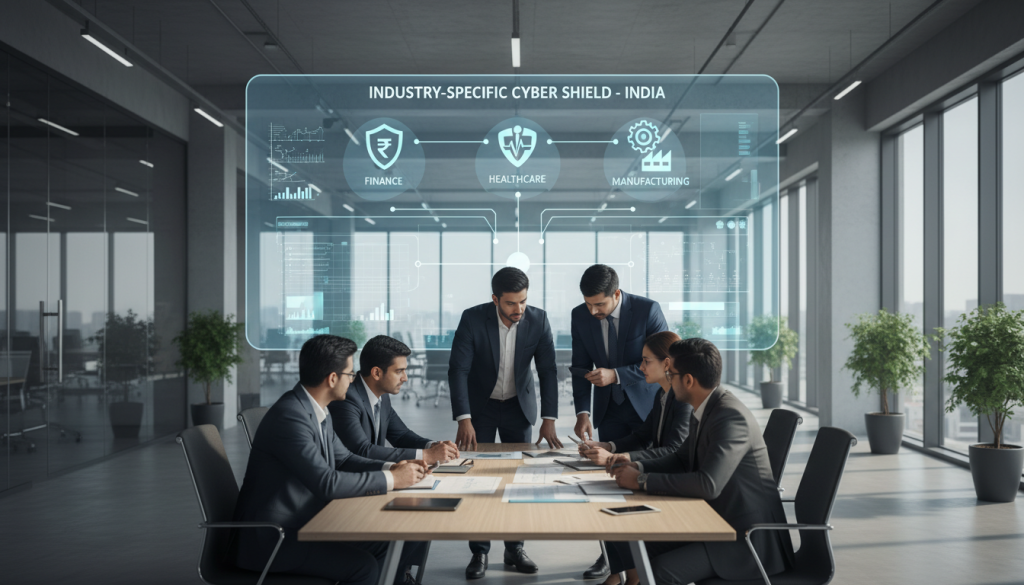
Government agencies and telecom providers have their own security needs. We make sure each industry gets the right protection without unnecessary complexity.
Scalability of Services
Your security needs will change as your business grows. It's important to choose scalable cybersecurity packages. Growth means new markets, employees, and infrastructure, all of which increase your attack surface.
New technologies like IoT and AI bring new security challenges. Your protection framework must grow with your business. We design solutions that can adapt to new threats.
New threats will emerge as attackers find new ways to attack. Scalable solutions can keep up with these changes. This means you won't have to replace your security setup all at once.
Expanding into new markets means facing new regulations and threats. Scalable security architectures can handle these changes easily. We help your security grow with your business, both up and out.
Flexibility in Pricing Models
Businesses want to make the most of their security spending. We offer flexible pricing models to fit your budget and needs. This way, you can plan your security spending more easily.
The table below shows some common pricing models:
| Pricing Model | Structure | Best Suited For | Key Advantage |
|---|---|---|---|
| Annual License | Fixed yearly fee for defined scope | Stable organizations with predictable needs | Budget certainty and simplified planning |
| Consumption-Based | Pay for actual services utilized | Variable workloads and seasonal businesses | Cost directly aligned with usage |
| Per-User/Device | Pricing scales with endpoints | Growing companies adding employees | Transparent scaling costs |
| Tiered Packages | Basic to advanced feature levels | Organizations with evolving requirements | Start small and expand capabilities |
| Hybrid Model | Fixed baseline plus variable charges | Enterprises with core and flexible needs | Balanced predictability and flexibility |
Consumption-based pricing is popular for its flexibility. You only pay for what you use. This is great for businesses with changing needs.
Per-user or per-device pricing makes budgeting easy as you grow. Tiered packages let you add features as you need them. This way, you don't have to deal with too much complexity too soon.
Hybrid models offer a balance between fixed and variable costs. We help you structure your security spending to fit your financial plans. The right pricing model ensures continuous protection without financial strain.
We believe in making security accessible to all businesses. Effective protection should be available to businesses at every stage of growth. That's why we offer customizable packages with flexible pricing that grows with your business.
Trends in Cyber Security for Businesses in India
India's digital economy is growing fast, changing how companies protect themselves online. New technologies and threats are both challenges and chances for businesses. Cloud computing, remote work, and digital payments have changed the threat scene.
Business leaders need to know these trends to pick the right cyber security. This ensures their operations stay safe from current and future threats. It keeps their security investments up to date.
Today, traditional defenses are not enough. Companies must think about new threats and their specific needs. This helps them stay ahead by protecting their data and operations.
The Growing Wave of Digital Threats
Cyber attacks in India have skyrocketed, from 290,000 in 2018 to nearly 1.5 million in 2021. This shows a big change in how attacks happen. Now, companies face over 2,000 cyberattacks per week on average in the first quarter of 2023.
Remote work has made things worse, as home networks lack strong security. More devices in businesses mean more points for hackers to attack. Ransomware has become more complex, with professional groups behind it.
Supply chain attacks are a big worry, as hackers target trusted vendors. This can hit many companies at once. Dark web tools make it easy for beginners to cause big problems. This means businesses must be very careful with their security.
Innovative Technologies Reshaping Defense Strategies
New technologies are changing how we fight cyber threats. They help detect threats faster and respond better. Knowing these technologies helps leaders choose the right security for their needs.
Threat intelligence platforms are getting better at finding patterns in data. They help companies be proactive instead of just reacting. Blockchain is also changing how we manage identities and transactions.
Quantum-resistant cryptography is preparing us for future threats. It will protect our data when current encryption fails. IoT security is also improving, making devices safer without slowing them down.
- Advanced threat intelligence platforms providing real-time analysis of global attack patterns and indicators of compromise
- Blockchain security applications for immutable identity verification and secure distributed ledger systems
- Quantum-resistant encryption preparing organizations for post-quantum computing era security requirements
- Specialized IoT protection securing the expanding universe of connected devices in business environments
- Zero-trust architecture implementations eliminating implicit trust and continuously verifying every access request
Artificial Intelligence Transforming Security Operations
AI is changing cyber security a lot. Machine learning can spot threats faster than humans. It learns from new data, getting better at finding new threats.
AI is great at analyzing behavior, spotting unusual activity. It can respond quickly to threats, reducing damage. Predictive analytics help find vulnerabilities before they're exploited.
Leading security services use AI to monitor and detect threats. This helps them stay ahead of attacks. AI reduces false alarms, letting teams focus on real threats.
| Time Period | Attack Volume | Dominant Threat Types | Defense Technologies |
|---|---|---|---|
| 2018 | 290,000 annual incidents | Phishing campaigns, basic malware, credential theft | Antivirus software, firewalls, manual monitoring |
| 2021 | 1.5 million annual incidents | Ransomware operations, supply chain attacks, IoT exploits | Endpoint detection, SIEM platforms, basic automation |
| Q1 2023 | 2,000+ weekly attacks per organization | AI-powered attacks, zero-day exploits, deepfake social engineering | AI security systems, quantum-resistant crypto, automated response |
| Projected 2026 | 4,000+ weekly attacks per organization | Quantum computing threats, sophisticated AI attacks, autonomous malware | Fully integrated AI defense, predictive threat hunting, zero-trust architecture |
Knowing these trends helps leaders make smart cyber security choices. The mix of new threats, technologies, and AI means companies must plan ahead. Those who choose the right security packages will stay safe as threats grow.
Best Practices for Implementing Cyber Security
Effective security implementation turns purchased packages into real protection. This happens through specific practices that bridge the gap between technology and security culture. Even the most advanced solutions fail without proper deployment and integration into your operations.
Organizations in India are learning that sustainable security is more than just technology. It requires a mix of people, processes, and technology. This approach ensures every part of your organization works together to protect it, not create vulnerabilities.
Building Security Awareness Through Training
Human error is the main cause of security breaches. Employee education is your best defense. Training programs should teach staff to recognize and respond to threats.
Training should cover current threats like phishing and password security. Employees need to see how security affects them personally. When they understand this, they become more engaged.
Creating a culture where employees feel safe reporting suspicious activities is key. Many breaches happen because workers are afraid to report concerns. We suggest setting up clear reporting channels and rewarding vigilant behavior.
Simulated phishing exercises give employees real-world experience. These tests help them learn to spot threats and identify who needs more training. The goal is to improve your human security layer, not punish mistakes.
Conducting Systematic Security Assessments
Regular security audits are vital for your protection infrastructure. They find vulnerabilities before attackers do. We recommend a scheduled program that checks both technical controls and operational procedures.
Organizations should do internal reviews and also get external audits. Internal checks monitor issues closely. External audits bring fresh perspectives that can uncover blind spots.
These thorough evaluations check if your security services are doing their job. They look at technical controls, policy compliance, and data handling. Many breaches happen because of basic security failures that audits could have caught.
Documenting audit findings and tracking fixes ensures vulnerabilities are addressed. Set clear timelines for fixing issues based on their risk level.
Preparing for Inevitable Security Incidents
Incident management planning is crucial. It determines if security events disrupt or devastate your operation. Preparation is key to quick recovery, not just reacting to incidents.
Documented response procedures define roles and responsibilities during security events. Clear plans prevent confusion and delays. Your plan should outline who does what during an incident.
Advance planning for notifying stakeholders is essential. India's data protection laws require specific notifications. Not knowing these laws during a breach wastes time and increases risks.
Technical playbooks for different incident types help respond quickly and effectively. These guides should cover common scenarios like ransomware and data breaches. Clear procedures help responders act decisively.
Regular tabletop exercises test your plans and find gaps. These simulations walk through scenarios with your team. We've seen that quarterly exercises lead to better incident responses than just having plans.
Identifying external resources and specialists before incidents helps. Establish relationships with forensic investigators and legal advisors. Trying to find them during a breach adds complexity.
Integrating data breach protection services into your incident response framework ensures smooth coordination. Your network security providers should know their roles and have clear communication channels. This preparation turns chaos into coordinated action.
Conclusion
Choosing the right digital protection is a big decision for your company. It's important to understand the complex world of Cyber Security Packages in India. You need both technical knowledge and a strategic plan.
Essential Factors for Your Security Decision
When making your choice, consider a few key things. First, look at your budget. Remember, security is an investment, not just an expense. See how different packages fit with your current setup and future plans.
Also, think about the support each provider offers, especially in emergencies. For 81% of businesses, meeting compliance rules is a big reason for investing in security. With India's laws always changing, it's crucial to pick solutions that keep up.
India's Growing Security Landscape
The demand for security is growing fast. India will need almost a million security experts by 2026. Globally, 3.5 million cybersecurity jobs will open up before then. This shows how important it is for companies to protect their digital stuff and keep customers safe.
Taking Action on Your Security Investment Strategy
See security as a way to help your business grow. Work with cybersecurity experts in India who get your industry's problems. They can create plans just for you. The real question is, how fast can you set up strong security to protect your future in a digital world that's getting more complex every day.
FAQ
What exactly are Cyber Security Packages in India and why do businesses need them?
Cyber Security Packages in India are bundles of technologies and services designed to protect your digital infrastructure. They include network security, data breach protection, endpoint protection, and threat detection. These packages are crucial because digital transformation has increased the attack surface, making organizations vulnerable to financial losses and reputational damage.
How do managed security services differ from other IT security solutions available in India?
Managed security services are a comprehensive approach to enterprise cybersecurity. They differ from traditional solutions by assuming responsibility for monitoring and managing your security infrastructure. These services offer continuous threat detection, proactive incident response, and expert guidance, extending your IT team's capabilities without the need for a large investment.
What factors should we prioritize when evaluating network security providers in India?
When evaluating network security providers, prioritize their reputation, experience, and certifications. Look for providers with a proven track record in your industry and relevant certifications. Ensure they offer 24/7 support, proactive threat hunting, and regular system health checks.
How does the Digital Personal Data Protection Act (DPDP) of 2023 influence cyber security package selection?
The DPDP Act of 2023 has significantly influenced cyber security package selection in India. It establishes data protection obligations and requires organizations to implement appropriate security safeguards. Your chosen packages must provide technical controls, data encryption, access management, and incident notification systems to comply with the Act.
What is the typical cost range for enterprise cybersecurity packages in India?
The cost of enterprise cybersecurity packages in India varies based on factors like organization size, industry, and specific security requirements. Small to medium businesses may find packages starting from ₹50,000 to ₹2 lakhs annually. Larger enterprises may invest ₹10 lakhs to several crores annually for more comprehensive solutions.
How do cloud security solutions address the unique vulnerabilities of cloud-based infrastructure?
Cloud security solutions address unique vulnerabilities in cloud environments by providing continuous monitoring, proactive incident response, and expert guidance. They tackle shared cloud infrastructure risks, including data leakage, unauthorized access, and loss of visibility. These solutions include continuous configuration management, access controls, data encryption, and automated compliance monitoring.
What role does employee training play in the effectiveness of data breach protection services?
Employee training and awareness are critical in the effectiveness of data breach protection services. Human error remains the leading cause of successful breaches. Comprehensive security implementations must include regular training programs that educate staff about current threat tactics and provide practical guidance for handling data and responding to potential threats.
How does ransomware protection work within comprehensive security packages?
Ransomware protection within comprehensive security packages operates through multiple defensive layers. These include prevention mechanisms, detection capabilities, and response and recovery features. Effective packages include automated isolation, comprehensive backup solutions, and forensic capabilities to minimize damage from ransomware attacks.
What are threat intelligence platforms and how do they enhance security packages?
Threat intelligence platforms provide actionable intelligence to enhance security packages. They continuously collect and analyze threat data, enabling proactive defense strategies. These platforms offer context about emerging threats, detailed information about attacker tactics, and vulnerability information, helping security teams strengthen defenses before threats reach your organization.
How should organizations approach scalability when selecting IT security solutions?
Organizations should carefully evaluate scalability when selecting IT security solutions. Solutions should accommodate business growth across multiple dimensions, including increased user counts, expanding device populations, and growing data volumes. Seek providers offering flexible architecture and pricing models that scale with your organization's needs.
What specific features should we look for in endpoint security packages for remote workforces?
Endpoint security packages for remote workforces should include comprehensive device encryption, virtual private network capabilities, and advanced threat protection. They should also provide centralized management capabilities, remote patch management, and data loss prevention features to protect against threats in distributed work environments.
How do cybersecurity consulting India services typically assist with package selection and implementation?
Cybersecurity consulting India services provide expertise in package selection and implementation. They conduct comprehensive security assessments, develop tailored security strategies, and create implementation plans. Consultants add value during vendor evaluation and selection, and provide ongoing advisory relationships for periodic security reviews and guidance.
What are the key differences between network security providers and managed security services?
Network security providers focus on protecting network infrastructure, delivering solutions like firewalls and intrusion detection systems. Managed security services provide comprehensive security outcomes through technology, expert personnel, and established processes. They assume accountability for detecting and responding to threats, making them suitable for organizations lacking internal security expertise.