

Over 18 million cyberattacks hit Indian companies in the first quarter of this year. This shows how important digital protection is for all businesses. Now, treating data protection as an optional expense is no longer enough.
The Indian cybersecurity market is growing fast. NASSCOM says it will hit $35 billion by 2026, creating over one million jobs. Companies from all sectors are looking for strong, reliable protection from trusted providers.
This guide aims to help you understand the complex world of top cyber security companies in 2026. We want to empower you with actionable insights from industry data, expert analysis, and real-world examples. Whether you're a small startup or a big company, this guide will help you make smart choices with confidence.
Key Takeaways
- Indian organizations faced over 18 million cyberattacks in Q1 this year, making digital protection essential for business continuity and customer trust
- The cybersecurity market is projected to reach $35 billion by 2026, creating over 1 million job opportunities according to NASSCOM research
- Leading providers offer specialized services including penetration testing, threat intelligence, AI-driven analytics, and compliance management tailored to specific industries
- Selecting the right partner requires evaluating proven expertise, industry-specific experience, response capabilities, and alignment with your business objectives
- Effective digital protection strategies combine proactive risk assessment, responsive incident management, and ongoing strategic guidance to reduce operational burden
Overview of Cyber Security Landscape in India
As businesses in India move faster into the digital world, they face more complex cyber threats. IT Security Services India is key to fighting these threats. The country is a top target for cybercrime, with attacks getting more common and complex.
The banking, healthcare, and e-commerce sectors are especially at risk. They handle sensitive data, making them prime targets for cybercriminals. These threats can cause huge problems, affecting not just the business but also its customers.
Why Cyber Security Matters for Indian Businesses
Good cybersecurity is crucial for businesses today. Without it, they risk huge financial losses. A single breach can cost millions of rupees, affecting the business's bottom line.
But it's not just about money. A breach can also damage a company's reputation. This can take a long time to fix, hurting customer trust. Cyber Defense Organizations help keep businesses safe and competitive.
Individuals also face risks, like identity theft. This can cause long-term financial and emotional harm. Attacks on critical infrastructure can disrupt essential services, affecting everyone's daily life.
"The cost of cybercrime to the global economy is projected to reach $10.5 trillion annually by 2026, making cybersecurity investment not just prudent but essential for organizational survival."
Emerging Patterns Shaping Security Strategies
New technologies are changing how we fight cyber threats. Artificial intelligence and machine learning help detect threats early. These systems learn from past attacks to predict and prevent future ones.
Cloud security is also becoming more important. Businesses are moving to the cloud for its flexibility and cost savings. Zero-trust security is gaining traction, requiring verification for every access request.
Security Operations Centers are becoming common. They provide 24/7 monitoring and rapid incident response. These centers combine human skills with automated systems to detect threats in real-time.
| Security Trend | Primary Benefit | Implementation Complexity | Cost Range |
|---|---|---|---|
| AI-Driven Threat Intelligence | Predictive threat detection with 95% accuracy | High – requires specialized expertise | ₹15-50 lakhs annually |
| Zero-Trust Architecture | Eliminates internal network assumptions | Medium – phased implementation possible | ₹10-40 lakhs initially |
| Cloud Security Solutions | Scalable protection for distributed workloads | Low to Medium – vendor-managed options | ₹5-25 lakhs annually |
| Security Operations Centers | Continuous monitoring and rapid response | High – extensive infrastructure needed | ₹25-100 lakhs annually |
Obstacles Confronting Security Implementation
Indian businesses face big challenges in setting up strong security programs. The biggest issue is the lack of skilled cybersecurity professionals. This shortage drives up costs and makes it hard to find the right people.
Small and medium enterprises often struggle with budget constraints. They can't afford top-notch security, making them easy targets. Business leaders often have to choose between growing the business and investing in security.
Modern IT environments are complex, making it hard to implement security measures. Businesses have to protect a wide range of systems and access points. This requires a lot of effort from Cyber Defense Organizations.
Cybercriminals are always coming up with new ways to attack. Security teams have to keep up with these changes. This constant battle requires ongoing investment in training and technology.
Meeting regulatory requirements adds to the complexity. Businesses have to follow many rules, which takes time and resources. But, with the right IT Security Services India, they can stay ahead of threats and grow sustainably.
Leading Cyber Security Firms in India
India is a key player in the global tech scene. This has led to the growth of top Indian cybersecurity companies. These enterprise cybersecurity providers are known for their advanced security solutions. They tackle both current and future threats.
These firms stand out by blending global best practices with local knowledge. They understand the unique threats and regulations of the Indian market. Their services use cutting-edge technologies that are practical for all types of businesses.
Comprehensive Service Portfolios
Enterprise cybersecurity providers in India offer full security solutions. They cover everything from prevention to recovery. Their services address technical, process, and human security gaps.
Penetration testing and vulnerability assessments are key to proactive security. Firms like QualySec Technologies help identify weaknesses in fintech, SaaS, and more. This gives companies the chance to fix security gaps before they are exploited.
Managed security services are also crucial. Providers like HCL Technologies offer 24/7 monitoring and threat detection. They help extend security beyond what most companies can do on their own.
Cloud security is vital as more workloads move to the cloud. Infosys uses AI to secure data in finance, healthcare, and retail. Factosecure provides global cloud security, ensuring data is protected no matter where it is.
Endpoint protection keeps devices safe, even when they're not on the company network. Quick Heal/Seqrite offers solutions like Data Loss Prevention and Unified Threat Management. These protect assets across distributed workforces.
Identity and access management ensure only authorized users get to sensitive data. Tech Mahindra uses zero-trust frameworks to verify every access request. This eliminates the trust that attackers exploit.
Compliance and governance services help navigate complex regulations. The top Indian cybersecurity companies are experts in both local and international standards. They understand the rules for data flows and industry-specific needs.
Incident response teams quickly contain and resolve security breaches. IBM uses advanced threat intelligence and AI to identify and neutralize threats fast.
Security awareness training turns employees into defenders. It's a key part of any security strategy. It keeps people informed about new threats and how to avoid them.
Proven Track Records and Industry Recognition
Notable clients and achievements show a provider's capabilities. The top Indian cybersecurity companies have a strong track record. They serve various sectors, including banking and healthcare, where security is paramount.
Healthcare and pharmaceuticals rely on these providers for patient data protection. Government and defense sectors need specialized security clearances. Several firms are empaneled by CERT-In and other bodies.
Telecoms face unique security challenges. Providers must protect networks and subscriber data without impacting service quality. E-commerce and retail need to protect customer data while ensuring a smooth user experience.
Manufacturing needs to secure industrial control systems and production environments. Technology companies require sophisticated security to protect their intellectual property. This is crucial for staying competitive in fast-changing markets.
Industry recognition through certifications and awards validates provider capabilities. Enterprise cybersecurity providers show measurable results. They reduce incident frequency, improve detection times, and enhance compliance.
| Organization | Core Specialization | Key Technology | Notable Advantage |
|---|---|---|---|
| TCS | Enterprise Risk Management | Threat Detection Platform | Global Delivery Network |
| Wipro | Cloud to Endpoint Security | Machine Learning & Blockchain | Adaptive Threat Response |
| Microsoft | Multi-Layered Protection | Defender & Sentinel Suite | Integrated Ecosystem |
| Factosecure | Compliance & Cloud Security | Multi-Framework Support | 25+ Country Presence |
Strategic Differentiators That Define Excellence
Exceptional security providers have key differentiators. They offer specialized expertise in emerging technologies and evolving threats. This ensures they can handle sophisticated attacks that others can't.
Customized solutions based on specific industry needs set providers apart. They deliver tailored security architectures that fit each organization's context. This approach ensures security aligns with business processes and risk tolerance.
Integration capabilities are crucial. Providers that integrate well with existing IT infrastructure avoid fragmented security stacks. This reduces costs and improves security effectiveness.
Quick and effective incident response is vital for business continuity. Organizations with rapid response capabilities minimize downtime and data exposure. This translates security investments into tangible business protection.
Transparency in reporting keeps stakeholders informed without overwhelming them. Effective providers explain security metrics in a way that makes sense to business leaders. This helps executives understand risk and make informed decisions.
Commitment to ongoing partnership is key. Providers that regularly assess and review security strategies stay ahead of threats. This proactive approach transforms security from a cost center to a strategic enabler for growth and innovation.
Criteria for Evaluating Cyber Security Firms
Choosing the right cybersecurity partner is crucial. It's not just about comparing prices. Your digital assets, customer trust, and compliance depend on it. A good evaluation framework helps find a partner that fits your security needs and business goals.
When looking at potential partners, consider several key areas. Look at their experience in your industry, the range of services they offer, their technology and innovation, and client success stories. This helps you choose a partner that truly adds value, not just meets the basics.

Technical Competency and Industry Knowledge
Experience and expertise are key in a cybersecurity partnership. Start by checking a provider's track record in your specific industry. This is important because different sectors face different threats and regulations.
Look for certifications like Certified Information Systems Security Professional (CISSP) and Certified Ethical Hacker (CEH). These show that the team knows their stuff and keeps up with the latest security knowledge.
It's also important that the provider knows your technology. Check if they have experience with your specific platforms and systems. This makes it easier for them to help you.
CERT-In empanelment is a sign of a provider's capability. It shows they meet Indian cybersecurity standards. This is important for handling sensitive systems and following national security rules.
Here are some key things to look at when evaluating expertise:
- Industry-specific experience: Look for projects and success stories in your sector. This shows they understand your specific needs and regulations.
- Team stability and tenure: A stable team means consistent expertise and better service. Avoid providers with high turnover rates.
- Compliance framework knowledge: Make sure they know about important standards like GDPR and ISO 27001. This ensures your operations are compliant.
- Threat intelligence capabilities: Good providers have access to the latest threat research. This helps them protect you better.
- Incident response history: Check if they have handled security breaches well. Look for documented success stories.
Comprehensive Service Portfolio and Scalability
Look for providers that offer a wide range of services. This includes prevention, detection, response, and recovery. A broad service portfolio helps protect you better.
Important services include network security, penetration testing, and identity management. Also, look for cloud security, compliance management, and incident response. A provider that offers all these can handle your security needs better.
Scalability is important. Make sure the provider can grow with you. They should be able to adjust their services as your needs change.
Customization is key. Look for providers that offer tailored solutions. This means they understand your unique needs and can create a plan that fits you.
| Service Category | Core Capabilities | Business Value | Scalability Factor |
|---|---|---|---|
| Prevention | Firewall management, endpoint protection, security architecture design | Reduces attack surface and blocks known threats before they penetrate defenses | Expandable across growing infrastructure and user base |
| Detection | SIEM, intrusion detection, continuous monitoring, threat intelligence | Identifies suspicious activities and potential breaches in real-time | Adjustable monitoring depth and coverage breadth |
| Response | Incident response, forensic analysis, containment strategies, remediation | Minimizes damage and recovery time when security events occur | Flexible engagement models from retainer to on-demand |
| Recovery | Backup solutions, disaster recovery planning, business continuity support | Ensures operational resilience and data availability after incidents | Modular implementation aligned with criticality assessment |
Validated Performance Through Client Feedback
Customer reviews and case studies are very valuable. They show how providers perform in real situations. These insights are important for making a decision.
Look for case studies from organizations like yours. Check the challenges they faced, the solutions they used, and the results they got. This helps you see if the provider can help you too.
Talking to current clients can also give you valuable insights. Ask them about the provider's responsiveness, communication, and ability to adapt. This can reveal strengths and weaknesses that marketing materials might not show.
Third-party assessments and analyst reports are also useful. They provide independent opinions on providers. Look for reports from Gartner, Forrester, and other industry experts. These can help you understand a provider's strengths and weaknesses.
When evaluating providers, look at how they handled security incidents. This shows their skills, communication, and commitment to your interests. Providers who share their experiences openly are likely to be reliable and improving continuously.
Additional validation sources include:
- Online review platforms: Sites like G2 and TrustRadius offer client feedback and trends.
- Industry awards and recognition: Awards from professional associations and media show excellence.
- Security community reputation: Participation in research and conferences indicates technical expertise.
- Client retention rates: Long-term relationships suggest consistent value delivery.
Finally, consider the cost-effectiveness of the provider. Make sure they offer genuine value for your investment. Compare the total cost of ownership against the benefits they provide. The right partner should protect you without burdening your operations.
Prominent Cyber Security Firms to Watch in 2026
We've picked out three top cyber security firms in India for 2026. They stand out for their skill, innovation, and focus on clients. These companies have a strong track record, specialized knowledge, and a wide range of services. They help various industries tackle different security challenges.
Each firm brings unique strengths. They are great partners for companies looking to boost their security. We've looked closely at what they offer to help you make informed choices. India's cybersecurity scene is growing, and these providers offer solutions for all sizes of businesses.
QualySec Technologies: Precision-Focused Security Testing
QualySec Technologies is known for its precision-focused approach. They excel in penetration testing and vulnerability assessments. They create tailored security plans, not generic ones.
Their method combines advanced scanning tools with manual testing by skilled hackers. This helps find vulnerabilities that automated systems often miss. It's especially useful for fast-changing sectors like fintech and eCommerce.
QualySec's reports give detailed findings and clear steps to fix problems. This makes it easier for companies to improve their security, even without a lot of in-house expertise. They've helped startups, SMEs, and big companies, showing they can adapt to any size or need.
QualySec doesn't just stop at initial checks. They also keep an eye on your security as it changes. This ongoing support builds strong partnerships and keeps your systems safe from new threats. Their high user satisfaction shows they deliver real value to their clients.
Factosecure: Global Reach with Local Expertise
Factosecure stands out for its global reach and local knowledge. They work in over 25 countries, including India, the UAE, the USA, Canada, and Europe. They also know India's laws and business scene well.
Their end-to-end cybersecurity solutions are great for companies with global operations. They offer consistent security worldwide while following local rules and understanding local threats.
Factosecure's services cover many key areas. These include:
- Penetration testing and vulnerability assessments to find security weaknesses before they're exploited
- Managed security services for ongoing protection and monitoring without needing a lot of internal resources
- Cloud security solutions for the unique challenges of distributed computing environments
- Endpoint protection to keep devices safe when they connect to your network or data
- Compliance support for ISO certifications, GDPR, HIPAA, SOC 2, and other frameworks
- Cyber awareness training to turn employees into part of your security team
Factosecure focuses on 24/7 threat monitoring. This constant watch helps catch and respond to security issues quickly. It reduces damage and recovery time when breaches happen. They also offer customizable security packages to fit different budgets and risk levels.
Factosecure is a great choice for mid-market companies. They offer top-notch security at prices that are more accessible than what big companies pay. They work with finance, healthcare, IT, and government sectors, showing they can adapt to many different needs.
CyberNX Technologies: Specialized SOC Services
CyberNX Technologies is a top provider of Security Operations Center (SOC) services. They offer comprehensive SOC services that many companies need but struggle to set up themselves. Building effective SOCs requires a lot of investment in technology, processes, and skilled people.
CyberNX addresses these challenges by providing fully managed SOC services. Their team of experts monitors networks 24/7/365. They are CERT-In empanelled, showing they meet India's cybersecurity standards.
This certification proves their technical skill, operational maturity, and commitment to professional standards. It makes it easier for companies to choose them, as they meet strict criteria.
CyberNX uses advanced platforms to create a strong defense:
- SIEM technology for detailed log analysis and correlation to spot complex attacks
- SOAR platforms to automate routine response actions and speed up incident resolution
- Threat detection systems using advanced analytics and threat intelligence to catch suspicious activities early
- Incident response capabilities with clear plans to handle security events smoothly
CyberNX's proactive approach to vulnerability management finds and fixes weaknesses before they're exploited. This creates a strong defense that combines prevention, detection, and response. It's crucial for dealing with sophisticated threats that use many attack vectors.
| Provider | Primary Specialization | Key Differentiator | Ideal Client Profile |
|---|---|---|---|
| QualySec Technologies | Penetration Testing & Vulnerability Assessments | Customized strategies with manual testing expertise | Fintech, SaaS, eCommerce, AI platforms |
| Factosecure | End-to-End Cybersecurity Solutions | Global reach with 24/7 monitoring and compliance support | Organizations with international operations |
| CyberNX Technologies | Security Operations Center Services | CERT-In empanelled with SIEM and SOAR integration | Enterprises requiring managed SOC capabilities |
We believe these three companies are the best of India's cybersecurity scene. Each one meets different needs and priorities with their specialized skills and proven methods. Together, they cover all aspects of security, from initial checks to ongoing monitoring and improvement.
Sector-Specific Cyber Security Solutions
We know that each industry in India has its own cyber security needs. Different sectors face different challenges and must follow specific rules. This means that what works for one industry might not work for another.
Modern cyber threats are complex and need to be tackled with specific strategies. For example, banks handle money and personal info, while healthcare deals with life-critical systems and patient privacy. E-commerce sites need to balance security with a smooth user experience.
Protecting Financial Assets and Transactions
The banking and finance sector is a big target for cyber attacks because of the money involved. We provide IT security services India that protect against both outside threats and inside risks. The Reserve Bank of India has strict rules for financial security.
Financial security solutions must follow PCI-DSS compliance frameworks to protect payment card data. This includes network segmentation, encryption, regular checks, and strict access controls. Companies like SISA Information Security offer Security Operations Center services for financial institutions.
Financial cybersecurity is more than just protecting the outside. It also includes fraud detection mechanisms that check transactions in real-time. These systems use machine learning to spot suspicious activity.
We focus on authentication for financial services. This includes:
- Multi-factor authentication combining passwords, biometrics, and device recognition
- Behavioral analytics that establish baseline user patterns and flag deviations
- Token-based systems for high-value transactions requiring additional verification
- Risk-based authentication that adjusts security requirements based on transaction context
Audit readiness is key, requiring detailed logging and monitoring. This creates a clear trail of all access and changes to sensitive data. These logs must be tamper-proof and easy to access for audits and reviews.
Safeguarding Patient Information and Clinical Systems
Healthcare faces unique cybersecurity challenges. Security measures must not harm patient care or clinical operations. Protecting electronic health records and personally identifiable health information requires specialized approaches.
The rise of connected medical devices expands the attack surface in healthcare networks. These devices often lack built-in security but connect to networks with sensitive patient data. We use network segmentation to isolate medical devices while allowing necessary clinical functionality and remote monitoring.
Ransomware is a big threat to healthcare providers. Threat actors target healthcare knowing the urgency to restore systems quickly. Healthcare security solutions must include robust backup and recovery systems, endpoint protection, and incident response plans that prioritize clinical operations continuity.
Access control in healthcare must balance security with clinical workflow efficiency. Authorized personnel need quick access to patient information without security delays. We design role-based access systems that grant appropriate privileges based on clinical roles while maintaining detailed audit logs and implementing break-glass procedures for emergencies.
Staff training for healthcare must address sector-specific threats. This includes phishing campaigns that impersonate medical suppliers or health insurance providers. Clinical personnel receive targeted education on recognizing social engineering attempts that exploit medical terminology and healthcare relationships.
Securing Digital Commerce and Customer Trust
The e-commerce sector grows fast but faces sophisticated cyber threats. Online retailers and digital marketplaces need comprehensive data protection solutions India. They must secure multiple customer touchpoints across web platforms, mobile apps, and integrated payment systems.
Account takeover attacks are a big threat as criminals use credential stuffing techniques. We implement bot detection and management systems that distinguish malicious automated traffic from legitimate users. These systems analyze traffic patterns, device fingerprints, and behavioral signals to identify and block credential stuffing attempts without impacting genuine customers.
Fraud detection in e-commerce requires real-time analysis of transaction data, user behaviors, and contextual signals. Machine learning models evaluate factors like purchase patterns, shipping addresses, device information, and transaction velocity to calculate risk scores. High-risk transactions trigger additional verification steps while low-risk purchases proceed smoothly, balancing security with customer experience.
E-commerce platforms must address security across the entire customer journey:
- Secure browsing sessions with SSL/TLS encryption protecting data transmission
- Application security testing for web and mobile platforms identifying vulnerabilities
- Payment gateway integration following PCI-DSS requirements and tokenization standards
- Order fulfillment system protection preventing unauthorized access to logistics data
- Customer support portal security safeguarding account information and communication history
Supply chain security is crucial as e-commerce businesses integrate with third-party services. Each integration point creates potential vulnerabilities that require vendor security assessments and ongoing monitoring. We help organizations implement IT security services India that extend security requirements to their entire ecosystem of partners and service providers.
Scalability is a challenge during peak shopping periods when transaction volumes surge. Security systems must maintain effectiveness without causing delays. Cloud-based security solutions provide elastic capacity that scales with demand while maintaining consistent protection levels.
| Security Requirement | Financial Sector | Healthcare Sector | E-Commerce Sector |
|---|---|---|---|
| Primary Data Protected | Account information, transaction records, credit card data, personal financial details | Electronic health records, patient identities, medical histories, treatment information | Customer payment data, purchase history, personal information, browsing behavior |
| Key Regulatory Compliance | RBI guidelines, PCI-DSS, data protection laws, banking regulations | HIPAA standards, medical device regulations, patient privacy laws, data retention requirements | PCI-DSS, consumer protection laws, data privacy regulations, e-commerce guidelines |
| Critical Security Focus | Transaction security, fraud prevention, audit readiness, authentication strength | Patient privacy, clinical system availability, medical device security, access controls | Payment security, account protection, fraud detection, scalable performance |
| Primary Threat Actors | Organized cybercrime groups, insider threats, nation-state actors, fraudsters | Ransomware operators, data thieves, insider threats, hacktivists | Credential stuffers, payment fraudsters, bot operators, competitor attacks |
| Business Impact Priority | Financial loss prevention, regulatory compliance, reputation protection, operational continuity | Patient care continuity, privacy compliance, legal liability, trust maintenance | Customer trust, revenue protection, brand reputation, conversion optimization |
The Role of Government in Cyber Security
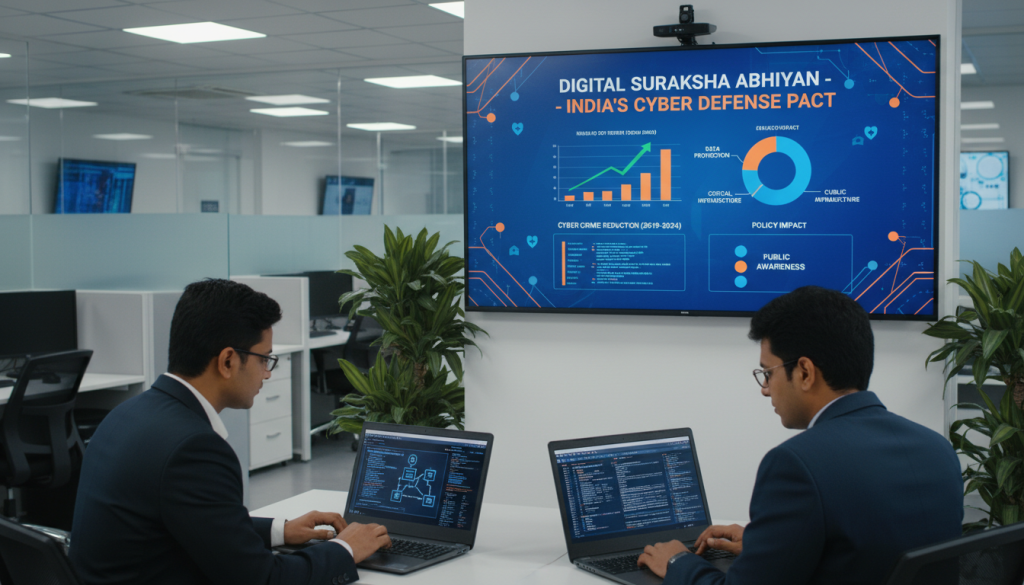
The government plays a big role in cyber security, helping Cyber Security Firms in India grow. It sets clear rules and supports them. This helps the economy, keeps the country safe, and makes people trust digital services.
Government agencies work together to share information and set security standards. They help businesses find good service providers. This makes it easier for companies to protect themselves.
Working together, the government and private companies make India's cyber security better. This partnership helps businesses stay safe and helps the country stay strong online.
Comprehensive Regulatory Frameworks
Indian government agencies have made rules for cyber security. CERT-In is the main team for handling cyber attacks. They give guidelines that help keep all kinds of businesses safe.
These rules do many things. They set a basic level of security, make companies report on their safety, and help them follow global standards. This makes it easier for businesses to work with others around the world.
The Reserve Bank of India has made special rules for banks and financial companies. The Securities and Exchange Board of India has made rules for the stock market. These rules help keep these important areas safe from cyber threats.
| Regulatory Body | Primary Focus Area | Key Requirements | Impact on Industry |
|---|---|---|---|
| CERT-In | Cross-sector incident response and guidelines | Incident reporting within 6 hours, vulnerability disclosure, mandatory security audits | Establishes baseline security expectations for all organizations |
| Reserve Bank of India | Banking and financial institutions | Cybersecurity framework implementation, periodic testing, board oversight | Strengthens financial sector resilience against sophisticated attacks |
| SEBI | Securities markets and intermediaries | Cyber resilience frameworks, system audits, business continuity planning | Protects market integrity and investor confidence |
| Sector-Specific Regulators | Telecommunications, healthcare, energy | Domain-appropriate security controls, data protection measures | Addresses unique risks within specialized industries |
Information Security Consultants India need to keep up with these rules. A new law on personal data will make things even more strict.
Companies must follow both local and international rules. This includes ISO standards, GDPR for Europe, HIPAA for health data, and SOC 2 for service providers.
"Cybersecurity is not just a technological challenge but a fundamental enabler of India's digital economy, requiring coordinated action across government, industry, and civil society to protect our digital infrastructure and citizen data."
Strategic Government Initiatives and Support
The government does more than just make rules. It helps grow cyber security skills and supports new ideas. It also helps businesses find good service providers.
The CERT-In empanelment process helps find trusted cybersecurity companies. This makes it easier for businesses to choose who to work with. It shows which companies are really good at what they do.
Education is key. The industry is growing fast, and we need more skilled people. The government helps schools teach cyber security and supports training programs. This will help fill over 1 million jobs soon.
Sharing information helps everyone stay safe. It lets companies learn from each other's mistakes. This makes it easier to fight cyber threats together.
Support for new companies and ideas is important. Funding and incubators help them grow. This creates a place where new security ideas can start and grow.
Working with other countries is also important. Cyber attacks often come from outside. So, working together helps solve these problems.
The government's efforts make it easier for Information Security Consultants India to do their job. This helps the economy, keeps the country safe, and makes people trust digital services.
Challenges in Cyber Security Implementation
Setting up strong cyber security in Indian companies is tough. It's not just about picking the right tech. Even with big budgets, companies face real obstacles that slow down security and keep things running smoothly. We need to tackle these problems head-on, not just treat the symptoms.
Indian businesses face big hurdles in boosting their digital defenses. There's a huge shortage of Network Security Specialists with the skills to keep systems safe. This gap makes it easy for hackers to find weak spots, making skilled people a big advantage.
Knowledge Gaps Across Organizational Levels
Knowledge gaps exist at all levels in companies, making things worse. Leaders often don't get how cyber risks affect business, seeing security as just a tech issue. This misunderstanding leads to not enough money for security and not matching security with real risks.
IT teams also struggle with the right knowledge. Many network experts lack key cybersecurity skills like Threat Intelligence Services. This means even with top-notch tools, they might not use them right or miss important alerts.
Frontline workers are both a big target and a first defense. Without security training, they're easy prey for hackers. To fix this, we need to educate everyone, from leaders to workers, about security.
- Executive education programs teach leaders about security risks and how they affect business.
- Technical training initiatives help security pros and Network Security Specialists get better at their jobs.
- Regular awareness campaigns keep everyone up to date on threats and how to handle them.
- Security champion programs find advocates in different parts of the company to help with security.
The biggest security risk isn't technology, but people who don't understand how their actions affect security.
The Security-Usability Tension
It's hard to balance security and ease of use. Too much security can slow down work and even make things less secure. We help companies find the right balance by focusing on real work needs, not just security theories.
We use risk-based security frameworks to apply strong security where it matters most. This way, security doesn't get in the way of work. It's all about finding the right balance.
Designing security with users in mind makes systems that work well and don't slow things down. By combining Threat Intelligence Services with usability testing, we create systems that protect and support productivity. We keep improving by monitoring how well systems work and how users feel about them.
Building a real security culture turns this challenge into a strength. When everyone understands the purpose of security, they help, not hinder it. This leads to better security and less resistance.
Financial Constraints and Creative Solutions
Money is a big problem for companies in India, especially small ones. They face the same threats as big companies but have less to spend on security. We find ways to make security work within their budgets.
Small businesses need good cybersecurity but can't afford it. This leaves them open to risks they can't handle. We help them find affordable ways to protect themselves.
We use creative solutions to make security more affordable:
- Managed security services offer top-notch security at a lower cost by sharing resources.
- Risk-based prioritization focuses on the most important security measures first.
- Cloud-based security solutions save money and make it easier to grow security as the company grows.
- Phased implementation strategies build security bit by bit as money becomes available.
Security providers now offer special packages for small businesses in India. These packages fit their budgets and offer real protection against common threats. We work with businesses to choose the best security for their money, so they don't have to give up on security.
Alert fatigue is another big challenge. Security teams get too many alerts and can't tell the real threats from the noise. We help set up systems and use Threat Intelligence Services to cut down on false alarms and make sure real threats get attention.
The Future of Cyber Security in India
We see a big change in how Top Indian Cybersecurity Companies protect digital spaces. They're moving from just reacting to threats to using new tech for proactive defense. The Indian cybersecurity market is expected to grow to $35 billion by 2026, creating over 1 million jobs says NASSCOM. This growth shows that security is now seen as a key business strategy, not just a technical add-on.
Technology, changing threats, and new rules are changing how companies think about security. They're moving from old ways of protecting data to new, integrated methods. These new methods assume breaches will happen and focus on quick detection and response.
Emerging Technologies
Artificial intelligence and machine learning are changing cybersecurity. Revolutionary changes are happening in how Cyber Defense Organizations use big data to spot threats. These smart systems learn from new attacks to better detect future threats, keeping defenses up to date.
Automation is helping security teams do more with less. It lets them focus on complex tasks and strategic planning. This makes security teams more effective and efficient.
Zero-trust security is a big change from old ways of protecting data. It's about checking every access request, no matter where it comes from. This way, even if a breach happens, it's limited and can be quickly fixed.
The future of cybersecurity isn't about building stronger walls. It's about being ready to detect and respond to breaches fast.
Quantum computing is coming, and it will change how we encrypt data. Quantum computers could break current encryption, so we need new, quantum-safe ways to protect data. We know it's urgent and are preparing for the future.
| Technology | Primary Application | Business Impact | Implementation Timeline |
|---|---|---|---|
| AI-Driven Threat Intelligence | Pattern recognition and anomaly detection | Reduces detection time by 60-80% | Currently deploying |
| Zero-Trust Architecture | Continuous authentication and authorization | Limits breach impact by 70% | 2026-2027 adoption wave |
| Blockchain Security | Tamper-evident logging and identity management | Enhances audit trail integrity | Specialized applications 2026+ |
| Quantum-Resistant Cryptography | Future-proof encryption standards | Protects long-term data security | Research phase, deployment 2027+ |
| SOAR Platforms | Security orchestration and automated response | Accelerates incident response by 50% | Rapid adoption 2026-2026 |
Cloud-first security is key for today's businesses. They operate in many cloud environments. We design security that works in all these places, using cloud-native tools and addressing cloud-specific issues.
Growth Opportunities for Firms
The cybersecurity market is growing to $35 billion, offering big chances for Top Indian Cybersecurity Companies. We see many areas where firms can stand out and grow fast.
Managed security services are a big chance. They let smaller companies get top security without the cost of building their own teams. There's a lot of demand for services that monitor, detect, and respond to threats.
Specialized services for specific tech, industries, or rules are also growing. Providers who know a lot about new areas like IoT or blockchain can charge more. They offer something unique that others can't.
- Integration and orchestration services that help organizations unify fragmented security tools into cohesive defenses
- Advisory services that help organizations develop security strategies, assess their current posture, and prioritize investments
- Training and awareness programs that address the human element of security through education and simulation
- Compliance automation that streamlines adherence to regulatory requirements while reducing manual overhead
The growth of the cybersecurity market means more jobs, over 1 million by 2026. Companies that invest in training and career paths will attract and keep top talent.
Predictions for the Cyber Security Market
We think we'll see more companies merging to get better at security. This will make bigger, more complete security providers. But, there will still be room for small, specialized firms with deep knowledge.
Automation will make security teams more efficient. They'll spend less time on routine tasks and more on complex challenges. This makes them better at their jobs and happier.
Security will become part of development from the start, thanks to DevSecOps. This means security will be built into apps from the beginning. It makes apps safer and fixes problems faster.
Security operations centers will grow as more companies see the need for constant monitoring and quick response. This will lead to more jobs and growth in this area.
By 2026, companies that integrate security into their development will have 50% fewer security issues than those that wait until the end.
Privacy and data protection will become more important as rules get stricter and people become more aware. Top Indian Cybersecurity Companies that help with privacy and data protection will have big opportunities. Privacy will become a key part of a company's brand and reputation.
The shift to proactive threat hunting and assumed breach models is changing cybersecurity. Instead of trying to stop all attacks, companies will focus on quick detection and response. This approach is more realistic and effective than just trying to prevent attacks.
Indian cybersecurity companies will have a big impact on global security. They will develop solutions for unique challenges in emerging markets. Their expertise, cost-effectiveness, and understanding of digital transformation make India a key player in cybersecurity worldwide.
Resources for Businesses Seeking Cyber Security Services
Finding the right resources helps your company make smart choices about cybersecurity. It's important to use many sources to understand all the options available. This way, you can pick the best solutions for your business.
Professional Associations and Information Sources
CERT-In is India's top source for cybersecurity advice and alerts. They help keep you updated on threats and how to defend against them.
NASSCOM gives insights into the cybersecurity market and connects you with skilled Network Security Specialists in India. The Data Security Council of India helps with data protection and privacy rules.
Global groups like (ISC)² and ISACA offer worldwide best practices and certifications. These can help your team in India.
Building Internal Capabilities
Training and certifications boost your team's security skills. For example, CISSP shows broad security knowledge, while CEH proves your ability in penetration testing. CISM is about security management, and OSCP tests your technical skills.
Getting Started with Professional Guidance
Getting advice from experts is a good first step. We suggest starting with a cybersecurity audit and risk assessment. These steps help you understand your current security level, find weaknesses, and plan for better security.
FAQ
What are the most important factors to consider when selecting a cyber security firm in India?
When choosing a cyber security firm, look at several key areas. First, check if they have experience in your industry. Different sectors face different threats and rules.
Next, see if they have the right certifications. Look for CISSP, CEH, CISM, and OSCP. These show they know their stuff.
Make sure they offer a wide range of services. They should help with prevention, detection, response, and recovery. Don't just focus on one area.
Read what other clients say. See how they handle tough situations and what results they've gotten. This shows how good they are.
Also, check how they communicate and work with you. Good cyber security needs teamwork and clear reports. They should act like part of your team.
How much should businesses expect to invest in cybersecurity services in 2026?
Cyber security costs vary a lot. It depends on your size, industry, and needs. There's no one-size-fits-all answer.
Small to medium businesses usually spend 5-10% of their IT budget on cyber security. But, bigger companies might spend more because of stricter rules.
Starting out might cost more. You'll need to set up security checks, buy tech, and train staff. But, costs will level out once you have the basics.
Managed security services can be a good deal. They offer top-notch security without the big upfront costs. Costs vary, but they're often more affordable than building your own team.
Remember, the cost of not investing in cyber security can be much higher. It's a smart investment to protect your business.
What is the difference between penetration testing and vulnerability assessment?
Many people mix up these terms. But they're actually different. Vulnerability assessments check for weaknesses in your systems and networks.
They use tools to scan for known issues. This gives you a report of what needs fixing. It's a quick and cost-effective way to see where you're weak.
Penetration testing is more in-depth. It simulates real attacks to see if you can be hacked. It checks if your systems can be breached and how far attackers can go.
It's like a test to see if your defenses work. It helps you understand your real risks. You should do vulnerability assessments often and penetration tests less often.
How do managed security services differ from traditional IT security consulting?
Managed security services and IT security consulting are different. Consulting is about solving specific problems or implementing new tech.
It's a project-based approach. Once the project is done, you're on your own. Managed security services, on the other hand, offer ongoing help.
They monitor your systems 24/7 and respond to threats. They also help with vulnerability management and threat intelligence. It's a good option if you can't afford to build your own team.
What is the role of CERT-In in India's cybersecurity ecosystem?
CERT-In is key to India's cyber security. It helps respond to cyber attacks and coordinates efforts across the country.
It gives guidelines and best practices. It also publishes security advisories and threat alerts. This helps organizations stay ahead of threats.
It also helps with international coordination. It works with other countries to tackle global cyber threats. This makes the cyber ecosystem stronger for everyone.
Why is zero-trust architecture becoming increasingly important?
Zero-trust architecture is changing how we think about security. It's based on the idea that you can't trust anyone, not even inside your network.
It requires constant verification of access. This means checking identities and permissions every time. It's a more secure way to protect your systems.
It also limits the damage if you are attacked. By not trusting anyone, you can stop attacks from spreading. It's especially useful for remote work and cloud services.
What are the specific cybersecurity challenges facing Indian e-commerce businesses?
E-commerce businesses in India face unique security challenges. Payment security is a big concern. They handle sensitive financial information.
They need to protect against phishing and social engineering attacks. These attacks target employees and can compromise customer data. They also need to comply with regulations like GDPR.
Scalability is another challenge. They need to handle high volumes of transactions during peak times. They also need to protect against DDoS attacks.
Supply chain risks are another issue. They rely on third-party services for logistics and payment processing. They need to ensure these partners are secure.
How do small and medium enterprises implement effective cybersecurity with limited budgets?
Small and medium enterprises face big security challenges with limited budgets. They need to prioritize their security efforts. Focus on protecting critical assets and data.
Cloud-based security solutions can be cost-effective. They eliminate the need for expensive hardware and infrastructure. They also offer automatic updates and flexible pricing.
Managed security services can also help. They provide enterprise-grade security at a lower cost. They offer 24/7 monitoring and incident response.
Open-source security tools can be a good option. They offer powerful capabilities at no cost. However, they require technical expertise to implement.
Security awareness training is also important. It helps employees recognize and prevent attacks. It's a cost-effective way to improve security.
What should organizations look for in Security Operations Center services?
When choosing a Security Operations Center (SOC), consider several factors. Look at their coverage and monitoring scope. Make sure they monitor all critical systems.
Check if they have 24/7 monitoring. This is important because attacks can happen at any time. They should also have access to logs from various sources.
Look at their technology platform. It should use advanced analytics and threat intelligence. This helps detect and respond to threats more effectively.
Check their response capabilities. They should have clear escalation procedures and incident response plans. They should also have specialized expertise for advanced threats.
Look at their reporting and communication. They should provide actionable intelligence and regular updates. This helps you stay informed about your security posture.
How does artificial intelligence enhance cybersecurity capabilities?
Artificial intelligence (AI) is transforming cybersecurity. It helps detect and respond to threats at speeds and scales that humans can't match. AI enhances cybersecurity capabilities by analyzing large amounts of data and identifying patterns.
It can detect subtle indicators of compromise and predict potential threats. AI can also automate routine response actions, freeing up human analysts to focus on complex investigations. However, AI is not a replacement for human expertise.
AI requires high-quality training data and continuous tuning to adapt to evolving threats. It should be integrated with broader security programs to create a layered defense. This combination of AI and human expertise is most effective.
What is the role of employee training in organizational cybersecurity?
Employee training is crucial for cybersecurity. Employees are both the biggest attack surface and the first line of defense. Training helps them recognize and prevent attacks.
Training should cover phishing, password security, and data handling. It should also teach employees how to report incidents. Regular training is more effective than one-time sessions.
Training should be tailored to specific job roles and risk levels. It should also be measured to ensure it's effective. This helps improve security awareness and reduce vulnerabilities.
How do compliance requirements like GDPR and data protection regulations affect cybersecurity strategies?
Compliance requirements like GDPR and data protection regulations have a big impact on cybersecurity strategies. They require organizations to implement security controls by design and default.
They also establish strict breach notification requirements. This drives investment in detection and response capabilities. It ensures that organizations can respond quickly to incidents.
Compliance requirements also influence data minimization and retention practices. They require organizations to collect only necessary data and implement retention schedules. This helps protect sensitive information.
They also emphasize the importance of vendor and third-party management. Organizations must ensure that their partners and suppliers adhere to security standards. This helps protect against data breaches.
What is the significance of threat intelligence in modern cybersecurity?
Threat intelligence is crucial in modern cybersecurity. It provides information about current and emerging threats. It helps organizations stay ahead of attackers.
It includes strategic, tactical, and operational intelligence. Strategic intelligence helps understand the threat landscape. Tactical intelligence provides specific information about attacker tactics and techniques.
Operational intelligence offers real-time information about active attacks. It helps organizations block known threats and prioritize vulnerability remediation. Threat intelligence is essential for proactive defense.
How do Indian cybersecurity firms address the shortage of skilled security professionals?
Indian cybersecurity firms face the challenge of finding skilled professionals. They use various strategies to address this shortage. They invest in training and development programs.
They also partner with educational institutions to create talent pipelines. This helps them find and train new professionals. They support continuous learning and certifications to keep professionals up-to-date.
They also use automation and technology to make the most of available resources. This helps them deliver effective services despite the shortage of skilled professionals.
How should organizations prepare for and respond to ransomware attacks?
Organizations should prepare for ransomware attacks by implementing robust security measures. They should have strong backup systems and ensure that backups are regularly tested.
They should also maintain current patches and updates. This helps prevent exploitation of known vulnerabilities. They should have endpoint protection and email security to detect and block ransomware.
They should have a clear incident response plan. This includes isolation procedures, assessment processes, and communication templates. It's important to have a plan for containment and recovery.
They should not pay ransoms. Paying ransoms does not guarantee decryption or prevent future attacks. It also supports criminal activities. Prevention and backup preparation are key to protecting against ransomware.
What is the role of employee training in organizational cybersecurity?
Employee training is crucial for cybersecurity. Employees are both the biggest attack surface and the first line of defense. Training helps them recognize and prevent attacks.
Training should cover phishing, password security, and data handling. It should also teach employees how to report incidents. Regular training is more effective than one-time sessions.
Training should be tailored to specific job roles and risk levels. It should also be measured to ensure it's effective. This helps improve security awareness and reduce vulnerabilities.
How do compliance requirements like GDPR and data protection regulations affect cybersecurity strategies?
Compliance requirements like GDPR and data protection regulations have a big impact on cybersecurity strategies. They require organizations to implement security controls by design and default.
They also establish strict breach notification requirements. This drives investment in detection and response capabilities. It ensures that organizations can respond quickly to incidents.
Compliance requirements also influence data minimization and retention practices. They require organizations to collect only necessary data and implement retention schedules. This helps protect sensitive information.
They also emphasize the importance of vendor and third-party management. Organizations must ensure that their partners and suppliers adhere to security standards. This helps protect against data breaches.
What is the significance of threat intelligence in modern cybersecurity?
Threat intelligence is crucial in modern cybersecurity. It provides information about current and emerging threats. It helps organizations stay ahead of attackers.
It includes strategic, tactical, and operational intelligence. Strategic intelligence helps understand the threat landscape. Tactical intelligence provides specific information about attacker tactics and techniques.
Operational intelligence offers real-time information about active attacks. It helps organizations block known threats and prioritize vulnerability remediation. Threat intelligence is essential for proactive defense.
How do Indian cybersecurity firms address the shortage of skilled security professionals?
Indian cybersecurity firms face the challenge of finding skilled professionals. They use various strategies to address this shortage. They invest in training and development programs.
They also partner with educational institutions to create talent pipelines. This helps them find and train new professionals. They support continuous learning and certifications to keep professionals up-to-date.
They also use automation and technology to make the most of available resources. This helps them deliver effective services despite the shortage of skilled professionals.