What if the most fundamental check on your equipment's health could also be your most powerful strategic advantage?
While visual testing stands as one of the oldest non-destructive methods, its role has evolved dramatically. It is no longer just a simple look-over. Today, it is the essential first step in a sophisticated process that protects your assets and your bottom line.
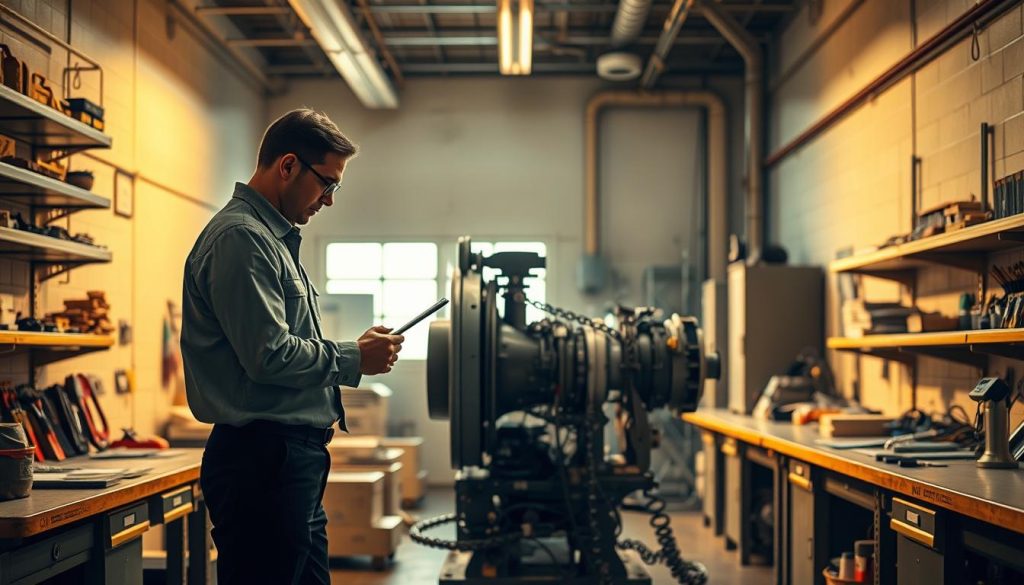
 Visual Inspection Services Europe" width="750" height="428" srcset="https://opsiocloud.com/wp-content/uploads/2025/11/Visual-Inspection-Services-Europe-1024x585.jpeg 1024w, https://opsiocloud.com/wp-content/uploads/2025/11/Visual-Inspection-Services-Europe-300x171.jpeg 300w, https://opsiocloud.com/wp-content/uploads/2025/11/Visual-Inspection-Services-Europe-768x439.jpeg 768w, https://opsiocloud.com/wp-content/uploads/2025/11/Visual-Inspection-Services-Europe.jpeg 1344w" sizes="(max-width: 750px) 100vw, 750px" />
We provide comprehensive solutions that merge decades of proven methodology with cutting-edge technology. Our approach transforms basic observation into a critical data point for informed decision-making. This ensures the highest standards of quality control and operational safety across multiple sectors.
Our team of certified professionals brings deep, industry-specific experience to every project. They understand the unique challenges you face. We go beyond simple observation, integrating systematic methodologies and comprehensive reporting into your broader maintenance strategy.
This partnership approach helps optimize efficiency, reduce unplanned downtime, and extend the life of your critical infrastructure. Our expertise becomes an extension of your team, providing the technical insights necessary to maintain a competitive edge.
Key Takeaways
- Visual testing is a foundational, non-destructive technique crucial for asset integrity.
- Modern inspection services combine traditional expertise with advanced technology.
- Effective quality control prevents equipment degradation and operational disruptions.
- Our services are tailored to the specific needs of various industries.
- We provide actionable insights that integrate with your overall maintenance strategy.
- Partnering with us helps extend asset lifecycles and improve safety performance.
Overview of Visual Inspection Techniques
Modern asset evaluation employs systematic approaches that can be categorized by their operational principles. We follow established frameworks like DIN 13018 to ensure consistency across all our assessment activities.
Direct vs Indirect Inspections
Direct examination involves our technicians observing equipment and parts with their own eyes. They may use magnifying glasses or microscopes for detailed work. This hands-on approach provides immediate feedback.
Indirect methods utilize monitors displaying images from cameras or specialized scopes. This technique allows access to confined spaces while maintaining safety standards. Both approaches deliver reliable results for quality assurance.
Analogue and Digital Inspection Methods
The choice between analogue and digital processes depends on equipment characteristics and accessibility requirements. Analogue techniques involve uninterrupted optical paths from light source to inspector's eye.
Digital methods may interrupt this path using electronic imaging systems. The standard defines these distinctions scientifically, but both approaches maintain rigorous evaluation criteria.
| Method Type |
Equipment Used |
Best Application |
Documentation |
| Direct Inspection |
Magnifying glass, microscope |
Accessible external surfaces |
Manual recording |
| Indirect Inspection |
Camera, videoscope, monitor |
Confined or hazardous spaces |
Digital capture |
| Analogue Process |
Direct optical tools |
Standard quality control |
Traditional reports |
| Digital Testing |
Electronic imaging systems |
Complex internal geometries |
Automated documentation |
From the customer perspective, both methodological categories produce identical outcomes. Products are reliably identified as either approved or requiring attention. Our selection process optimizes for safety, accessibility, and documentation needs.
We integrate traditional observation with advanced technological approaches. This adaptability ensures optimal assessment regardless of equipment complexity or environmental constraints.
Inspection Standards and Industry Applications
We build trust and ensure operational safety by grounding our methods in specific, proven standards. This commitment to protocol guarantees that every assessment is consistent, defensible, and aligned with your industry's best practices.
API, ASME, DIN, and ANSI Guidelines
Our team operates within a comprehensive framework of international codes. We are proficient in API, ASME, DIN, and ANSI guidelines.
This expertise allows us to meet strict regulatory requirements across diverse sectors. Each inspector holds relevant certifications, ensuring authoritative evaluations.
For pressure vessels, API 510 assessments identify corrosion, cracking, and weld flaws. These checks are vital for determining fitness-for-service. They inform critical decisions about repairs and equipment lifespan.
Similarly, API 570 evaluations maintain the mechanical integrity of in-service piping. This proactive approach prevents leaks and unplanned shutdowns in fluid transport systems.
| Standard |
Primary Focus |
Key Equipment |
| API 510/570 |
Pressure Vessels & Piping |
Reactors, Pipelines, Heat Exchangers |
| API 653 |
Above Ground Storage Tanks |
Fuel Tanks, Chemical Storage Tanks |
| ASME BPVC |
Boiler & Pressure Vessel Code |
Boilers, Pressure Vessels |
| ANSI N.45.2.6 |
Nuclear Power Plant Components |
Reactor Parts, Critical Systems |
Applications in Piping, Tanks, and Vessels
Our standards-based approach applies directly to critical assets. We examine piping systems, storage tanks, and pressure vessels with precision.
For tanks, API 653 compliance helps detect damage like wall thinning and leakage. Planned strategies minimize operational interruptions and unnecessary openings.
This methodology extends to complex assemblies in aerospace and manufacturing. We verify that every part meets design specifications and safety criteria. This rigorous quality control is fundamental to operational efficiency and risk management.
Visual Inspection Services Europe: Precision in Quality Control
The initial assessment of your equipment sets the foundation for all subsequent maintenance decisions. Early detection of issues through professional evaluation prevents costly operational disruptions and ensures continuous production flow.
Key Benefits and Actionable Insights
Our certified professionals bring exceptional expertise to every assessment. They identify subtle indicators of equipment degradation that untrained eyes might miss. This deep understanding distinguishes between normal wear and conditions requiring immediate attention.
We systematically compare current equipment condition against documented specifications and historical reports. When formal documentation is unavailable, we create comprehensive records for future reference. This establishes a valuable baseline for trend analysis and predictive maintenance planning.
Our methodical examination protocols identify defects at their earliest stages. This proactive approach significantly reduces the risk of unexpected failures and production interruptions. The detailed findings enable optimized maintenance scheduling and resource allocation.
Every assessment concludes with clear, prioritized recommendations. We provide specific guidance on areas of concern and suggest advanced testing when necessary. These actionable insights allow your team to implement improvements immediately.
Contact us today to discover how our comprehensive approach can transform your operational performance. Our commitment to excellence ensures your assets maintain peak condition while maximizing their lifecycle value.
Advanced Techniques in Visual and Borescope Inspections
Beyond surface-level observation lies a world of internal component analysis made possible through remote video inspection tools. These advanced methods extend our capabilities to areas previously inaccessible without extensive disassembly.
Borescope and Remote Video Testing
Our specialized video tools enable comprehensive examination of asset interiors and confined spaces. This non-invasive approach preserves production continuity while maintaining rigorous standards.

Borescope assessments provide reliable fault diagnosis and functional status monitoring. They track degradation progression in critical machinery without operational shutdowns.
Integration with Predictive Maintenance
We seamlessly incorporate these techniques into predictive maintenance programs. Our field inspectors conduct systematic assessments that identify abnormalities according to established specifications.
This integration enables condition-based strategies that optimize resource allocation. It prevents unexpected failures through proactive monitoring of critical components.
| Component |
Inspection Focus |
Tools Used |
Maintenance Impact |
| Couplings |
Rubber condition, radial runout |
Borescope, video scope |
Prevents misalignment issues |
| Bearings |
Raceway condition, play measurements |
Remote video, stroboscope |
Early wear detection |
| Gearboxes |
Tooth profile, pitch accuracy |
Advanced borescope |
Catastrophic failure prevention |
| Shafts |
Runout, key looseness |
Motion amplification |
Vibration reduction |
Optimizing Operations through Expert Visual Inspections
The true power of professional asset assessment lies not just in the observation itself, but in how findings are documented and transformed into actionable business intelligence.
Detailed Documentation and Reporting
Our documentation protocols transform routine checks into strategic assets. We create comprehensive reports that serve as permanent records for your equipment's lifecycle management.
Each assessment generates professionally formatted documentation including photographic evidence, condition analysis, and specific recommendations. This structured approach goes far beyond basic paper notes used by production personnel.
Our experienced inspectors meticulously compare current conditions against equipment drawings and historical data. When formal records are unavailable, we establish baseline documentation systems for future reference.
The quality of our reports supports multiple business functions from regulatory compliance to maintenance planning. We prioritize findings by severity and provide clear guidance on next steps.
This documentation excellence ensures every inspection contributes to your organization's institutional knowledge. It enables accurate trend analysis and supports long-term asset management strategies.
Conclusion
Strategic asset management in today's demanding industrial landscape requires more than periodic checks—it demands comprehensive evaluation protocols. Our approach integrates time-tested methodologies with advanced technological solutions, creating a robust framework for operational excellence across diverse sectors.
We deliver assessments that adhere to rigorous international standards, ensuring both technical precision and regulatory compliance. This commitment extends beyond simple defect identification to encompass predictive maintenance integration and strategic recommendations that optimize equipment lifecycles.
Our detailed reporting transforms findings into actionable business intelligence, supporting data-driven decisions for maintenance planning and risk management. Whether you need routine condition monitoring or specialized testing of critical components, we provide consistent quality and practical insights.
Contact us today to discover how our professional assessment services can enhance your operational performance and contribute directly to your business results.
What industries benefit most from your quality control services?
We provide critical inspection services across numerous sectors, including aerospace, oil and gas, power generation, and manufacturing. Our expertise ensures that components and equipment in these high-stakes fields meet stringent standards for safety and performance, helping to prevent costly defects and production delays.
How do your inspectors ensure compliance with international standards?
Our team possesses deep knowledge of standards like API, ASME, and ANSI. We meticulously follow these guidelines during every assessment of parts and equipment. This rigorous process, combined with detailed documentation, guarantees that your product meets all necessary requirements for quality assurance and regulatory approval.
What is the difference between direct and indirect inspection methods?
Direct inspection involves our specialists physically examining a part or component. Indirect methods, such as remote video testing with borescopes, allow us to assess hard-to-reach areas inside tanks, vessels, or piping systems. We select the optimal technique based on the specific application to deliver the most accurate results.
Can your services be integrated into our existing predictive maintenance program?
Absolutely. Our advanced techniques, including borescope inspections, are designed to seamlessly integrate with predictive maintenance strategies. This integration provides actionable insights into equipment health, enabling you to schedule repairs proactively, minimize unplanned downtime, and optimize your overall operations.
What kind of documentation and reports do you provide after an inspection?
We deliver comprehensive reports that include high-resolution images, detailed findings, measurements, and clear pass/fail determinations based on the relevant standard. This thorough documentation provides a complete audit trail for quality assurance and supports informed decision-making for your production process.
Editorial standards: This article was written by a certified practitioner and peer-reviewed by our engineering team. We update content quarterly to ensure technical accuracy. Opsio maintains editorial independence — we recommend solutions based on technical merit, not commercial relationships.