

Navigating the Future of Business: Understanding replatforming trends 2026
The technological landscape is in a constant state of flux, demanding that businesses remain agile and innovative. As we approach the mid-decade, understanding the significant replatforming trends 2026 will be crucial for any organization aiming to maintain a competitive edge and drive substantial growth. This comprehensive guide explores the core elements and strategic imperatives shaping the future of enterprise platforms.
Replatforming, the process of migrating an application or an entire IT infrastructure to a new platform, is no longer just an IT project. It represents a fundamental shift in how businesses leverage technology to meet evolving customer demands and market dynamics. Proactive engagement with these trends ensures resilience and fosters innovation across all operational fronts.
Understanding Replatforming in a Modern Context
Replatforming involves moving existing applications from one computing platform to another, often with minimal changes to the application's code. This process is distinct from re-hosting (lift-and-shift) or re-architecting (significant code changes). It primarily focuses on optimizing the underlying infrastructure for better performance, scalability, and cost-efficiency.
For businesses today, replatforming is critical for escaping the limitations of outdated systems. It allows organizations to shed the burden of legacy system modernization, unlocking new capabilities and reducing technical debt. This strategic move directly supports broader digital transformation initiatives by creating a more responsive and adaptable technology stack.
The modern business environment necessitates platforms that can evolve quickly and integrate seamlessly with new services. Replatforming to cloud-native environments or advanced infrastructure provides the foundational stability required for rapid development and deployment. It ensures that the enterprise architecture evolution can keep pace with market demands.
Key Drivers Behind replatforming trends 2026
Several powerful forces are compelling businesses to reconsider their platform strategies as we look towards 2026. These drivers reflect both technological advancements and strategic business imperatives. Organizations are seeking greater operational efficiency and enhanced customer experiences through their core platforms.
The relentless push for improved agility and speed to market is a primary catalyst. Outdated platforms often hinder rapid innovation and deployment of new features, making replatforming an essential step. Furthermore, the imperative for cost optimization drives many organizations to explore more efficient infrastructure models.
Cost reduction, however, is not the sole motivator; enhanced scalability and resilience are equally vital. Modern businesses operate under unpredictable loads and must ensure their systems can handle peak demands without failure. Replatforming provides the opportunity to build more robust and scalable foundations.
#### The Rise of Cloud Migration Strategies
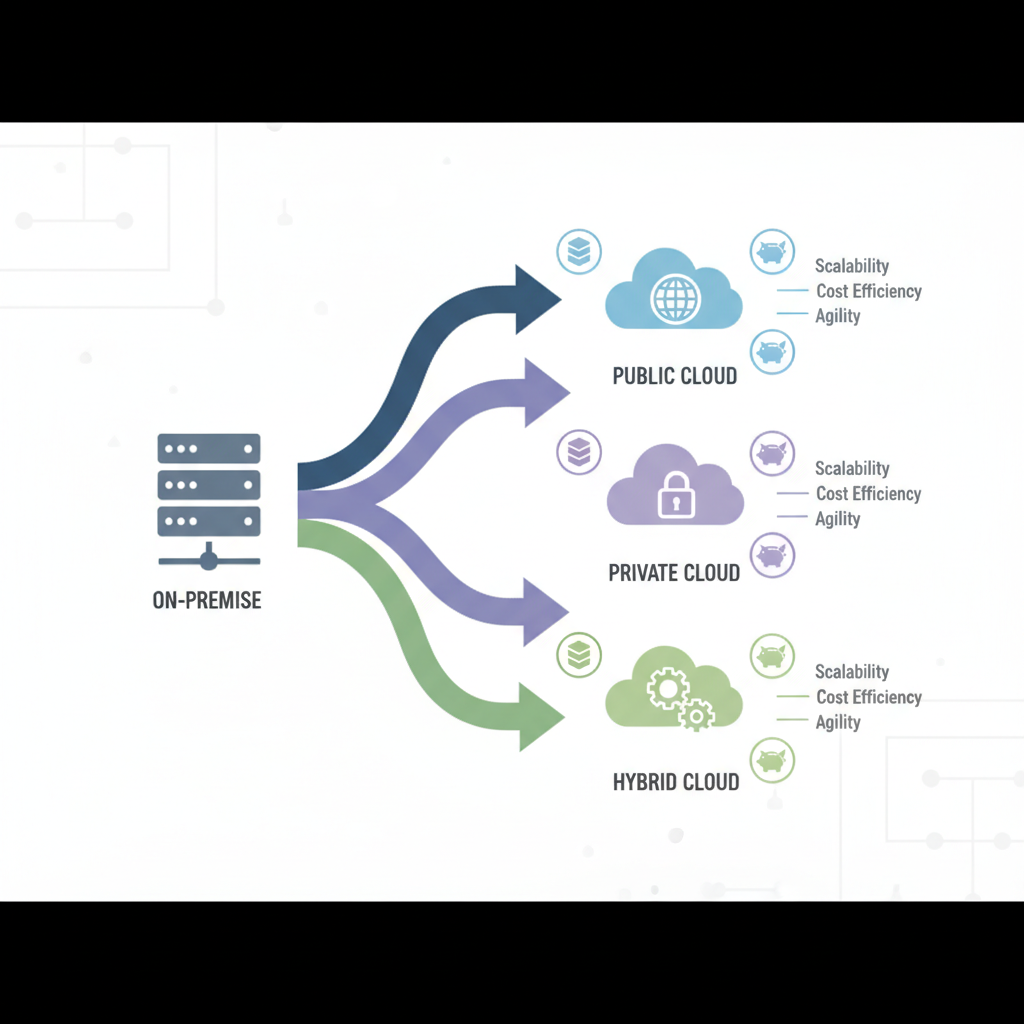
Cloud migration strategies are at the forefront of replatforming efforts. Businesses are increasingly moving away from on-premise data centers to public, private, or hybrid cloud environments. This shift is driven by the desire for elastic scalability, reduced operational overhead, and access to advanced cloud services.
Moving to the cloud facilitates faster innovation cycles and greater collaboration across distributed teams. It also allows organizations to pivot from capital expenditures to operational expenditures, offering financial flexibility. The choice of cloud provider and specific services heavily influences the subsequent replatforming journey and its success.
#### Performance and User Experience Demands
In today's competitive landscape, performance directly impacts user satisfaction and business outcomes. Slow-loading applications or unreliable services can quickly drive customers away. Replatforming offers an opportunity to significantly enhance system performance and deliver superior user experiences.
Optimized platforms can process data faster, respond to requests more efficiently, and provide a seamless interaction for users. This focus on performance extends beyond external customers to internal employees as well, improving productivity and reducing frustration. It underpins the entire digital value chain.
The Ascendancy of Cloud-Native Architectures
Cloud-native architectures represent a paradigm shift in how applications are designed, built, and deployed. These architectures are specifically crafted to leverage the full potential of cloud computing, offering unprecedented levels of flexibility and resilience. They are a cornerstone of replatforming trends 2026.
Moving to cloud-native designs allows for modular development and independent deployment of services. This approach minimizes dependencies and reduces the blast radius of potential failures. It also aligns perfectly with modern DevOps practices, fostering a culture of continuous improvement and delivery.
#### Microservices Adoption in Replatforming
Microservices adoption in replatforming is a dominant trend. Instead of monolithic applications, businesses are breaking down complex systems into smaller, independent services that communicate via APIs. Each microservice can be developed, deployed, and scaled independently, offering immense agility.
This architectural style simplifies development, facilitates technology diversification (allowing different services to use different technologies), and improves fault isolation. It significantly enhances the ability of organizations to respond to market changes and implement new features rapidly. Teams can work autonomously on specific services, boosting productivity.
#### Containerization Benefits and Kubernetes
Containerization, particularly using Docker, provides a lightweight, portable, and consistent environment for deploying microservices. Containers encapsulate an application and its dependencies, ensuring it runs uniformly across different environments, from a developer's laptop to production cloud servers.
Kubernetes, an open-source container orchestration platform, automates the deployment, scaling, and management of containerized applications. Its powerful capabilities make it indispensable for managing complex microservices architectures at scale. The widespread adoption of Kubernetes is a key indicator of where replatforming is headed.
#### Serverless Computing for Event-Driven Architectures
Serverless computing allows developers to build and run applications without managing servers. The cloud provider dynamically manages the allocation and provisioning of servers, and customers only pay for the compute time consumed. This model offers incredible scalability and cost efficiency for event-driven workloads.
While not suitable for all applications, serverless functions are increasingly being integrated into replatforming strategies for specific use cases like data processing, API backends, and IoT event handling. It represents a further abstraction layer that simplifies operations and accelerates time to market.
Data Strategies and AI Integration
Data is the lifeblood of modern enterprises, and effective data strategies are integral to successful replatforming efforts. The new platforms must be capable of ingesting, processing, and analyzing vast quantities of data to derive meaningful insights. This focus is central to the future of IT infrastructure.
Integrating AI and machine learning capabilities into these modernized platforms is no longer optional but a necessity. AI-driven insights can automate processes, personalize customer experiences, and predict future trends. Replatforming provides the ideal opportunity to embed these advanced capabilities natively.
#### Leveraging Data Lakes and Data Warehouses
Modern replatforming projects often involve rethinking an organization's entire data landscape. This includes establishing robust data lakes for storing raw, unstructured data and efficient data warehouses for structured, analytical processing. The interplay between these data repositories is crucial.
Optimizing data pipelines and ensuring data quality are paramount during this transition. A well-designed data architecture on a new platform provides a unified view of organizational data, empowering data scientists and business analysts alike. It lays the groundwork for advanced analytics.
#### Embedding AI/ML Capabilities Natively
Integrating artificial intelligence and machine learning models directly into the replatformed applications transforms their capabilities. Predictive analytics, personalized recommendations, and automated decision-making become inherent features rather than add-ons. This provides a significant competitive advantage.
From automating customer support with AI chatbots to optimizing supply chains with machine learning algorithms, the potential applications are vast. Replatforming allows for the creation of an AI-ready infrastructure that can efficiently train, deploy, and manage these intelligent systems. This future-proofs the platform.
Security and Compliance as Cornerstones
In an era of escalating cyber threats and stringent regulatory requirements, security and compliance must be foundational elements of any replatforming strategy. They cannot be an afterthought but must be integrated by design from the very beginning. This proactive approach is a hallmark of replatforming trends 2026.
Migrating to new platforms presents an opportunity to implement enhanced security controls and processes that may have been difficult to achieve with legacy systems. A modern infrastructure offers better tools and practices for protecting sensitive data and ensuring regulatory adherence. This protects the business and its customers.
#### Building Security by Design
Adopting a "security by design" philosophy means that security considerations are embedded into every stage of the replatforming process. This includes architectural design, development, deployment, and ongoing operations. It ensures that vulnerabilities are minimized from the outset.
Implementing robust identity and access management (IAM), network segmentation, encryption, and continuous monitoring are essential components. Automated security testing and vulnerability scanning become standard practices within the new platform's CI/CD pipelines. This proactive stance significantly reduces risk.
#### Adhering to Regulatory Pressures
Compliance with industry-specific regulations (e.g., GDPR, HIPAA, PCI DSS) and global data privacy laws is non-negotiable. Replatforming provides a chance to architect systems that are inherently compliant, simplifying audits and reducing legal risks. This is a critical aspect of enterprise architecture evolution.
Automated compliance checks and comprehensive audit trails can be built into the new platform's operations. This not only ensures legal adherence but also builds trust with customers and partners. Proactive management of compliance reduces the overhead associated with meeting regulatory demands.
The Human Element: Skills and Culture
Technological advancements are only part of the replatforming equation; the human element is equally vital. Successful replatforming trends 2026 depend heavily on the skills of the workforce and the organizational culture. Investing in people and fostering a collaborative environment are key to unlocking potential.
Organizations must prioritize upskilling their teams and cultivating a mindset of continuous learning. A supportive culture that embraces change and encourages experimentation will navigate the complexities of platform migration challenges much more effectively. People are at the heart of transformation.
#### Addressing the Talent Gap
The specialized skills required for modern cloud-native architectures, microservices development, and advanced data analytics are in high demand. Organizations must proactively address this talent gap through internal training programs, certifications, and strategic hiring. Investing in your workforce pays dividends.
Creating opportunities for existing employees to learn new technologies and methodologies fosters loyalty and builds internal expertise. This reduces reliance on external consultants and empowers teams to drive the replatforming initiative from within. A skilled workforce is a powerful asset.
#### Fostering a DevOps Culture
A DevOps culture, which breaks down silos between development and operations teams, is crucial for successful replatforming. It emphasizes collaboration, automation, and continuous feedback loops. This cultural shift enables faster, more reliable software delivery and operational efficiency.
DevOps practices streamline the entire software lifecycle, from code commit to production deployment. This synergy accelerates the benefits of replatforming by ensuring that new features and improvements are delivered consistently and efficiently. It creates a dynamic and responsive environment.
Navigating Platform Migration Challenges
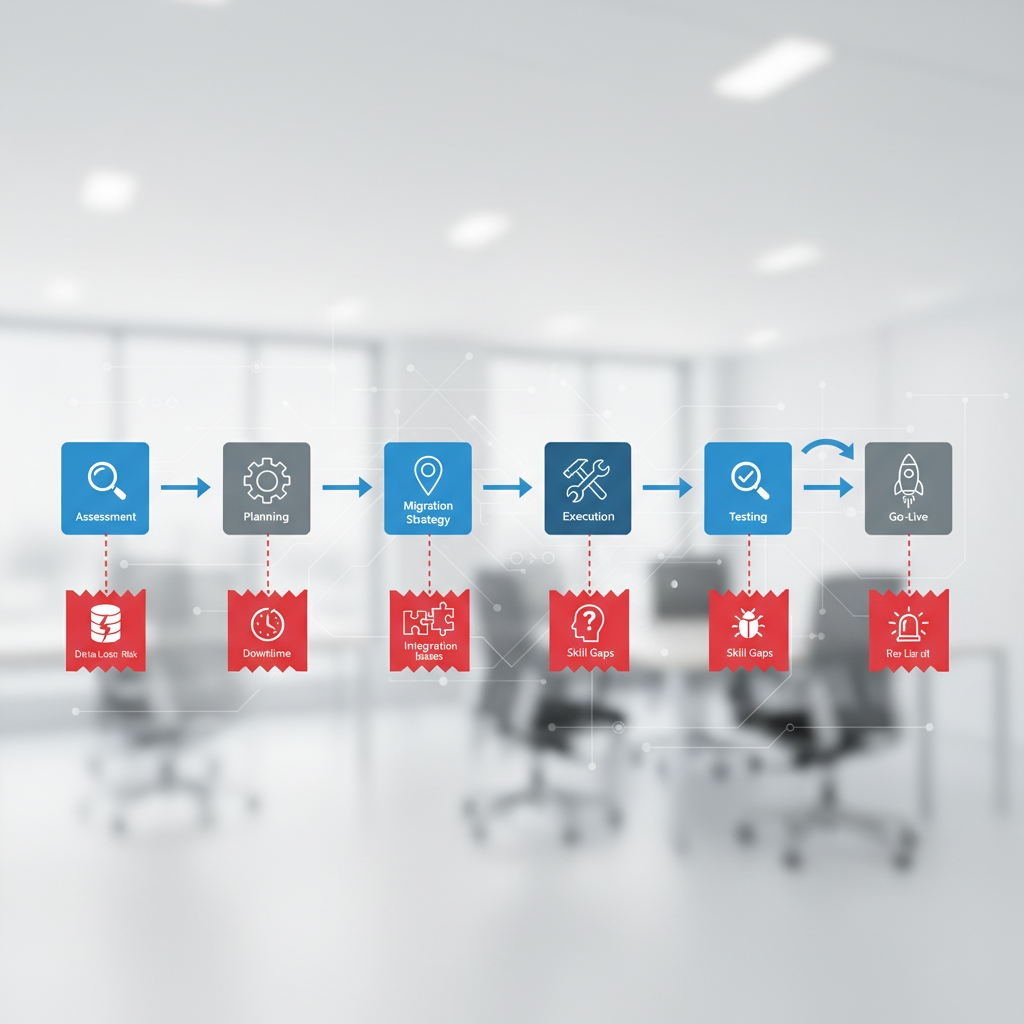
While replatforming offers immense benefits, the journey is not without its hurdles. Organizations must anticipate and strategically address various platform migration challenges to ensure a smooth transition. Proper planning and risk mitigation are essential for success.
Common pitfalls include underestimating the complexity of data migration, failing to secure adequate resources, or neglecting comprehensive testing. A clear understanding of potential obstacles allows for proactive strategies to overcome them. Awareness is the first step towards resolution.
#### Importance of Thorough Planning and Phased Rollouts
A detailed replatforming plan is non-negotiable. This plan should encompass everything from architectural design and technology stack choices to data migration strategies, testing protocols, and rollback procedures. Comprehensive planning minimizes surprises and reduces risks.
Adopting a phased rollout approach, where components are migrated incrementally, can significantly reduce downtime and mitigate risk. This allows for continuous testing and adjustments, ensuring stability at each stage before moving to the next. It’s a methodical path to success.
#### Data Integrity and Downtime Concerns
Maintaining data integrity throughout the migration process is paramount. Any data loss or corruption can have severe consequences for the business. Robust data validation and backup strategies must be in place. This ensures consistency and reliability of information.
Minimizing downtime is another critical concern, especially for mission-critical applications. Strategies like blue/green deployments, canary releases, and robust disaster recovery plans help ensure business continuity during the transition. The goal is to make the migration as seamless as possible for end-users.
Measuring Success and ROI in Replatforming
Successfully navigating replatforming trends 2026 requires more than just completing the technical migration. It demands a clear understanding of what success looks like and how to measure the return on investment (ROI). Defining key performance indicators (KPIs) upfront is crucial.
Beyond technical metrics, organizations must evaluate the business impact of their replatforming efforts. This includes assessing improvements in operational efficiency, customer satisfaction, and the ability to innovate faster. A holistic view ensures the project delivers tangible value.
#### Key Performance Indicators (KPIs) for Replatforming Projects
Relevant KPIs for replatforming projects extend beyond simple project completion. They include metrics such as:
- Performance improvements: Faster response times, increased transaction throughput.
- Cost reductions: Lower infrastructure costs, reduced operational expenses.
- Scalability: Ability to handle increased user load or data volume.
- Availability and reliability: Reduced downtime, improved system uptime.
- Developer productivity: Faster release cycles, reduced bug rates.
- Security posture: Reduced vulnerabilities, improved compliance scores.
Regularly tracking these KPIs provides tangible evidence of the replatforming's value. It allows for adjustments and optimizations post-migration to maximize benefits. Continuous monitoring is vital for ongoing success.
#### Calculating Return on Investment
Calculating the ROI of replatforming involves quantifying both direct and indirect benefits against the total cost of the project. Direct benefits might include savings on hardware, software licenses, and operational staff. Indirect benefits encompass improved market responsiveness and enhanced customer loyalty.
A thorough ROI analysis helps justify the initial investment and demonstrates the long-term strategic value of the replatforming effort. It underscores how the modernization supports overarching business objectives. This financial justification is essential for executive buy-in.
A Look Ahead: What's Beyond 2026?
The replatforming trends 2026 set the stage for even more transformative changes in the years that follow. The future of IT infrastructure will be characterized by greater automation, intelligence, and hyper-personalization. Organizations must continue to adapt and evolve their platforms to remain at the cutting edge.
Emerging technologies like quantum computing and advanced edge computing will inevitably influence platform design. The focus will shift towards even more distributed, autonomous, and intelligent systems capable of self-optimization and self-healing. Continuous learning will be key.
The evolution will lead to platforms that can dynamically reconfigure themselves based on demand, predictive analytics, and real-time operational feedback. This promises an era of truly resilient and adaptive enterprise systems. The journey of platform modernization is continuous.
Frequently Asked Questions
What is replatforming in the context of 2026?
Replatforming in 2026 refers to the strategic migration of existing applications and IT infrastructure to new, more advanced platforms, primarily cloud-native environments. It focuses on leveraging technologies like microservices, containerization, and serverless computing to achieve greater agility, scalability, and cost efficiency. This process is driven by the need for digital transformation and legacy system modernization.
Why are cloud-native architectures so important for replatforming trends 2026?
Cloud-native architectures are crucial because they enable businesses to fully harness the benefits of cloud computing. They support modular development, independent deployment, and elastic scalability, which are essential for rapid innovation and resilience. These architectures underpin the adoption of microservices and containerization, allowing for more flexible and efficient enterprise architecture evolution.
What are the main challenges when undertaking a replatforming project?
Platform migration challenges often include ensuring data integrity during the move, minimizing application downtime, managing complex integrations with existing systems, and addressing potential skill gaps within the team. Thorough planning, phased rollouts, and robust testing are vital strategies to mitigate these risks. Effective change management also plays a significant role in overcoming resistance.
How does AI integration impact replatforming strategies for 2026?
AI integration profoundly impacts replatforming strategies by allowing businesses to embed intelligent capabilities directly into their new platforms. This enables predictive analytics, automated decision-making, and personalized user experiences from the outset. Replatforming provides the opportunity to build an AI-ready infrastructure that supports the efficient training, deployment, and management of machine learning models, enhancing the future of IT infrastructure.
What role does security play in modern replatforming efforts?
Security is a foundational element in modern replatforming efforts, moving beyond an afterthought to a "security by design" principle. Replatforming allows organizations to implement advanced security controls, enhance identity and access management, and build systems inherently compliant with regulatory pressures. This proactive approach strengthens the overall security posture and protects sensitive data on the new platform.
How can organizations measure the success of their replatforming initiatives?
Organizations can measure replatforming success by tracking key performance indicators (KPIs) such as improved application performance, reduced operational costs, enhanced scalability, and increased developer productivity. Calculating the return on investment (ROI) by comparing direct and indirect benefits against project costs provides a comprehensive view of the initiative's value. A holistic assessment of business impact is essential.
Conclusion
Embracing the replatforming trends 2026 is a strategic imperative for businesses aiming to thrive in an increasingly dynamic digital world. By prioritizing cloud-native architectures, integrating intelligent data strategies, and fostering a culture of agility, organizations can build resilient, scalable, and innovative platforms. This forward-thinking approach ensures not only survival but sustained growth and competitive advantage in the years to come. The journey of replatforming is complex, but with foresight and a clear strategy, the rewards are immense.
RECOMMENDED FOR YOU
Connect With Opsio Tell us about your business requirement and let Opsio take care of the rest.
✓ Free consultation ✓ No commitment required ✓ Trusted by expertsOpsio provides managed services and cloud consulting to help organizations implement and manage their technology infrastructure effectively.