

In today's digital age, cybersecurity is more crucial than ever. Businesses face constant threats from cybercriminals. Protecting sensitive data is a top priority.
SOC as a Service offers a solution. It provides outsourced security operations center capabilities. This service ensures round-the-clock security monitoring and threat detection.
Many organizations lack the resources for an in-house SOC. Managed SOC services fill this gap. They offer expertise and advanced tools without the high costs.
This guide explores the benefits of SOC as a Service. Discover how it can enhance your security posture. Learn why it's a strategic investment for your business.
Summary
This as this service delivers outsourced SOC capabilities—24/7 monitoring, threat detection, and incident response—without the cost and complexity of building an in-house team. It enhances security posture through access to expert analysts and advanced tools, while offering scalability, cost-efficiency, and compliance support. This guide outlines what the service includes, how it works, core benefits versus an in-house SOC, and common use cases. It also covers challenges to adoption and practical tips for selecting the right provider.

What is SOC as a Service?
These as capabilities these service capabilities offers an outsourced model for managing security operations. Companies use it to protect their digital environments. It is both effective and efficient for many organizations.
A Security Operations Center (SOC) typically includes security experts. They use advanced tools to monitor threats 24/7. Such solutions such solutions extends these benefits without the need for full-time staff.
Here's what This approach this approach includes:
- Continuous threat monitoring and detection
- Access to cutting-edge security technologies
- Regular incident response and management
- Detailed threat intelligence and analysis
For companies, this means enhanced security without the overhead. They can focus on other business priorities while maintaining robust security. It's particularly beneficial for businesses lacking in-house cybersecurity expertise.
In essence, SOC as a Service acts as a watchdog over your digital assets. By leveraging external expertise, businesses can stay protected from evolving cyber threats. This approach ensures a stronger defense against potential security breaches.
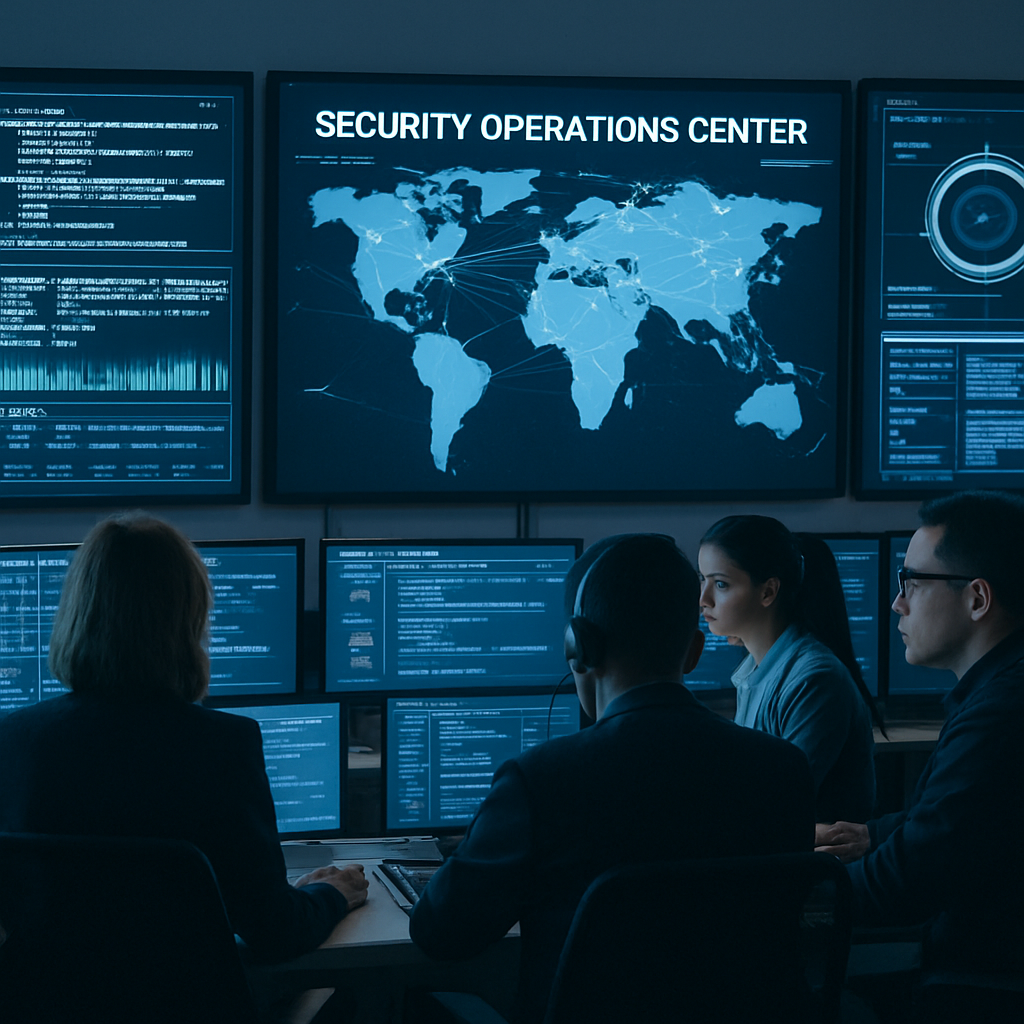
Key Components of The service the service
This as this service encompasses several critical components essential for robust cybersecurity. These elements work together to offer comprehensive security solutions. Each part plays a unique role in protecting organizations.
The key components include:
- Security Monitoring: Real-time surveillance of systems and networks.
- Threat Detection: Identifying potential threats before they cause harm.
- Incident Response: Quick action to mitigate security incidents.
- Threat Intelligence: Gathering data on emerging cyber threats.
- Compliance Management: Ensuring adherence to industry standards.
Security monitoring acts as the eyes of your cybersecurity operation. It continuously scans for anomalies and unusual activities.
Threat detection uses advanced algorithms to recognize potential dangers. Immediate incident response ensures risks are addressed swiftly, minimizing damage. Threat intelligence keeps your defenses up-to-date with the latest insights.
These components collectively enhance the overall security posture. They allow businesses to stay one step ahead of cybercriminals.

How These as capabilities these service capabilities Works
SOC as a Service operates by providing outsourced cybersecurity solutions. It combines human expertise with advanced technology to safeguard businesses. The process is seamless and highly effective.
The service involves several critical steps that work in harmony:
- Integration: Connects SOC services to your existing IT infrastructure.
- Monitoring: Continuously watches for security breaches and system anomalies.
- Detection: Uses smart tools to spot and identify emerging threats.
- Response: Takes immediate action to neutralize detected threats.
- Reporting: Provides detailed analytics and insights for future prevention.
Integration is a fundamental phase. It ensures SOC services align with your network's architecture. Once integrated, constant monitoring begins. Detection tools use algorithms to find threats.
Should a threat surface, the response team swiftly manages it. Reporting offers a comprehensive view, aiding in refining strategies.

Core Benefits of This approach this approach
The service the service offers numerous advantages. It provides unparalleled protection, enhanced by continuous monitoring. The benefits are vast and impactful for businesses.
Primary advantages include:
- Comprehensive Coverage: Monitors networks, clouds, and endpoints around the clock.
- Expertise Access: Leverages specialist knowledge and high-end tools.
- Financial Efficiency: Reduces costs compared to an in-house SOC.
One significant benefit is 24/7 security monitoring. This ensures prompt detection of potential threats. It minimizes risks before they escalate.
Cost-effectiveness is another key feature. SOC as a Service offers scalable solutions. This flexibility is ideal for growing businesses with changing needs.
Additionally, businesses gain access to cutting-edge technology. These tools are essential for advanced threat detection. The integration of such resources strengthens security measures.
The rapid incident response capability is crucial. It ensures swift recovery from cyber attacks. This minimizes damage and downtime, maintaining business continuity.
Additional benefits:
- Regulatory Compliance: Assists with adhering to industry standards.
- Data Insights: Generates valuable analytics to guide decision-making.
- Customizable Solutions: Tailors services to meet specific organizational needs.

24/7 Security Monitoring and Threat Detection
Constant vigilance is a core strength of These as capabilities these service capabilities. This capability cannot be overstated in the face of cyber threats. Monitoring systems continuously work to identify and thwart attacks.
Monitoring elements include:
- Real-Time Alerts: Immediate notification of security incidents.
- Threat Identification: Using algorithms to detect potential threats.
- Proactive Measures: Actions taken before threats cause harm.
Being proactive reduces risks effectively. Real-time alerts support quick decision-making, enhancing security response.
Cost-Effectiveness and Scalability
Such solutions such solutions offers significant cost savings. Unlike traditional setups, it minimizes the need for in-house infrastructure. This translates to reduced operational costs and improved budget allocations.
Cost-related benefits include:
- Lower Overhead: Reduces the need for physical space and hardware.
- Flexible Pricing Models: Allows businesses to pay for what they use.
- Efficient Resource Allocation: Frees up funds for other business initiatives.
Scalability is another critical advantage. As businesses grow, their security needs change. SOC services can adjust to meet these evolving demands without stress.
Access to Advanced Security Expertise and Tools
Another benefit is access to top-tier cybersecurity expertise. Outsourced services provide specialists who know the latest cybersecurity trends. This expertise is crucial in a rapidly changing threat landscape.
Tools and expertise encompass:
- Advanced Threat Detection Systems: Tools that identify complex threats.
- Specialized Knowledge: Experts trained to handle sophisticated cybersecurity challenges.
- Cutting-Edge Technologies: Access to the latest developments in the field.
Such resources are usually out of reach for many businesses. With SOC as a Service, organizations gain an edge in cybersecurity defense.
Faster Incident Response and Recovery
Prompt incident response is vital in minimizing damage. This approach this approach excels in quick threat neutralization, reducing downtime effectively.
Key response features include:
- Speedy Analysis: Quick identification of threat origins.
- Immediate Countermeasures: Fast action to contain breaches.
- Efficient Recovery Plans: Steps to restore normalcy swiftly.
Fast response times prevent extensive damage. Recovery processes are set in place to ensure business continuity with minimal disruption.
The service the service vs. Traditional In-House SOC
Organizations often face a decision between This as this service and building their own in-house SOC. Each option has distinct features and implications. The choice depends on various organizational needs and constraints.
In-house SOCs require significant investments. These include costs for infrastructure and hiring skilled personnel. Such setups can become expensive and require continuous management. They offer full control over security operations, which some organizations may prefer.
In contrast, SOC as a Service provides flexibility and cost efficiency. It eliminates the need for heavy initial outlays on infrastructure. Organizations gain access to cybersecurity experts without the need for permanent hires. Scalability is also easier, adapting swiftly to growing business requirements.
Key differences include:
- Cost Structure: In-house requires significant investment; managed SOC charges vary with usage.
- Expertise Access: In-house demands hiring experts; These as capabilities these service capabilities provides expertise on demand.
- Scalability: In-house needs physical expansion; SOC services scale up effortlessly.

Ultimately, the choice hinges on an organization's specific needs, budget, and growth plans. Managed SOCs offer flexibility and immediate access to cutting-edge technology. In-house SOCs provide control and dedicated resources tailored to the organization's specific security framework.
Use Cases: When to Choose Managed This approach this approach
Managed SOC as a Service is ideal for businesses with limited resources. It suits companies lacking in-house security expertise. Such firms benefit from professional monitoring and management without heavy investments.
Rapidly growing enterprises can also find value in this service. As they scale, security needs often outpace internal capabilities. The service the service ensures seamless scalability and robust protection.
Ideal scenarios include:
- Limited Security Staff: Organizations that can't afford extensive staff.
- Rapid Growth: Businesses expanding quicker than security resources allow.
- Compliance Needs: Companies needing to meet strict industry standards.
This as this service adapts to varied requirements, ensuring comprehensive security coverage even in dynamic environments.
Overcoming Common Challenges with These as capabilities these service capabilities
While effective, adopting SOC as a Service can pose challenges. Businesses may face integration hurdles with existing systems. Overcome this by planning a phased approach and involving stakeholders early.
Another concern is data security and compliance. Providers usually offer solutions ensuring confidentiality and compliance. Ensure your provider meets industry-specific requirements and offers transparent security policies.
Key strategies include:
- Phased Integration: Gradual adoption minimizes disruption.
- Compliance Assurance: Select a provider with strong, demonstrable security practices.
- Stakeholder Engagement: Include key personnel in decision-making processes.
How to Select the Right Such solutions such solutions Provider
Choosing the right SOC as a Service provider is crucial. Start by evaluating the provider's expertise and experience. Verify their ability to handle your specific industry needs.
Consider their technology and tools, as well as client testimonials. Focus on how they improve your security posture and their approach to customer service.
Selection tips:
- Evaluate Expertise: Check industry experience and past performance.
- Review Technologies: Assess their tools for aligning with your needs.
- Customer Focus: Consider testimonials and support quality.
Conclusion: The Strategic Value of SOC as a Service
SOC as a Service offers invaluable benefits for businesses facing cybersecurity challenges. It provides robust protection, reduces security costs, and enhances expertise accessibility.
By opting for managed SOC, companies can focus on core business activities while ensuring comprehensive security management. This strategic approach not only strengthens security measures but also supports business growth and resilience against evolving threats.