

👉 Contact us to discuss Managed Service Provider services in Europe
What Is a Outsourced operations Provider?

A Managed This approach (MSP) is an organization that assumes responsibility for the ongoing operation, monitoring, security, and optimization of IT environments on behalf of a customer. Rather than responding only to incidents, an MSP delivers proactive and continuous IT operations.
Across Europe, Managed offering Providers are commonly used to:
- Standardize IT operations across countries
- Improve availability and reliability
- Strengthen security and governance
- Reduce operational risk
- Enable predictable IT costs
- Support scalable business growth
An MSP delivers structured operations through defined processes and service levels, ensuring consistent performance across diverse European business environments.
Why Organizations in Europe Use a Professional service Provider
Organizations operating across Europe face unique challenges, including cross-border operations, regulatory diversity, and distributed infrastructures. These complexities often require specialized expertise that an internal IT team may struggle to maintain across multiple regions.
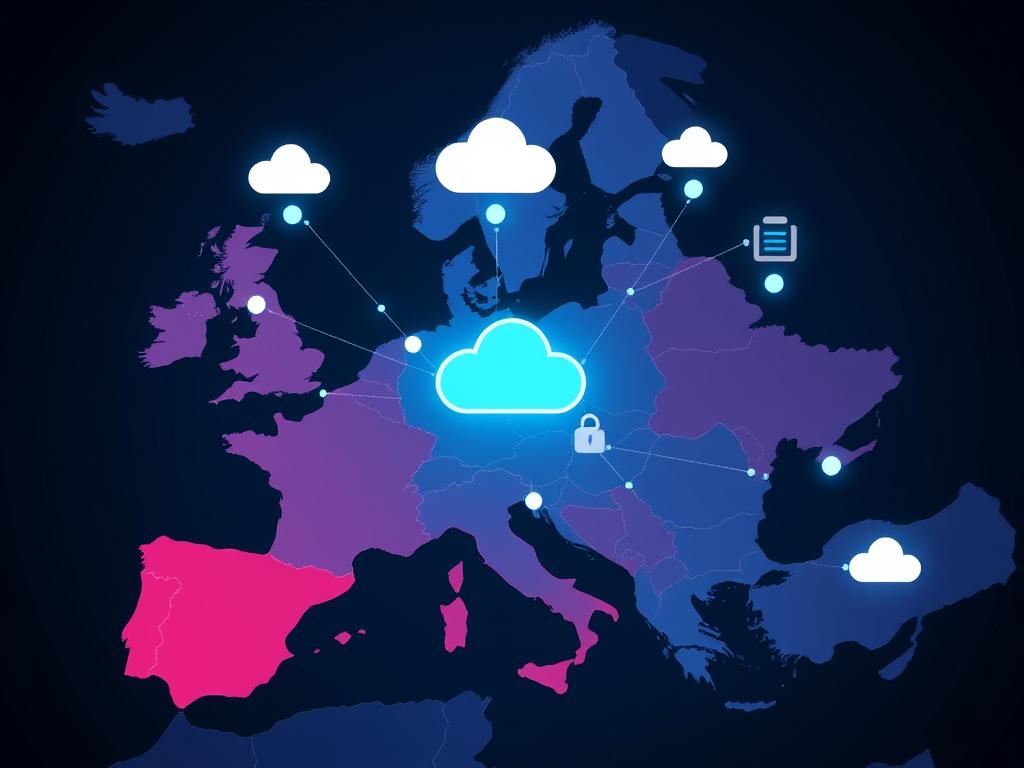
A Outsourced operations Provider Europe helps organizations:
- Centralize IT operations while supporting local requirements
- Maintain consistent service levels across regions
- Meet security and compliance expectations
- Manage hybrid and distributed environments
- Reduce complexity and internal operational burden
- Scale efficiently across European markets
For many organizations, partnering with an MSP is a strategic, long-term decision that enables them to focus on core business activities while ensuring their IT infrastructure remains robust, secure, and adaptable to changing needs.
Managed The service vs Traditional IT Operations
Traditional IT Operations
Often decentralized, reactive, and locally managed. This approach can result in inconsistent service quality, higher costs, and limited scalability across European operations.
- Reactive problem-solving
- Inconsistent processes between locations
- Variable service quality
- Unpredictable costs
- Limited visibility across regions
Operational this provider
Centralized, proactive, and governed through standardized processes. An MSP delivers stability, transparency, and continuous improvement across European operations.
- Proactive monitoring and maintenance
- Standardized processes across regions
- Consistent service levels
- Predictable operational costs
- Comprehensive visibility and reporting
Core Services Delivered by a IT support these provider capabilities in Europe
A Managed offering Provider Europe typically delivers a comprehensive suite of services designed to address the full spectrum of IT operational needs across European markets.
Managed Infrastructure Services
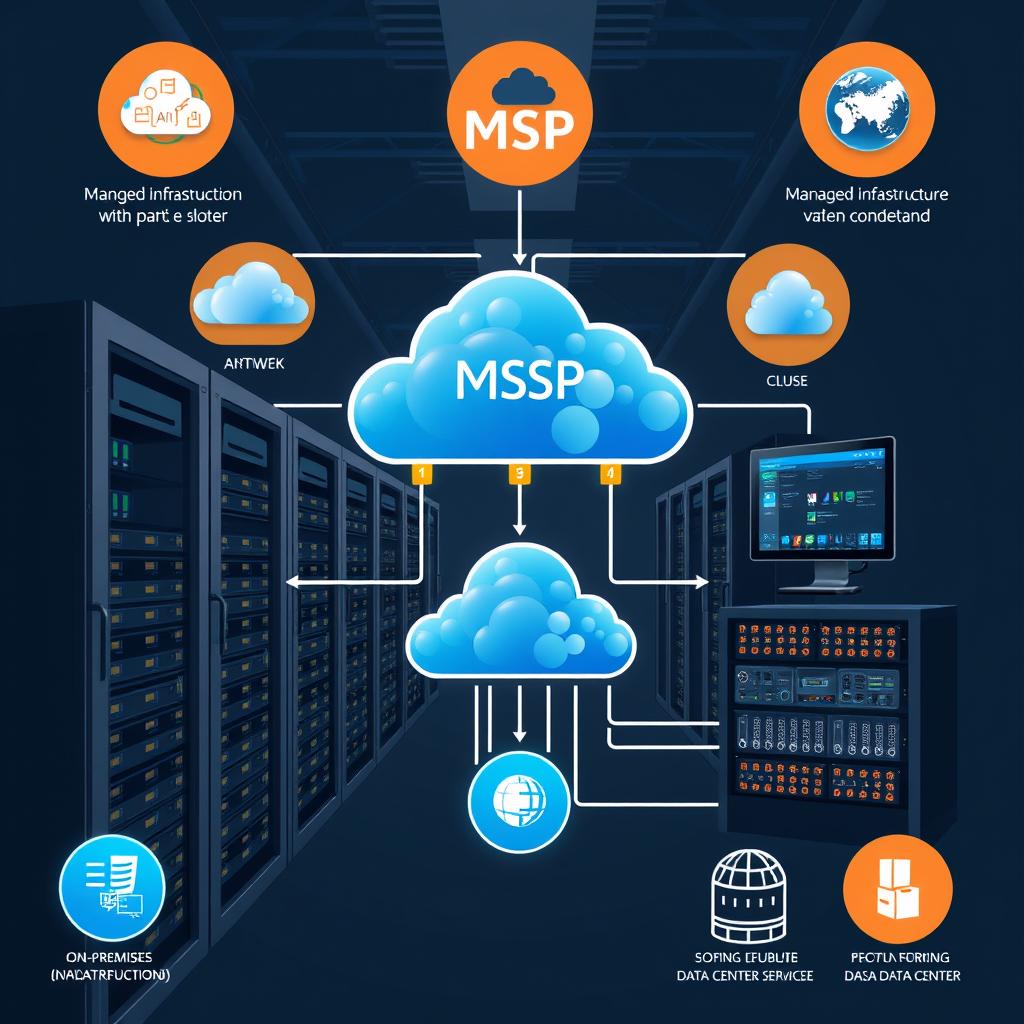
Operation and maintenance of servers, networks, storage, and operating systems across on-prem, cloud, and hybrid environments. This includes hardware lifecycle management, capacity planning, and infrastructure optimization tailored to European operational requirements.
Managed Cloud Services
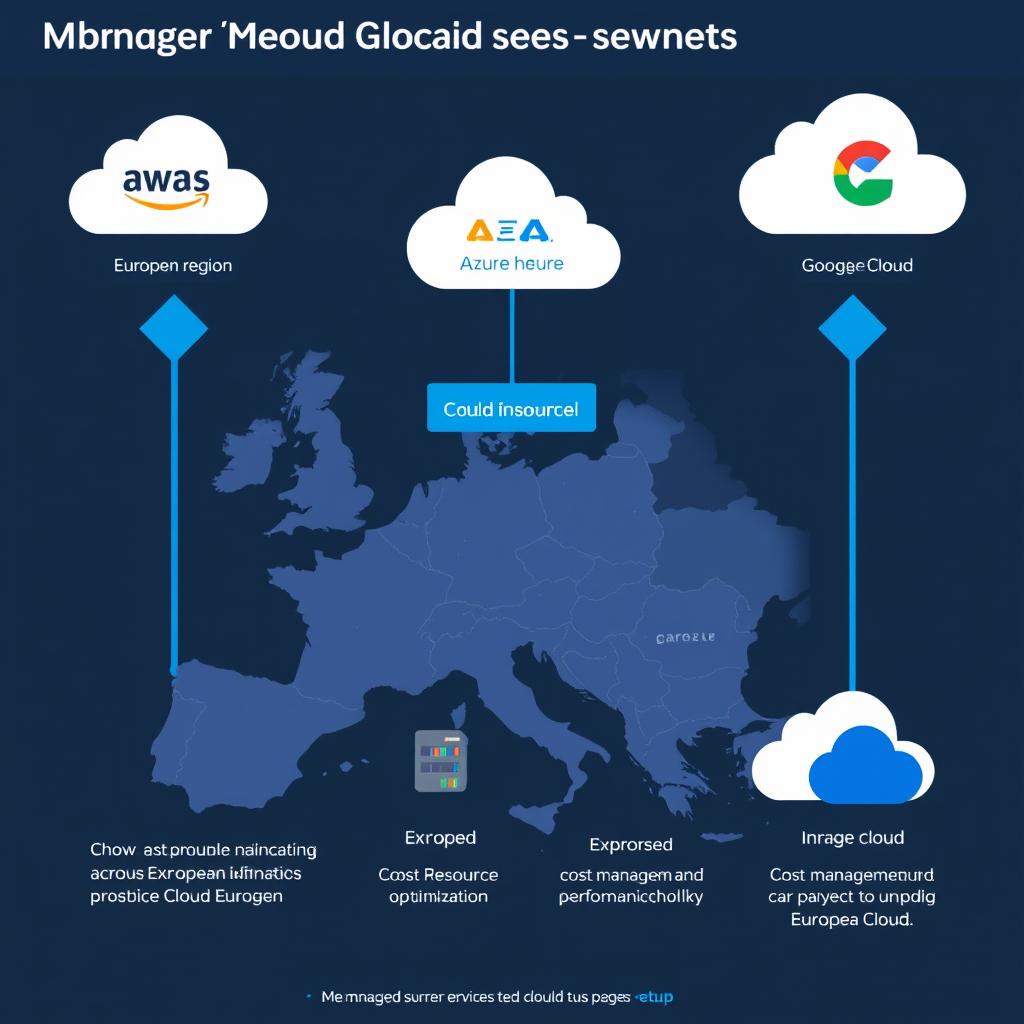
Ongoing management of cloud and hybrid platforms, including monitoring, optimization, and operational stability. This encompasses cloud governance, cost optimization, and performance management across major cloud providers while addressing European data sovereignty requirements.
Managed Security Services
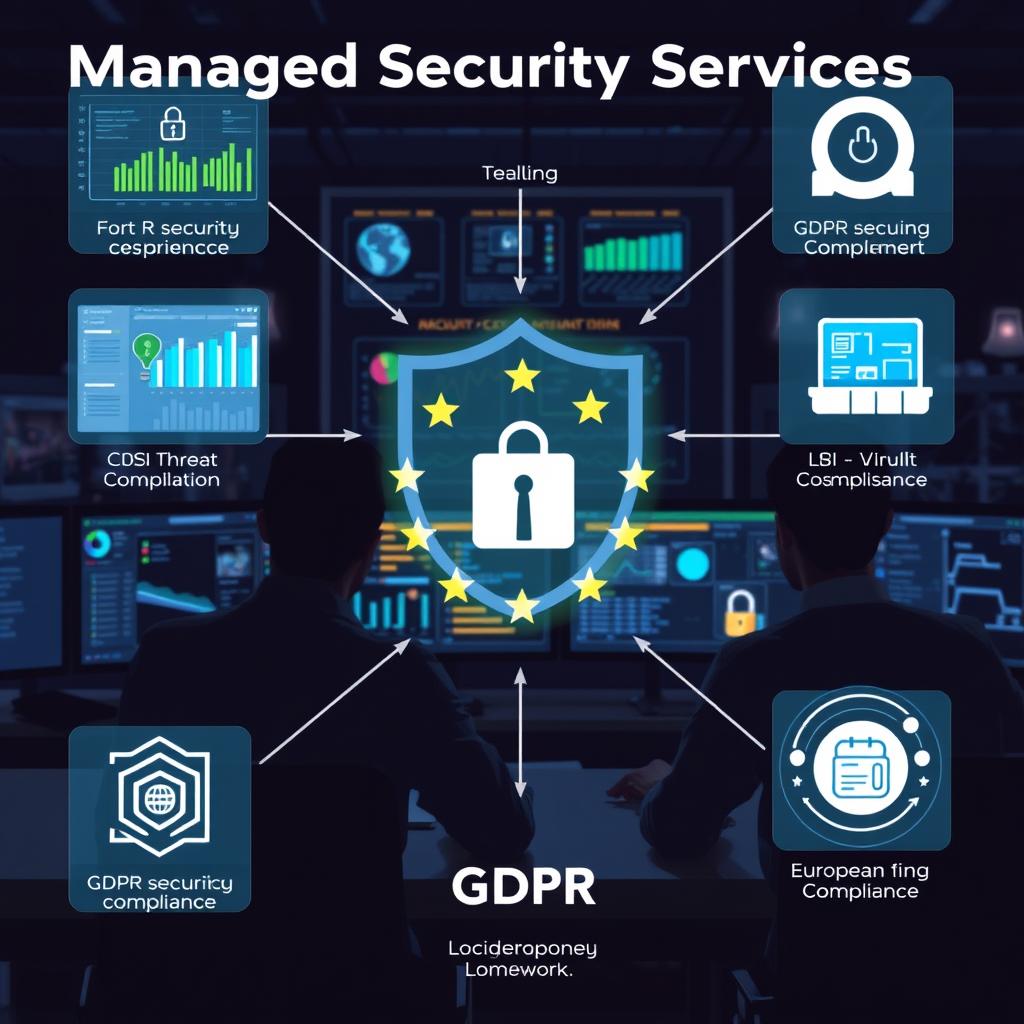
Continuous security monitoring, access control, incident handling, and compliance support across regions. This includes threat detection and response, vulnerability management, and alignment with European regulatory frameworks such as GDPR and NIS2.
Managed Application Services
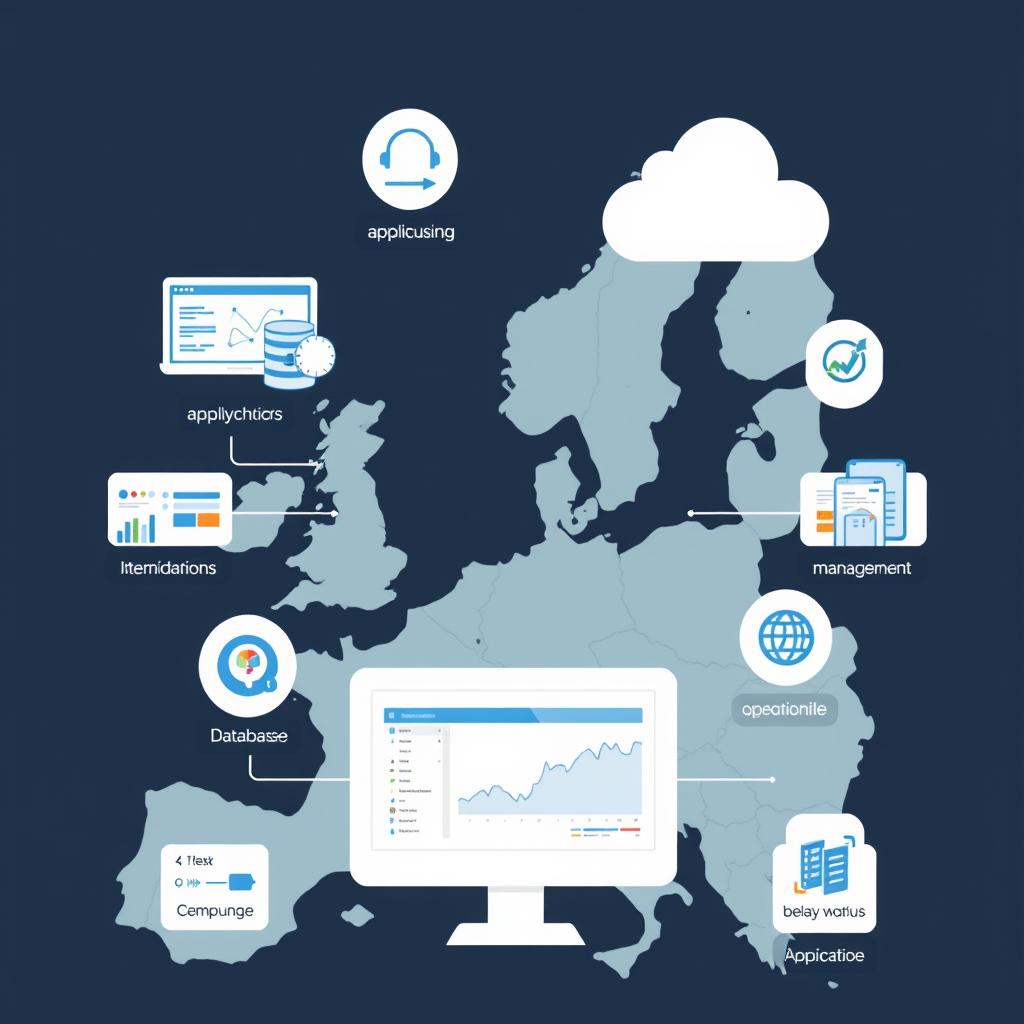
Operational support, monitoring, and lifecycle management of business-critical applications. This covers application performance management, database administration, and ongoing optimization to ensure applications meet business needs across European operations.
Together, these services form a comprehensive European IT operations model that addresses both technical requirements and regional business needs.
How a Managed Service Provider Europe Operates
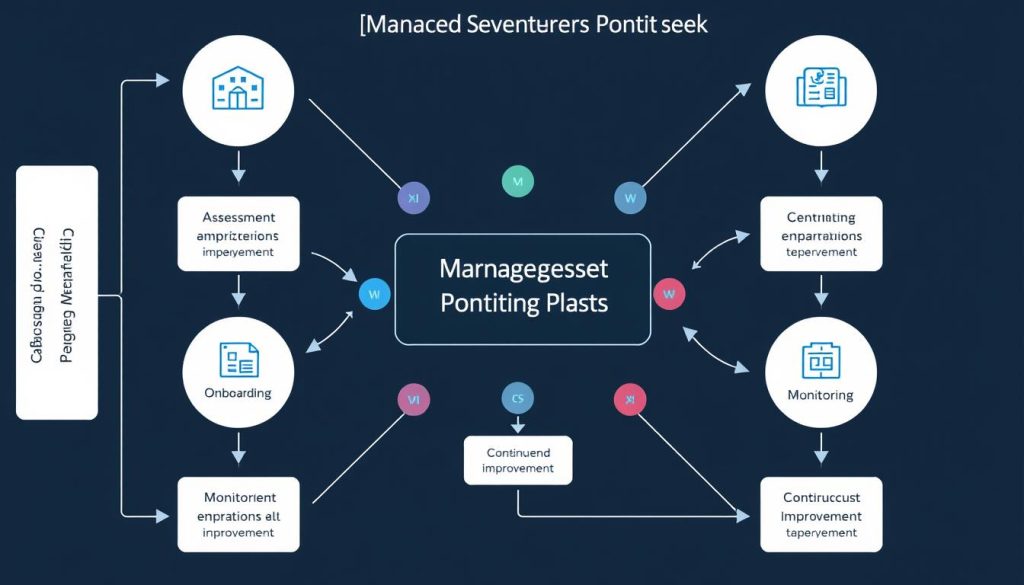
Assessment and Onboarding
MSP engagements begin with a detailed assessment of existing environments, risks, and regional requirements. This defines scope, responsibilities, and service levels. The assessment typically includes infrastructure audits, application inventories, security evaluations, and compliance reviews specific to European operations.
Centralized Operations with Regional Alignment
Operations are centralized to ensure consistency while accommodating local operational and regulatory needs. This balanced approach enables standardized processes while respecting country-specific requirements across European markets, including language support, local business hours, and regional compliance considerations.
Proactive Monitoring and Support
Systems are monitored continuously to detect issues early and maintain operational stability across Europe. This includes 24/7 monitoring of infrastructure, applications, and security events, with defined escalation paths and resolution procedures tailored to business priorities and European operational requirements.
Continuous Optimization
An MSP continuously improves operations through automation, standardization, and performance optimization. Regular service reviews, technology roadmaps, and improvement initiatives ensure that IT operations evolve with changing business needs and technological advancements across European markets.
Operational this approach Architecture for Europe
A scalable MSP architecture for European operations must balance centralized control with regional flexibility, addressing both technical and regulatory requirements across diverse markets.
A comprehensive MSP architecture typically includes:
- Centralized monitoring and alerting systems that provide unified visibility across distributed European environments
- Secure access and identity management frameworks that enforce consistent security policies while accommodating regional requirements
- Standardized operational processes that ensure consistent service delivery across all European locations
- Automation platforms that reduce manual effort and improve consistency of routine operational tasks
- Documentation and governance frameworks that maintain operational knowledge and ensure compliance with European regulations
This architecture must support distributed environments while maintaining centralized control, enabling efficient operations across diverse European business contexts while ensuring consistent service quality and security.
Compliance and Governance for Managed The services in Europe
Organizations operating in Europe must adhere to strict requirements related to data protection, security, and operational resilience. These requirements vary by country and industry, creating a complex compliance landscape that requires specialized expertise.
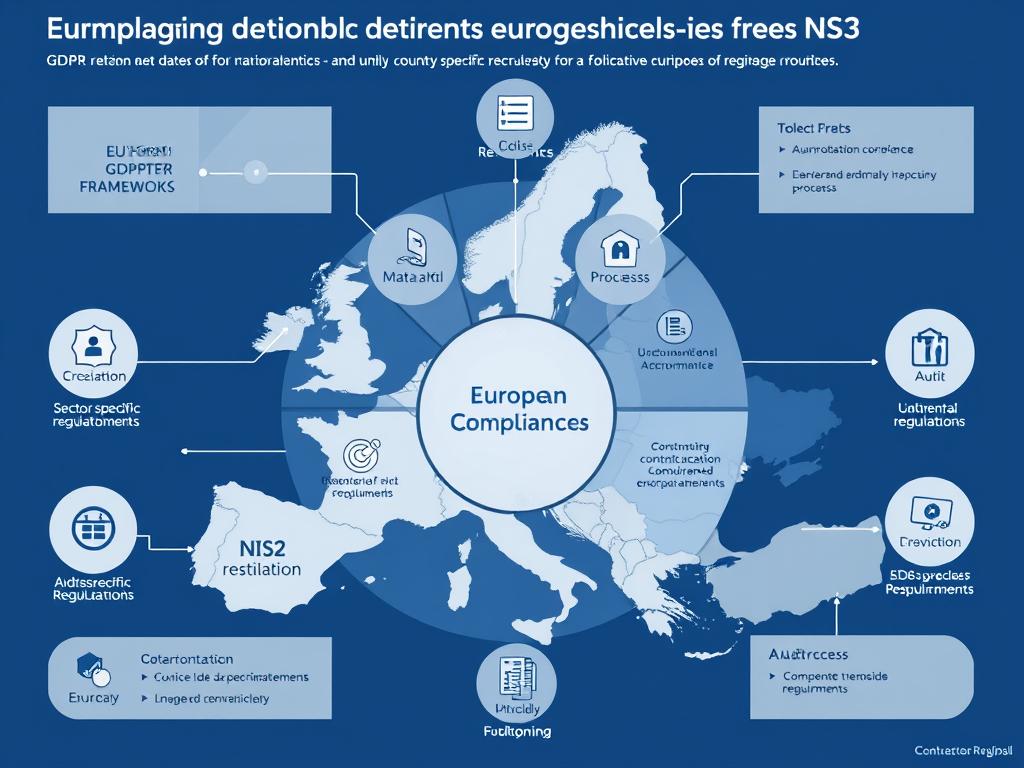
Key compliance areas for European operations include:
- Data protection and privacy regulations, including GDPR and country-specific implementations
- Security controls and frameworks aligned with European standards such as ISO 27001 and NIS2
- Auditability and reporting requirements for regulatory oversight and business governance
- Operational resilience standards that ensure business continuity across European operations
A Professional this provider supports compliance by enforcing standardized processes, access controls, monitoring, and documentation aligned with European regulatory expectations. This structured approach helps organizations navigate the complex European regulatory landscape while maintaining operational efficiency.
Implementing a Managed These provider capabilities in Europe Successfully
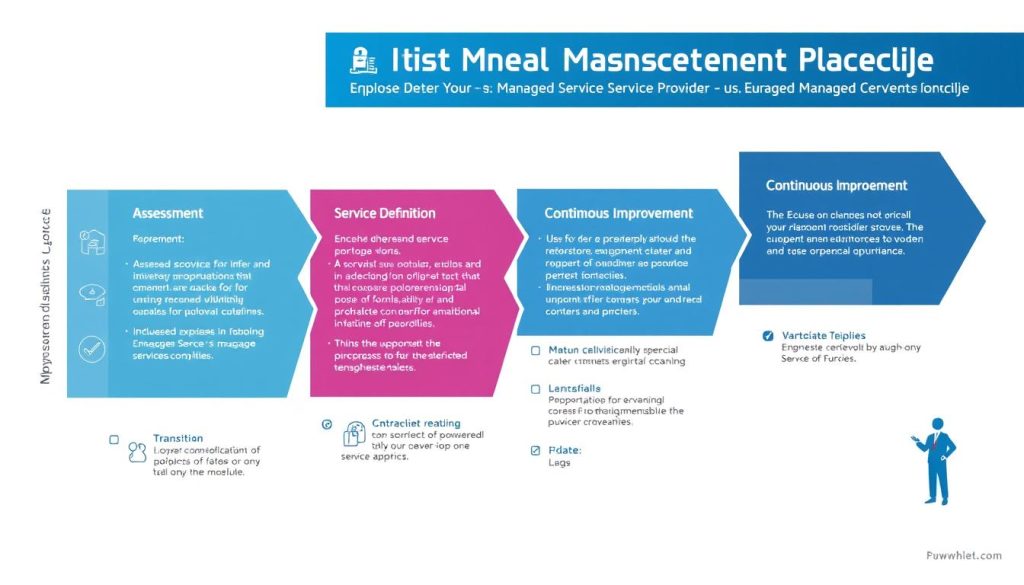
Step 1: Operational and Regulatory Assessment
Understand IT maturity, geographic distribution, and compliance requirements across European operations. This includes evaluating existing infrastructure, applications, security posture, and support processes to identify gaps and opportunities for improvement. The assessment should consider both technical aspects and regional business requirements.
Step 2: Service Scope and Governance Definition
Define responsibilities, service levels, escalation paths, and reporting structures across regions. This establishes clear expectations for service delivery, performance metrics, and operational boundaries. The governance framework should address both centralized control and regional flexibility to accommodate European market diversity.
Step 3: Transition and Stabilization
Transfer operational responsibility in a controlled manner to ensure continuity and stability. This phased approach minimizes business disruption while establishing new operational processes and tools. The transition plan should include knowledge transfer, parallel operations, and progressive handover of responsibilities across European locations.
Step 4: Continuous Service Improvement
Regular reviews and optimization ensure services evolve with business and regulatory changes. This ongoing process identifies opportunities for efficiency, automation, and enhanced service quality. The improvement cycle should incorporate feedback from all European operations to address both common and region-specific needs.
Business Value of a IT support service Provider Europe
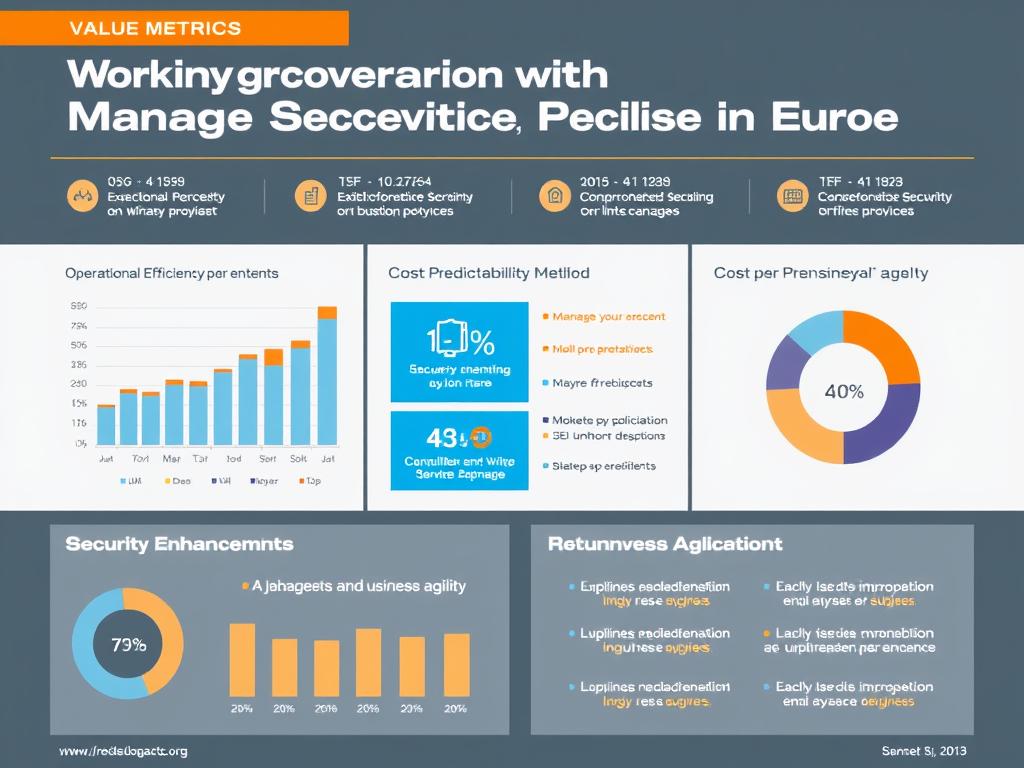
A Managed This approach delivers tangible business value through improved operations, enhanced security, and strategic alignment with European business objectives.
Key value areas include:
- Reducing operational complexity through standardized processes and centralized management across European operations
- Improving availability and reliability with proactive monitoring and structured incident management
- Enhancing security posture through consistent controls, continuous monitoring, and specialized expertise
- Lowering total cost of ownership by optimizing resource utilization and reducing operational overhead
- Increasing predictability and transparency with defined service levels and comprehensive reporting
- Supporting scalable European growth with flexible capacity and standardized operational models
For many organizations, an MSP becomes a trusted operational partner that enables business focus on strategic initiatives while ensuring reliable, secure, and efficient IT operations across European markets.
Common Challenges When Engaging a Outsourced operations Provider in Europe
While the benefits of working with a Managed This provider are significant, organizations should be aware of potential challenges in the European context.
Organizations may encounter challenges such as:
- Managing multi-country operations with varying business practices, languages, and cultural expectations
- Aligning local and central IT teams to ensure consistent governance while respecting regional autonomy
- Integrating legacy and modern systems across diverse European technology landscapes
- Maintaining consistent security standards while addressing country-specific requirements
- Navigating regulatory complexity across different European jurisdictions and industry sectors
These challenges can be addressed through structured governance, standardized processes, and phased adoption that balances central control with regional flexibility. A successful MSP partnership requires clear communication, defined responsibilities, and mutual commitment to continuous improvement.
Operational service Provider as a Foundation for European Digital Growth
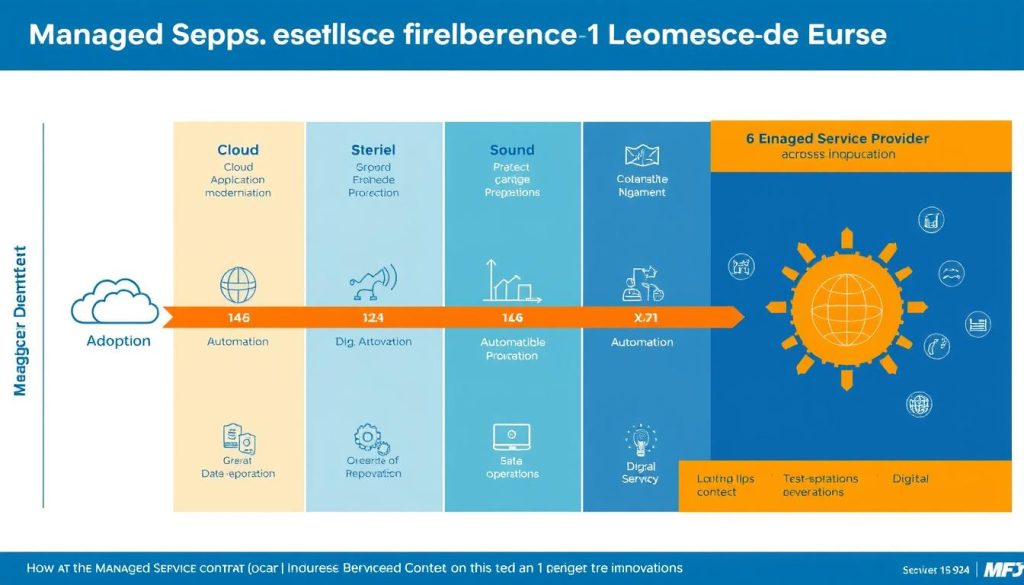
Beyond operational efficiency, a IT support these provider capabilities creates a stable foundation that enables strategic digital initiatives across European operations.
A Professional this approach enables:
- Cloud adoption across Europe with consistent governance, security, and operational models
- Application modernization supported by stable infrastructure and standardized deployment processes
- Advanced analytics and AI initiatives built on reliable data management and processing capabilities
- Automation and operational efficiency through standardized processes and integrated toolsets
- Long-term digital transformation with scalable, secure, and compliant technology foundations
Stable operations enable innovation at scale, allowing organizations to pursue digital initiatives with confidence across European markets. By addressing operational fundamentals, an MSP frees business and technology resources to focus on strategic growth and competitive differentiation.
Getting Started with a Outsourced operations Provider in Europe
A successful MSP engagement starts with clarity around business objectives, operational needs, and regional requirements. A structured approach ensures alignment between IT operations and European business strategy.
Begin by assessing your current European IT landscape, identifying pain points, and defining clear objectives for an MSP partnership. Consider both immediate operational needs and long-term strategic goals across your European footprint. Engage stakeholders from different regions to ensure comprehensive requirements gathering and organizational alignment.
Ready to transform your European IT operations? Our team of experts can help you design and implement a operational services approach tailored to your European business needs.👉 Contact us to discuss Managed Service Provider services in Europe
Frequently Asked Questions About IT support the service Europe
What types of organizations use a Managed offering Provider in Europe?
Organizations of all sizes operating in one or multiple European countries use MSPs to ensure reliable and secure IT operations. This includes multinational enterprises seeking consistent operations across borders, mid-sized companies expanding into new European markets, and organizations with limited internal IT resources seeking specialized expertise.Can a Professional this provider support multi-country environments?
Yes. MSPs are designed to manage distributed, cross-border, and hybrid IT environments. They implement centralized management frameworks while accommodating local requirements, providing consistent service levels across diverse European locations. This approach balances standardization with the flexibility needed to address country-specific operational and regulatory needs.Are Managed These provider capabilities services scalable across Europe?
Yes. MSP services scale as organizations expand into new regions or markets. The standardized operational model enables consistent service delivery regardless of location, while flexible resource allocation accommodates changing business needs. This scalability supports both organic growth and expansion through mergers and acquisitions across European markets.Conclusion
A Managed Service Provider Europe offers organizations a structured, secure, and scalable way to operate IT environments across complex European landscapes. By moving from fragmented operations to proactive management, organizations gain stability, efficiency, and long-term control.
Organizations that partner with a Managed Service Provider establish a strong operational foundation for sustainable European growth. This foundation enables both operational excellence and strategic innovation, creating competitive advantage in increasingly digital European markets.
Transform your European IT operations Discover how our managed services can help you achieve operational excellence across European markets.👉 Contact us to discuss Managed Service Provider services in Europe