

Understanding replatforming success stories: What They Are and Why They Matter
Replatforming represents a significant undertaking for any organization, involving the migration of an existing software application or IT system to a new, often more modern, platform. These initiatives are not merely technical exercises; they are strategic investments aimed at enhancing performance, scalability, security, and ultimately, business agility. Examining replatforming success stories offers invaluable insights into effective strategies and common pitfalls to avoid.
True replatforming success stories demonstrate a clear return on investment, whether through improved operational efficiency, enhanced customer experience, or accelerated innovation. They serve as benchmarks, inspiring other companies to embark on their own digital transformation projects. Understanding the factors behind these achievements is crucial for any enterprise considering a major technology upgrade.
Modern businesses frequently face the challenge of legacy systems that hinder growth and responsiveness. These older systems can be costly to maintain and often lack the capabilities required in today's fast-paced digital landscape. A well-executed platform migration can unlock new opportunities and provide a competitive edge.
The goal isn't just to move technology; it's to transform how a business operates and delivers value. By studying successful replatforming strategies, organizations can glean practical lessons applicable to their unique contexts. This guide aims to distill these lessons, helping you emulate the best practices from notable replatforming success stories.
Key Pillars of Successful replatforming strategies
Emulating replatforming success stories begins with understanding the foundational elements that drive positive outcomes. These pillars extend beyond mere technical execution, encompassing strategic planning, organizational alignment, and meticulous risk management. Ignoring any of these crucial areas can derail even the most promising digital transformation projects.
A clear vision for the future state of your IT infrastructure is paramount. This vision must align with overarching business goals, ensuring that the new platform directly supports strategic objectives. Without a well-defined purpose, the replatforming effort can become aimless, failing to deliver tangible benefits.
Robust project management is another non-negotiable pillar. This includes detailed planning, resource allocation, strict timeline adherence, and proactive issue resolution. Effective leadership throughout the process ensures that teams remain focused and motivated, navigating complexities with agility.
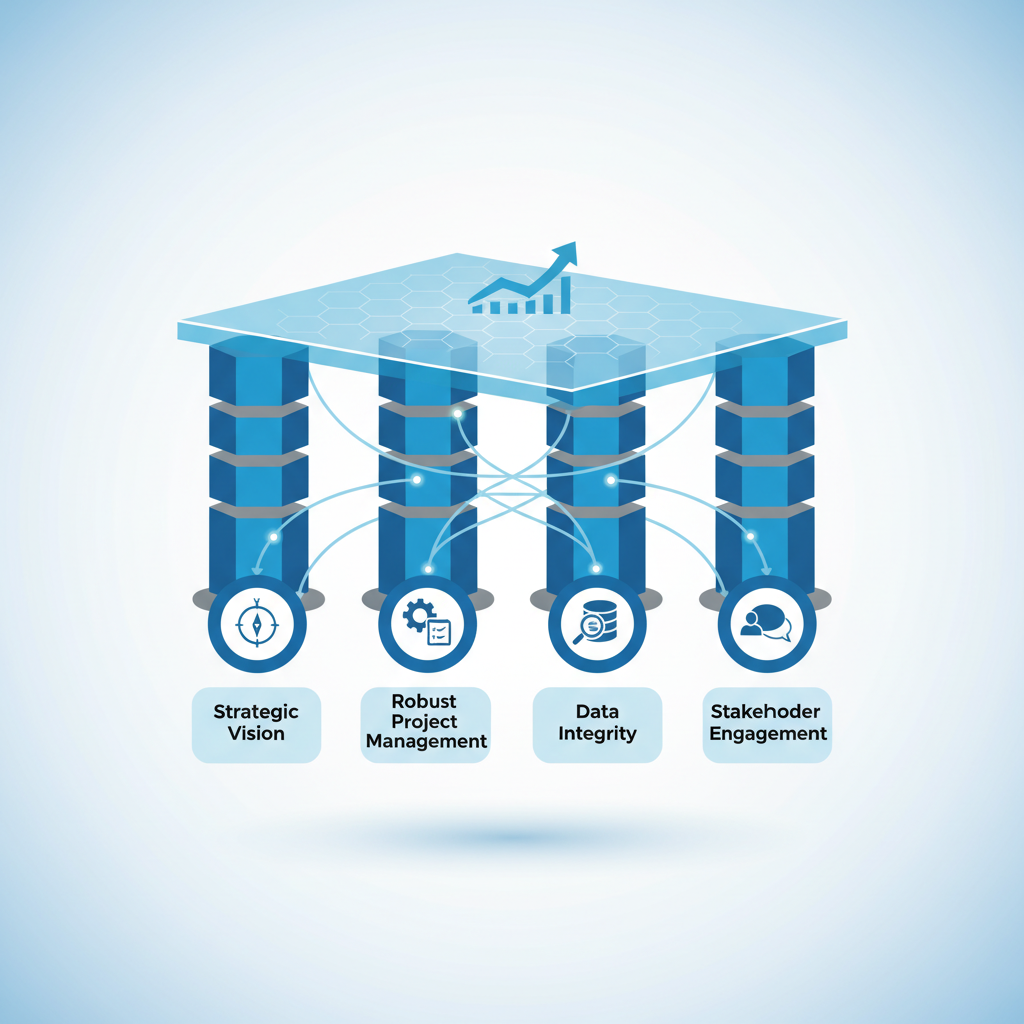
Furthermore, securing executive sponsorship is vital for driving replatforming success stories. When leadership champions the initiative, it provides the necessary resources, removes roadblocks, and fosters a culture of commitment across the organization. This top-down support signals the strategic importance of the platform migration.
Finally, a strong focus on data integrity and security throughout the migration process cannot be overstated. Ensuring that valuable business data is accurately transferred and protected against threats is fundamental. Any compromise in this area can undermine the entire replatforming effort and erode trust.
Step-by-Step Guide to Emulating replatforming success stories
Achieving replatforming success stories requires a structured and methodical approach. By following these steps, organizations can systematically address the complexities of a platform migration, mitigate risks, and maximize their chances of a positive outcome. This guide integrates lessons from numerous enterprise technology upgrade initiatives.
1. Define Your Strategic Objectives and Scope
Begin by clearly articulating what you aim to achieve with the replatforming effort. This involves identifying specific business challenges that the new platform will address, such as improving customer experience, reducing operational costs, or enhancing scalability. Define the scope of the migration, outlining which applications, data, and users will be impacted.
- Identify pain points: Document current inefficiencies, performance bottlenecks, and security vulnerabilities of the legacy system.
- Set measurable goals: Establish Key Performance Indicators (KPIs) to track success, such as load time reduction, uptime improvement, or cost savings.
- Involve key stakeholders: Ensure business users, IT, and leadership contribute to defining the vision and scope.
2. Conduct a Thorough Assessment of Your Current State
Before moving forward, gain a deep understanding of your existing IT infrastructure and applications. This assessment should cover architecture, dependencies, data volumes, integration points, and security configurations. A comprehensive analysis helps uncover potential challenges and informs the new platform's design.
- Audit existing applications: Catalog all applications, their interdependencies, and their current usage patterns.
- Analyze data landscape: Understand data sources, formats, quality, and retention policies.
- Evaluate infrastructure: Assess hardware, networking, and operating system environments.
- Document integrations: Map out all connections to third-party services and internal systems.
3. Select the Right Target Platform
The choice of your new platform is critical and should align with your strategic objectives and technical requirements. Consider factors like scalability, flexibility, cost-effectiveness, vendor support, and ecosystem compatibility. Cloud migration benefits, for instance, often include reduced infrastructure management and increased agility.
- Evaluate platform options: Research various cloud providers (AWS, Azure, Google Cloud), SaaS solutions, or on-premise alternatives.
- Consider future needs: Choose a platform that can evolve with your business, supporting future innovation and growth.
- Assess vendor lock-in: Understand the implications of committing to a specific vendor's ecosystem.
- Perform proof-of-concept: Conduct small-scale tests or pilots to validate platform suitability.
4. Develop a Detailed Migration Plan
A well-structured migration plan is the blueprint for your replatforming journey. This plan should outline phases, timelines, resource allocation, and responsibilities. It must also include strategies for data migration, application refactoring or re-platforming, testing, and rollback procedures.
- Phased approach: Break down the migration into manageable stages to reduce risk and allow for iterative learning.
- Data migration strategy: Define how data will be extracted, transformed, and loaded (ETL), including data cleansing and validation.
- Application strategy: Decide whether to rehost, re-platform, refactor, rebuild, or replace applications.
- Contingency planning: Develop clear rollback plans and backup strategies in case of unforeseen issues.
5. Execute the Migration with Precision
This phase involves the actual transfer of applications and data to the new platform. It requires meticulous execution, continuous monitoring, and effective communication among all teams involved. Adhering to the plan while remaining flexible enough to address emergent issues is key.
- Automate wherever possible: Use scripts and tools to streamline migration tasks, reducing manual errors.
- Monitor performance: Continuously track system performance and user experience during and after migration.
- Communicate regularly: Keep stakeholders informed of progress, challenges, and milestones.
- Address issues proactively: Have a rapid response team to tackle any problems that arise swiftly.
6. Thoroughly Test and Validate the New Platform
Testing is not an afterthought; it's an integral part of ensuring replatforming success stories. Comprehensive testing validates that all functionalities work as expected, performance meets requirements, and security measures are effective. This includes functional testing, performance testing, security testing, and user acceptance testing (UAT).
- Develop test plans: Create detailed test cases for all critical functionalities and integration points.
- Conduct parallel testing: Run old and new systems concurrently for a period to compare results and ensure data consistency.
- Gather user feedback: Involve end-users in UAT to ensure the new system meets their needs and expectations.
7. Go-Live and Post-Migration Optimization
The cutover to the new platform is a critical moment. Plan it carefully, minimizing downtime and ensuring a smooth transition for users. After go-live, continue to monitor the system, gather feedback, and optimize performance. This continuous improvement ensures that you fully realize cloud migration benefits.
- Phased rollout: Consider a phased go-live for specific user groups or functionalities to manage risk.
- Monitor post-launch: Track key metrics, user behavior, and system health closely.
- Gather feedback: Collect input from users and stakeholders to identify areas for further improvement.
- Iterate and optimize: Continuously refine configurations, processes, and integrations to maximize the platform's value.
DISCOVER LEADING ORGANIZATIONS
Discover how leading organizations achieved game-changing results with successful replatforming.
✓ Free consultation✓ No commitment required
✓ Trusted by experts
Navigating Challenges in Enterprise Technology Upgrades
Despite careful planning, replatforming projects often encounter significant hurdles. Recognizing and preparing for these challenges is crucial for turning potential setbacks into replatforming success stories. Enterprise technology upgrade initiatives are complex, involving technical, organizational, and human factors.
One common challenge is managing the complexity of legacy system modernization. Older systems often have intricate interdependencies and undocumented processes, making them difficult to dissect and migrate. This requires deep technical expertise and thorough discovery efforts to avoid unexpected issues.
Another significant obstacle is data migration. Ensuring data integrity, consistency, and completeness during transfer can be daunting, especially with large volumes of historical data. Data cleansing, transformation, and validation are time-consuming but essential steps. Inadequate data migration is a primary cause of project failure.
Resistance to change among employees can also impede progress. Users accustomed to old systems may be reluctant to adopt new tools and workflows. Effective change management strategies, including comprehensive training and clear communication, are vital to foster acceptance and maximize user adoption.
Furthermore, unexpected technical issues, such as compatibility problems or performance bottlenecks on the new platform, can arise. Robust testing and contingency plans are critical to address these swiftly. Budget overruns and timeline delays are also common, underscoring the need for flexible planning and contingency funds.
Measuring Success and Realizing Cloud Migration Benefits
Defining and measuring success is fundamental to any replatforming initiative. replatforming success stories aren't just about launching a new system; they're about achieving tangible business outcomes. Establishing clear metrics from the outset allows organizations to track progress and demonstrate the value of their IT infrastructure modernization efforts.
Key performance indicators (KPIs) should be directly tied to the strategic objectives defined in the initial planning phase. These might include improvements in system uptime, reduction in operational costs, faster processing times, or increased customer satisfaction scores. Regular monitoring of these KPIs provides objective evidence of success.
For many organizations, realizing cloud migration benefits is a primary driver for replatforming. These benefits often include enhanced scalability, allowing systems to handle fluctuating workloads efficiently without significant upfront hardware investments. Cost savings can also be substantial through optimized resource utilization and reduced data center expenses.
Other benefits include improved security postures, as cloud providers typically offer advanced security features and compliance certifications. Increased agility and faster time-to-market for new features and products are also common advantages. These translate into a more competitive and responsive business.
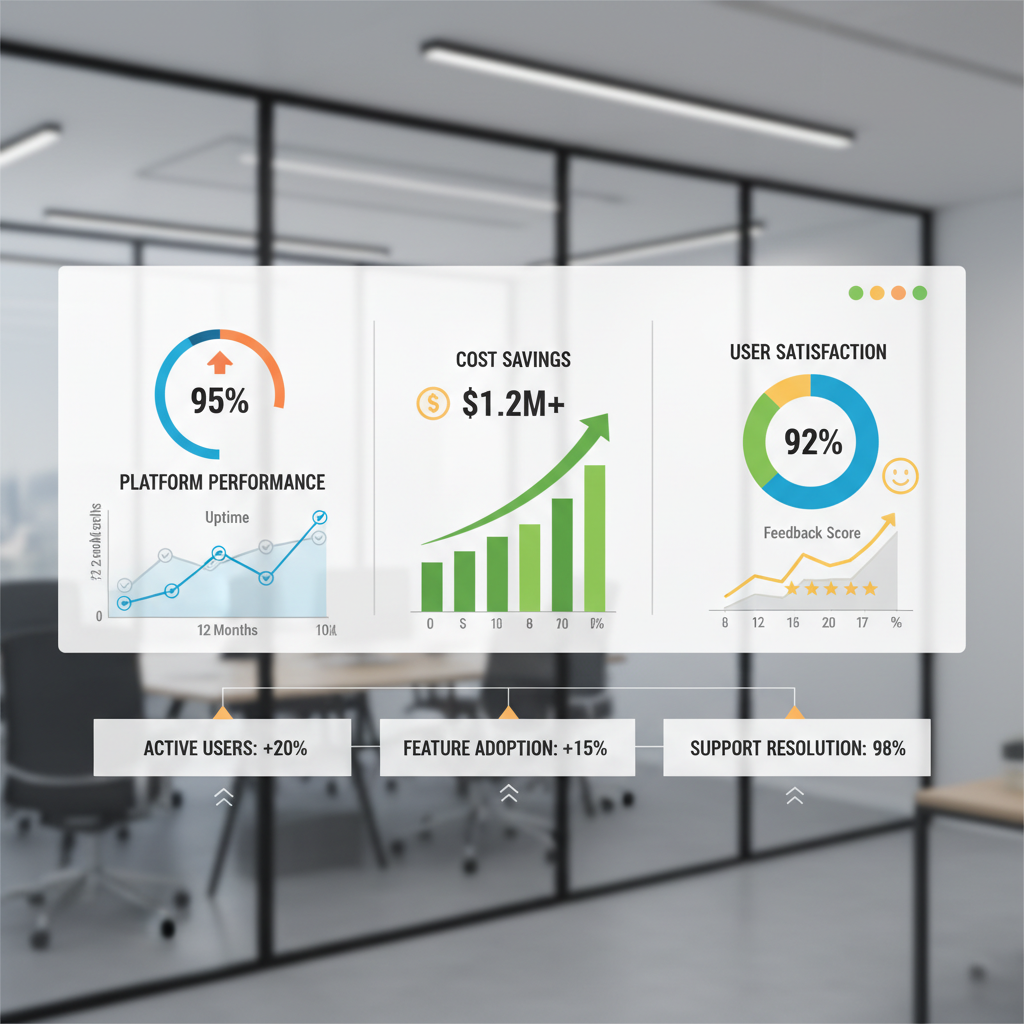
Beyond quantitative metrics, qualitative assessments are also important. This includes gathering feedback from users and stakeholders on their experience with the new platform. A positive user experience and increased productivity among employees are strong indicators of a successful platform migration, even if harder to quantify.
Real-World replatforming case studies: Lessons Learned
Examining actual replatforming case studies provides invaluable context and practical lessons. These examples highlight how diverse organizations have approached their enterprise technology upgrade journeys, showcasing both triumphs and challenges. Learning from others' experiences can inform your own successful replatforming strategies.
One notable example might involve a large e-commerce retailer moving its monolithic application to a microservices architecture on a cloud platform. The challenge was immense, dealing with millions of transactions daily and a sprawling legacy system. Their success hinged on a phased approach, migrating services incrementally rather than a big-bang cutover. This reduced risk and allowed for continuous iteration.
Another case could be a financial institution undertaking legacy system modernization to comply with new regulations and enhance security. Their journey emphasized meticulous data migration strategies and rigorous security testing. The lesson learned was the critical importance of a dedicated, cross-functional security team involved from day one. This ensured compliance and protected sensitive customer data.
A media company might have replatformed its content management system to a cloud-native solution, aiming for greater content delivery speed and global reach. Their success was driven by extensive user training and a strong change management program. This ensured editorial teams quickly adapted to the new system, maximizing the platform's benefits for content creators and consumers alike.
These replatforming success stories consistently underscore several common themes. A clear vision, strong leadership, a phased migration strategy, comprehensive testing, and effective change management are frequently cited as critical factors. While each replatforming case studies is unique, these underlying principles offer universal guidance for achieving your own IT infrastructure modernization goals.
Frequently Asked Questions About replatforming success stories
This section addresses common queries regarding replatforming success stories, offering concise answers to help you navigate your own digital transformation journey.
What is replatforming and why is it important for businesses today?
Replatforming is the process of migrating an application or system from one platform to another, often involving minimal changes to the application's code. It's crucial for businesses to stay competitive, modernize their IT infrastructure, enhance scalability, improve security, and reduce operational costs associated with maintaining legacy systems.
What are the main benefits of a successful platform migration?
Successful platform migration brings numerous benefits, including improved performance, enhanced scalability and reliability, greater agility for development teams, and often significant cost savings through cloud migration benefits. It also enables easier integration with newer technologies and strengthens an organization's security posture against evolving threats.
How can organizations mitigate risks during an enterprise technology upgrade?
Mitigating risks involves thorough planning, including detailed assessments of the current system, comprehensive testing strategies (unit, integration, performance, security, and user acceptance testing), and robust contingency plans. A phased migration approach and effective change management to address user adoption are also crucial for a smooth transition.
What role do replatforming case studies play in planning a new project?
replatforming case studies offer practical insights and lessons learned from real-world digital transformation projects. They help organizations understand common challenges, identify successful replatforming strategies, and benchmark their own plans against proven methods. Studying these examples can reduce risk and inform decision-making, improving the likelihood of success.
How do you measure the success of a replatforming project?
Measuring success involves defining clear KPIs aligned with business objectives from the project's outset. These can include metrics such as reduced operational costs, improved system uptime, faster processing speeds, increased user satisfaction, and enhanced security compliance. Both quantitative data and qualitative feedback contribute to a comprehensive success assessment.
Is replatforming the same as re-architecting or refactoring?
While often used interchangeably, replatforming typically involves moving an application to a new platform with minimal code changes, primarily to leverage new infrastructure benefits. Re-architecting involves redesigning significant parts of the application's architecture, and refactoring focuses on improving internal code structure without changing external behavior. Replatforming can sometimes involve elements of refactoring or minor re-architecting, but its primary goal is platform change.
DISCOVER LEADING ORGANIZATIONS
Discover how leading organizations achieved game-changing results with successful replatforming.
✓ Free consultation✓ No commitment required
✓ Trusted by experts
Conclusion: Charting Your Course for a Modern IT Infrastructure
Emulating replatforming success stories is not merely about technical migration; it's a strategic imperative that underpins business growth and innovation. By understanding the core principles, following a structured approach, and learning from real-world replatforming case studies, organizations can significantly increase their chances of a successful transition. The journey of legacy system modernization requires foresight, meticulous planning, and a commitment to continuous improvement.
A well-executed platform migration leads to a robust, scalable, and secure IT infrastructure, enabling businesses to adapt quickly to market demands and deliver superior value. The benefits extend far beyond technical improvements, fostering greater agility, reducing operational costs, and opening doors to new possibilities. As you embark on your own digital transformation projects, remember that every successful enterprise technology upgrade begins with a clear vision and a dedicated team. Embrace these lessons, and pave the way for your own replatforming success stories in 2026 and beyond.
Opsio provides managed services and cloud consulting to help organizations implement and manage their technology infrastructure effectively.