Condition Monitoring has become a strategic necessity for modern industrial operations seeking to maximize uptime, reduce maintenance costs, and extend asset life. As equipment complexity increases and operational demands grow, Condition Monitoring provides a structured approach to detect potential failures before they occur, enabling maintenance teams to transition from reactive to proactive strategies.
This comprehensive guide covers everything you need to know about Condition Monitoring & Machine Health, from fundamental concepts and techniques to implementation strategies and business value for organizations across manufacturing, energy, transportation, and other asset-intensive industries.
What Is Condition Monitoring?
Condition Monitoring is a proactive maintenance strategy that involves the continuous assessment of equipment health through real-time data collection and analysis. Unlike reactive maintenance that addresses issues after failure occurs, condition monitoring focuses on detecting early warning signs of potential problems, allowing maintenance teams to intervene before equipment breaks down.
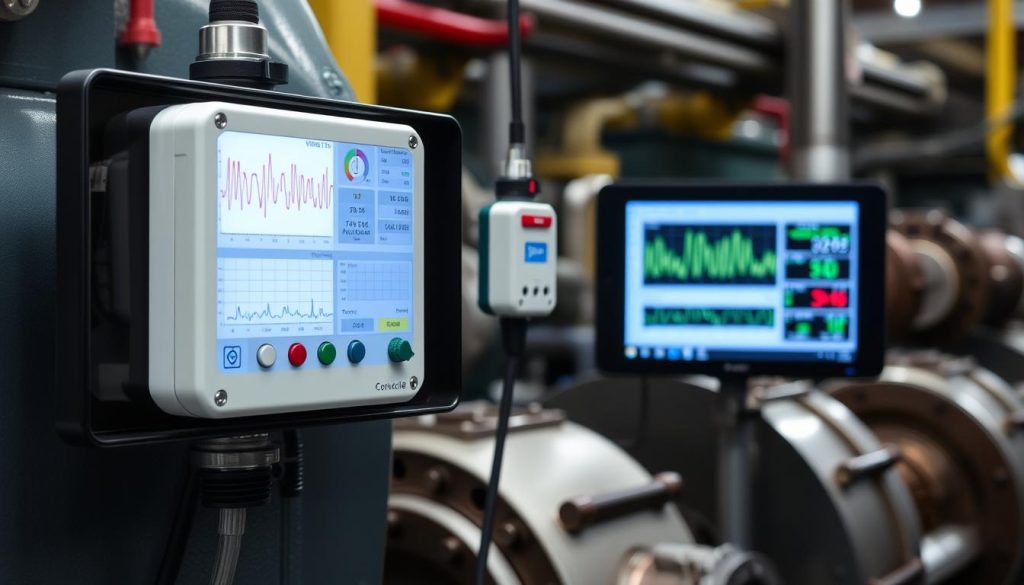
In industrial environments, condition monitoring typically involves strategically placed sensors that measure various parameters such as vibration, temperature, pressure, and sound. These sensors continuously gather data that is analyzed to identify anomalies, patterns, and trends that may indicate developing faults or deviations from normal operating conditions.
The primary goals of condition monitoring include:
- Increasing equipment uptime and reliability
- Reducing unplanned downtime and associated costs
- Extending asset lifespan through timely interventions
- Improving workplace safety by preventing catastrophic failures
- Optimizing maintenance resources by performing work only when needed
By continuously monitoring asset health, organizations can transition from time-based maintenance schedules to condition-based maintenance, where maintenance activities are performed based on the actual condition of equipment rather than arbitrary intervals.
Why Condition Monitoring Is Critical for Modern Industry
Organizations across industrial sectors face increasing pressure to maximize operational efficiency while minimizing costs. Unplanned downtime represents one of the most significant challenges, with studies showing that unexpected equipment failures can cost industrial manufacturers up to $50,000 per hour in lost production.
Condition monitoring has become essential for modern industrial operations for several key reasons:
Financial Impact
Unplanned downtime directly impacts the bottom line through lost production, emergency repair costs, and potential damage to other equipment. Condition monitoring helps prevent these financial losses by identifying issues before they cause operational disruption.
Safety Considerations
Equipment failures can create hazardous conditions for personnel. By detecting potential failures early, condition monitoring helps maintain a safer working environment and reduces the risk of accidents caused by malfunctioning equipment.
Regulatory Compliance
Many industries face strict regulatory requirements regarding equipment maintenance and safety. Condition monitoring provides documented evidence of proactive maintenance efforts, helping organizations meet compliance standards and avoid penalties.
Competitive Advantage
Organizations that implement effective condition monitoring programs can achieve higher operational reliability, better product quality, and lower maintenance costs—all contributing to a stronger competitive position in the marketplace.
For many organizations, condition monitoring has evolved from a nice-to-have technology to an essential component of operational excellence and business continuity strategies.
Condition Monitoring vs. Reactive Maintenance
Understanding the fundamental differences between condition monitoring and reactive maintenance approaches helps illustrate why proactive strategies deliver superior results:
Reactive Maintenance
- Addresses equipment issues only after failure occurs
- Results in unplanned downtime and production losses
- Creates unpredictable maintenance costs and budgeting challenges
- Often requires emergency repairs at premium rates
- Shortens equipment lifespan due to catastrophic failures
- Increases safety risks for personnel
- Focuses on fixing symptoms rather than addressing root causes
Condition Monitoring
- Detects potential issues before failure occurs
- Minimizes unplanned downtime through scheduled interventions
- Creates predictable maintenance costs and improved budgeting
- Allows for planned repairs during scheduled downtime
- Extends equipment lifespan through early intervention
- Improves workplace safety by preventing failures
- Enables root cause analysis and systemic improvements
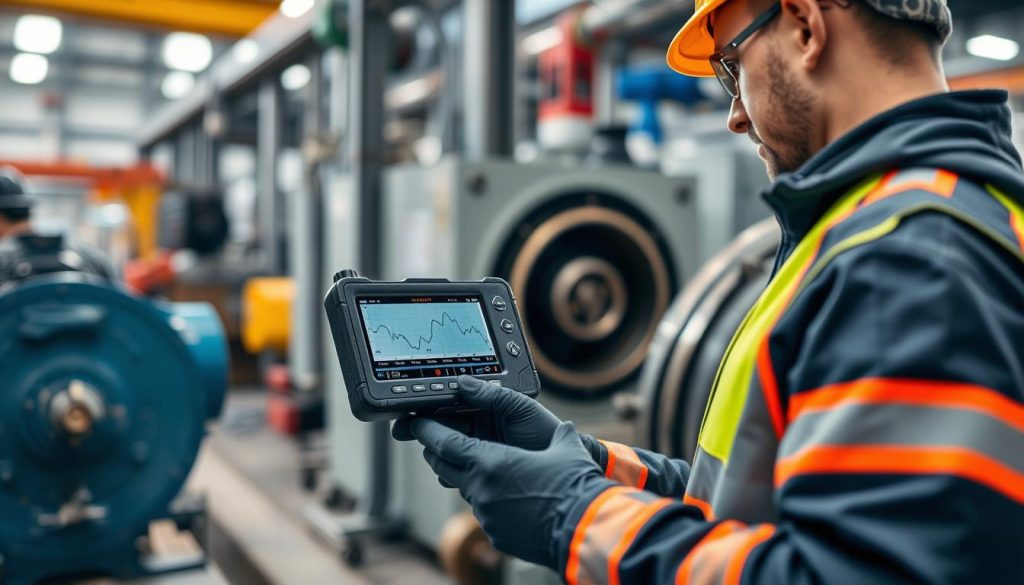
While reactive maintenance may seem less expensive in the short term (as it requires no investment in monitoring technology), the long-term costs of unplanned downtime, emergency repairs, and shortened equipment life make it significantly more expensive over time. Condition monitoring represents a strategic investment that delivers substantial returns through improved reliability and reduced total cost of ownership.
Core Condition Monitoring Techniques & Technologies
Condition monitoring encompasses a variety of techniques and technologies, each designed to detect specific types of potential failures. The most effective condition monitoring programs typically employ multiple techniques to provide comprehensive coverage of critical assets.
Vibration Monitoring
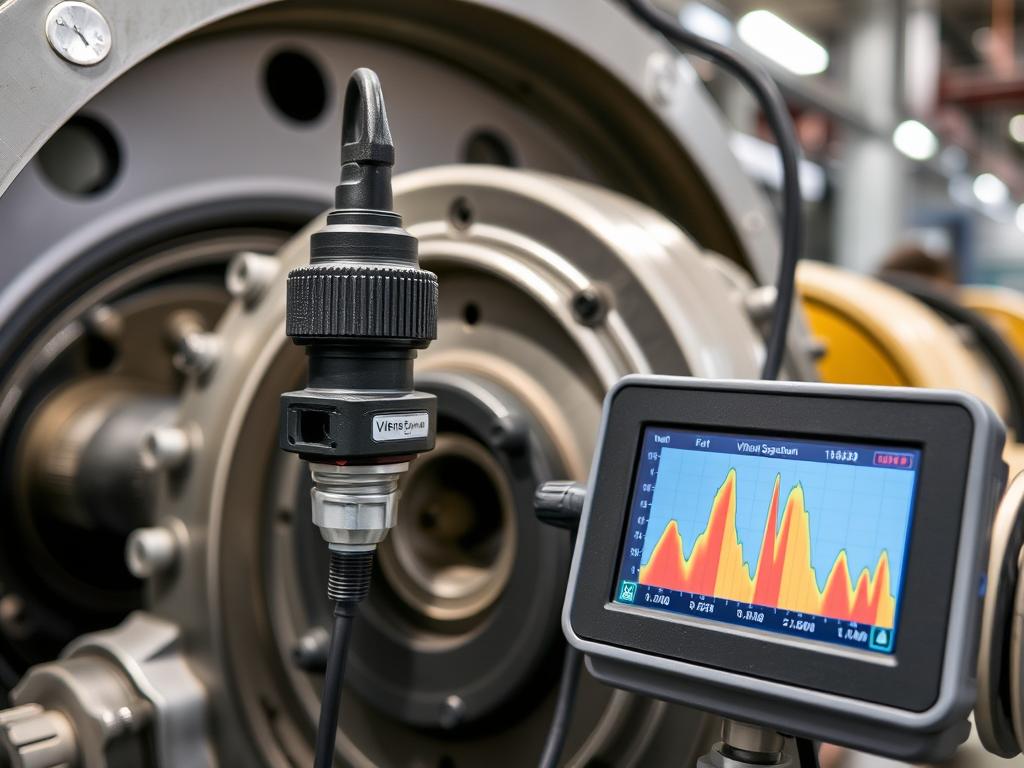
Vibration analysis is one of the most widely used condition monitoring techniques, particularly for rotating equipment such as motors, pumps, fans, and gearboxes. By measuring and analyzing vibration patterns, maintenance teams can detect issues like imbalance, misalignment, bearing wear, and mechanical looseness before they lead to failure.
Modern vibration monitoring systems use accelerometers to capture vibration data, which is then analyzed using specialized software to identify frequency patterns associated with specific fault conditions. This technique can detect problems months before they would become apparent through other means.
Thermal Imaging
Thermal imaging uses infrared technology to detect temperature variations in equipment. Abnormal heat patterns often indicate problems such as electrical resistance, friction, or cooling system issues. This non-contact technique is particularly valuable for monitoring electrical systems, where hotspots can indicate loose connections or overloaded circuits.
Thermal imaging cameras create visual heat maps that make it easy to identify temperature anomalies, even in complex systems with multiple components. Regular thermal scans can detect developing issues that might otherwise go unnoticed until failure occurs.
Oil Analysis
Oil analysis involves examining lubricant samples to detect wear particles, contaminants, and changes in oil properties. This technique provides valuable insights into the internal condition of equipment without disassembly, making it ideal for monitoring engines, gearboxes, hydraulic systems, and other lubricated components.
Modern oil analysis can detect microscopic wear particles that indicate specific component degradation, allowing maintenance teams to identify exactly which parts are wearing and plan appropriate interventions. Regular oil analysis also helps optimize lubrication practices, extending equipment life and improving reliability.
Ultrasonic Testing
Ultrasonic testing detects high-frequency sounds produced by equipment issues such as compressed air leaks, steam traps, electrical arcing, and early-stage bearing failures. These sounds occur above the range of human hearing but can be captured with specialized ultrasonic sensors.
This technique is particularly effective for detecting pressure and vacuum leaks, which can cause significant energy losses and reduced system efficiency. Ultrasonic testing is also valuable for monitoring electrical equipment, where corona discharge and arcing produce distinctive ultrasonic signatures.
Motor Current Analysis
Motor current analysis monitors the electrical current consumed by motors to detect mechanical and electrical issues. By analyzing current signatures, maintenance teams can identify problems such as broken rotor bars, air gap eccentricity, bearing damage, and power quality issues.
This technique is non-invasive and can be implemented without interrupting operations, making it ideal for continuous monitoring of critical motors. Motor current analysis complements vibration monitoring, providing additional insights into motor health and performance.
How a Condition Monitoring Program Works
Implementing an effective condition monitoring program involves several key steps, from initial assessment to ongoing optimization. Each step plays a crucial role in ensuring the program delivers maximum value and reliability improvements.
Assessment and Criticality Analysis
The first step in implementing condition monitoring is to identify which assets should be monitored. Not all equipment requires the same level of monitoring, so organizations typically conduct a criticality analysis to prioritize assets based on factors such as:
- Impact of failure on operations and safety
- Replacement cost and lead time
- Historical reliability and failure patterns
- Maintenance costs and complexity
This analysis helps focus monitoring resources on the most critical assets where condition monitoring will deliver the greatest return on investment.
Sensor Deployment & Data Collection
Once critical assets are identified, appropriate sensors are selected and installed to monitor relevant parameters. Sensor selection depends on the equipment type, failure modes, and operating environment. Common sensor types include:
- Accelerometers for vibration monitoring
- Thermocouples and RTDs for temperature monitoring
- Pressure transducers for hydraulic and pneumatic systems
- Current transformers for electrical monitoring
- Ultrasonic sensors for leak detection and bearing monitoring
These sensors may be permanently installed for continuous monitoring or used periodically for route-based data collection, depending on the criticality of the asset and the monitoring strategy.
Data Analysis & Alerting
The data collected from sensors is analyzed using specialized software to identify patterns, trends, and anomalies that may indicate developing problems. Modern condition monitoring systems employ various analytical techniques, including:
- Trend analysis to track parameter changes over time
- Spectral analysis to identify frequency patterns in vibration data
- Pattern recognition to detect anomalies from normal operation
- Statistical analysis to establish baseline conditions and thresholds
When the analysis detects potential issues, the system generates alerts to notify maintenance personnel. These alerts can be prioritized based on severity and urgency, helping teams focus on the most critical problems first.
Maintenance Planning & Execution
Based on the condition monitoring data and alerts, maintenance teams can plan and schedule appropriate interventions. This condition-based approach allows maintenance to be performed at the optimal time—not too early (which wastes resources) and not too late (which risks failure).
The planning process typically includes:
- Determining the specific maintenance actions required
- Scheduling work during planned downtime when possible
- Ordering necessary parts and materials in advance
- Allocating appropriate personnel and resources
- Documenting the condition that triggered the maintenance
After maintenance is performed, follow-up monitoring confirms that the issue has been resolved and establishes new baseline conditions for ongoing monitoring.
Condition Monitoring System Architecture
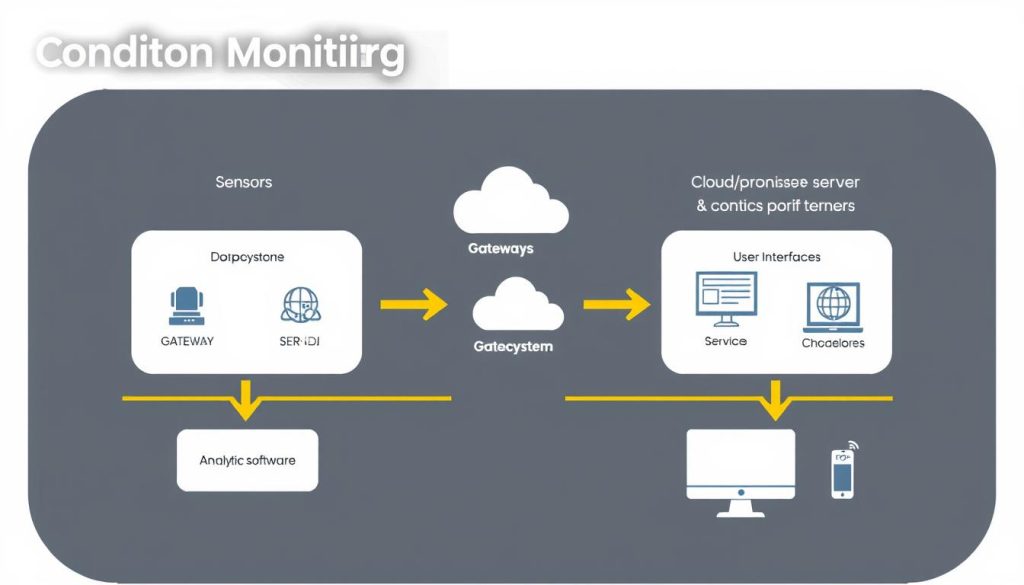
A comprehensive condition monitoring system consists of several interconnected components that work together to collect, transmit, store, and analyze data. Understanding this architecture helps organizations design and implement effective monitoring solutions.
Sensors & Data Acquisition
The foundation of any condition monitoring system is the sensor network that collects data from equipment. These sensors convert physical parameters (vibration, temperature, etc.) into electrical signals that can be processed and analyzed.
Data acquisition devices collect signals from multiple sensors and convert them into digital format. These devices may include signal conditioning to improve data quality and preliminary processing to reduce data volume.
Communication & Networking
Communication infrastructure transmits data from acquisition devices to central systems for storage and analysis. This may include wired networks (Ethernet, fieldbus) or wireless technologies (Wi-Fi, Bluetooth, cellular, or specialized industrial protocols).
Edge computing devices may be deployed to process data locally before transmission, reducing bandwidth requirements and enabling real-time analysis at the source.
Data Storage & Processing
Collected data is stored in databases or data lakes, either on-premises or in cloud platforms. These systems must handle large volumes of time-series data while maintaining accessibility for analysis.
Processing systems analyze the stored data using various algorithms and techniques to detect patterns, trends, and anomalies. This may include machine learning models that improve detection accuracy over time.
Analytics & Visualization
Analytics software transforms raw data into actionable insights through trend analysis, pattern recognition, and predictive modeling. These tools help identify developing issues and predict when maintenance will be required.
Visualization interfaces present complex data in accessible formats such as dashboards, trend charts, and equipment health indicators. These interfaces make it easy for maintenance personnel to understand equipment condition and prioritize actions.
Integration & Workflow
Integration with maintenance management systems (CMMS/EAM) enables automatic work order generation based on condition monitoring alerts. This streamlines the maintenance workflow and ensures timely response to detected issues.
Notification systems alert appropriate personnel when potential problems are detected, using email, SMS, mobile apps, or other communication channels based on severity and urgency.
A well-designed condition monitoring architecture balances technical capabilities with practical considerations such as scalability, security, and total cost of ownership. The architecture should be flexible enough to accommodate future expansion and technology advancements while maintaining reliability and performance.
Condition Monitoring and Operational Compliance
Beyond its direct benefits for equipment reliability, condition monitoring plays a crucial role in helping organizations meet regulatory requirements and operational standards. Many industries face strict regulations regarding equipment safety, environmental impact, and operational integrity.
Condition monitoring supports compliance in several key areas:
Safety Standards
Organizations must ensure equipment operates safely to protect personnel and prevent accidents. Condition monitoring provides early warning of potential safety issues, helping maintain compliance with standards such as:
- OSHA requirements for workplace safety
- Industry-specific safety regulations
- Insurance requirements for risk management
By documenting proactive monitoring and maintenance activities, organizations can demonstrate due diligence in addressing potential safety hazards.
Environmental Regulations
Equipment failures can lead to environmental incidents such as leaks, emissions, or contamination. Condition monitoring helps prevent such incidents by detecting developing issues before they result in environmental impact.
This proactive approach supports compliance with environmental regulations and permits, which often require organizations to implement best practices for preventing releases and minimizing environmental risk.
Quality Management
Many quality management systems (such as ISO 9001) require organizations to maintain equipment in good working condition to ensure consistent product quality. Condition monitoring provides documented evidence of equipment health monitoring and maintenance activities.
This documentation helps organizations pass quality audits and maintain certifications that may be required by customers or regulatory authorities.
By implementing comprehensive condition monitoring programs, organizations not only improve equipment reliability but also strengthen their compliance posture and reduce regulatory risk. The documented history of equipment condition and maintenance activities provides valuable evidence during audits and inspections.
Implementing Condition Monitoring Successfully
Successful implementation of condition monitoring requires a structured approach that addresses technical, organizational, and human factors. Following a proven implementation methodology helps organizations maximize the value of their condition monitoring investments.
Step 1: Asset Criticality & Feasibility Study
Begin by assessing your equipment portfolio to identify critical assets that would benefit most from condition monitoring. Consider factors such as:
- Impact of failure on operations, safety, and environment
- Historical reliability and maintenance costs
- Replacement cost and lead time
- Feasibility of monitoring (accessibility, sensor compatibility)
This assessment helps prioritize implementation efforts and allocate resources effectively. Focus initially on assets where condition monitoring will deliver the greatest return on investment.
Step 2: Technology Selection & Baseline Establishment
Select appropriate monitoring technologies based on equipment types, failure modes, and operating environments. Consider factors such as:
- Types of parameters to monitor (vibration, temperature, etc.)
- Continuous vs. periodic monitoring requirements
- Wired vs. wireless sensor options
- Integration with existing systems and infrastructure
- Total cost of ownership, including ongoing maintenance
Once technologies are selected, establish baseline measurements for each monitored asset. These baselines serve as reference points for detecting changes in equipment condition over time.
Step 3: Pilot Deployment & Integration
Implement condition monitoring on a limited set of assets to validate the approach and refine processes before full-scale deployment. During the pilot phase:
- Install and configure monitoring equipment
- Develop data analysis procedures and alarm thresholds
- Train personnel on system operation and data interpretation
- Integrate with maintenance management systems
- Document lessons learned and best practices
The pilot phase provides valuable experience and helps identify potential challenges before broader implementation.
Step 4: Full Rollout & Continuous Refinement
Based on pilot results, expand condition monitoring to additional assets according to the prioritization established in Step 1. During full rollout:
- Apply lessons learned from the pilot phase
- Standardize installation and configuration procedures
- Develop comprehensive documentation and training materials
- Establish performance metrics to measure program effectiveness
- Implement continuous improvement processes
Regularly review and refine the condition monitoring program based on operational experience and evolving technologies. Continuous improvement ensures the program remains effective and delivers maximum value over time.
Business Value of Condition Monitoring
Condition monitoring delivers substantial business value through multiple mechanisms, from direct cost savings to strategic operational improvements. Understanding these value drivers helps organizations build compelling business cases for condition monitoring investments.
Reduced Downtime
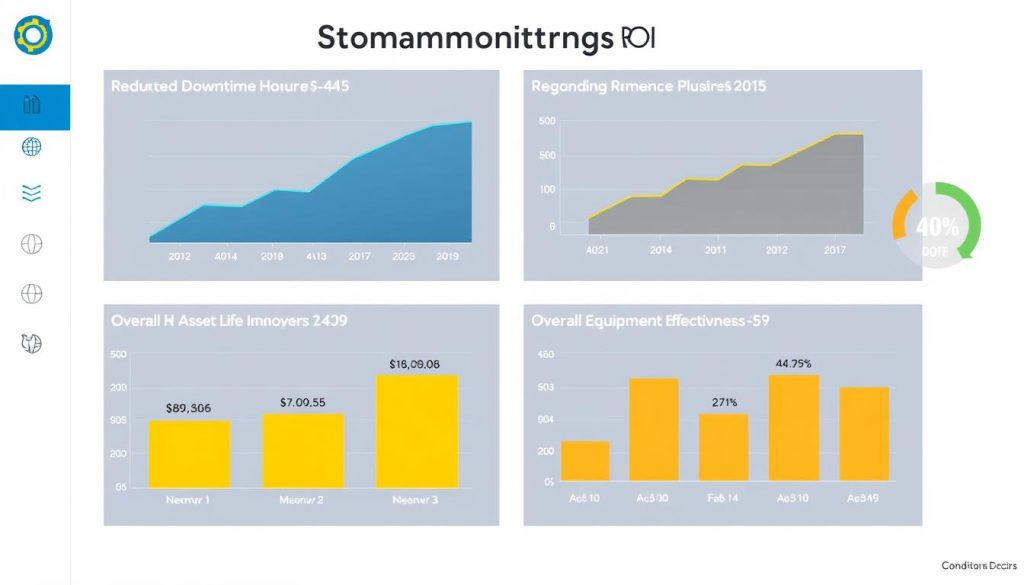
By detecting potential failures before they occur, condition monitoring helps prevent unplanned downtime that can cost thousands of dollars per hour in lost production. Studies show that condition-based maintenance can reduce downtime by 35-45% compared to reactive approaches.
This improved availability translates directly to increased production capacity and revenue. For many organizations, the downtime reduction alone provides sufficient ROI to justify condition monitoring investments.
Lower Maintenance Costs
Condition monitoring optimizes maintenance resources by ensuring work is performed only when needed—not too early (wasting resources on unnecessary maintenance) and not too late (requiring expensive emergency repairs).
Organizations typically see 25-30% reductions in overall maintenance costs through reduced emergency repairs, optimized parts inventory, and more efficient use of maintenance personnel. These savings contribute directly to improved profitability.
Extended Asset Lifespan
Early detection and correction of developing issues helps prevent the severe damage that occurs during catastrophic failures. This gentler treatment extends equipment life, deferring capital expenditures for replacements.
Asset life extensions of 20-40% are common with effective condition monitoring programs, representing significant capital savings over time. This benefit is particularly valuable for expensive, critical equipment with long procurement lead times.
Improved Safety
Equipment failures can create hazardous conditions for personnel, leading to injuries, regulatory violations, and associated costs. Condition monitoring helps prevent such failures, creating a safer working environment and reducing safety-related incidents.
The resulting benefits include reduced workers’ compensation costs, lower insurance premiums, and avoidance of regulatory penalties. While difficult to quantify precisely, these safety improvements represent significant value for organizations.
Better Capital Planning
Condition monitoring provides data-driven insights into equipment health and remaining useful life, enabling more accurate forecasting of capital replacement needs. This improved visibility helps organizations optimize capital budgets and avoid both premature replacements and unexpected failures.
The resulting benefits include more efficient use of capital, better alignment of investments with operational needs, and reduced financial surprises from unexpected equipment failures.
When properly implemented, condition monitoring delivers a compelling return on investment through multiple value streams. Organizations typically see payback periods of 3-18 months for condition monitoring investments, with ongoing benefits throughout the life of the monitored assets.
Common Challenges in Adoption
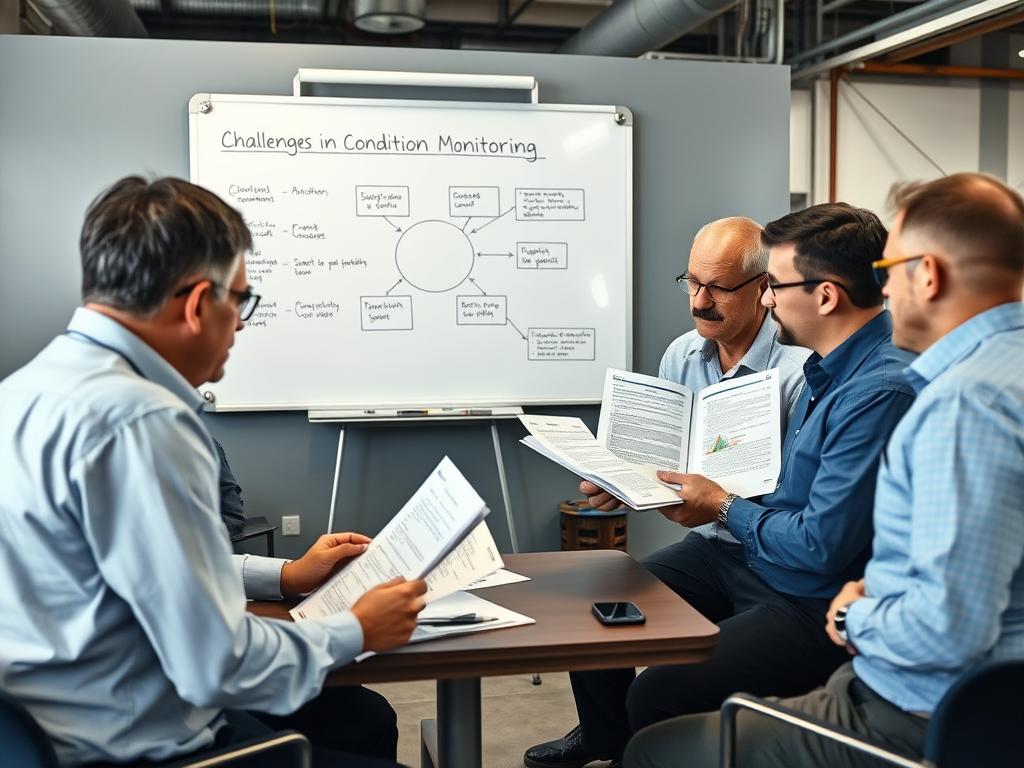
While condition monitoring offers significant benefits, organizations often encounter challenges during implementation and operation. Understanding these challenges helps teams prepare effectively and develop strategies to overcome potential obstacles.
Initial Investment
Condition monitoring requires upfront investment in sensors, data collection systems, analysis software, and personnel training. This investment can be substantial, particularly for organizations monitoring numerous assets or complex equipment.
Mitigation Strategy: Start with a focused pilot on critical assets where ROI will be highest and most visible. Use successful pilot results to justify broader implementation. Consider phased deployment to spread costs over multiple budget cycles.
Skills Gap
Effective condition monitoring requires specialized knowledge in data collection, analysis techniques, and failure mode identification. Many organizations lack personnel with these skills, creating challenges in program implementation and operation.
Mitigation Strategy: Invest in training for key personnel, particularly those with strong mechanical or electrical backgrounds. Consider partnerships with external experts for program development and mentoring. Leverage vendor training resources and industry associations.
Data Overload
Condition monitoring systems generate large volumes of data that can overwhelm teams without proper analysis tools and processes. This data deluge can lead to missed warning signs or excessive false alarms if not managed effectively.
Mitigation Strategy: Implement analytics software with automated pattern recognition and alarm prioritization. Establish clear processes for alarm response and escalation. Focus on actionable insights rather than raw data collection.
Integration Challenges
Integrating condition monitoring with existing maintenance management systems (CMMS/EAM) can be technically challenging, particularly with legacy systems or multiple platforms. Poor integration limits the value of condition monitoring data for maintenance planning and execution.
Mitigation Strategy: Evaluate integration capabilities during technology selection. Consider middleware solutions for complex integration scenarios. Involve IT stakeholders early in the planning process to address technical challenges.
Organizational Resistance
Transitioning from traditional maintenance approaches to condition-based strategies often encounters resistance from personnel accustomed to established practices. This resistance can undermine program effectiveness if not addressed proactively.
Mitigation Strategy: Involve maintenance personnel in program planning and implementation. Communicate benefits clearly, focusing on how condition monitoring makes jobs easier and more effective. Celebrate early successes to build momentum and support.
By anticipating these challenges and developing strategies to address them, organizations can increase the likelihood of successful condition monitoring implementation and maximize the return on their investment. The key is to approach implementation as both a technical and organizational change initiative, addressing both aspects with equal attention.
Condition Monitoring as a Foundation for Industry 4.0
Beyond its immediate benefits for maintenance optimization, condition monitoring serves as a foundational element for broader digital transformation initiatives. The data and insights generated by condition monitoring systems enable more advanced capabilities that drive operational excellence.
Predictive Maintenance
Condition monitoring provides the data foundation for predictive maintenance, which uses advanced analytics and machine learning to forecast when equipment will require maintenance. These predictions become increasingly accurate over time as algorithms learn from historical patterns and outcomes.
Predictive maintenance takes condition monitoring to the next level by not just detecting current issues but anticipating future problems based on subtle patterns that might not be apparent through traditional analysis.
Digital Twins
Condition monitoring data feeds digital twin models that simulate equipment behavior and performance. These virtual replicas enable scenario testing, optimization, and advanced troubleshooting without disrupting physical operations.
Digital twins become increasingly valuable as they incorporate more historical data from condition monitoring systems, allowing for more accurate modeling and prediction of equipment behavior under various operating conditions.
Operational Intelligence
The insights generated from condition monitoring contribute to broader operational intelligence initiatives that optimize production processes, energy usage, and resource allocation. This holistic approach improves overall operational efficiency beyond just maintenance optimization.
By correlating condition monitoring data with production metrics, quality parameters, and other operational data, organizations gain deeper insights into the relationships between equipment health and operational performance.
As organizations advance in their digital transformation journey, the value of condition monitoring data increases exponentially. The historical equipment health data becomes a strategic asset that enables increasingly sophisticated analysis and optimization.
Organizations that implement robust condition monitoring programs today are laying the groundwork for future capabilities that will drive competitive advantage in the era of Industry 4.0. The transition from basic monitoring to predictive and prescriptive analytics represents a natural evolution that builds on the same data foundation.
Getting Started with Condition Monitoring
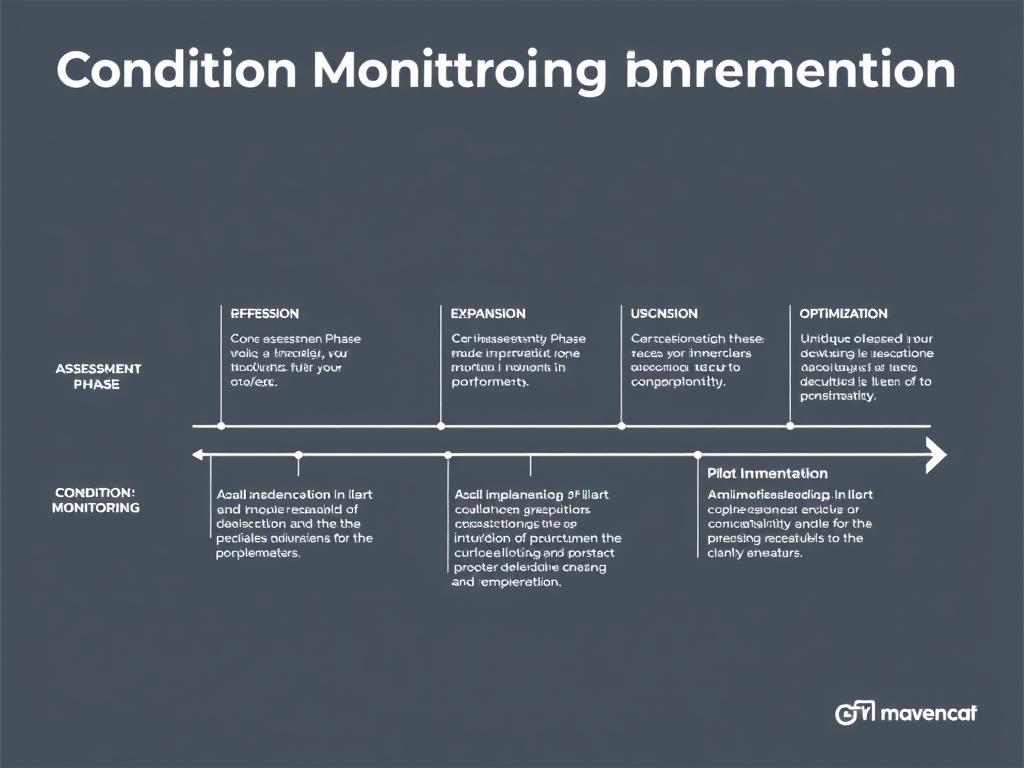
Implementing condition monitoring doesn’t have to be overwhelming. A structured, phased approach allows organizations to start small, demonstrate value, and expand over time based on proven results. Here’s how to begin your condition monitoring journey:
- Define Clear Objectives – Establish specific, measurable goals for your condition monitoring program, such as reducing downtime by a certain percentage or extending equipment life. These objectives will guide implementation decisions and help measure success.
- Identify Critical Assets – Conduct a criticality assessment to identify equipment where monitoring will deliver the greatest value. Focus initial efforts on assets with high operational impact, significant failure consequences, or challenging maintenance requirements.
- Select Appropriate Technologies – Choose monitoring technologies that align with your equipment types, failure modes, and operational environment. Consider factors such as installation requirements, data collection methods, and integration capabilities.
- Start with a Pilot Program – Implement condition monitoring on a limited set of assets to validate the approach, refine processes, and demonstrate value. Use the pilot results to build support for broader implementation.
- Develop Skills and Processes – Train personnel in data collection, analysis techniques, and maintenance decision-making based on condition monitoring insights. Establish clear processes for alarm response, maintenance planning, and program management.
Remember that condition monitoring is not just a technology implementation but an operational transformation. Success depends on both technical capabilities and organizational adoption. Involve key stakeholders from maintenance, operations, and management to ensure alignment and support.
Frequently Asked Questions About Condition Monitoring
What is the typical return on investment for condition monitoring?
Most organizations see ROI within 3-18 months of implementing condition monitoring, depending on the application and implementation scope. The primary value drivers include reduced downtime, lower maintenance costs, extended asset life, and improved safety. For critical assets, a single prevented failure can often pay for the entire monitoring system.
Can condition monitoring be implemented on older equipment?
Yes, condition monitoring can be effectively implemented on most older equipment. While newer machines may have built-in monitoring capabilities, older equipment can be retrofitted with external sensors to achieve similar benefits. In fact, older equipment often benefits more from condition monitoring due to increased failure risks and limited spare parts availability.
Is cloud-based condition monitoring data secure?
Modern cloud-based condition monitoring platforms implement robust security measures including encryption, access controls, and regular security audits. Many cloud solutions offer security capabilities that exceed what organizations can implement on-premises. However, it’s important to evaluate specific security features and compliance certifications when selecting a cloud provider.
How does condition monitoring differ from predictive maintenance?
Condition monitoring is the practice of measuring and analyzing equipment parameters to detect developing issues. Predictive maintenance builds on condition monitoring by using advanced analytics and machine learning to forecast when failures will occur and what maintenance actions should be taken. Condition monitoring provides the data foundation that enables predictive maintenance capabilities.
Conclusion
Condition monitoring represents a fundamental shift in maintenance strategy—from reactive firefighting to proactive asset management. By continuously monitoring equipment health and detecting potential issues before they cause failure, organizations can dramatically improve reliability, reduce costs, and extend asset life.
The benefits extend beyond maintenance optimization to impact overall operational performance, safety, and compliance. As organizations advance in their digital transformation journey, condition monitoring provides the data foundation for increasingly sophisticated capabilities such as predictive maintenance, digital twins, and operational intelligence.
While implementing condition monitoring requires investment in technology, skills, and processes, the return on investment is compelling and typically realized within months rather than years. Organizations that embrace condition monitoring gain not only immediate operational benefits but also strategic advantages in an increasingly competitive industrial landscape.