Managed Services in Europe have become a critical enabler for organizations operating across multiple countries, regulatory frameworks, and technology landscapes. As digital operations grow more complex, Managed Services provide a structured, scalable, and secure approach to running IT environments consistently across Europe’s diverse business landscape.This comprehensive guide explores how European Managed Services can transform your IT operations, standardize processes, and create a foundation for sustainable growth while navigating the unique challenges of the European market.
What Are Managed Service Providers?
Managed Service Provider refer to the proactive and ongoing management of IT infrastructure, systems, applications, and security by a specialized provider. Rather than reacting to incidents, Managed Services focus on prevention, stability, and continuous improvement through structured processes and expert oversight.
Across Europe, Managed Services Europe have evolved to address the unique challenges of operating technology environments across multiple countries, languages, and regulatory frameworks.
- Consistent IT operations across diverse European regions
- High availability and reliability standards that meet European business expectations
- Strong security and governance aligned with EU regulations
- Predictable operational costs with transparent billing models
- Scalable IT delivery models that adapt to regional requirements
Why Managed Services Are Critical in Europe
European organizations often operate across borders, each with unique regulatory, security, and operational requirements. Managing IT independently in each country increases complexity, cost, and risk while creating inconsistent user experiences.
Multi-Country Complexity
European businesses must navigate diverse regulatory environments, language requirements, and local business practices. Managed Services provide a unified framework while accommodating local variations.
Data Center Sovereignty
EU regulations like GDPR and country-specific data residency requirements create complex compliance challenges. Managed Services providers with European expertise ensure proper data handling across jurisdictions.
Hybrid Infrastructure
European organizations often maintain hybrid environments spanning on-premises, private cloud, and public cloud resources. Managed Services create consistency across these diverse technology landscapes.
Managed Services Europe help organizations centralize and standardize IT operations while maintaining the flexibility to address country-specific requirements. This balanced approach reduces operational overhead while ensuring compliance with local regulations.
Managed Services vs Traditional IT Operations
Traditional IT Operations
Often fragmented, locally managed, and reactive. This approach can result in inconsistent service levels and limited scalability.
- Siloed teams with varying processes and tools
- Inconsistent service levels across locations
- Reactive approach to incidents and problems
- Limited visibility across the technology estate
- Difficulty scaling to support business growth
Managed Services
Centralized, proactive, and governed through defined service levels and processes. Managed Services deliver consistency, transparency, and continuous optimization across regions.
- Standardized processes and tooling across locations
- Consistent, measurable service levels
- Proactive monitoring and issue prevention
- Comprehensive visibility and reporting
- Scalable framework that grows with the business
Core Managed Services in Europe
Managed Services Europe typically include a comprehensive suite of capabilities designed to address the unique challenges of operating technology environments across multiple European countries.
Managed Infrastructure
Management of servers, networks, storage, and operating systems across on-prem, cloud, and hybrid environments with standardized processes across European locations.
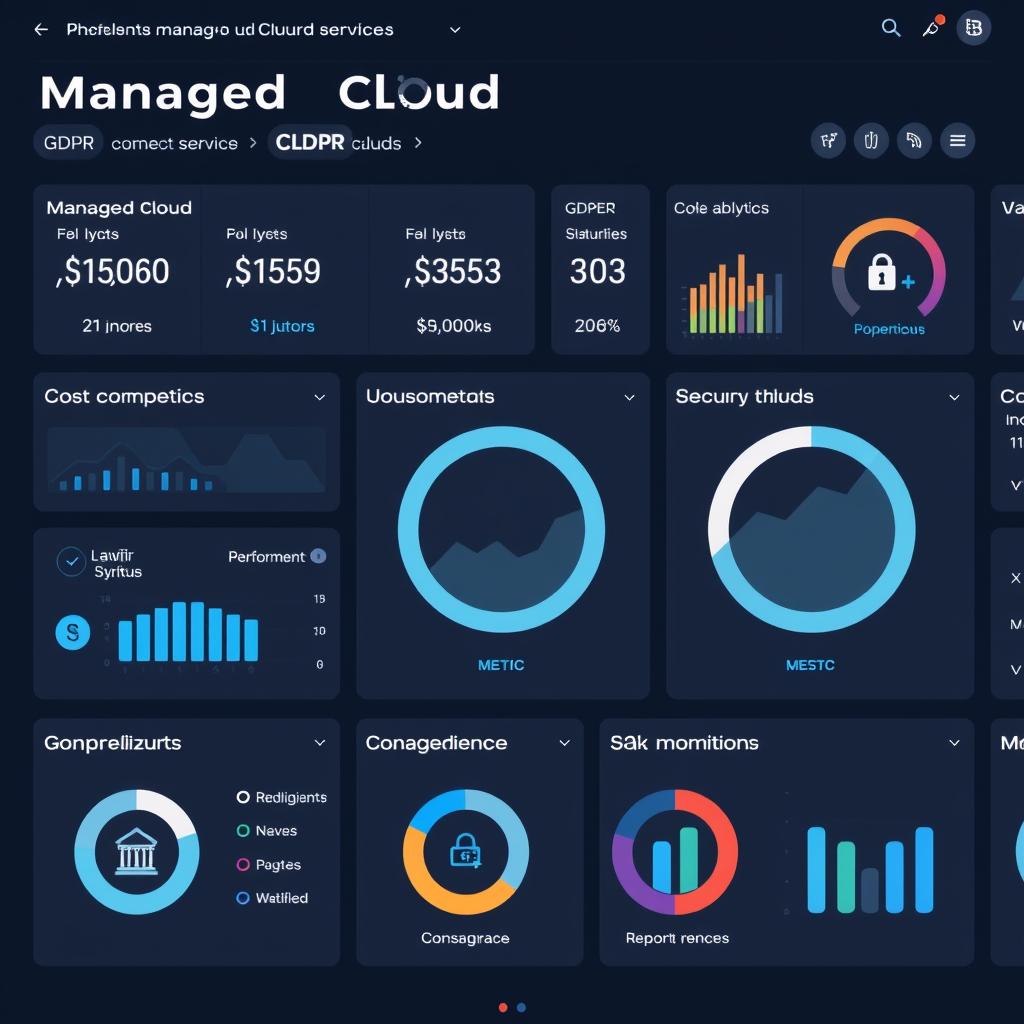
Managed Cloud
Operational oversight of cloud and hybrid platforms, including availability, performance optimization, and cost management aligned with European sovereignty requirements.
Managed Security
Continuous security monitoring, access control, incident handling, and compliance support across European operations with attention to regional regulatory requirements.
Managed Applications
Operational support, monitoring, and lifecycle management of business-critical applications with multi-language support and regional customizations.
Together, these services form a comprehensive European IT operations framework that addresses both centralized efficiency and local requirements. The most effective Managed Services providers in Europe offer integrated solutions that create consistency while respecting regional differences.
How Managed Services Europe Work
- Assessment and Service Design
Managed Services engagements begin with an assessment of existing environments, operational maturity, and regional requirements across European locations. This defines scope, responsibilities, and service levels.
- Centralized Operations with Local Alignment
Operations are centralized to ensure consistency, while accommodating local regulatory and operational needs specific to each European country.
- Continuous Monitoring and Support
Systems are monitored continuously to detect issues early, maintain performance, and ensure availability across regions with support in multiple European languages.
- Optimization and Continuous Improvement
Managed Services include ongoing optimization to improve efficiency, security, and cost-effectiveness as environments evolve and European regulations change.
Effective Managed Services in Europe balance standardization with flexibility. The goal is consistent operations that can adapt to local requirements without creating unnecessary complexity or cost.
European IT Operations Director
Managed Services Architecture for Europe
A scalable Managed Services architecture for European operations must address both technical and regional considerations. The most effective architectures provide centralized control while accommodating local requirements.
Core Architecture Components
- Centralized monitoring and operations with distributed collection points across European regions
- Secure access and identity management aligned with European data protection requirements
- Standardized operational processes with regional variations where required
- Automation and orchestration to ensure consistency and efficiency
- Documentation and governance frameworks that address European compliance requirements
European Considerations
- Data sovereignty controls to ensure compliance with GDPR and national regulations
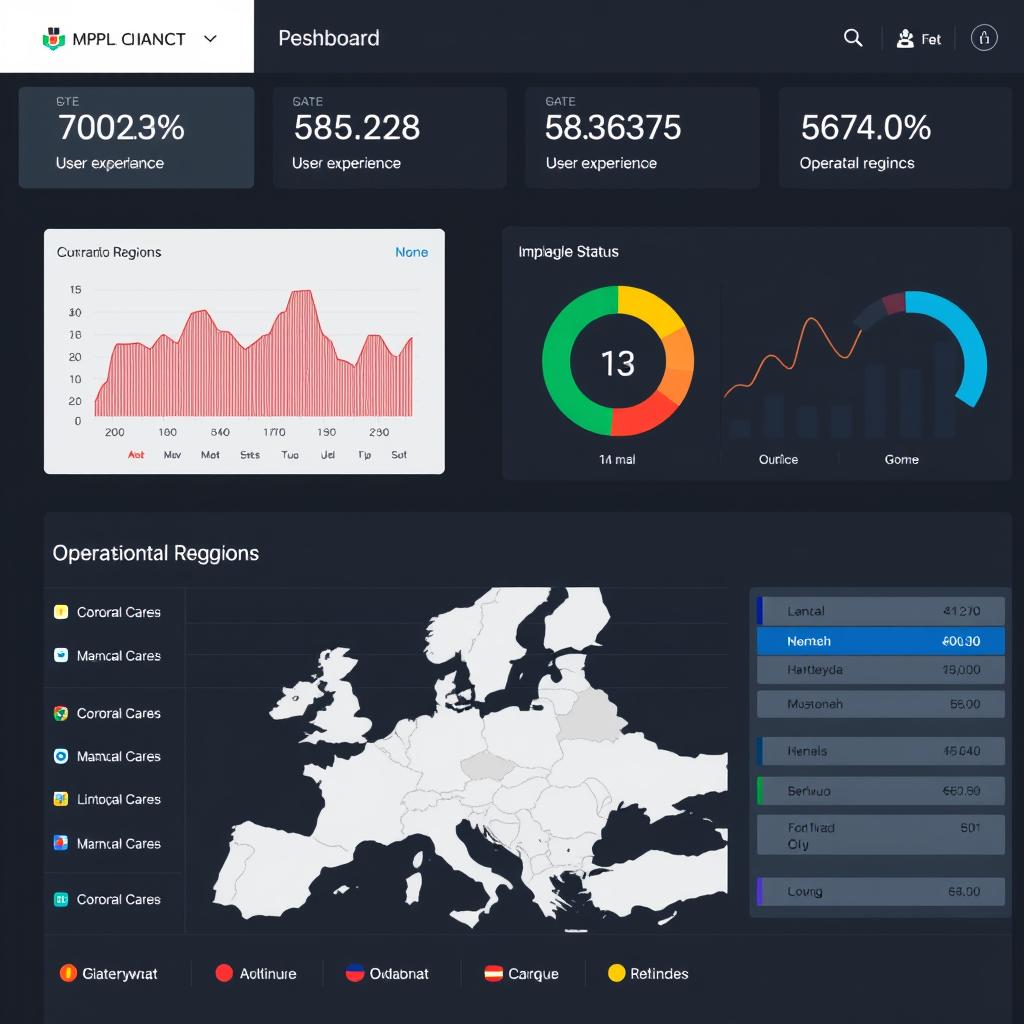
- Multi-region infrastructure to support local performance and compliance requirements
- Language support for user interfaces, documentation, and support services
- Regional compliance frameworks integrated into operational processes
- Localized reporting to address country-specific requirements
Compliance and Governance in Managed Services Europe
Organizations operating in Europe must meet strict requirements related to data protection, security, and operational resilience. Managed Services provide a structured approach to addressing these requirements consistently across countries.
Data Protection
European data protection regulations like GDPR create complex compliance requirements. Managed Services implement consistent controls for data handling, consent management, and breach response across all European operations.
Security Controls
European organizations face evolving security threats and regulatory requirements. Managed Services implement standardized security controls, monitoring, and incident response procedures aligned with frameworks like NIS2 and local requirements.
Operational Resilience
Financial and critical infrastructure organizations must meet strict operational resilience requirements. Managed Services provide structured approaches to business continuity, disaster recovery, and incident management across European locations.
Managed Services support compliance by enforcing standardized processes, access controls, monitoring, and documentation aligned with European regulatory expectations. This structured approach reduces compliance risk while creating operational efficiency.
Implementing Managed Services in Europe Successfully
- Operational and Regulatory AssessmentUnderstand current IT maturity, geographic distribution, and regulatory requirements across European operations. This assessment creates the foundation for service design and transition planning.
- Service Definition and GovernanceDefine service scope, responsibilities, service levels, and escalation procedures across regions. Establish governance frameworks that balance centralized control with local flexibility.
- Transition and StabilizationTransfer operational responsibility in a controlled manner to ensure continuity and service stability. Implement monitoring, tools, and processes with attention to regional variations.
- Continuous Service ImprovementRegular reviews and optimization ensure services evolve with business and regulatory changes. Establish feedback mechanisms across European operations to identify improvement opportunities.
Business Value of Managed Services Europe
Managed Services deliver value by addressing the unique challenges of operating IT environments across European countries. Organizations benefit from standardized operations, improved compliance, and reduced operational risk.
- Reduced operational complexity through standardized processes and tools
- Improved availability and reliability with proactive monitoring and management
- Enhanced security posture with consistent controls and monitoring
- Lower total cost of ownership through operational efficiency and optimization
- Increased predictability and transparency with defined service levels and reporting
- Support for scalable European growth with flexible operational models
For many organizations operating across Europe, Managed Services are not just an operational decision but a strategic investment in scalability, compliance, and business agility.
Common Challenges in Managed Services Europe
Challenges
- Managing distributed and multi-country environments with varying requirements
- Aligning local and central IT teams around common objectives and processes
- Integrating legacy and modern systems across diverse European operations
- Maintaining consistent security standards while addressing local variations
- Handling regulatory complexity across multiple European jurisdictions
Solutions
- Implement flexible service frameworks that accommodate regional variations
- Establish clear governance with defined roles for central and local teams
- Develop integration strategies that bridge legacy and modern environments
- Create security frameworks with baseline controls and regional extensions
- Maintain regulatory expertise across European markets with regular updates
These challenges can be addressed through structured governance, standardized processes, and phased implementation approaches that balance centralization with local requirements. Experienced Managed Services providers bring proven methodologies for navigating these complexities.
Managed Services as a Foundation for European Digital Growth
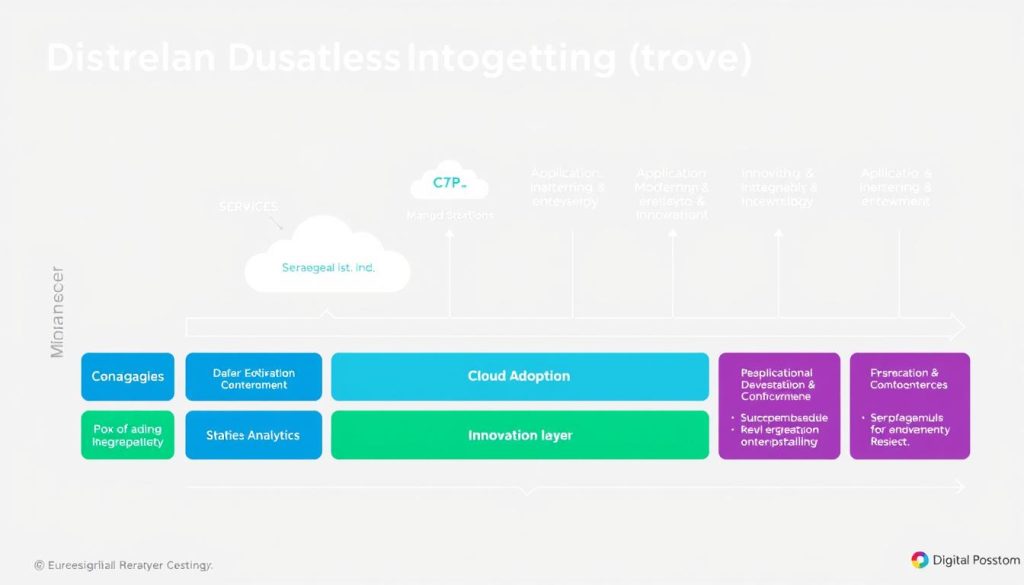
Managed Services provide the operational foundation for broader digital initiatives across European operations. By establishing stable, compliant, and efficient IT operations, organizations create the platform for innovation and growth.
Cloud Adoption
Managed Services provide the operational framework for secure, compliant cloud adoption across European regions, balancing centralized efficiency with local requirements.
Application Modernization
Stable operational foundations enable organizations to focus on modernizing applications with confidence that underlying infrastructure is secure and reliable.
Analytics and AI
Consistent data management practices established through Managed Services create the foundation for advanced analytics and AI initiatives across European operations.
Getting Started with Managed Services Europe
A successful Managed Services engagement starts with clarity around business objectives, operational needs, and regional requirements. A structured approach ensures alignment between IT operations and European business strategy.
Key Considerations
- Current operational maturity across European locations
- Regulatory and compliance requirements by country
- Business priorities and growth objectives in European markets
- Existing technology investments and roadmaps
- Internal capabilities and desired partnership model
Next Steps
- Conduct an operational assessment across European locations
- Define service requirements and desired outcomes
- Evaluate potential Managed Services partners
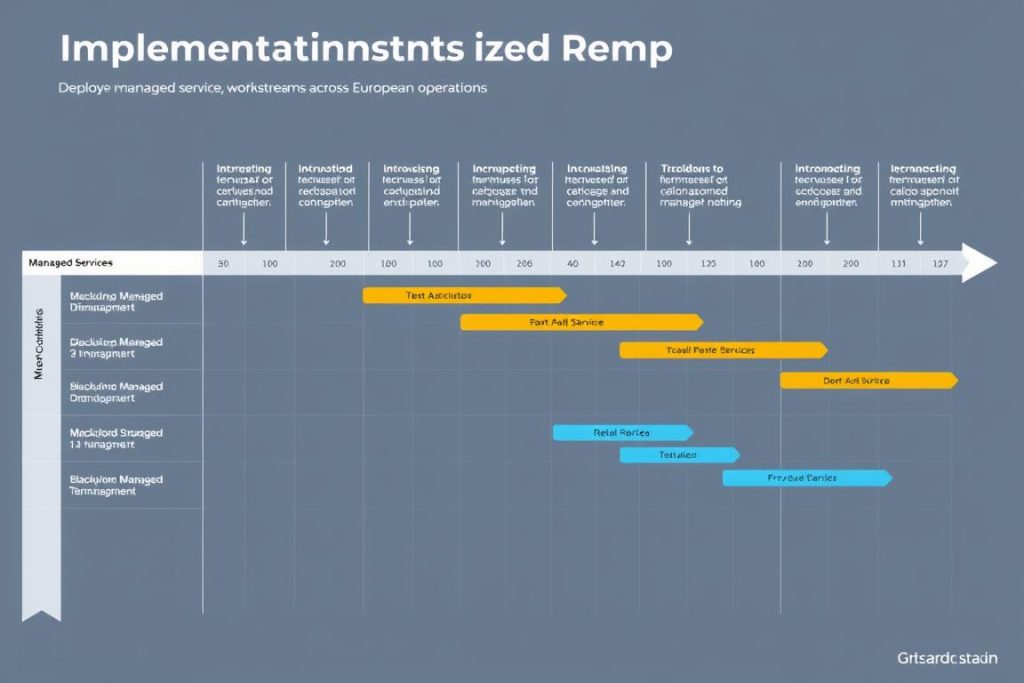
- Develop a phased implementation roadmap
- Establish governance and transition planning
Frequently Asked Questions About Managed Services Europe
What types of organizations use Managed Services in Europe?
Managed Services are used by organizations of all sizes operating across one or multiple European countries. This includes multinational corporations, regional businesses, and organizations expanding into European markets. Industries with complex regulatory requirements like financial services, healthcare, and critical infrastructure particularly benefit from structured Managed Services.
Can Managed Services support multi-country operations?
Yes. Managed Services are designed to support centralized operations with local adaptability. Effective Managed Services frameworks balance standardized processes and tools with the flexibility to address country-specific requirements. This approach creates operational efficiency while ensuring compliance with local regulations and business practices.
Are Managed Services scalable across Europe?
Managed Services scale as organizations expand into new regions or markets. The standardized processes, tools, and governance frameworks can be extended to new locations while maintaining consistency. This scalability makes Managed Services particularly valuable for organizations with growth strategies across European markets.
Conclusion
Managed Services Europe provide organizations with a structured, secure, and scalable approach to operating IT environments across diverse European markets. By moving from fragmented operations to proactive management, organizations gain stability, efficiency, and long-term growth potential.
Organizations that invest in Managed Services Europe establish a strong operational foundation for future expansion and innovation while addressing the unique challenges of European business environments.