

Cloud Migration Services USA: Trusted Partner for Your Cloud Journey

November 23, 2025|6:41 AM
Unlock Your Digital Potential
Whether it’s IT operations, cloud migration, or AI-driven innovation – let’s explore how we can support your success.
November 23, 2025|6:41 AM
Whether it’s IT operations, cloud migration, or AI-driven innovation – let’s explore how we can support your success.
What if your company’s next major technological leap could be executed with such precision that it feels less like a risky transition and more like a natural evolution? Many organizations view the process of moving their digital operations as a daunting challenge, fraught with potential disruption and unforeseen costs. We believe this journey should be a strategic advantage, not a source of anxiety.
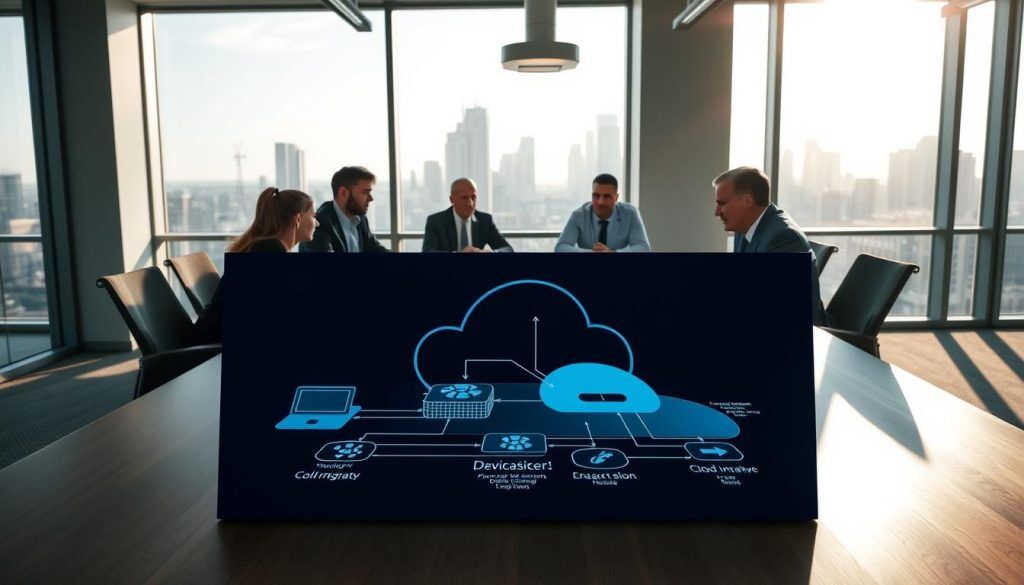
The global market for these transformative solutions is projected to reach USD 70.3 billion by 2030. This growth is fueled by the universal need for operational flexibility and long-term financial alignment. Companies are moving core systems to support scalable infrastructure and advanced workloads.
We understand that selecting the right partner is a critical decision that shapes your organization’s future. Our role is to guide you through every phase, from initial assessment to post-move optimization. We combine deep technical expertise with industry-specific knowledge to ensure your transition is smooth and strategically sound.
When legacy systems constrain innovation and scalability, businesses must consider fundamental digital transformation. This process involves transferring digital assets like applications, data, and workloads to modern platforms.
We establish clear fundamentals for this transformative journey. The systematic transfer occurs from traditional on-premise environments to platforms offering superior scalability and flexibility.
The appeal of modern environments lies in instant access to enterprise-grade infrastructure. Organizations gain advanced analytics capabilities without substantial upfront investments.
This represents more than technical change—it enables strategic business advancement. Companies shift from capital-intensive models to operational expenditure frameworks.
We help businesses understand how this transformation drives measurable growth. It enables faster time-to-market and supports geographic expansion without corresponding infrastructure investments.
The business impact extends to enhanced customer experiences through superior performance. Organizations build resilient digital foundations supporting future growth trajectories and emerging technology adoption.
Successful strategies report significant operational efficiency improvements. Platforms automate routine tasks, allowing teams to focus on value-generating activities rather than managing physical equipment.
Successful digital transitions hinge on selecting partners who bring comprehensive capabilities across the entire adoption lifecycle. Our approach encompasses strategic assessment through long-term optimization, ensuring your investment delivers maximum value as business needs evolve.
We recognize that each organization presents unique technical constraints and business objectives. Our methodology adapts to your specific industry requirements and regulatory obligations rather than applying generic frameworks.
As experienced providers, we maintain deep expertise across major platforms including Amazon Web Services, Microsoft Azure, and Google Cloud. This enables objective guidance based on workload characteristics and long-term strategic fit.
| Assessment Phase | Planning Phase | Execution Phase | Optimization Phase |
|---|---|---|---|
| Infrastructure evaluation | Dependency mapping | Data transfer protocols | Performance tuning |
| Application portfolio analysis | Migration wave scheduling | Security implementation | Cost management |
| Risk identification | Success metric definition | Compliance validation | Continuous improvement |
Our company emphasizes risk mitigation throughout the entire process. We implement comprehensive testing protocols and business continuity measures to protect against operational disruptions.
The consulting we provide extends beyond technical execution to address organizational change management. We help teams develop cloud-native skills and embrace cultural shifts necessary for full benefit realization.
Through tailored solutions, we guide complex decisions about transition strategies. Whether pursuing lift-and-shift for speed or re-architecting for optimization, we align technical approaches with business timelines and expected outcomes.
As we approach 2025, significant shifts in enterprise technology strategies are reshaping how companies approach their digital infrastructure transitions. Organizations now prioritize architectures that deliver both flexibility and compliance while supporting advanced capabilities.
Enterprises increasingly distribute applications across multiple environments to meet specific requirements. This strategic distribution allows organizations to optimize performance while addressing regulatory obligations.
Hybrid approaches create seamless integration between existing investments and modern platforms. This practical recognition ensures certain workloads remain where they perform best economically and technically.
| Architecture Trend | Business Benefit | Technical Consideration |
|---|---|---|
| Multi-Cloud Strategy | Vendor flexibility and cost optimization | Workload-specific platform selection |
| Hybrid Approach | Compliance with data sovereignty | Integration between environments |
| AI-Driven Infrastructure | Advanced analytics capabilities | GPU availability and data throughput |
| FinOps Integration | Cost transparency and forecasting | Resource utilization monitoring |
Artificial intelligence capabilities now influence infrastructure decisions significantly. Access to specialized computing resources becomes a primary consideration for organizations.
Financial operations practices ensure spending aligns with business value generation. We help companies implement frameworks that provide visibility into resource consumption from day one.
Security and compliance considerations have evolved into primary design criteria. Businesses must address sophisticated access controls and maintain detailed audit trails throughout their digital transformation journey.
Your organization’s digital evolution success hinges on identifying the right implementation expert with proven capabilities. We recognize this decision carries significant weight for your operational future and technological trajectory.

When evaluating potential specialists, we prioritize those with current certifications across major platforms. These credentials demonstrate both theoretical knowledge and practical execution experience.
Look for providers who maintain multi-platform capabilities and structured methodologies. Their approach should include comprehensive security frameworks and compliance adherence.
| Evaluation Criteria | Essential Requirements | Differentiating Factors |
|---|---|---|
| Technical Certifications | AWS, Azure, Google Cloud credentials | Multi-cloud implementation experience |
| Security Expertise | Data encryption, access controls | Industry-specific compliance knowledge |
| Methodology Framework | Phased implementation plan | Flexibility for business changes |
| Industry Experience | Sector-specific case studies | Regulatory requirement understanding |
The most effective consulting relationships begin with deep understanding of your specific goals. We invest time comprehending your current landscape and future aspirations.
Our methodology ensures technical solutions align with strategic priorities rather than applying standardized frameworks. This alignment transforms complex projects into competitive advantages.
We emphasize post-implementation support and knowledge transfer. This commitment enables your teams to optimize environments long after initial deployment.
Businesses with long-standing technological investments need migration frameworks that respect historical business logic while embracing modern capabilities. We approach these complex transitions with methodologies tailored to each application’s unique characteristics and business value.
Our methodology begins with comprehensive application portfolio analysis. This assessment categorizes systems based on business criticality, technical complexity, and strategic value.
Rehosting represents the fastest migration strategy for legacy systems. This approach involves minimal changes while moving workloads to modern infrastructure.
We employ replatforming when applications benefit from moderate optimizations. This strategy enables legacy systems to leverage managed services and auto-scaling capabilities.
For applications requiring substantial transformation, we recommend rearchitecting approaches. These strategies fundamentally redesign application structures to leverage advanced features.
We help organizations optimize legacy applications by identifying opportunities to replace custom components. This process includes refactoring inefficient code patterns and implementing caching strategies.
Our execution methodology includes detailed assessment phases. These evaluations examine code quality, dependency complexity, and performance baselines.
Through careful strategy selection, we transform legacy systems from technical liabilities into modernized applications. The result delivers improved performance, enhanced security, and operational flexibility.
Businesses today recognize that single-provider dependency limits their strategic options and operational resilience in an unpredictable market. We help organizations develop sophisticated architectures that blend multiple environments, supporting flexibility and compliance with local data requirements.
Our approach creates flexible hybrid cloud solutions that connect on-premise infrastructure with public platforms. This enables smooth data flow while maintaining legacy system investments, often preferred by large-scale enterprises.
Multi-cloud environments deliver significant advantages including risk mitigation through provider diversification. Organizations gain negotiating leverage that reduces costs while accessing best-of-breed services from different platforms.
We design architectures that leverage Google Cloud for data analytics and Microsoft Azure for enterprise integration. This strategic placement optimizes workload performance based on each platform’s particular strengths.
Our methodology emphasizes workload portability through containerization technologies. This reduces friction between platforms, enabling organizations to shift workloads based on cost optimization or performance requirements.
Through carefully designed hybrid cloud solutions, we enable businesses to maintain operational continuity during transitions. These architectures support distributed teams and meet data residency requirements in regulated industries.
Organizational resilience during infrastructure modernization depends heavily on comprehensive continuity planning and rapid recovery capabilities. We design strategies that protect critical operations from potential disruptions, ensuring your business maintains service levels even during unexpected events.
Our approach begins with defining appropriate Recovery Point Objectives and Recovery Time Objectives based on system criticality. This ensures your investment aligns with actual business requirements rather than applying generic solutions.
We leverage modern platform advantages including geographic distribution and automated backup capabilities. These features make sophisticated disaster recovery solutions economically accessible to organizations of all sizes.
Regular testing validates your ability to restore operations within defined timeframes. This proactive approach prevents discovering recovery procedure failures during actual incidents.
We deploy monitoring solutions that provide real-time visibility into infrastructure health and application performance. This enables proactive identification of issues before they impact users.
Our continuous monitoring approach includes automated remediation of common problems and rapid response capabilities. This maintains service levels while optimizing resource utilization across your environment.
Through ongoing support services, we ensure recovery capabilities remain effective as your infrastructure evolves. This includes updating documentation and adjusting policies based on compliance requirements and operational changes. For deeper insights into maintaining operational resilience, explore our analysis of business continuity strategies in modern environments.
Achieving operational excellence requires dedicated attention to post-deployment optimization and proactive maintenance strategies. We recognize that successful transitions extend far beyond initial implementation, demanding ongoing refinement to sustain business value.

Our comprehensive post-migration support framework ensures your environment continues delivering optimal performance while adapting to evolving requirements. This approach prevents configuration drift and maintains alignment with strategic objectives.
We implement sophisticated performance monitoring systems that track resource utilization and application responsiveness. This visibility enables proactive identification of optimization opportunities before they impact users.
Continuous optimization processes regularly review infrastructure allocation and identify efficiency improvements. We eliminate waste while enhancing system capabilities through regular health assessments.
Security management represents an ongoing responsibility requiring vigilant monitoring and timely updates. We maintain robust protection through continuous vulnerability scanning and policy refinement.
Our compliance management services ensure adherence to evolving regulatory standards. We provide documentation support and gap remediation to maintain certification readiness.
Through these comprehensive support processes, we help organizations maximize their technological investments while minimizing operational risks.
The economic advantages of modern infrastructure extend far beyond simple cost reduction, encompassing strategic financial flexibility and operational agility. We help organizations transform technology spending from capital-intensive models to operational expenditure frameworks.
This approach aligns expenses directly with actual resource consumption and business activity levels. Companies gain unprecedented financial efficiency compared to traditional infrastructure approaches.
We implement comprehensive cost management tools that provide real-time visibility into spending patterns. Our methodology includes automated alerts when costs exceed established thresholds and detailed analysis across different services.
The pay-per-use model enables businesses to scale resources during peak demand while minimizing unnecessary spending during quieter periods. This creates variable cost structures that improve financial efficiency dramatically.
We help organizations adopt FinOps practices that bring financial accountability to operations. This establishes governance frameworks balancing cost optimization with performance requirements.
Through ongoing optimization, we continuously identify opportunities to reduce spending without sacrificing performance. Our approach delivers measurable business value by freeing capital previously locked in infrastructure investments.
Industry-specific knowledge transforms standard technological transitions into strategic advantages by addressing the particular constraints and opportunities of each business domain. We recognize that generic approaches often fail to account for the unique regulatory requirements and operational realities that characterize different sectors.
Our methodology incorporates deep understanding of sector-specific workloads and compliance frameworks, drawing from experience with leading organizations like Accenture, IBM, and Wipro. This specialized approach ensures smoother execution and fewer surprises during implementation.
In healthcare environments, we navigate complex HIPAA requirements while modernizing electronic health records and patient monitoring platforms. Financial institutions benefit from our expertise in SOC 2 and PCI DSS compliance frameworks during core system modernization.
Manufacturing clients gain predictive maintenance capabilities and supply chain optimization through our tailored solutions. Each industry presents distinct data handling requirements that demand specialized security and performance considerations.
We help businesses across all industries standardize on modern platforms that enable process automation and eliminate technical debt. Our approach provides real-time data visibility that improves decision-making across organizational boundaries.
Through industry-specific implementation strategies, we deliver outcomes that support remote operations and create adaptable technological foundations. This sector-focused methodology ensures your digital transformation aligns with both technical requirements and business objectives.
The true strategic value of infrastructure modernization emerges when organizations leverage advanced capabilities that were previously inaccessible. We design transitions that seamlessly incorporate cutting-edge tools, transforming technical upgrades into competitive advantages.
Our approach democratizes access to sophisticated analytics and artificial intelligence. Businesses gain powerful modeling capabilities without massive capital investments.
We help organizations extract maximum value from information assets through modern data platforms. Real-time analytics pipelines enable faster decision-making across departments.
Machine learning integration simplifies model development and deployment. Specialized computing resources support both traditional and generative AI applications.
| Technology Category | Business Impact | Implementation Approach |
|---|---|---|
| Advanced Analytics | Real-time decision support | Data lake consolidation |
| Machine Learning | Predictive capabilities | Managed service adoption |
| Automation Frameworks | Operational efficiency | Infrastructure-as-code |
Automation technologies ensure consistency throughout the transition process. Infrastructure-as-code practices reduce manual errors and accelerate timelines.
We recognize that successful technology adoption requires organizational evolution. Our methodology includes change management and skills development alongside technical implementation.
Your organization’s journey toward digital transformation requires a partner who understands both technical complexity and strategic business objectives. We position ourselves as that guide, committed to your success from initial planning through long-term optimization.
The landscape in 2025 demands providers who deliver integrated, outcome-driven solutions. Our approach combines deep platform expertise with industry knowledge, ensuring your transition builds resilience and supports innovation.
Selecting the right partner is a strategic decision with lasting impact. We invest in understanding your unique needs, aligning our services with your growth trajectory rather than applying generic frameworks.
Our commitment extends beyond the initial move, offering continuous support to help clients adapt to evolving technologies. This partnership ensures your investment delivers sustained value in a dynamic digital economy.
We invite you to discuss how our methodology can transform your technological foundation. Together, we can navigate this complex journey, turning challenges into competitive advantages for your business.
Adopting a modern platform delivers significant advantages, including enhanced cost efficiency through a pay-per-use model, improved scalability for handling fluctuating workloads, and robust built-in security features. This transformation empowers businesses to accelerate innovation and achieve greater operational agility, directly supporting key business objectives.
We prioritize business continuity by developing a comprehensive strategy that includes detailed planning and a phased execution. Our approach incorporates thorough testing and a robust disaster recovery plan to minimize downtime. We ensure a smooth transition that safeguards your operations throughout the entire journey.
Our methodology involves a careful assessment of your existing applications to determine the optimal path—whether rehosting, replatforming, or full rearchitecting. We focus on optimizing these systems for cloud performance, ensuring they become more manageable, secure, and cost-effective while aligning with your long-term goals.
A> Absolutely. We specialize in designing and managing sophisticated hybrid cloud and multi-cloud environments. This allows businesses to leverage the unique strengths of different providers, avoid vendor lock-in, and achieve optimal performance and cost efficiency across their entire digital infrastructure.
Our engagement extends beyond the initial move. We offer continuous performance monitoring, security management, and cost optimization services. This ongoing support ensures your applications run efficiently, remain compliant with industry standards, and continue to deliver value, adapting as your needs evolve.
We integrate advanced analytics and AI tools to enhance the planning and execution phases. These technologies help us analyze workloads more effectively, predict costs accurately, and automate aspects of the process, leading to a smarter, more data-driven migration that sets the stage for future innovation.



Experience power, efficiency, and rapid scaling with Cloud Platforms!