

Understanding Continuous Cloud SLA Monitoring
Cloud computing has become an indispensable backbone for modern enterprises, powering everything from critical applications to vast data storage. However, simply migrating to the cloud is not enough; ensuring consistent performance, reliability, and security is paramount. This is where continuous Cloud sla monitoring steps in as a vital practice.
Continuous Cloud SLA monitoring refers to the ongoing, real-time observation and analysis of cloud service performance against pre-defined Service Level Agreements (SLAs). It involves a proactive approach to track key metrics and ensure that cloud providers are consistently meeting their contractual obligations. This diligent oversight is crucial for maintaining operational excellence and user satisfaction in dynamic cloud environments.
Why Continuous Cloud SLA Monitoring is Essential
The dynamic nature of cloud environments demands more than periodic checks; it requires constant vigilance. Traditional, reactive monitoring methods are insufficient to address the complexities and potential issues that can arise in distributed cloud infrastructures. Thus, continuous Cloud sla monitoring provides the necessary foresight and immediate insight.
This proactive approach ensures uninterrupted SLA compliance, which directly impacts business continuity and revenue. Downtime or performance degradation, even brief, can lead to significant financial losses, reputational damage, and frustrated customers. Therefore, robust and persistent cloud service monitoring is not just an IT task but a core business requirement.
Mitigating Risks and Ensuring Compliance
One primary reason for implementing continuous Cloud sla monitoring is risk mitigation. It allows organizations to identify potential service disruptions before they escalate into major incidents. By continuously tracking metrics like uptime, latency, and error rates, businesses can address issues promptly.
Furthermore, compliance with regulatory standards and internal policies often hinges on consistent service delivery. Ongoing cloud SLA tracking provides auditable proof that services are operating within agreed parameters, helping organizations meet their legal and contractual obligations with confidence.
Optimizing Performance and Resource Utilization
Continuous monitoring goes beyond just identifying problems; it also aids in optimization. By analyzing long-term performance trends, businesses can gain insights into resource usage patterns and identify areas for improvement. This data-driven approach supports more efficient allocation of cloud resources.
It allows for fine-tuning configurations, scaling resources appropriately, and proactively addressing bottlenecks before they impact end-users. Such diligent always-on cloud performance tracking ensures that cloud investments are optimized for both efficiency and effectiveness.
Key Components of Effective Continuous Cloud SLA Monitoring
Implementing effective continuous Cloud sla monitoring involves several interconnected components working in harmony. Each element plays a crucial role in providing a comprehensive view of cloud service health and compliance. Understanding these components is the first step toward building a resilient monitoring strategy.
These components ensure that every aspect of the cloud service, from its fundamental availability to its user-facing performance, is under constant scrutiny. A holistic approach combines technical metrics with business impact analysis for truly valuable insights.
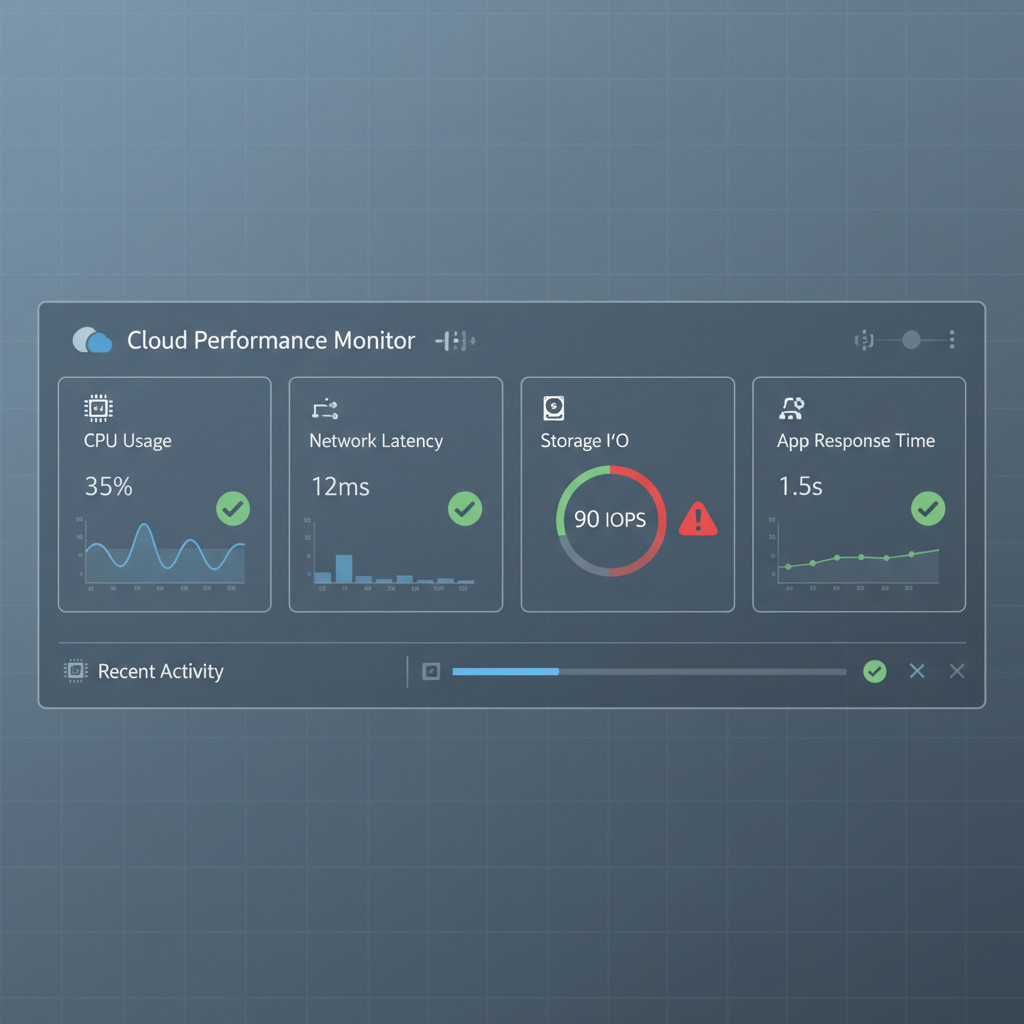
Defined Service Level Agreements (SLAs)
The foundation of any monitoring strategy is clearly defined Service Level Agreements. These formal contracts between a cloud provider and a customer specify the minimum level of service the provider is committed to delivering. They cover critical metrics such as uptime, response times, and data recovery objectives.
Without precise SLAs, there is no benchmark against which to measure performance, making effective monitoring impossible. Both parties must agree on measurable, achievable, and relevant targets to ensure transparency and accountability.
Automated Data Collection and Aggregation
Effective ongoing cloud SLA tracking relies heavily on automated continuous monitoring tools. These tools automatically collect vast amounts of data from various cloud services, infrastructure components, and applications. Manual data collection is impractical and prone to error in dynamic cloud environments.
Data points include network latency, API response times, resource utilization (CPU, memory), error rates, and security logs. This collected data is then aggregated into a central repository, providing a unified view of service performance and facilitating analysis.
Real-time Alerting and Notification Systems
A critical aspect of 24/7 SLA monitoring is the ability to detect and respond to deviations from expected performance immediately. Real-time alerting mechanisms are crucial for notifying relevant stakeholders when thresholds are breached or anomalies are detected. This ensures prompt action.
These systems can send alerts via email, SMS, instant messaging, or integrate with incident management platforms. The speed and accuracy of these notifications are vital for minimizing downtime and addressing issues before they impact end-users or violate SLA terms.
Reporting and Analytics Capabilities
Beyond immediate alerts, robust reporting and analytics are essential for long-term insight and strategic planning. Continuous Cloud sla monitoring solutions should provide comprehensive dashboards and reports that visualize performance trends, identify recurring issues, and demonstrate SLA compliance over time.
These analytical capabilities help organizations understand the root causes of performance issues, forecast future resource needs, and make informed decisions about cloud infrastructure and provider relationships. Detailed reports serve as invaluable documentation for audits and performance reviews.
Benefits of Implementing Continuous Cloud SLA Monitoring
Embracing continuous Cloud sla monitoring offers a myriad of advantages that extend beyond mere technical oversight. These benefits contribute significantly to operational efficiency, financial prudence, and overall business resilience. They underpin the value proposition of a well-executed monitoring strategy.
From enhancing customer trust to optimizing operational costs, the positive ripple effects of diligent monitoring are pervasive. Organizations that invest in robust persistent cloud service monitoring position themselves for sustained success in the cloud era.
Enhanced Uptime and Reliability
The most direct benefit is significantly improved uptime and reliability of cloud services. By catching performance issues and potential outages early, organizations can prevent them from escalating. This proactive stance ensures that critical applications and services remain available to users.
This translates into a more stable and dependable service experience for customers and internal teams. Minimizing unexpected downtime fosters trust and maintains productivity across the enterprise, directly supporting business continuity.
Improved Security Posture
Continuous monitoring also plays a vital role in bolstering the security of cloud environments. By constantly scrutinizing activity and performance, unusual patterns or potential security breaches can be detected swiftly. This includes monitoring for unauthorized access attempts or suspicious network traffic.
Early detection of security anomalies allows for rapid response, mitigating potential data breaches and cyber-attacks. This vigilance is an integral part of maintaining a strong security posture in the ever-evolving threat landscape.
Cost Optimization
While implementing continuous Cloud sla monitoring may seem like an additional expense, it often leads to significant cost savings in the long run. By optimizing resource utilization and preventing costly downtimes, organizations can avoid unnecessary expenditure. It also helps validate billing accuracy.
Identifying underutilized resources or inefficient configurations through always-on cloud performance data allows for adjustments that reduce operational costs. Avoiding SLA penalties for non-compliance further contributes to financial savings.
Better Vendor Relationship Management
Detailed performance data gathered through ongoing cloud SLA tracking empowers organizations in their discussions with cloud providers. With concrete evidence of service levels, businesses can have more productive conversations about performance, billing, and future service enhancements.
This data fosters transparency and accountability, leading to stronger, more collaborative relationships with cloud vendors. It ensures that both parties are aligned on expectations and service delivery standards.
ENSURE UNINTERRUPTED SERVICE
Ensure uninterrupted service delivery and proactively prevent costly SLA breaches. Leverage our automated, real
✓ Free consultation✓ No commitment required
✓ Trusted by experts
Challenges in Continuous Cloud SLA Monitoring and How to Overcome Them
Despite its undeniable benefits, implementing and maintaining continuous Cloud sla monitoring is not without its challenges. Cloud environments are inherently complex, distributed, and constantly evolving, presenting unique hurdles for monitoring teams. Addressing these challenges requires strategic planning and the right tools.
Overcoming these obstacles is crucial for realizing the full potential of uninterrupted SLA compliance. Acknowledging these difficulties upfront allows organizations to develop robust strategies and select appropriate solutions.
Complexity of Cloud Ecosystems
Cloud ecosystems are often hybrid or multi-cloud, involving various providers, services, and technologies. Monitoring this disparate landscape comprehensively can be extremely challenging, leading to fragmented visibility. Integrating data from multiple sources is a significant hurdle.
To overcome this: Adopt unified monitoring platforms that can integrate with multiple cloud providers and services. Standardize metrics and reporting across different environments to create a single pane of glass for all monitoring data.
Data Volume and Noise
The sheer volume of data generated by cloud services can be overwhelming. Sifting through petabytes of logs, metrics, and events to identify relevant insights is a monumental task. This "data noise" can make it difficult to pinpoint critical issues effectively.
To overcome this: Leverage AI and machine learning capabilities within monitoring tools to filter out irrelevant data and highlight anomalies. Implement intelligent alerting thresholds and baselines to reduce alert fatigue and focus on actionable insights.
Dynamic Nature of Cloud Resources
Cloud resources are elastic and ephemeral, scaling up and down automatically in response to demand. This dynamic nature makes it challenging to maintain consistent monitoring coverage and track the performance of transient resources. Traditional monitoring approaches struggle with this fluidity.
To overcome this: Utilize cloud-native monitoring solutions that are designed to automatically discover and monitor dynamic resources. Employ tag-based monitoring to ensure that new resources are automatically included in the monitoring scope.
Skill Gaps and Resource Constraints
Many organizations face a shortage of personnel with the specialized skills required for advanced continuous Cloud sla monitoring. Configuring, managing, and interpreting data from sophisticated monitoring tools demands expertise in cloud architecture, DevOps, and data analytics.
To overcome this: Invest in training for existing IT teams or consider managed monitoring services. Focus on user-friendly monitoring platforms with intuitive dashboards and automation features to reduce the burden on skilled personnel.
Best Practices for Continuous Cloud SLA Monitoring
To ensure the success and effectiveness of continuous Cloud sla monitoring, organizations should adhere to a set of established best practices. These guidelines provide a roadmap for designing, implementing, and optimizing your monitoring strategy. Following these tips will lead to more robust and reliable cloud operations.
These continuous Cloud sla monitoring tips encompass technical considerations, operational workflows, and strategic alignment, ensuring a holistic approach to cloud service management. They serve as a continuous Cloud sla monitoring guide for organizations aiming for peak performance.
Define Clear SLOs and KPIs
Beyond formal SLAs, establish internal Service Level Objectives (SLOs) and Key Performance Indicators (KPIs) that are more granular and actionable. These internal metrics help engineering teams focus on specific performance targets that contribute to overall SLA compliance.
These should be quantifiable, relevant, and directly tied to user experience. Examples include API error rates, page load times, or specific transaction completion rates.
Implement a Layered Monitoring Approach
Adopt a multi-layered monitoring strategy that covers infrastructure, platform, application, and user experience. Monitoring should extend from the foundational cloud infrastructure up to the end-user perspective. This comprehensive view helps pinpoint issues at any layer.
This includes monitoring host resources, network performance, database queries, application logs, and synthetic transaction monitoring. Each layer provides unique insights critical for uninterrupted SLA compliance.
Leverage Automation and AI
Embrace automated continuous monitoring tools with AI and machine learning capabilities. Automation reduces manual effort, improves accuracy, and enables real-time responsiveness. AI can predict potential issues and identify anomalies far more effectively than humans.
This includes automated alert routing, incident response workflows, and predictive analytics that forecast resource needs or potential outages. Automation is key for efficient 24/7 SLA monitoring.
Regular Review and Refinement
Cloud environments and business requirements are constantly changing, so your continuous Cloud sla monitoring strategy should also evolve. Regularly review your monitoring configuration, alerts, and reports to ensure they remain relevant and effective.
Gather feedback from operational teams, analyze past incidents, and update your SLAs, SLOs, and KPIs as needed. This iterative process ensures that your monitoring system remains optimized for the current environment.
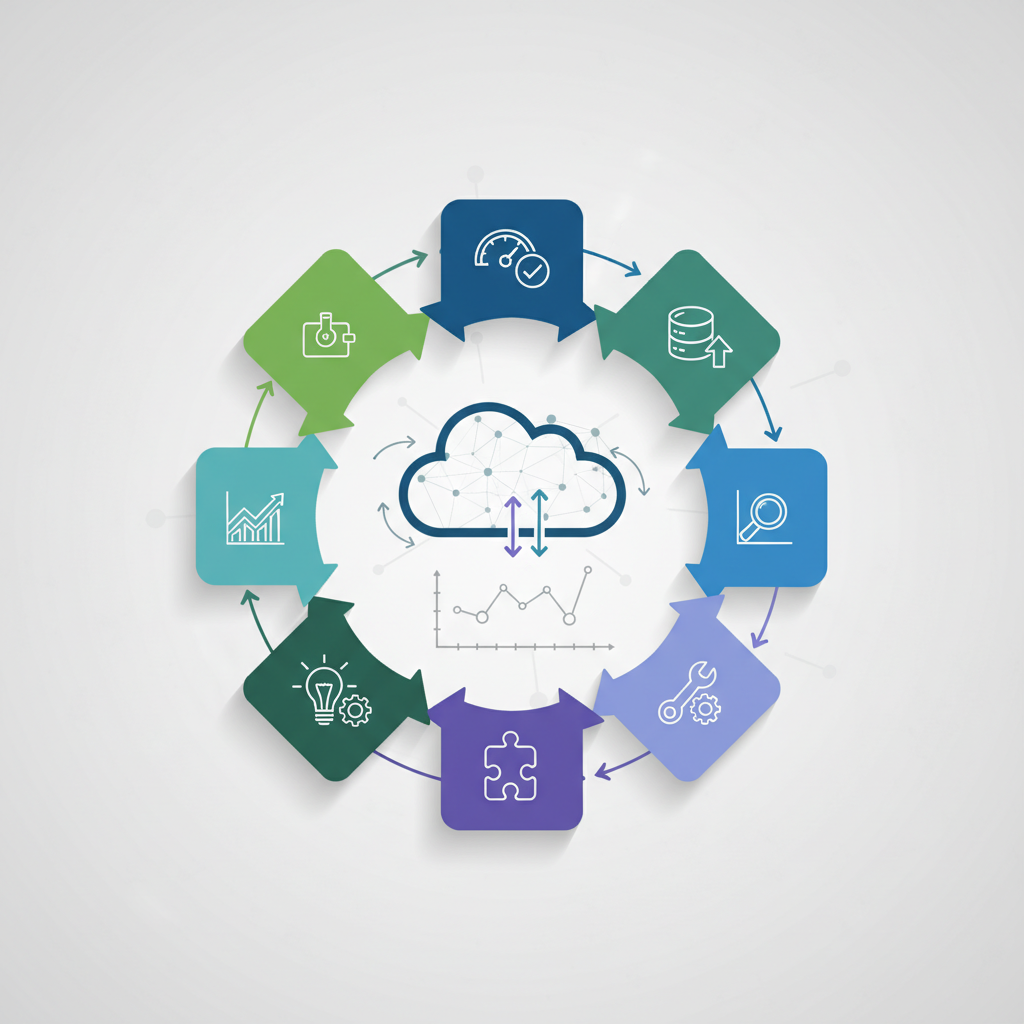
Establish Clear Roles and Responsibilities
Define who is responsible for what aspects of continuous Cloud sla monitoring. This includes ownership of monitoring tools, alert triage, incident response, and performance reporting. Clear roles prevent confusion and ensure timely action.
Assign specific individuals or teams to manage different components of the monitoring pipeline. This clarity is vital for efficient incident management and ensures accountability throughout the process.
Tools and Technologies for Continuous Cloud SLA Monitoring
The market offers a wide array of tools and technologies designed to facilitate effective continuous Cloud sla monitoring. Selecting the right tools is crucial for building a robust and scalable monitoring solution. These tools vary in their capabilities, integration options, and complexity.
Understanding the landscape of available solutions helps organizations make informed decisions tailored to their specific cloud environment and operational needs. The best continuous Cloud sla monitoring strategy often involves a combination of these technologies.
Cloud-Native Monitoring Services
Major cloud providers offer their own comprehensive monitoring services integrated directly into their platforms. Examples include Amazon CloudWatch, Azure Monitor, and Google Cloud Monitoring. These services provide deep insights into the provider's infrastructure and services.
They are often the first line of defense for ongoing cloud SLA tracking, offering seamless integration and granular data collection specific to that cloud environment. Leveraging these native tools is essential for foundational monitoring.
Third-Party APM and Infrastructure Monitoring Tools
Beyond cloud-native solutions, specialized Application Performance Monitoring (APM) and infrastructure monitoring tools provide multi-cloud visibility and advanced analytics. Tools like Datadog, New Relic, Dynatrace, and LogicMonitor offer end-to-end monitoring from infrastructure to application code.
These platforms often provide richer features for root cause analysis, user experience monitoring, and integration with incident management systems. They are excellent for continuous Cloud sla monitoring examples across complex, hybrid environments.
Synthetic Monitoring Tools
Synthetic monitoring involves simulating user interactions with applications and services to proactively detect performance issues. Tools like Catchpoint, ThousandEyes, and Dynatrace Synthetic Monitoring can mimic user paths, measure response times, and identify availability problems before real users are affected.
This type of monitoring is crucial for ensuring always-on cloud performance from an external, user-centric perspective, providing valuable insights into potential service degradation.
Future Trends in Continuous Cloud SLA Monitoring
The field of continuous Cloud sla monitoring is constantly evolving, driven by advancements in cloud technology, AI, and changing business demands. Staying abreast of these emerging trends is essential for future-proofing your monitoring strategy. These trends promise even more intelligent and proactive monitoring capabilities.
The future of persistent cloud service monitoring points towards greater automation, predictive intelligence, and seamless integration across diverse and complex digital landscapes. Organizations must adapt to leverage these innovations.
AI-Powered Predictive Analytics
The role of Artificial Intelligence (AI) and Machine Learning (ML) will become even more central. AI-powered predictive analytics will move beyond anomaly detection to anticipate potential SLA breaches or performance degradation before they occur. This allows for truly proactive remediation.
This will enable systems to learn normal behavior patterns and flag subtle deviations that indicate impending issues, significantly enhancing uninterrupted SLA compliance.
Observability Platforms
The shift from traditional monitoring to full observability platforms is gaining momentum. Observability integrates metrics, logs, and traces into a unified view, providing a deeper understanding of system behavior and making it easier to troubleshoot complex issues in distributed cloud-native applications.
These platforms offer a more holistic and dynamic approach to understanding system state, crucial for effective 24/7 SLA monitoring in microservices architectures.
FinOps Integration
The convergence of financial operations (FinOps) with continuous Cloud sla monitoring will become more prominent. Monitoring tools will increasingly integrate cost data with performance metrics, allowing organizations to optimize cloud spending in real-time based on actual usage and performance.
This integration will help ensure that cloud resources are not only performing well but are also cost-effective, driving greater value from cloud investments.
Frequently Asked Questions
What is continuous Cloud sla monitoring?
Continuous Cloud SLA monitoring is the ongoing, real-time tracking and analysis of cloud service performance against pre-defined Service Level Agreements (SLAs). It involves using automated tools to collect metrics, detect deviations, and ensure that cloud providers consistently meet their contractual obligations for uptime, performance, and reliability.
Why is continuous Cloud sla monitoring important for businesses?
It is crucial for businesses because it ensures uninterrupted service availability, mitigates risks of downtime and performance issues, and helps maintain compliance with contractual and regulatory requirements. It also contributes to cost optimization, better security, and stronger relationships with cloud vendors by providing objective performance data.
What are common challenges in implementing continuous Cloud sla monitoring?
Common challenges include the inherent complexity of multi-cloud environments, the overwhelming volume of monitoring data, the dynamic and ephemeral nature of cloud resources, and skill gaps within IT teams. Overcoming these requires unified platforms, AI-driven analytics, and robust automation.
How does automated continuous monitoring contribute to SLA compliance?
Automated continuous monitoring is vital for SLA compliance as it allows for 24/7 SLA monitoring without manual intervention. It automatically collects vast amounts of data, identifies performance deviations in real-time, and triggers immediate alerts, ensuring prompt action to prevent or resolve issues that could lead to SLA breaches.
Can continuous Cloud sla monitoring help reduce cloud costs?
Yes, continuous Cloud sla monitoring can significantly help reduce cloud costs. By providing insights into resource utilization, it helps identify underutilized resources or inefficient configurations that can be optimized. It also helps avoid costly downtime and potential SLA penalties, leading to overall financial savings.
What are some continuous Cloud sla monitoring examples of metrics tracked?
Examples of metrics tracked include application response times, server uptime percentages, network latency, CPU and memory utilization, disk I/O, error rates (e.g., HTTP 5xx errors), API availability, and database query performance. These metrics provide a comprehensive view of cloud service health.
ENSURE UNINTERRUPTED SERVICE
Ensure uninterrupted service delivery and proactively prevent costly SLA breaches. Leverage our automated, real
✓ Free consultation✓ No commitment required
✓ Trusted by experts
Conclusion
Continuous Cloud sla monitoring is no longer an optional add-on but a fundamental requirement for any organization leveraging cloud services. It provides the essential visibility and control needed to navigate complex cloud environments effectively. By proactively tracking performance against SLAs, businesses can ensure reliability, optimize costs, and maintain a strong security posture.
Embracing this proactive approach, supported by the right tools and best practices, empowers organizations to fully realize the benefits of cloud computing while minimizing associated risks. Investing in a robust continuous Cloud sla monitoring strategy is an investment in your business's future stability and success.
Opsio provides cloud consulting and managed services to help organizations implement and manage their technology infrastructure effectively.