

Compliance Risk Assessment
Compliance Risk Assessment for Strategic Risk Management
Introduction
Modernize stronger business compliance with Opsio’s smart risk assessment and regulatory analysis
What is compliance risk assessment?
Accelerate your business security, resilience, and compliance through effective risk assessment practices
Organizations might not meet legal laws or policy standards a few times. Compliance risk assessment helps you identify them. This structure assists you in detecting areas where current practices aren’t aligned with industry standards. We check for compliance gaps, research the risks, and recommend ways to resolve the issues. Our team helps you identify the issues, protect the data, and maintain the operations. A robust assessment also enables you to make better decisions and helps your organization respond confidently to future risks.
Why do businesses need it?
Improve decisions and efficiency with compliance and risk assessment
In today’s competitive digital landscape, compliance risk assessment is important for organizations to run seamlessly and securely with reputational trust. Opsio helps the businesses to uncover the hidden risks, align them with the industry standards, and improve the internal operations. This process helps you to avoid problems, makes audits smoother, and builds good relationships with customers. It also gives the team the ability to make smart decisions with a clear understanding of the compliance status. Your business stays ahead by identifying the potential risks early and keeps a strong position in the market.

Continuous support for compliance risk assessment.
Available 24/7

Services we provide
Achieve Seamless Operations with Opsio’s Compliance Risk Assessment Services

Security compliance analysis
Our experts monitor your security setups to ensure that they follow global compliance and standards, and our features involve firewalls, encryption, access control, and identity checks, resulting in strong security, minimal risks, and better compliance alignment.

Incident response planning
We help build and refine frameworks for managing security risks and meeting compliance requirements. Our team provides written guides, escalation plans, and recovery protocols, which help your team to act quickly and stay compliant during any disruption, protecting your operations and reputation.

Compliance gap assessment
Opsio tests present standards, operations, and infrastructures to identify compliance gaps. We analyze your existing framework and compare it with the standards and laws. Your team gets step-by-step fixes and recommendations to resolve the issues and reduce compliance failures.

Continuous compliance monitoring
Our monitoring tools identify new risks and alert your organization instantly. We completely check compliance across your systems and operations. This continuous support keeps your compliance status updated. As threats evolve, your infrastructure and workflows stay protected.

Regulatory alignment consulting
Opsio helps businesses to follow local and global compliance regulations. Our experts turn complicated regulations into proactive policies. We build versatile compliance features for long-term business success. Your enterprise stays secure, prepared, and ready for audits.

Policy and governance support
Build and maintain internal policies with Opsio’s compliance risk assessment. We will make sure that all stakeholders meet compliance procedures. Our policies help you to avoid confusion and make them follow standards. They also strengthen your internal operations and overall business structure.

Benefits
Unlock efficiency and security with Opsio’s compliance risk assessment
- Align business strategies with emerging laws for long-term performance growth.
- Set up strong security by using clear and organized risk checks.
- Avoid legal trouble and protect your business from compliance issues.
- Following the right rules builds customer trust and keeps your business running smoothly.
- Fixing risks early also helps you avoid delays and downtime later.
- Deduct penalties and delays by meeting global rules and standards.
Industries we serve
Key sectors that are supported by Opsio’s risk and compliance assessment solutions
Technology providers
Public Sectors
BFSI
BFSI sectors operate under global rules and regulations. Opsio helps you align with data privacy rules, monitors fraud, and controls risk. We lower your risk while keeping clear and reliable audit records.
Telecom
Telecom providers manage vast amounts of user data. Our services minimize audit failures and reduce system risks. We ensure telecom operations meet both compliance and technical standards.
Stay Ahead of the Cloud Curve
Get monthly insights on cloud transformation, DevOps strategies, and real-world case studies from the Opsio team.
Why choose Opsio
Trust our expertise for secure business operations with compliance risk assessment
Compliance Analysis Evolution: Your Opsio Roadmap To Success
Customer Introduction
Introductory meeting to explore needs, goals, and next steps.
Proposal
Onboarding
The shovel hits the ground through onboarding of our agreed service collaboration.
Assessment Phase
Compliance Activation
Run & Optimize
Complaince Risk Assessment FAQ
What are the benefits of conducting a compliance risk assessment for my business?
Conducting a compliance risk assessment for your business is crucial in today’s rapidly changing regulatory landscape. As an IT consultant, you understand the importance of ensuring that your client’s business operations are in compliance with all relevant laws and regulations. By conducting a thorough compliance risk assessment, you can identify potential areas of non-compliance and take proactive steps to address them before they become major issues.
One of the key benefits of conducting a compliance risk assessment is that it helps you to identify and mitigate potential risks before they have a chance to impact your client’s business. By identifying areas of non-compliance early on, you can work with your client to develop and implement effective risk management strategies that will help to protect their business from costly fines, penalties, and legal action.
Additionally, conducting a compliance risk assessment can help to improve operational efficiency and effectiveness within your client’s business. By identifying and addressing areas of non-compliance, you can streamline processes, reduce redundancies, and improve overall business performance. This can help your client to save time and money, while also enhancing their reputation with customers, suppliers, and regulators.
Overall, conducting a compliance risk assessment is an essential part of ensuring the long-term success and sustainability of your client’s business. By taking a proactive approach to compliance, you can help your client to navigate the complex regulatory landscape with confidence and peace of mind.
What are some common compliance regulations that businesses should be aware of when conducting a risk assessment?
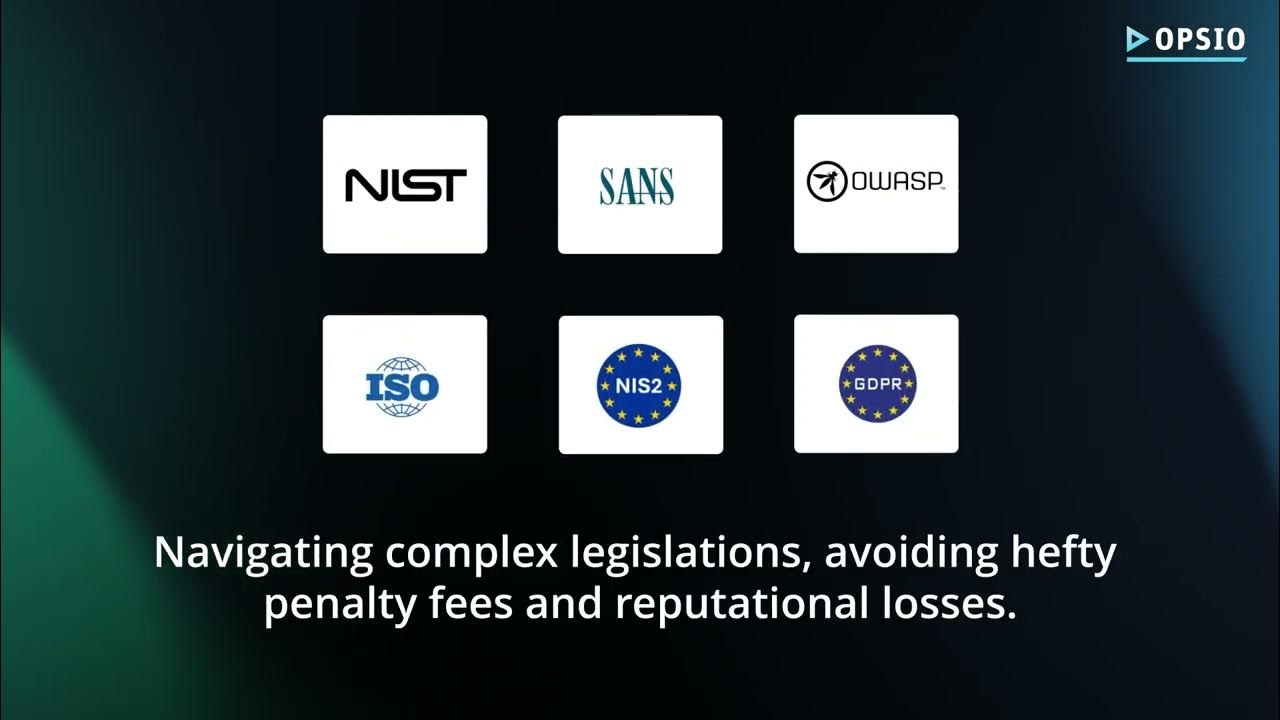
When conducting a risk assessment, businesses must be aware of several common compliance regulations that are crucial to ensuring the security and integrity of their operations. One of the most important regulations that businesses should be aware of is the General Data Protection Regulation (GDPR). This regulation, which was implemented by the European Union, sets strict guidelines for how businesses should handle and protect the personal data of EU citizens. Failure to comply with the GDPR can result in hefty fines and damage to a company’s reputation.
Another important regulation that businesses should be aware of is the Health Insurance Portability and Accountability Act (HIPAA). This regulation applies to businesses in the healthcare industry and sets strict guidelines for how patient data should be protected and secured. Failure to comply with HIPAA can result in severe penalties and legal consequences.
Additionally, businesses should be aware of the Payment Card Industry Data Security Standard (PCI DSS), which sets guidelines for how businesses should handle and protect credit card information. Compliance with PCI DSS is crucial for businesses that handle credit card transactions, as failure to comply can result in fines and loss of business.
Overall, businesses must be aware of these common compliance regulations and ensure that they are following them closely when conducting a risk assessment. By doing so, businesses can protect themselves from legal consequences, financial losses, and damage to their reputation.
What steps are involved in conducting a compliance risk assessment for my business?
Conducting a compliance risk assessment for your business is a crucial step in ensuring that your organization is following all necessary regulations and laws to operate ethically and legally. As an IT consultant, it is important to understand the steps involved in this process to effectively guide your client through the assessment.
The first step in conducting a compliance risk assessment is to identify the relevant regulations and laws that apply to your client’s industry and business operations. This may include federal, state, and local regulations, as well as industry-specific guidelines. It is important to thoroughly research and understand these regulations to ensure that no compliance issues are overlooked.
Once the regulations have been identified, the next step is to assess the current compliance status of your client’s business. This may involve reviewing policies and procedures, conducting interviews with key personnel, and analyzing documentation to determine areas of potential non-compliance.
After identifying potential compliance risks, the next step is to prioritize these risks based on their potential impact on the business. This may involve conducting a risk assessment to determine the likelihood and severity of each risk, as well as the potential consequences of non-compliance.
Finally, once the compliance risks have been identified and prioritized, it is important to develop a comprehensive compliance risk management plan. This plan should outline specific actions to address each compliance risk, including implementing new policies and procedures, training employees, and monitoring compliance on an ongoing basis.
By following these steps, you can help your client conduct a thorough compliance risk assessment and develop a proactive approach to managing compliance risks in their business. This will not only help protect their business from potential legal and financial consequences but also demonstrate their commitment to ethical and responsible business practices.