

Understanding claod adoption : Paving the Way for Digital Transformation
The modern business landscape is undeniably shaped by technology, with cloud computing standing at its forefront. A structured and strategic approach to moving operations, data, and applications to the cloud is known as claod adoption. This critical process is not merely a technical migration; it represents a fundamental shift in how organizations operate, innovate, and deliver value.
Successful claod adoption can unlock unprecedented agility and efficiency, empowering businesses to thrive in an increasingly competitive environment. This comprehensive guide explores the multifaceted aspects of embracing the cloud, from initial strategy development to overcoming common hurdles and realizing its full potential.
What is claod adoption ? Understanding the Fundamentals
claod adoption refers to the strategic process by which an organization moves its IT infrastructure, applications, and data to a cloud environment. This transition can involve various types of cloud computing services, including Infrastructure as a Service (IaaS), Platform as a Service (PaaS), and Software as a Service (SaaS). It's a journey that fundamentally redefines an organization's technological footprint and operational model.
The primary driver behind claod adoption is often digital transformation, aiming to modernize IT landscapes and enhance business capabilities. By leveraging the cloud, companies seek to improve scalability, reduce operational costs, and foster greater innovation. This shift moves away from traditional on-premise solutions towards flexible, scalable, and often more cost-effective cloud-based alternatives.
The Compelling Cloud Benefits of claod adoption
Embracing claod adoption offers a multitude of advantages that can significantly impact an organization's bottom line and competitive edge. These benefits extend across various operational and strategic dimensions, making a strong case for investment. Understanding these gains is crucial for building a robust cloud strategy.
One of the most immediate advantages is enhanced cost efficiency. Cloud services typically operate on a pay-as-you-go model, transforming capital expenditures into operational ones and eliminating the need for large upfront hardware investments. This flexibility allows businesses to scale resources up or down based on demand, avoiding over-provisioning and reducing waste.
Financial and Operational Advantages
Scalability and flexibility are core cloud benefits that enable businesses to respond rapidly to changing market conditions. Organizations can quickly deploy new applications, expand their infrastructure, and adjust computing power without extensive lead times. This agility is vital for businesses experiencing rapid growth or fluctuating workloads.
Improved security posture is another significant advantage, often overlooked in initial discussions. Leading cloud providers invest heavily in robust security measures, compliance certifications, and expert staff that many individual organizations cannot match. While security remains a shared responsibility, the underlying infrastructure is typically more secure in the cloud.
Innovation and Business Agility
The cloud fosters innovation by providing easy access to cutting-edge technologies and development tools. Teams can experiment with new services like artificial intelligence, machine learning, and big data analytics without significant upfront investment in hardware. This accelerates development cycles and time-to-market for new products and services.
Furthermore, cloud environments enhance collaboration and remote work capabilities. Employees can access applications and data from anywhere, on any device, promoting a more connected and productive workforce. Disaster recovery and business continuity also see substantial improvements, as cloud providers offer resilient architectures and automated backup solutions.
Navigating the Cloud Adoption Challenges
While the benefits of claod adoption are compelling, the journey is not without its obstacles. Organizations must proactively address various cloud adoption challenges to ensure a smooth transition and realize the full potential of their investment. Acknowledging these hurdles is the first step towards developing effective mitigation strategies.
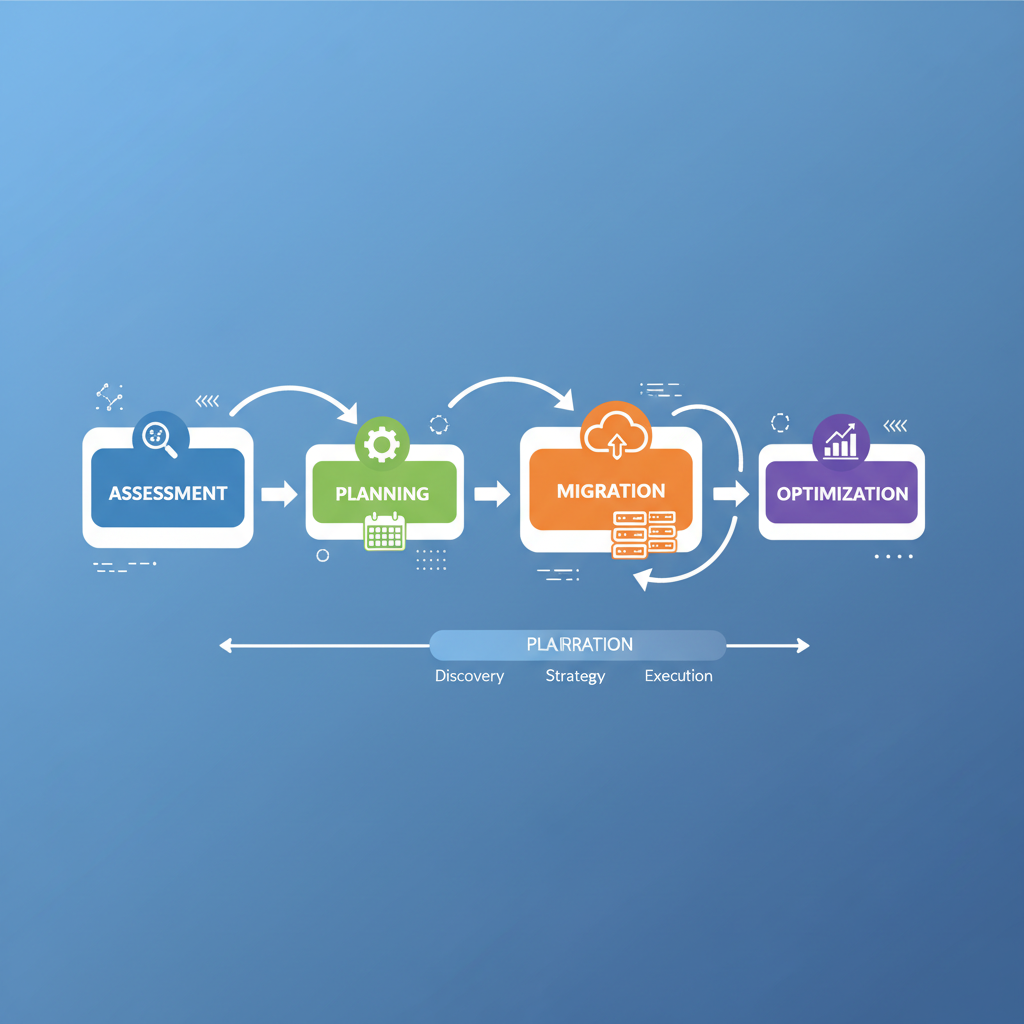
One significant challenge is managing the complexity of cloud migration itself. Moving existing applications and data can be a daunting task, often requiring careful planning, re-architecting, and thorough testing. Data integrity, minimal downtime, and compatibility issues are major concerns during this phase.
Technical and Security Hurdles
Security concerns remain a prominent challenge for many organizations considering claod adoption. While cloud providers offer robust security, ensuring data privacy, compliance with regulations, and protecting against misconfigurations falls on the customer. A thorough understanding of the shared responsibility model is essential.
Vendor lock-in is another potential issue, where an organization becomes overly reliant on a specific cloud provider's proprietary services and technologies. This can make it difficult and costly to switch providers later, limiting flexibility. Interoperability across different cloud platforms or with on-premise systems also poses technical difficulties.
Organizational and Cultural Roadblocks
Beyond technical issues, organizational and cultural factors often present significant cloud adoption challenges. Resistance to change from employees accustomed to traditional IT environments can hinder progress. A lack of necessary skills within the existing workforce for managing cloud technologies is also a common bottleneck.
Integration with legacy systems can be complex and time-consuming, requiring careful planning to ensure seamless operation. Managing costs effectively in the cloud, often referred to as FinOps, can also be challenging without proper monitoring and governance. Unexpected costs can arise from inefficient resource utilization if not carefully managed.
UNLOCK YOUR BUSINESSS
Unlock your business's full potential. Start your secure and optimized cloud journey today to
✓ Free consultation✓ No commitment required
✓ Trusted by experts
Crafting Your Cloud Strategy: A Step-by-Step Approach for claod adoption
A well-defined cloud strategy is the cornerstone of successful claod adoption. Without a clear roadmap, organizations risk wasted resources, failed migrations, and an inability to achieve desired business outcomes. This strategic framework guides every decision, from initial assessment to ongoing optimization.
The first step involves a comprehensive assessment of the current IT landscape and business objectives. This includes evaluating existing applications, infrastructure, data dependencies, and security requirements. Understanding current pain points and identifying specific business drivers for moving to the cloud is paramount.
Developing a Robust Cloud Strategy
Once the assessment is complete, organizations need to define their target cloud operating model. This involves deciding on the appropriate type of cloud computing services – whether public, private, hybrid, or multi-cloud – and the specific services (IaaS, PaaS, SaaS) that best fit their needs. Each model offers different levels of control, flexibility, and cost implications.
A detailed business case should be developed, outlining the anticipated return on investment (ROI), cost savings, and intangible benefits like increased agility and innovation. This justification helps secure executive buy-in and allocates necessary resources for the claod adoption journey. It aligns technical goals with overarching business goals.
Planning for the Migration Journey
The cloud strategy must also encompass a clear plan for cloud migration. This involves identifying which applications to move first, prioritizing based on complexity, dependencies, and business impact. The "6 Rs" of cloud migration (rehost, replatform, refactor, repurchase, retire, retain) provide a useful framework for decision-making.
Establishing strong governance policies for cloud usage, security, and cost management is critical. This includes defining roles and responsibilities, setting up automated monitoring, and implementing robust security controls. A well-executed strategy ensures that claod adoption delivers measurable value and supports long-term business goals.
The Cloud Migration Journey: Best Practices for claod adoption
Embarking on cloud migration is a pivotal phase in claod adoption, requiring meticulous planning and execution. This journey involves more than simply lifting and shifting applications; it's an opportunity to modernize and optimize IT operations. Adhering to best practices can significantly reduce risks and accelerate time to value.
Before any migration begins, a thorough discovery and assessment of the existing environment is essential. This includes inventorying all applications, databases, and dependencies, as well as understanding their performance characteristics and resource consumption. This detailed analysis informs the migration strategy and helps identify potential challenges early on.
Executing the Migration with Precision
Organizations should adopt a phased approach to cloud migration, starting with non-critical applications or those with easily transferable workloads. This allows teams to gain experience, refine processes, and minimize disruption to core business operations. A "migrate, test, iterate" cycle helps build confidence and streamline subsequent migrations.
For complex applications, consider re-architecting or refactoring them to take full advantage of cloud-native services. This might involve breaking monolithic applications into microservices or leveraging serverless functions for greater scalability and efficiency. While more resource-intensive initially, it yields significant long-term cloud benefits.
A Comprehensive Cloud Implementation Guide
A robust cloud implementation guide should detail every step of the migration, including data migration strategies, network connectivity, security configurations, and testing protocols. Automated tools and scripts should be utilized wherever possible to accelerate the process and minimize human error. Post-migration validation is critical to ensure applications function as expected.
Training and upskilling the internal IT team is paramount throughout the migration process. Equipping staff with the necessary cloud skills ensures smooth operations post-migration and fosters a culture of continuous improvement. This investment in human capital is vital for sustained enterprise cloud adoption. Regular monitoring and optimization of cloud resources will ensure cost-effectiveness and performance.
Ensuring Successful Enterprise Cloud Adoption
Achieving successful enterprise cloud adoption extends far beyond the initial migration; it's about building a sustainable and optimized cloud operating model. This requires a holistic approach that addresses governance, talent development, and continuous improvement. The goal is to maximize the ongoing value derived from cloud investments.
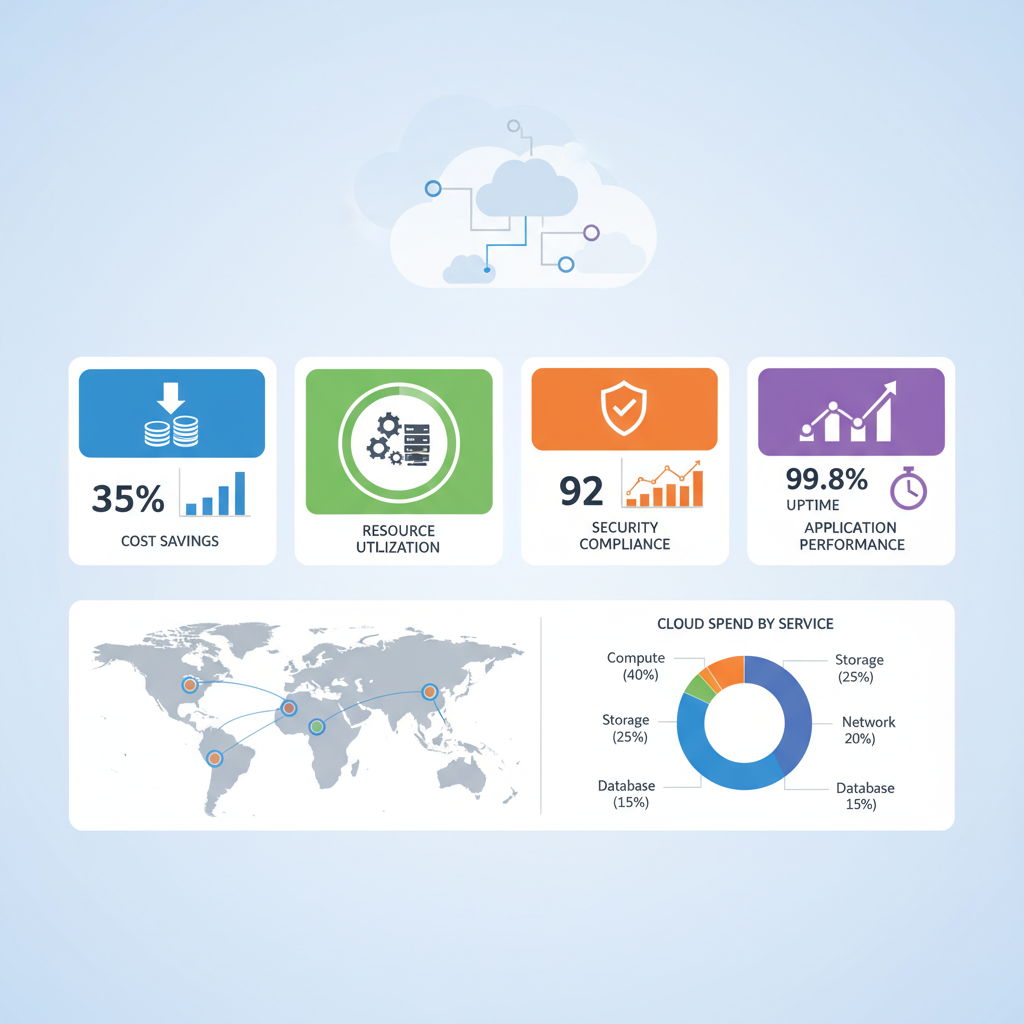
Establishing a robust cloud governance framework is crucial for managing costs, security, and compliance in the long term. This framework should define policies for resource provisioning, access control, data residency, and budget allocation. Automated governance tools can help enforce these policies and provide real-time visibility into cloud spend and security posture.
Governance and Continuous Optimization
Continuous monitoring and optimization are key to realizing the full potential of cloud benefits. This involves regularly reviewing cloud resource utilization, identifying idle resources, and rightsizing instances to match actual demand. Implementing FinOps practices ensures that cost management becomes an integral part of operations.
Security must remain a top priority, with ongoing assessments, vulnerability management, and incident response planning tailored to the cloud environment. Organizations should regularly review their cloud security configurations and ensure compliance with industry standards and regulatory requirements. This proactive approach helps mitigate potential risks.
People and Process Alignment
Investing in people is critical for long-term enterprise cloud adoption. Developing a robust training program for IT staff, covering cloud architecture, operations, security, and development, is essential. Fostering a culture that embraces change, experimentation, and continuous learning will further accelerate cloud maturity.
Furthermore, adapting organizational processes to align with cloud-native methodologies, such as DevOps and agile development, will enhance agility and efficiency. Integrating cloud services into existing workflows and building automated pipelines streamlines operations and accelerates application delivery. This comprehensive approach ensures that the cloud journey remains successful and value-driven.
The Future of claod adoption : Trends and Innovations
The landscape of claod adoption is constantly evolving, driven by new technologies and changing business demands. Staying abreast of emerging trends allows organizations to strategically plan their next moves and maintain a competitive edge. The future promises even greater integration, automation, and intelligence within cloud environments.
One significant trend is the rise of edge computing, which brings computation and data storage closer to the sources of data. This reduces latency, conserves bandwidth, and enhances real-time processing capabilities, critical for IoT devices and AI applications. Hybrid and multi-cloud strategies will continue to dominate, offering flexibility and resilience.
Emerging Technologies and Strategic Directions
Serverless computing is gaining traction, allowing developers to build and run applications without managing servers. This further reduces operational overhead and enables highly scalable, event-driven architectures. Artificial intelligence and machine learning services embedded within cloud platforms will become even more pervasive, democratizing access to advanced analytics.
Sustainability and green cloud initiatives are also growing in importance. Cloud providers are increasingly focusing on energy efficiency and renewable energy sources for their data centers. Organizations embarking on claod adoption will increasingly factor environmental impact into their provider selection. The future of claod adoption is characterized by intelligent, distributed, and highly optimized environments.
Frequently Asked Questions
What are the primary drivers for claod adoption ?
The primary drivers for claod adoption typically include the desire for increased agility, scalability, and cost efficiency. Organizations also seek to enhance innovation capabilities, improve disaster recovery, and support remote work initiatives. Digital transformation goals are often at the core of these decisions.
What are the different types of cloud computing services?
The main types of cloud computing services are Infrastructure as a Service (IaaS), Platform as a Service (PaaS), and Software as a Service (SaaS). IaaS provides fundamental computing resources, PaaS offers a platform for developing applications, and SaaS delivers ready-to-use software applications over the internet.
How can organizations mitigate cloud adoption challenges?
Organizations can mitigate cloud adoption challenges through thorough planning, comprehensive security strategies, and robust governance frameworks. Investing in employee training, choosing appropriate cloud migration strategies, and continuously monitoring costs and performance are also crucial.
What is the importance of a clear cloud strategy?
A clear cloud strategy is vital because it provides a roadmap for the entire claod adoption journey. It aligns cloud initiatives with business objectives, helps in selecting the right cloud services, manages risks, and ensures that the investment delivers tangible business value.
What role does digital transformation play in claod adoption ?
Digital transformation plays a central role in claod adoption by providing the overarching business imperative. Cloud adoption is often a foundational step in a larger digital transformation initiative, enabling organizations to modernize operations, introduce new digital services, and improve customer experiences.
Is multi-cloud a viable strategy for claod adoption ?
Yes, multi-cloud is increasingly a viable and popular strategy for claod adoption. It involves using services from multiple cloud providers to avoid vendor lock-in, enhance resilience, and optimize for specific workloads. This approach requires careful management to ensure consistent operations and security across platforms.
UNLOCK YOUR BUSINESSS
Unlock your business's full potential. Start your secure and optimized cloud journey today to
✓ Free consultation✓ No commitment required
✓ Trusted by experts
Conclusion
claod adoption is an essential journey for any organization aiming to thrive in the digital age. It offers unparalleled opportunities for efficiency, innovation, and business resilience. While navigating the path requires careful planning and strategic execution, the cloud benefits far outweigh the initial cloud adoption challenges.
By developing a robust cloud strategy, meticulously executing cloud migration, and focusing on continuous optimization and strong governance, businesses can digital transformation and maintain a competitive edge for years to come.
Opsio provides managed services and cloud consulting to help organizations implement and manage their technology infrastructure effectively.