

Understanding Why and How to get managed cloud services
In today's fast-paced digital landscape, businesses are constantly seeking ways to optimize operations, reduce costs, and enhance agility. One of the most effective strategies to achieve these goals is to get managed cloud services. This comprehensive guide will walk you through the entire process, explaining what managed cloud services entail, why they are crucial, and the step-by-step approach to successfully acquire and implement them for your organization.
Managed cloud services offer a compelling solution for businesses looking to leverage the power of the cloud without the complexities of in-house management. They provide expert oversight, maintenance, and support for your cloud infrastructure, applications, and data. By choosing to get managed cloud services, companies can focus on their core competencies while a specialized provider handles the intricate details of cloud management.
What are Managed Cloud Services?
Managed cloud services involve outsourcing the management, maintenance, and optimization of your cloud infrastructure and operations to a third-party expert. This can include public, private, or hybrid cloud environments. Essentially, you engage provider specialists to handle the day-to-day running of your cloud.
These services span a wide range of responsibilities, from proactive monitoring and security to patch management, backup, and disaster recovery. A managed cloud provider acts as an extension of your IT team, ensuring your cloud environment performs optimally and securely. They offer specialized expertise that might be difficult or costly to maintain in-house.
Why Your Business Needs to get managed cloud services
Opting to get managed cloud services can transform your business by providing significant operational and strategic advantages. It addresses common challenges such as IT staff shortages, escalating infrastructure costs, and the complexity of cloud security. Many organizations find it challenging to keep up with the rapid pace of cloud innovation and security threats on their own.
By choosing to get managed cloud services, businesses can tap into a deep pool of expertise without the overhead. This allows for greater focus on innovation and strategic growth. The benefits extend beyond cost savings, encompassing improved reliability, enhanced security, and predictable operational expenses.
#### Key Benefits of Outsourcing Cloud Management
Outsourcing your IT operations, specifically cloud management, brings a multitude of advantages that can significantly impact your bottom line and operational efficiency. It’s a strategic decision that empowers businesses to scale effectively.
- Cost Efficiency: Reduce capital expenditures on hardware and software licenses, and convert variable IT operational costs into predictable monthly fees. You also save on hiring and training specialized cloud staff.
- Enhanced Security: Managed service providers (MSPs) offer robust security protocols, compliance expertise, and 24/7 threat monitoring. They are equipped to handle complex cybersecurity landscapes more effectively than internal teams.
- Improved Reliability and Performance: Providers ensure high availability, proactive monitoring, and performance optimization. This means less downtime and faster application response times, directly impacting user experience.
- Access to Expertise: Gain instant access to a team of certified cloud architects, engineers, and support staff. This expertise ensures best practices are followed and complex issues are resolved quickly.
- Scalability and Flexibility: Easily scale resources up or down based on business needs, without significant lead times or manual intervention. This agility is crucial for adapting to market changes.
- Focus on Core Business: Free up your internal IT team from routine operational tasks. This allows them to concentrate on strategic initiatives that drive business innovation and growth.
- Disaster Recovery and Business Continuity: Many managed cloud services include comprehensive backup and disaster recovery solutions. This minimizes data loss and ensures business continuity in unforeseen events.

Key Considerations Before You get managed cloud services
Before you decide to get managed cloud services, a thorough assessment of your current IT landscape and future business objectives is paramount. This preparatory phase ensures that your decision aligns with your strategic goals and that you select the right services and provider. It's not just about what you need now, but also what you will need in 2026 and beyond.
Careful planning minimizes potential disruptions and maximizes the return on your investment. Engaging stakeholders from different departments can help identify critical requirements and concerns. This collaborative approach ensures that all facets of the business are considered.
Assessing Your Current IT Infrastructure and Needs
Begin by conducting a comprehensive audit of your existing IT infrastructure, applications, and data. Understand what resources are currently running, their interdependencies, and their performance requirements. This deep dive will inform your service acquisition.
Consider both your current operational needs and projected growth. Think about peak demands, compliance requirements, and any specific industry regulations you must adhere to. Documenting these requirements meticulously will form the basis for your service level agreements.
Defining Your Business Objectives and Budget
Clearly articulate what you aim to achieve by choosing to get managed cloud services. Are you looking to reduce operational costs, enhance security, improve scalability, or accelerate digital transformation? Specific objectives will guide your provider selection.
Establish a realistic budget for managed cloud services, considering both initial setup costs and ongoing monthly fees. Factor in potential savings from reduced in-house IT overhead and improved efficiency. A clear budget helps narrow down suitable providers and service tiers.
Steps to Successfully get managed cloud services
Procuring managed cloud services involves a structured approach to ensure a seamless transition and optimal outcomes. Following these steps will help you navigate the process effectively, from initial inquiry to full deployment and ongoing support. Each phase is critical for long-term success.
This methodical journey ensures that you acquire support that genuinely meets your organizational needs. It also helps in building a strong, collaborative relationship with your chosen provider. Don't rush these steps; due diligence pays off.
Step 1: Research Potential Managed Cloud Providers
Start by identifying a shortlist of reputable managed cloud service providers. Look for providers with a strong track record, industry certifications, and experience relevant to your specific business sector and cloud platform (e.g., AWS, Azure, Google Cloud).
Investigate their service offerings, support models, and client testimonials. Online reviews and industry reports can provide valuable insights into their reliability and customer satisfaction. A provider's financial stability is also an important factor to consider.
Step 2: Request for Proposal (RFP) and Vendor Evaluation
Once you have a shortlist, prepare a detailed Request for Proposal (RFP) outlining your specific needs, technical requirements, security standards, and desired service levels. The more detailed your RFP, the more accurate the proposals you will receive.
Evaluate the submitted proposals based on several criteria, including cost, proposed solutions, service level agreements (SLAs), support structure, security measures, and disaster recovery capabilities. Compare each provider’s strengths against your priorities.
Step 3: Due Diligence and Contract Negotiation
Conduct thorough due diligence on your top-choice providers. This may involve reference checks, technical deep dives, and security audits. Verify their compliance certifications and data handling policies.
Negotiate the contract carefully, paying close attention to SLAs, pricing models, exit clauses, and security addendums. Ensure that all aspects of the service are clearly defined and that your business interests are protected. Legal review is highly recommended at this stage.
Step 4: Onboarding and Migration Planning
After signing the contract, the provider will initiate the onboarding process. This typically involves detailed planning for migrating your existing infrastructure and applications to the managed cloud environment. Effective communication is key during this phase.
Develop a comprehensive migration plan with the provider, specifying timelines, responsibilities, data transfer methods, and contingency plans. Minimize disruption to your operations by scheduling migrations during off-peak hours. Thorough testing after migration is crucial.
MAXIMIZE YOUR CLOUDS
Maximize your cloud's potential with expert management. Discover custom cloud solutions
✓ Free consultation✓ No commitment required
✓ Trusted by experts
Choosing the Right Provider to get managed cloud services
Selecting the appropriate managed cloud service provider is perhaps the most critical decision in this entire process. A good provider will be a strategic partner, not just a vendor, aligning with your business goals and technological needs. Their expertise and support can significantly impact your success.
The right partner will offer more than just technical services; they will provide strategic guidance and proactive support. This partnership is essential for optimizing your cloud investments and navigating future technological shifts.
Criteria for Evaluating Managed Cloud Providers
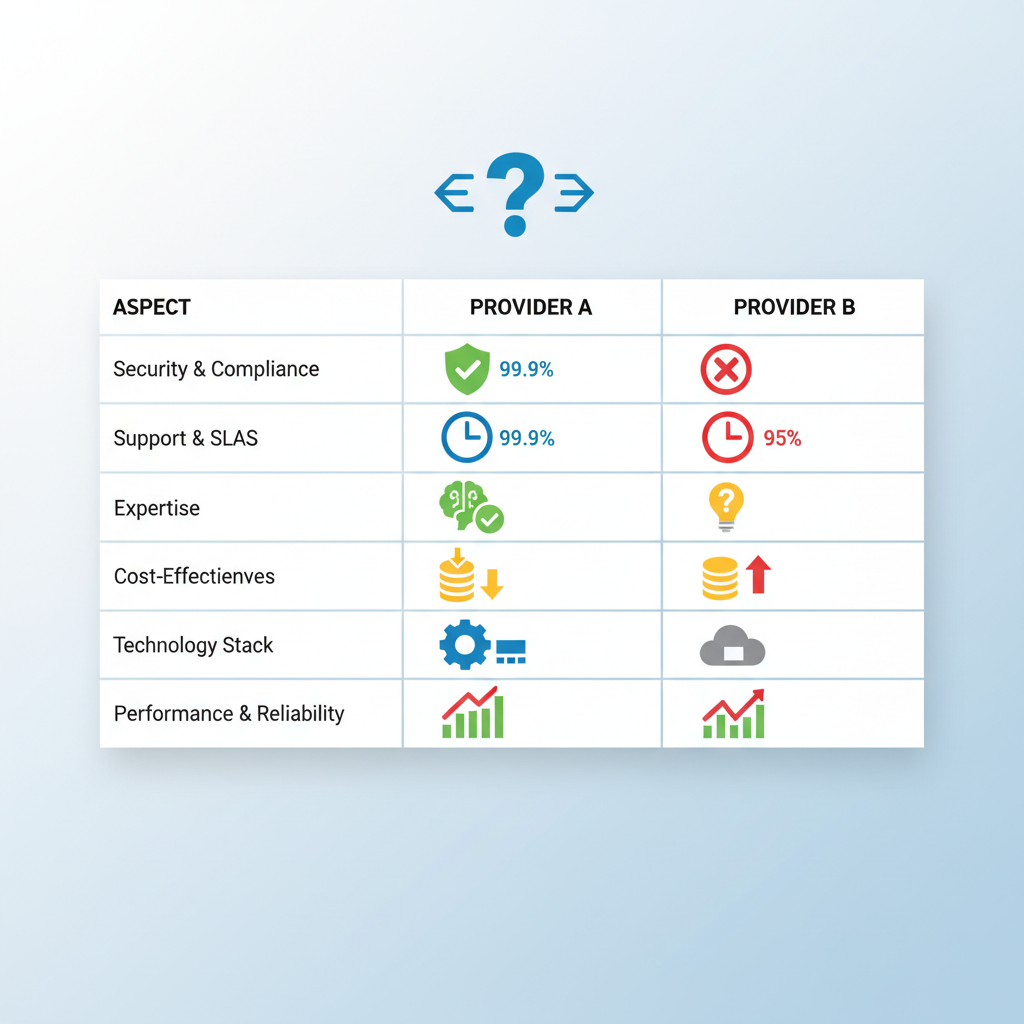
When you are looking to get managed cloud services, evaluate potential providers against a set of robust criteria. These considerations ensure you select a partner that can truly deliver on your expectations and requirements for a long-term relationship.
- Expertise and Certifications: Verify their team's certifications (e.g., AWS Certified, Azure Expert). Look for specialized knowledge in areas relevant to your business, such as data analytics, AI, or specific industry compliance.
- Service Offerings: Does the provider offer a comprehensive suite of services that cover all your needs, from infrastructure management to application support and security? Ensure they can grow with your evolving requirements.
- Security and Compliance: A crucial factor. Assess their security framework, data protection policies, and compliance with relevant industry standards (e.g., GDPR, HIPAA, PCI DSS). Ask about their incident response plan.
- Support Model and SLAs: Understand their support channels (phone, email, chat), response times, and availability (24/7/365). Review their Service Level Agreements (SLAs) carefully for uptime guarantees and performance metrics.
- Pricing Structure: Compare pricing models (e.g., fixed fee, consumption-based, hybrid). Ensure transparency and avoid hidden costs. Understand how scaling affects your monthly bill.
- Reputation and References: Request client references and check online reviews. A strong reputation for reliability and customer satisfaction is a good indicator of quality service.
- Technology Partnerships: A provider's partnerships with major cloud platforms (AWS, Azure, Google Cloud) indicate their technical capabilities and access to the latest innovations.
- Scalability and Flexibility: Can they adapt their services as your business scales up or down? Ensure they offer flexible contracts and resource allocation.
- Reporting and Transparency: Look for providers who offer detailed performance reports, transparent billing, and access to monitoring dashboards. This helps you track performance and costs.
Implementing and Optimizing Your Managed Cloud Services
Once you decide to subscribe to a managed cloud service, the implementation phase is critical. This involves deploying your cloud infrastructure and applications with the provider's assistance, followed by continuous optimization to ensure maximum efficiency and performance. It's an ongoing journey of improvement.
Effective implementation lays the groundwork for a successful partnership. Post-implementation, regular reviews and adjustments are essential for long-term value. This continuous cycle ensures your cloud environment remains agile and cost-effective.
Deploying Your Cloud Infrastructure
Working closely with your managed cloud provider, you will deploy cloud resources based on the agreed-upon architecture. This might involve setting up virtual machines, databases, networking components, and security groups. The provider’s team will handle the technical execution.
The goal is to establish a robust and secure cloud environment tailored to your specific application requirements. This often includes configuring load balancers, auto-scaling groups, and advanced security features. Detailed documentation of the deployment is essential.
Ongoing Management and Support
After deployment, the managed cloud service provider takes over the day-to-day operational tasks. This includes continuous monitoring of your cloud resources, proactive identification of issues, and swift resolution of any incidents. They acquire support responsibilities fully.
Their team will handle patch management, system updates, backup and recovery operations, and performance tuning. Regular reporting on system health, security posture, and resource utilization keeps you informed about your cloud environment’s status. This ensures your cloud remains optimized and secure.
Continuous Optimization and Cost Management
A key benefit of managed services is the ongoing optimization they provide. Providers continuously analyze your cloud usage patterns to identify opportunities for cost savings and performance enhancements. This might involve rightsizing instances or leveraging reserved instances.
They help you manage cloud spend effectively, ensuring you only pay for what you need and use. Regular reviews with your provider will discuss potential improvements, new technologies, and ways to further align your cloud strategy with business objectives. This proactive approach helps your business stay competitive.
Common Challenges and How to Overcome Them When You get managed cloud services
While the benefits of managed cloud services are substantial, organizations may encounter certain challenges during the procurement and implementation phases. Awareness of these potential hurdles allows for proactive strategies to mitigate them effectively. Addressing these challenges head-on ensures a smoother transition.
Being prepared for these common issues can save time, resources, and frustration. A clear understanding of best practices for overcoming them will contribute to a more successful managed cloud journey. Proactive communication and clear expectations are vital.
Integration Complexities
Integrating managed cloud services with existing on-premise systems or other cloud environments can be complex. Data synchronization, API compatibility, and network connectivity often pose significant challenges. This requires careful planning and execution.
Tip: Ensure your chosen provider has a strong track record in hybrid cloud integrations and offers robust integration tools or services. Develop a detailed integration plan during the onboarding phase, identifying all dependencies and potential roadblocks. Test integrations thoroughly before full deployment.
Vendor Lock-in Concerns
A common apprehension is the risk of vendor lock-in, making it difficult to switch providers or bring services back in-house later. This can limit future flexibility and potentially increase costs over time. It's a valid concern for any long-term service contract.
Tip: Mitigate this by including clear exit clauses and data portability agreements in your contract. Choose providers that utilize open standards and offer services that are easily transferable. Maintain ownership of your data and cloud accounts wherever possible.
Maintaining Control and Visibility
Some businesses worry about losing direct control over their IT infrastructure or having reduced visibility into operations when outsourcing. This can lead to concerns about accountability and responsiveness. Transparency is key here.
Tip: Select a provider that offers transparent reporting, access to monitoring dashboards, and regular performance reviews. Define clear communication channels and escalation procedures in your SLA. Establish regular check-ins to maintain oversight and discuss any operational concerns.
Security and Compliance Responsibilities
While providers enhance security, understanding the shared responsibility model in the cloud is crucial. You retain some responsibility for security in the cloud (e.g., application security, data access controls), even as the provider manages security of the cloud. Compliance can also be complex.
Tip: Clearly define security responsibilities with your provider in the contract. Ensure they adhere to your industry's compliance standards and have strong audit trails. Implement strong internal security policies and user access controls to complement the provider’s efforts.
Frequently Asked Questions
Understanding managed cloud services often comes with a set of common inquiries. This section addresses some of the most pressing questions businesses have when considering whether to get managed cloud services.
What is the primary difference between IaaS and managed cloud services?
Infrastructure as a Service (IaaS) provides you with virtualized computing resources over the internet, like virtual machines and storage, but you are still responsible for managing the operating systems, applications, and network configurations. Managed cloud services, conversely, take over these management responsibilities from you, offering ongoing maintenance, security, and optimization for your cloud infrastructure. Essentially, IaaS is the raw infrastructure, while managed services add the expertise to run it effectively.
How much does it cost to get managed cloud services?
The cost of managed cloud services varies widely depending on several factors, including the scope of services needed, the volume of resources consumed, the complexity of your environment, and the chosen provider. Pricing models can range from fixed monthly fees to consumption-based billing or a hybrid approach. It's essential to get detailed quotes and compare what each provider offers for their price. While there's an upfront investment, the long-term savings from reduced operational overhead and increased efficiency often outweigh the costs.
How long does it take to deploy cloud infrastructure with a managed service provider?
The deployment timeline for cloud infrastructure with a managed service provider depends heavily on the complexity and scale of your existing environment. A simple migration might take a few weeks, while a large-scale enterprise migration with numerous applications and databases could span several months. Planning, data migration, testing, and integration with existing systems are all time-consuming but critical steps. Your provider will work with you to establish a realistic timeline during the onboarding phase.
What kind of support can I expect from a managed cloud provider?
You can typically expect comprehensive support from a managed cloud provider. This often includes 24/7/365 monitoring and support for your cloud infrastructure, proactive issue resolution, patch management, security updates, and performance tuning. Many providers also offer dedicated account managers, technical consulting, and regular performance reports. The specific level of support will be detailed in your Service Level Agreement (SLA).
MAXIMIZE YOUR CLOUDS
Maximize your cloud's potential with expert management. Discover custom cloud solutions
✓ Free consultation✓ No commitment required
✓ Trusted by experts
Conclusion: Empower Your Business by Choosing to get managed cloud services
Deciding to get managed cloud services is a strategic move that can significantly empower your business in the modern digital economy. It enables organizations to offload the complexities of cloud management, allowing internal teams to concentrate on innovation and core business objectives. By partnering with the right provider, you gain access to specialized expertise, enhanced security, improved reliability, and scalable solutions that drive efficiency and growth.
The journey to procure and implement managed cloud services requires careful planning, thorough evaluation, and a clear understanding of your business needs. By following the steps outlined in this guide – from assessing your requirements to choosing an expert provider and optimizing ongoing operations – you can ensure a successful transition. Embrace the future of IT management and transform your operational capabilities by opting to get managed cloud services.
Opsio provides cloud consulting and managed services to help organizations implement and manage their technology infrastructure effectively.