

In the modern digital landscape, cloud computing has become an indispensable backbone for enterprises globally. While offering unparalleled agility and scalability, unchecked cloud expenditure can quickly erode anticipated benefits. Therefore, mastering enterprise cloud cost optimization is no longer optional; it is a strategic imperative for sustainable growth and profitability.
This comprehensive guide will delve into the intricacies of optimizing enterprise cloud expenditure, providing actionable insights and proven strategies. We aim to equip you with the knowledge to establish robust corporate cloud budget control, ensuring your cloud investments deliver maximum value. By understanding and implementing these principles, organizations can transform their cloud spending from a potential liability into a significant competitive advantage.
Understanding the Challenge of Enterprise Cloud Spending
The sheer scale and dynamic nature of enterprise cloud environments present unique cost management challenges. Unlike traditional on-premises infrastructure, cloud resources can be provisioned and de-provisioned rapidly, often leading to overlooked expenses. This fluid environment necessitates a proactive approach to cloud financial management for enterprises.
One of the primary hurdles is the lack of complete visibility into large-scale cloud spending reduction. Resources spun up for temporary projects might remain active indefinitely, or services could be over-provisioned without clear justification. This sprawl makes it difficult for finance teams to track and attribute costs accurately, hindering effective corporate cloud budget control. Without a clear understanding of where the money is going, identifying areas for optimizing enterprise cloud expenditure becomes a guessing game.
Key Principles of enterprise cloud cost optimization
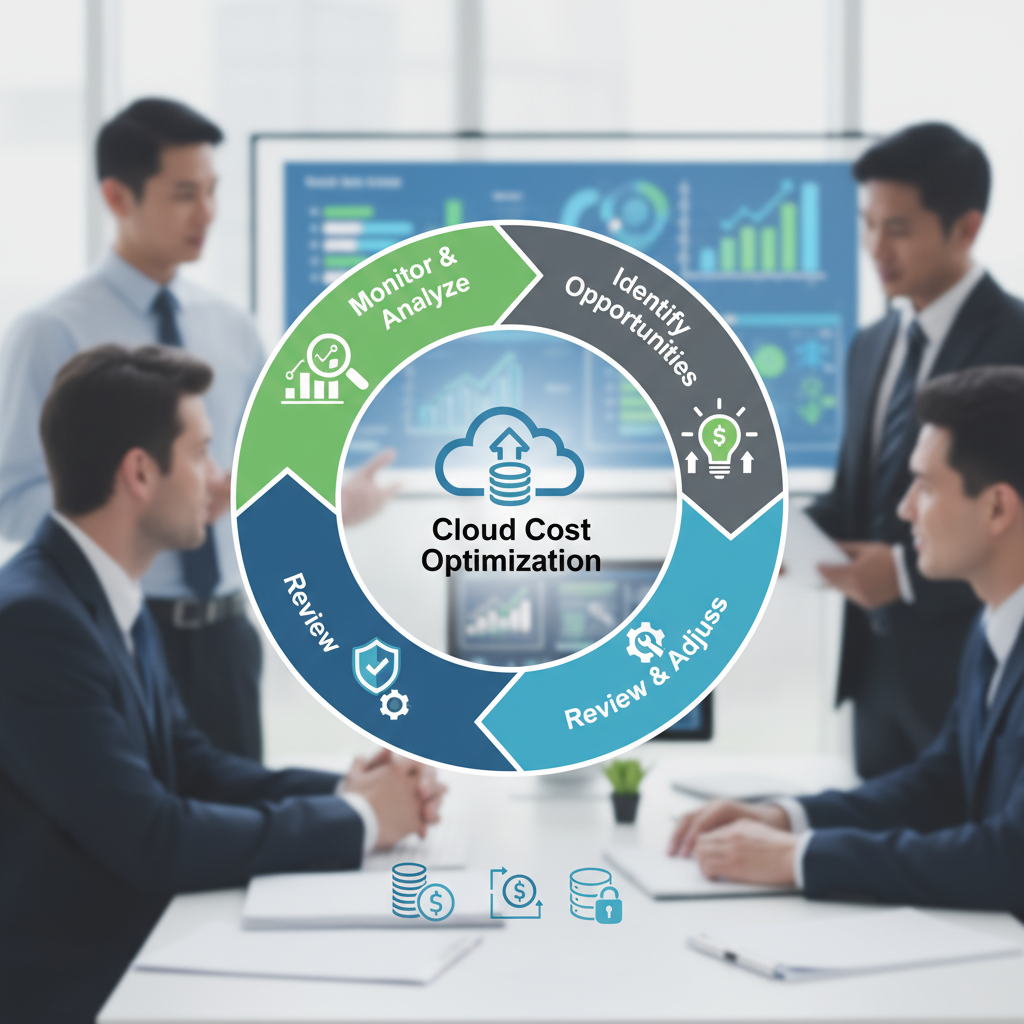
Effective enterprise cloud cost optimization hinges on adopting a structured, continuous approach. This involves more than just cutting costs; it's about maximizing value from every dollar spent on cloud resources. Implementing sound cost governance for enterprise clouds ensures that financial discipline is embedded into every stage of the cloud lifecycle.
At its core, this process embraces the principles of FinOps, a cultural practice that brings financial accountability to the variable spend model of cloud. It empowers engineering, finance, and business teams to collaborate on data-driven spending decisions. This collaboration is vital for achieving sustainable business cloud spend efficiency across the organization.
Visibility and Allocation
The first step in any successful enterprise cloud cost optimization strategy is to gain crystal-clear visibility into your spending. This means understanding who is spending what, on which services, and for what purpose. Proper tagging and resource classification are foundational to this effort.
Once costs are visible, they must be accurately allocated to specific teams, projects, or business units. This enables accountability and allows stakeholders to see the direct impact of their resource consumption. Granular allocation is crucial for identifying cost centers and areas ripe for large-scale cloud spending reduction.
Optimization and Savings
With visibility established, the next principle focuses on actively optimizing cloud resource usage to generate savings. This involves continuously analyzing usage patterns and identifying opportunities to right-size resources or leverage cost-saving mechanisms. It’s a dynamic process that requires ongoing attention and adjustment.
This principle emphasizes smart spending rather than merely reducing expenditure blindly. It encourages teams to find the most efficient way to deliver services without compromising performance or reliability. The goal is to maximize the value derived from every cloud dollar, embodying the spirit of optimizing enterprise cloud expenditure.
Governance and Control
Establishing robust governance and control mechanisms is critical for long-term enterprise cloud cost optimization. This includes defining policies, setting budgets, and implementing automated guardrails to prevent uncontrolled spending. Strong governance ensures that optimization efforts are sustained and integrated into daily operations.
These controls help maintain corporate cloud budget control and prevent cost creep over time. They provide the framework within which teams can operate efficiently while adhering to financial guidelines. Effective cost governance for enterprise clouds is about balancing flexibility with financial responsibility, crucial for business cloud spend efficiency.
RECOMMENDED FOR YOU
Connect With Opsio
Tell us about your business requirement and let Opsio take care of the rest.
✓ No commitment required
✓ Trusted by experts
Strategies for Effective Cloud Cost Management
Implementing effective enterprise cloud cost optimization strategies requires a multifaceted approach. It involves technical adjustments, procedural changes, and a shift in organizational culture. By combining these elements, enterprises can achieve significant and sustainable large-scale cloud spending reduction.
Rightsizing Resources
One of the most immediate and impactful enterprise cloud cost optimization tips is rightsizing your compute, storage, and database instances. Many organizations initially provision resources with ample headroom, leading to significant waste. Regularly analyze actual usage against provisioned capacity.
Act now: Identify idle or underutilized resources through continuous monitoring tools. Downgrade instances to smaller sizes or less powerful tiers if their average utilization is consistently low. This simple step can lead to substantial savings across your cloud footprint.
Leveraging Reserved Instances and Savings Plans
Cloud providers offer significant discounts for committing to a certain level of usage over a one- or three-year period. Reserved Instances (RIs) and Savings Plans (SPs) can reduce costs by up to 75% compared to on-demand pricing. This is a cornerstone of cloud financial management for enterprises.
Analyze your stable, predictable workloads and commit to RIs or SPs for these resources. This strategy is particularly effective for base infrastructure that runs consistently, providing predictable corporate cloud budget control. It represents one of the best enterprise cloud cost optimization strategies for long-term savings.
Implementing Auto-Scaling
Auto-scaling dynamically adjusts the number of compute resources based on demand. This ensures that you only pay for the capacity you need at any given moment, preventing over-provisioning during off-peak hours and ensuring performance during spikes. It is a powerful tool for optimizing enterprise cloud expenditure.
Configure auto-scaling groups for your applications to automatically scale up or down based on metrics like CPU utilization or network traffic. This not only saves costs but also improves application resilience and user experience. It's a prime example of achieving business cloud spend efficiency through automation.
Identifying and Eliminating Idle Resources
Unused or orphaned resources are a common source of cloud waste. These include unattached storage volumes, old snapshots, idle load balancers, and unutilized IP addresses. These resources often linger long after the projects they supported have concluded.
Regularly audit your cloud environment for these forgotten assets. Implement automated scripts to identify and terminate idle resources periodically. This proactive approach is a quick win for large-scale cloud spending reduction and helps maintain clear cost governance for enterprise clouds.
Optimizing Storage Tiers
Cloud storage offers various tiers with different performance and pricing models. Many organizations default to high-performance, expensive storage for all data, regardless of access frequency. However, much of this data might be infrequently accessed or archival.
Categorize your data based on access patterns and retention policies. Move cold or archival data to cheaper storage tiers, such as S3 Glacier Deep Archive or Azure Archive Storage. This can significantly reduce storage costs while maintaining data availability when needed, demonstrating smart optimizing enterprise cloud expenditure.
Monitoring Data Transfer Costs
Data transfer fees, particularly egress costs (data moving out of the cloud provider's network), can become substantial for data-intensive applications. These costs are often overlooked but can add up quickly, impacting overall corporate cloud budget control.
Architect your applications to minimize unnecessary data egress. Consider using content delivery networks (CDNs) for static content or locating resources in regions closer to your users. Understanding and managing these costs is a key part of cloud financial management for enterprises.
Multi-Cloud Cost Management
For enterprises leveraging multiple cloud providers, managing costs becomes even more complex. Each provider has its own billing model, discounts, and optimization tools, making consolidated oversight challenging. This complexity requires a unified approach to enterprise cloud cost optimization.
Implement a centralized platform or strategy to monitor and manage costs across all your cloud environments. This provides a holistic view, enabling consistent application of enterprise cloud cost optimization tips and strategies, regardless of the underlying provider. It's crucial for achieving overall business cloud spend efficiency.
Tools and Technologies for Optimizing Enterprise Cloud Expenditure
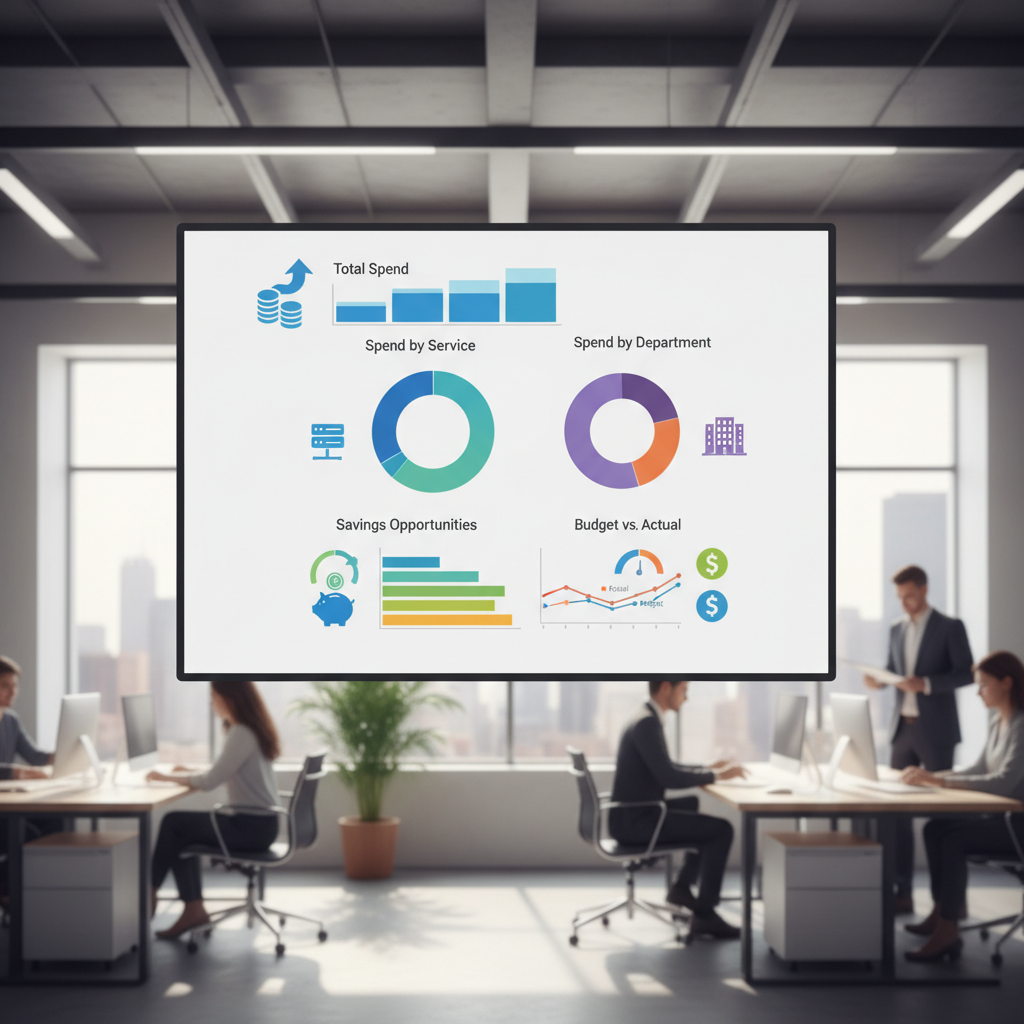
Leveraging the right tools is paramount for successful enterprise cloud cost optimization. These tools provide the visibility, automation, and analytics necessary to manage large-scale cloud spending reduction effectively. From native provider offerings to third-party solutions, a robust toolkit is essential.
Cloud Provider Native Tools
All major cloud providers (AWS, Azure, GCP) offer their own suite of cost management tools. These include:
- AWS Cost Explorer & AWS Budgets: For visualizing spending trends, identifying cost drivers, and setting budget alerts.
- Azure Cost Management + Billing: Provides unified visibility into Azure and multi-cloud spending, offering detailed reports and recommendations.
- Google Cloud Billing: Enables monitoring spending, setting budgets, and analyzing cost trends within the Google Cloud ecosystem.
These native tools are often the first line of defense, offering deep integration with their respective services. They are excellent starting points for cloud financial management for enterprises, providing foundational data for corporate cloud budget control.
Third-Party Cloud Financial Management Platforms
For multi-cloud environments or more sophisticated requirements, third-party platforms offer enhanced capabilities. These tools typically provide:
- Consolidated Reporting: A single pane of glass for all cloud spend, regardless of the provider.
- Advanced Analytics: Deeper insights into cost attribution, anomaly detection, and forecasting.
- Optimization Recommendations: Automated suggestions for rightsizing, RI/SP purchases, and waste identification.
- Automation: Capabilities to automatically implement cost-saving actions based on predefined policies.
These platforms are invaluable for organizations seeking the best enterprise cloud cost optimization strategies across diverse cloud estates. They empower businesses to move beyond basic monitoring to proactive and automated cost governance for enterprise clouds.
Automation Tools for Cost Governance
Automation plays a critical role in sustaining enterprise cloud cost optimization efforts. Manual processes are prone to errors and cannot keep pace with dynamic cloud environments. Automation tools help enforce policies and execute optimization actions without human intervention.
Examples include:
- Infrastructure as Code (IaC) tools: Enforce consistent resource provisioning and tagging, preventing unmanaged sprawl.
- Policy-as-Code engines: Automatically enforce compliance rules, such as preventing the deployment of expensive, unapproved instance types.
- Serverless functions: Trigger actions like shutting down idle resources or notifying teams of budget overruns.
These tools are crucial for embedding cost governance for enterprise clouds directly into your operational workflows, ensuring continuous business cloud spend efficiency. They are integral to any comprehensive enterprise cloud cost optimization guide.
Building a Cloud Financial Management Culture
Technology and tools are only part of the equation; successful enterprise cloud cost optimization requires a fundamental shift in organizational culture. It's about fostering a mindset where everyone understands and takes responsibility for cloud spending. This is the essence of cloud financial management for enterprises.
Cross-Functional Collaboration
Cloud costs impact various departments, from engineering and operations to finance and procurement. Effective optimization demands that these teams collaborate closely rather than operating in silos. Establish clear communication channels and shared objectives.
Regular meetings between FinOps practitioners, developers, and finance professionals can bridge knowledge gaps and ensure alignment on spending goals. This collaborative approach promotes business cloud spend efficiency by ensuring that everyone understands the trade-offs between cost, speed, and quality.
Education and Awareness
Many cloud users may not fully understand the cost implications of their provisioning decisions. Providing education and training on cloud economics and cost optimization best practices is vital. This empowers individuals to make more cost-conscious choices.
Develop an internal enterprise cloud cost optimization guide or knowledge base. Share enterprise cloud cost optimization tips and examples of successful savings initiatives to build awareness and encourage participation. When teams are aware, they are better equipped for corporate cloud budget control.
Establishing Clear Roles and Responsibilities
Clearly defined roles and responsibilities ensure accountability for cloud spend. Designate FinOps champions or cost owners within teams who are responsible for monitoring and optimizing their allocated cloud budget. This promotes proactive cost management.
This structure helps enforce cost governance for enterprise clouds and clarifies who is responsible for what, from resource tagging to budget adherence. Clear ownership drives better large-scale cloud spending reduction outcomes and supports optimizing enterprise cloud expenditure across the board.
Measuring Success and Continuous Improvement
Enterprise cloud cost optimization is an ongoing journey, not a one-time project. To ensure sustained success, it’s critical to establish metrics, regularly review performance, and continuously refine your strategies. This iterative process is a hallmark of the best enterprise cloud cost optimization practices.
Defining Key Performance Indicators (KPIs)
Establish clear KPIs to measure the effectiveness of your optimization efforts. These might include:
- Cloud spend per unit of revenue/user: To track cost efficiency relative to business growth.
- Percentage of resources rightsized: To monitor the adoption of optimization recommendations.
- Savings from reserved instances/savings plans: To quantify the impact of commitment-based discounts.
- Cost avoidance: Savings achieved by preventing wasteful spending upfront.
Tracking these KPIs provides a quantifiable way to demonstrate the value of your enterprise cloud cost optimization initiatives. It helps justify investments in tools and processes for cloud financial management for enterprises.
Regular Reporting and Review
Consistent reporting to stakeholders, including executive leadership, is essential. Share progress on KPIs, highlight successful optimization examples, and communicate challenges. This transparency builds trust and maintains focus on corporate cloud budget control.
Regular review meetings allow teams to discuss performance, share enterprise cloud cost optimization tips, and adjust strategies as needed. These sessions are crucial for identifying new large-scale cloud spending reduction opportunities and addressing any emerging cost issues.
Iterative Optimization Process
Embrace an iterative approach to enterprise cloud cost optimization. The cloud environment is constantly evolving, with new services and pricing models emerging frequently. What works today might need adjustment tomorrow.
Continuously monitor your cloud environment for new optimization opportunities. Experiment with different strategies, measure their impact, and adapt your approach based on the results. This agile mindset is key to maintaining business cloud spend efficiency in the long run. Consider your internal enterprise cloud cost optimization guide a living document, frequently updated.
Common Pitfalls and How to Avoid Them
Even with the best intentions, enterprises can fall into common traps that hinder their enterprise cloud cost optimization efforts. Recognizing these pitfalls is the first step toward avoiding them, ensuring your journey toward large-scale cloud spending reduction is smoother.
Lack of Clear Ownership
Without a designated owner or a FinOps team, cost optimization initiatives can lose momentum or become everyone's responsibility but no one's priority. This often leads to fragmented efforts and inconsistent application of best enterprise cloud cost optimization practices.
Assign clear roles and responsibilities for cloud cost management across engineering, finance, and leadership. Empower these individuals with the authority and resources needed to drive change.
Ignoring Shadow IT and Unsanctioned Resources
Shadow IT, where departments provision cloud resources outside of official IT channels, can be a major source of uncontrolled spending. These resources are often untagged, unmonitored, and easily forgotten, eroding corporate cloud budget control.
Implement robust governance policies and automated discovery tools to detect and bring shadow IT under control. Foster a culture where requesting resources through official channels is easier and faster than circumventing them.
Over-Provisioning by Default
The ease of provisioning in the cloud often leads engineers to choose larger, more expensive instance types "just in case." This over-provisioning can significantly inflate costs without a corresponding increase in performance or value.
Educate development and operations teams on rightsizing best practices and the financial implications of their choices. Encourage a "start small, scale up as needed" mentality. Provide them with access to resource utilization data to inform their decisions.
Not Leveraging Automation
Manual cost optimization tasks are time-consuming and prone to human error. Relying solely on manual processes can quickly become unsustainable in large, dynamic cloud environments, preventing consistent business cloud spend efficiency.
Invest in automation tools for identifying idle resources, scheduling shutdowns, and enforcing policies. Automate as much of your cost governance for enterprise clouds as possible to ensure continuous optimization without constant manual intervention.
Ignoring the People Aspect
Focusing solely on technology and processes while neglecting the human element can lead to resistance and failed initiatives. People need to understand why cost optimization is important and how it benefits them and the organization.
Involve teams in the optimization process, provide training, and recognize successful cost-saving contributions. A people-first approach ensures buy-in and makes enterprise cloud cost optimization a shared goal. Sharing enterprise cloud cost optimization examples of success can motivate teams.
RECOMMENDED FOR YOU
Connect With Opsio
Tell us about your business requirement and let Opsio take care of the rest.
✓ No commitment required
✓ Trusted by experts
Conclusion
Mastering enterprise cloud cost optimization is an ongoing strategic imperative for any business operating in the cloud. It moves beyond simple expense reduction to a sophisticated approach focused on maximizing the value derived from every cloud dollar. By embracing principles of visibility, optimization, and strong governance, organizations can transform their cloud spending into a source of competitive advantage.
Implementing the strategies outlined in this enterprise cloud cost optimization guide—from rightsizing and leveraging commitments to fostering a robust FinOps culture and utilizing advanced tools—will lead to significant and sustainable savings. Remember, effective cloud financial management for enterprises requires continuous effort, cross-functional collaboration, and a commitment to iterative improvement. Begin your journey toward optimal corporate cloud budget control today, securing a more efficient and profitable future for your cloud investments.
Opsio provides cloud consulting and managed services to help organizations implement and manage their technology infrastructure effectively.