

What is Predictive Maintenance?
This maintenance builds on condition-based monitoring to optimize equipment performance and lifespan by continually assessing its health in real time. Unlike reactive maintenance (fixing problems after they occur) or preventive maintenance (following predetermined schedules), predictive maintenance uses data analytics to determine the actual condition of equipment and predict when maintenance should be performed.
This approach relies on various technologies including IoT sensors, data analytics platforms, and artificial intelligence. Connected sensors gather data from manufacturing assets such as CNC machines, conveyor systems, and robotic equipment. This data is collected and analyzed using AI-enabled systems that can identify patterns, detect anomalies, and predict potential failures before they impact production.
In manufacturing environments, these maintenance capabilities might monitor vibration patterns in motors, temperature fluctuations in hydraulic systems, or acoustic signatures from bearings. When these parameters deviate from normal operating conditions, the system alerts maintenance teams to investigate and address the issue before a catastrophic failure occurs.
Types of Such solutions Services
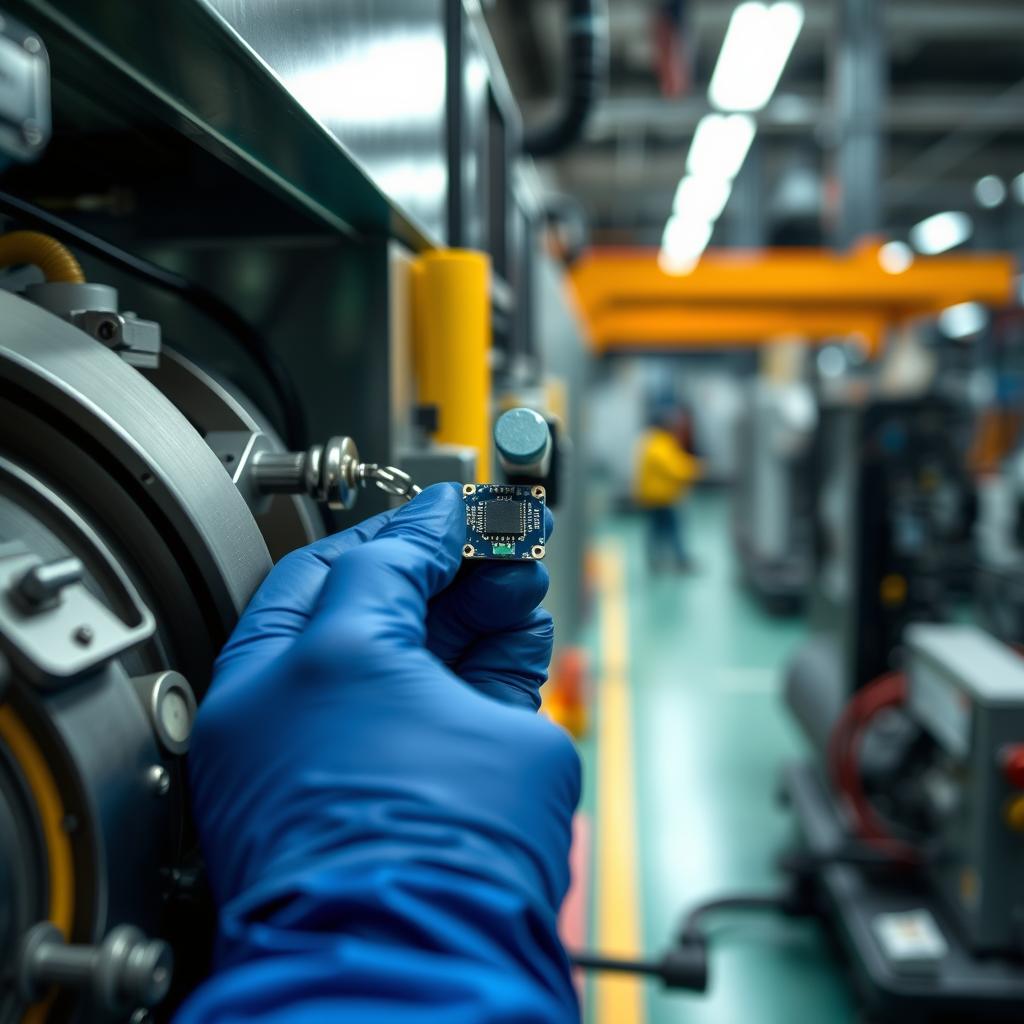
Sensor Installation & Integration
This foundational service involves the strategic placement of sensors on critical equipment components. These sensors monitor various parameters including vibration, temperature, pressure, oil quality, and acoustic emissions. The service includes sensor selection, installation, calibration, and integration with existing systems to ensure accurate data collection.
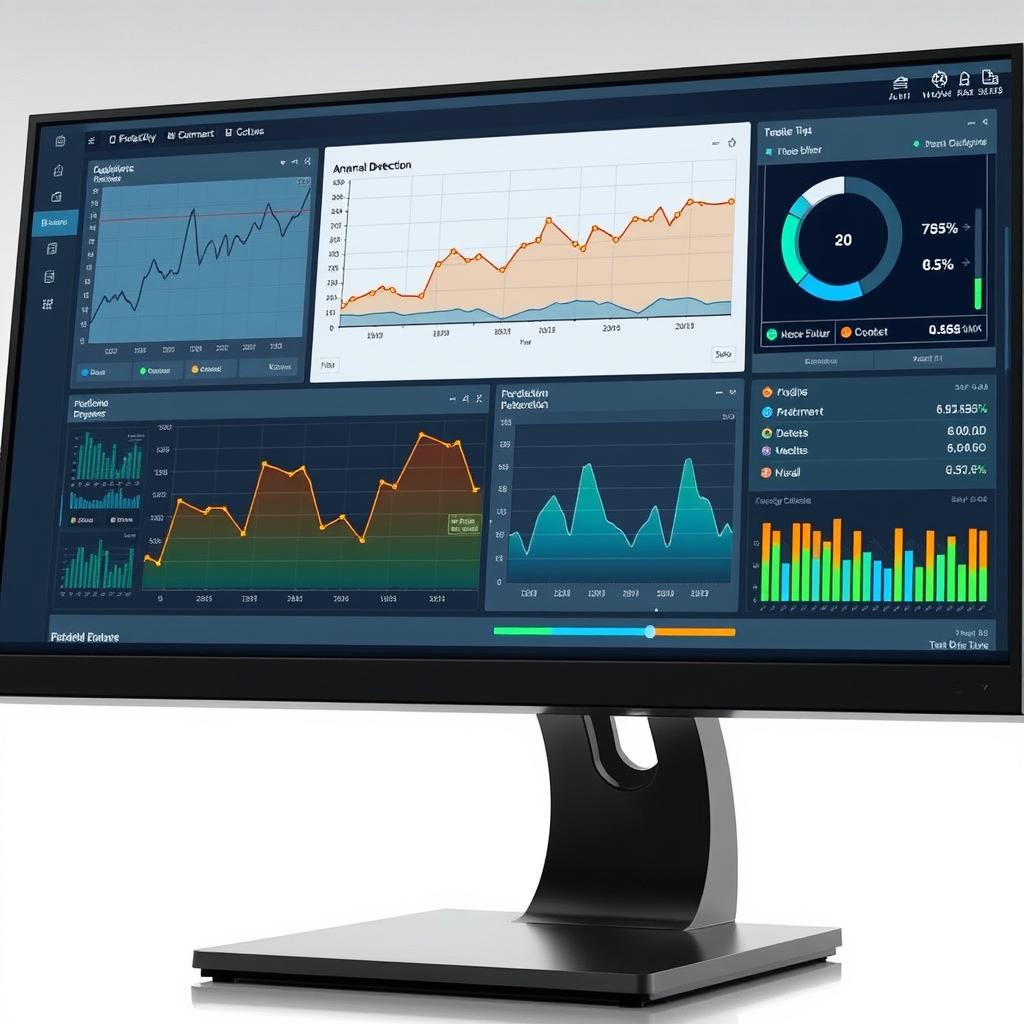
Data Analysis Platforms
These specialized software solutions collect, process, and analyze the data from sensors. They employ advanced algorithms to establish baseline performance metrics, identify patterns, and detect anomalies. These platforms often feature customizable dashboards that provide real-time visibility into equipment health and predictive insights for maintenance planning.
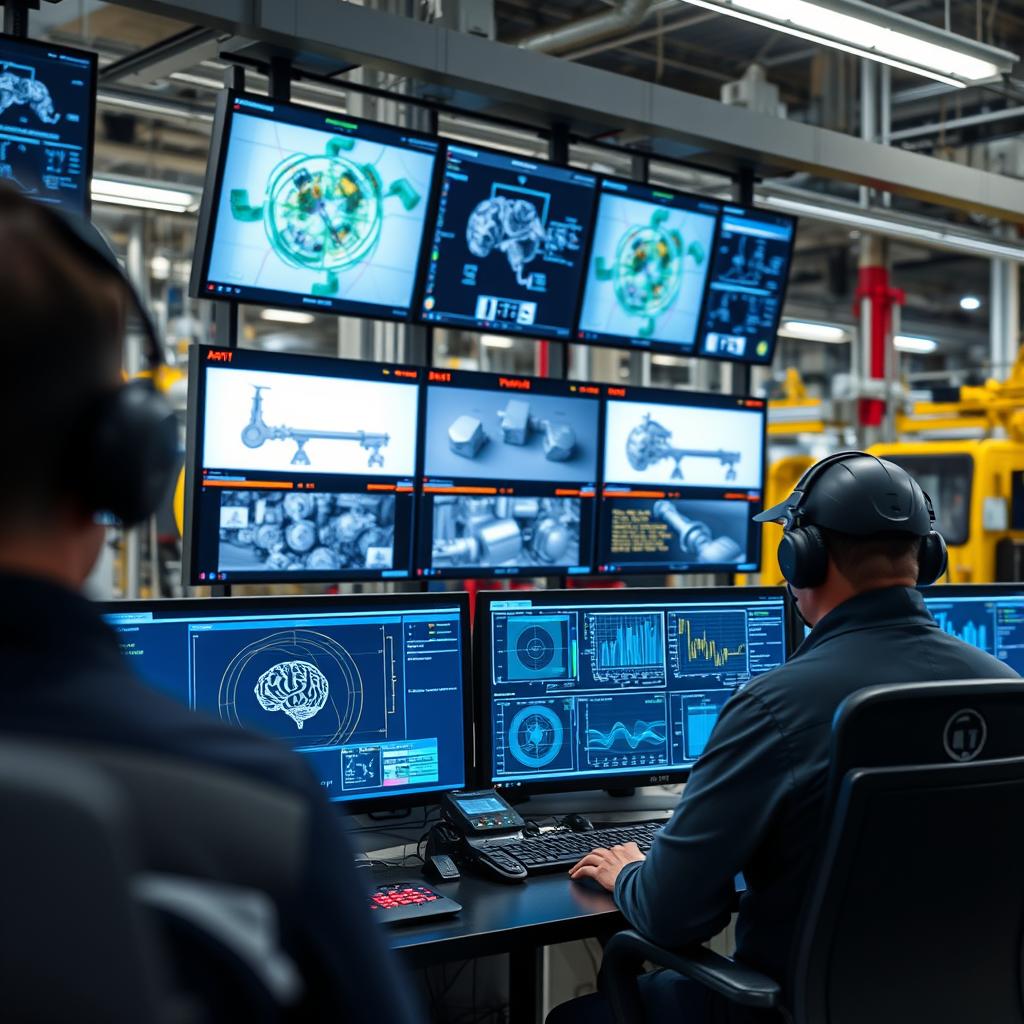
AI Monitoring Systems
The most advanced such solutions services utilize artificial intelligence and machine learning to continuously improve prediction accuracy. These systems learn from historical failure data and current operating conditions to provide increasingly precise maintenance recommendations. They can identify complex patterns that might be invisible to human analysts or traditional monitoring systems.
Ready to explore this approach for your facility?
Download our free implementation guide to learn how to get started with the service in your manufacturing operation.
The Role of Predictive Maintenance Consultants

Implementing such solutions requires specialized expertise that many manufacturing organizations don't possess internally. This is where predictive maintenance consultants play a crucial role in bridging the knowledge gap and ensuring successful implementation.
System Implementation
Consultants assess the manufacturing environment, identify critical assets, and design customized this approach solutions. They select appropriate sensors, establish data collection protocols, and integrate the system with existing maintenance management platforms. Their expertise ensures that the implementation addresses specific operational challenges and aligns with business objectives.
Staff Training & Knowledge Transfer
For the service to succeed, maintenance teams must understand how to interpret data and act on system recommendations. Consultants provide comprehensive training programs that equip staff with the skills to use the new tools effectively. This knowledge transfer is essential for long-term success and ensures the organization can maximize the value of its investment.
ROI Analysis & Optimization
Experienced consultants help manufacturers quantify the benefits of this maintenance by calculating potential cost savings, productivity improvements, and quality enhancements. They establish key performance indicators (KPIs) to track progress and continuously refine the system to optimize returns. This ongoing analysis helps justify the investment and identify opportunities for further improvement.
5 Key Benefits for Manufacturers
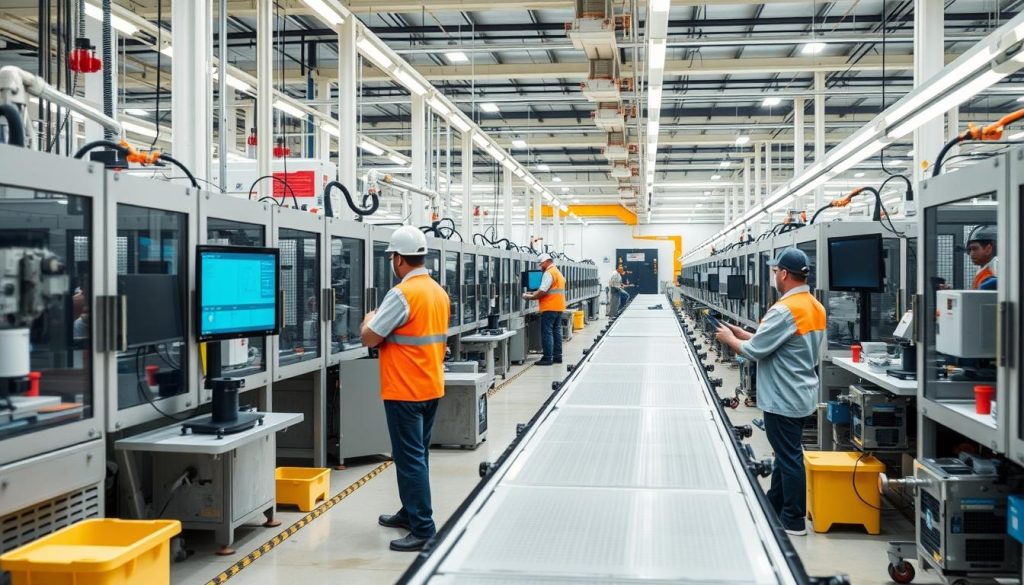
1. Reduced Equipment Downtime
By identifying potential failures before they occur, such solutions dramatically reduces unplanned downtime. Maintenance can be scheduled during planned production breaks, minimizing disruption to operations. Manufacturers implementing this approach typically see a 30-50% reduction in equipment downtime, directly impacting production capacity and delivery reliability.
2. Extended Machinery Lifespan
Predictive maintenance helps extend the useful life of manufacturing equipment by addressing issues before they cause catastrophic failures. By maintaining optimal operating conditions and preventing cascading damage, manufacturers can significantly extend asset lifecycles. This postpones capital expenditures for equipment replacement and improves return on existing investments.
3. Optimized Spare Parts Inventory
With accurate predictions of when components will fail, manufacturers can optimize their spare parts inventory. This reduces carrying costs while ensuring critical parts are available when needed. The just-in-time approach to parts management frees up working capital and warehouse space while minimizing emergency shipping costs for rush orders.
4. Improved Worker Safety
Equipment failures can create hazardous conditions for workers. By preventing unexpected breakdowns, the service creates a safer work environment. Maintenance technicians can perform repairs under controlled conditions rather than responding to emergency situations, reducing the risk of accidents and injuries.
5. Energy Efficiency Gains
Equipment operating outside optimal parameters often consumes more energy. This maintenance identifies inefficiencies and ensures systems operate at peak performance. Manufacturers typically report 5-10% energy savings after implementing these maintenance capabilities programs, contributing to sustainability goals and reducing operational costs.
Case Study: Productivity Improvements in Automotive Manufacturing
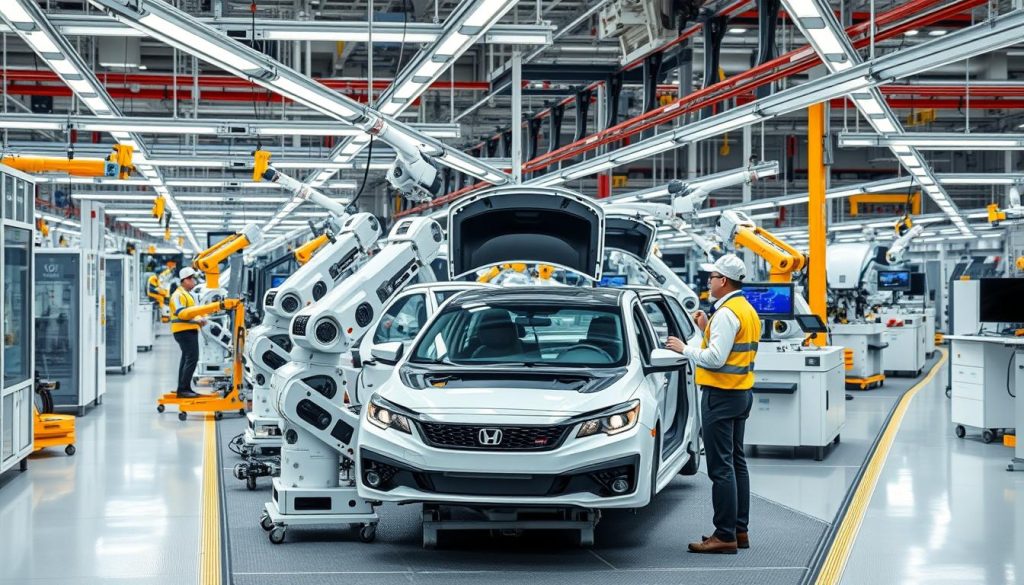
A leading automotive manufacturer implemented a comprehensive this approach program across its production facilities. Prior to implementation, the company experienced an average of 720 hours of unplanned downtime annually across its assembly lines, costing approximately $3.6 million in lost production.
After implementing IoT sensors on critical equipment and integrating an AI-powered analytics platform, the company achieved a remarkable 85% reduction in unplanned downtime within the first year. Maintenance costs decreased by 62% as emergency repairs were replaced with planned interventions. Overall equipment effectiveness (OEE) improved from 67% to 81%, resulting in a 14.2% productivity improvement.
The the service system paid for itself within 8 months, and the company has since expanded the program to all its global manufacturing facilities. Similar results have been observed in aerospace manufacturing, where predictive maintenance has helped reduce component defects by identifying machining equipment issues before they affect product quality.
Implementation Checklist for Manufacturers
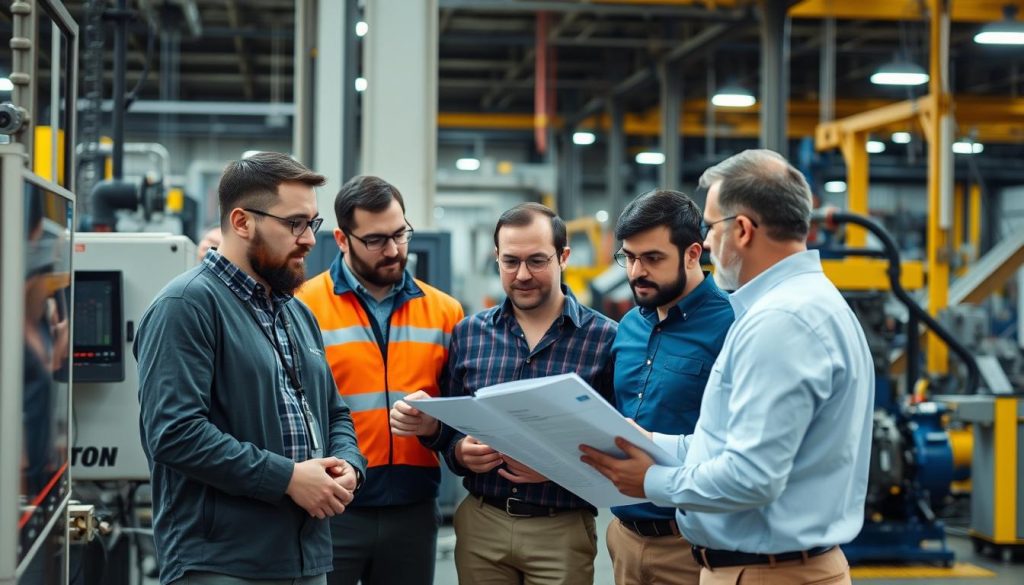
- Assess Current Maintenance Practices: Evaluate existing maintenance strategies, identify pain points, and establish baseline metrics for comparison.
- Identify Critical Assets: Determine which equipment has the greatest impact on production and prioritize these assets for such solutions implementation.
- Select Appropriate Technologies: Choose sensors, data collection systems, and analytics platforms that align with your specific manufacturing environment and objectives.
- Establish Data Infrastructure: Implement the necessary network infrastructure, data storage, and processing capabilities to support real-time monitoring and analysis.
- Develop Predictive Models: Create or customize algorithms that can accurately predict equipment failures based on your specific machinery and operating conditions.
- Integrate with Existing Systems: Connect predictive maintenance solutions with current maintenance management systems, ERP platforms, and production scheduling tools.
- Train Maintenance Teams: Provide comprehensive training to ensure staff can effectively interpret data, respond to alerts, and perform recommended maintenance actions.
- Implement Pilot Program: Start with a limited implementation to validate the approach, refine processes, and demonstrate value before scaling.
- Establish KPIs and Monitoring: Define clear metrics to measure success and continuously monitor system performance to ensure optimal results.
- Scale and Optimize: Gradually expand the program across additional equipment and facilities while continuously refining predictive models and processes.
Future Trends in This approach

Advanced IoT Integration
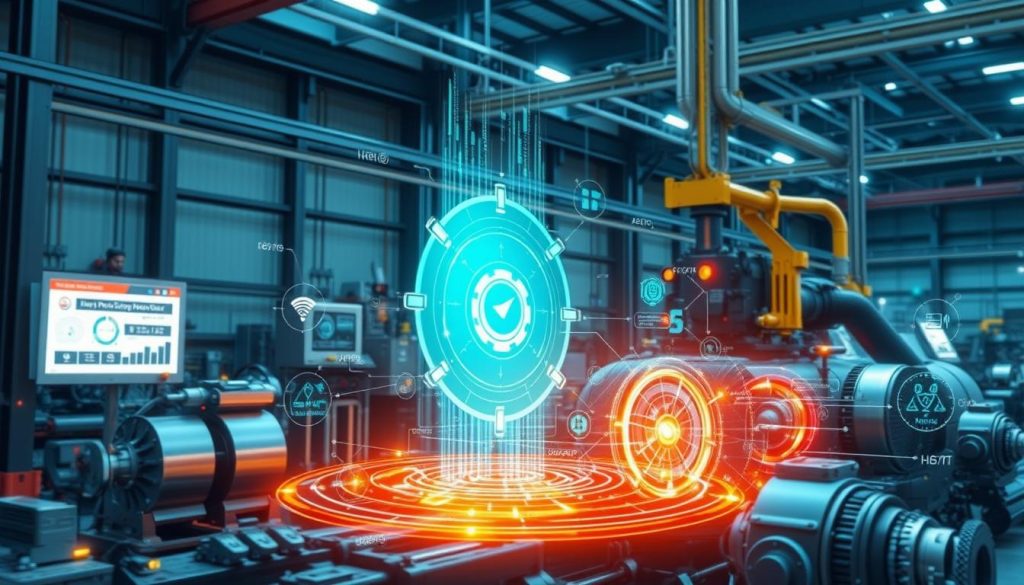
The next generation of IoT sensors will offer greater precision, lower power consumption, and wireless connectivity. These advancements will make it feasible to monitor even the smallest components within complex machinery. Edge computing capabilities will enable real-time processing of sensor data, reducing latency and allowing for immediate response to critical conditions.

Machine Learning Advancements
Machine learning algorithms will continue to evolve, becoming more accurate in predicting equipment failures with minimal historical data. Unsupervised learning techniques will identify previously unknown failure patterns, while reinforcement learning will optimize maintenance scheduling. These advancements will make predictive maintenance more accessible to manufacturers with limited historical failure data.
Digital Twin Technology
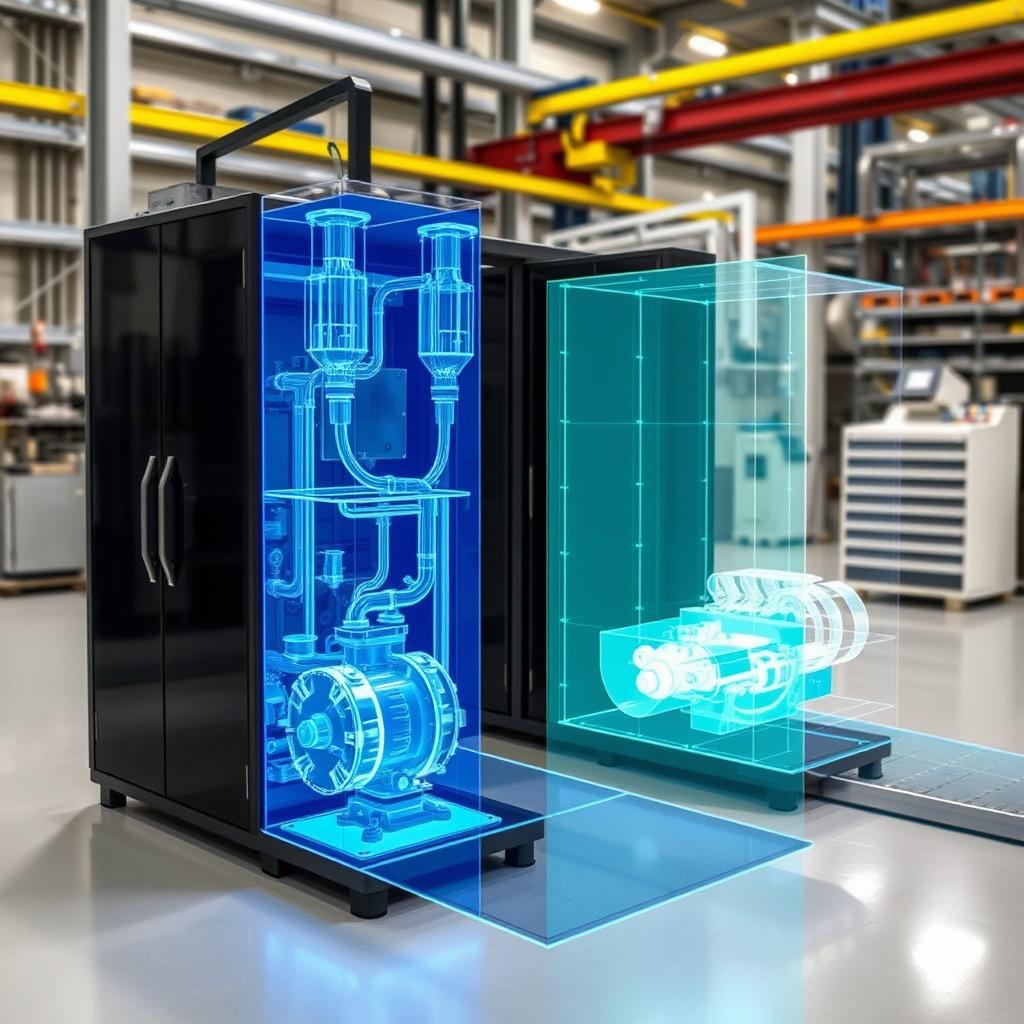
Digital twins—virtual replicas of physical assets—will become standard in predictive maintenance. These detailed models simulate equipment behavior under various conditions, enabling manufacturers to test maintenance scenarios virtually before implementing them physically. The integration of digital twins with predictive maintenance will provide unprecedented visibility into asset performance and potential failure modes.
As these technologies mature, predictive maintenance will evolve from a specialized application to a standard operating procedure in manufacturing. The convergence of IoT, AI, and digital twin technologies will create increasingly autonomous maintenance systems that not only predict failures but automatically schedule and even perform routine maintenance tasks. This evolution will further reduce human intervention while maximizing equipment reliability and performance.
Transform Your Manufacturing Operations Today
Predictive maintenance represents a paradigm shift in how manufacturers approach equipment reliability and operational efficiency. By moving from reactive to predictive strategies, companies can dramatically reduce downtime, extend asset lifecycles, optimize maintenance resources, and improve overall productivity. The technology and expertise to implement these solutions are available today, and the competitive advantages they provide are too significant to ignore.
As manufacturing continues to evolve in an increasingly competitive global marketplace, predictive maintenance will be a key differentiator between industry leaders and those struggling to keep pace. The question is no longer whether to implement predictive maintenance, but how quickly you can begin realizing its benefits.