

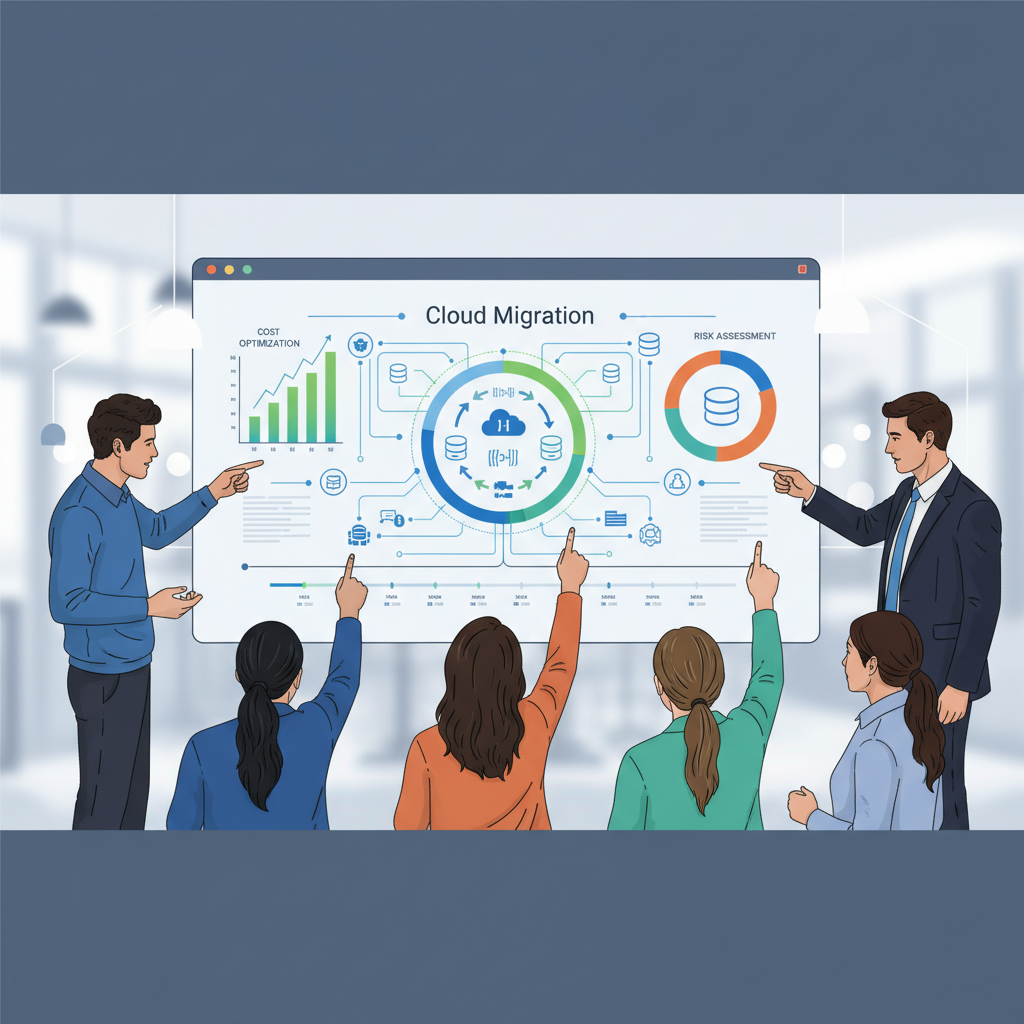
Phase 2: Technical and Operational Difficulties During Migration
Once the planning phase is complete, the actual migration execution introduces its own set of technical difficulties and operational obstacles. These are often where the rubber meets the road, testing the resilience and expertise of the migration team. Successfully navigating these aspects is critical to maintaining business continuity.
Application Compatibility and Re-platforming
A major technical difficulty lies in ensuring application compatibility with the AWS environment. Legacy applications, particularly those running on older operating systems or tightly coupled with on-premises infrastructure, often require significant re-platforming or even re-architecting. This can be a time-consuming and complex endeavor.
Understanding the application’s dependencies, its current architecture, and how it interacts with underlying infrastructure is vital. Choosing the right migration strategy – rehost, re-platform, refactor, repurchase, retire, or retain – for each application directly impacts the effort and potential disruption. Ignoring these migration complexities can lead to unexpected roadblocks.
Data Integrity and Transfer Issues
Maintaining data integrity during the migration process is a paramount concern and a significant challenge. Large datasets, intricate database schemas, and the need for zero data loss require robust data migration strategies. Issues such as data corruption, incomplete transfers, or inconsistencies between source and destination systems can have severe consequences.
Data transfer itself presents hurdles, especially for massive volumes of data or organizations with limited network bandwidth. Tools like AWS Direct Connect or AWS Snow Family can alleviate some of these issues, but careful planning for bandwidth, encryption, and validation remains essential. Ensuring the sanctity of your data is non-negotiable.
Managing Downtime and Performance Impact
Minimizing downtime during a live migration is one of the most critical aws migration challenges. Businesses cannot afford extended service interruptions, making strategies for near-zero downtime migrations imperative. This often involves detailed cutover plans, replication technologies, and extensive testing to ensure a rapid and seamless transition.
Post-migration, ensuring optimal performance of applications in the cloud is equally important. Performance regressions can occur due to network latency, incorrect resource sizing, or misconfigured services. Thorough performance testing and benchmarking are necessary to validate that applications meet or exceed previous service levels.
Integration with Existing Systems
Even after migrating applications to AWS, many organizations maintain hybrid environments, requiring seamless integration with remaining on-premises systems or other cloud providers. Establishing secure and performant connectivity between these disparate environments presents its own set of technical difficulties. This might involve setting up VPNs, AWS Direct Connect, or API gateways.
Ensuring consistent identity and access management across hybrid environments is also crucial. Without proper integration planning, applications might struggle to communicate, leading to data silos or operational inefficiencies. Addressing these integration complexities early prevents future headaches.
Phase 3: Post-Migration Risks and Optimization Challenges
The migration journey doesn't end once applications are running in AWS; a new set of risks and optimization challenges emerge. These post-migration phases focus on securing, managing, and continually refining your cloud environment to realize its full potential. Overlooking these aspects can diminish the long-term value of your migration.
Security Concerns and Compliance
Security concerns are often at the forefront of post-migration considerations. While AWS provides a highly secure infrastructure, configuring cloud security correctly is the customer's responsibility under the shared responsibility model. Misconfigured security groups, overly permissive IAM roles, or unencrypted data can expose your environment to significant risks.
Adhering to industry-specific compliance standards (e.g., HIPAA, PCI DSS, GDPR) in the cloud requires careful attention. Implementing robust logging, monitoring, and auditing mechanisms is essential to demonstrate compliance and quickly detect potential threats. Proactive security management is continuous, not a one-time task.
Cost Management and Optimization
One of the anticipated benefits of cloud migration is cost savings, but managing and optimizing cloud spend can quickly become an aws migration challenge. Without proper governance, resource sprawl, inefficient instance sizing, or forgetting to shut down unused resources can lead to unexpected cloud bills. This is a common problem for many new cloud adopters.
Implementing robust cost management strategies, such as using Reserved Instances, Savings Plans, and Spot Instances, is crucial. Regularly reviewing AWS Cost Explorer, setting budgets, and adopting FinOps practices helps ensure that you are maximizing cost efficiency and avoiding unnecessary expenditures.
Operational Overhead and Skill Gaps
Operating in the cloud introduces new tools, processes, and a paradigm shift in infrastructure management. Traditional IT teams may face skill gaps when transitioning from managing physical hardware to configuring cloud services, monitoring cloud-native applications, and implementing Infrastructure as Code. This can increase operational overhead.
Investing in continuous training for your teams or seeking external expertise is vital to bridge these gaps. Establishing clear operational runbooks, leveraging automation, and implementing robust monitoring and alerting systems are key to efficient and resilient cloud operations. Overcoming these challenges ensures long-term operational success.
Strategies to Conquer aws migration challenges
Successfully navigating the landscape of aws migration challenges requires a strategic, phased approach combined with robust tools and methodologies. By proactively addressing potential issues, organizations can mitigate risks and ensure a smoother, more beneficial cloud journey. Here are actionable strategies to overcome these hurdles.
Thorough Planning and Discovery
1. Conduct a comprehensive discovery: Utilize automated tools to inventory all applications, servers, databases, and network dependencies. This detailed mapping helps identify critical relationships and potential migration complexities. Understanding your existing environment is the first step.
2. Define clear migration objectives: Establish measurable business goals for your migration, such as reducing operational costs, improving agility, or enhancing disaster recovery capabilities. These objectives will guide your strategy and measure success. A clear vision prevents scope creep and ensures focus.
3. Develop a detailed migration plan: Create a phased roadmap with clear milestones, timelines, and assigned responsibilities. Include contingency plans for potential technical difficulties and a robust rollback strategy. This meticulous planning acts as your blueprint.
Phased Migration Approach
Adopt an iterative, phased migration strategy rather than attempting a large-scale "big bang" migration. Start with non-critical applications or small pilot projects to gain experience and refine your processes. This approach minimizes risks and allows for continuous learning and adjustment. Gradual migration reduces the impact of unforeseen issues.
Leveraging AWS Migration Tools and Services
AWS provides a suite of powerful tools designed to simplify and accelerate migrations. Familiarize yourself with and utilize services such as:
- AWS Migration Hub: Centralizes planning and tracking.
- AWS Server Migration Service (SMS): Automates server migrations.
- AWS Database Migration Service (DMS): Facilitates database migrations with minimal downtime.
- CloudEndure Migration: Offers automated, live migration of physical, virtual, and cloud-based servers into AWS.
- AWS Application Migration Service (MGN): Modernizes how you migrate applications to AWS.
These tools help address common problems like data transfer and application compatibility.
Robust Testing and Validation
Implement a comprehensive testing strategy at every stage of the migration. This includes:
- Pre-migration testing: Validate application readiness and performance in a simulated AWS environment.
- Post-migration validation: Verify application functionality, performance, and data integrity immediately after cutover.
- Performance testing: Benchmark applications in AWS to ensure they meet required service levels.
- Security testing: Conduct vulnerability scans and penetration tests to identify and remediate security concerns.
Thorough testing significantly reduces the risk of unexpected issues post-migration.
Prioritizing Security and Compliance from Day One
Integrate security and compliance considerations into your migration plan from the very beginning. Design your AWS environment with security best practices, such as the principle of least privilege for IAM, network segmentation, and encryption for data at rest and in transit. Continuously monitor your environment for security threats.

Investing in Cloud Skills and Training
Address the potential skill gaps within your team by investing in comprehensive AWS training and certifications. Empowering your workforce with cloud expertise is crucial for managing the new environment effectively. Consider bringing in external AWS experts for complex aspects of the migration if internal resources are limited. A knowledgeable team is your best defense against operational challenges.
Frequently Asked Questions
What are the most common aws migration challenges?
The most common aws migration challenges include inadequate planning and discovery, application compatibility issues, ensuring data integrity during transfer, managing downtime, and ongoing cost optimization in the cloud. Many organizations also struggle with security concerns and developing cloud expertise within their teams. Addressing these areas proactively is key.
How can I minimize downtime during an AWS migration?
To minimize downtime, employ strategies such as phased migrations, leveraging replication technologies like AWS Database Migration Service (DMS) or CloudEndure Migration for near-zero cutovers. Thorough planning includes detailed cutover windows and robust rollback procedures. Extensive testing of the migrated environment before switching traffic is also crucial.
What are the security concerns specific to AWS migrations?
Security concerns during an AWS migration often involve correctly configuring IAM roles and policies, network security groups, and ensuring data encryption. It's vital to maintain data integrity, adhere to compliance standards, and implement continuous monitoring in the cloud. Understanding the shared responsibility model is fundamental.
How do I manage costs effectively after migrating to AWS?
Effective cost management in AWS involves right-sizing instances, utilizing cost-saving mechanisms like Reserved Instances and Savings Plans, and monitoring spending with AWS Cost Explorer. Implementing tagging strategies, setting budgets, and establishing a FinOps practice helps track and optimize cloud expenditures. Regular review of resource utilization is essential.
What is the role of a migration strategy in overcoming hurdles?
A well-defined migration strategy is crucial for overcoming hurdles by providing a clear roadmap. It helps identify dependencies, assess risks, choose appropriate migration tools, and define resource requirements. A sound strategy minimizes common problems, ensures data integrity, and helps manage technical difficulties effectively.
Conclusion
Navigating the landscape of aws migration challenges can seem daunting, but with a structured approach and a clear understanding of potential obstacles, a successful transition is well within reach. From comprehensive planning and meticulous discovery to addressing technical difficulties like data integrity and performance, each phase demands careful attention.
By adopting a phased migration strategy, leveraging AWS's powerful suite of migration tools, and prioritizing security and cost optimization from the outset, you can effectively conquer these hurdles. Investing in your team's cloud skills and establishing robust operational processes will ensure the long-term success and full realization of your cloud investment. Embrace the journey with confidence, transforming aws migration challenges into opportunities for innovation and growth.
Opsio provides cloud consulting and cloud migration to help organizations implement and manage their technology infrastructure effectively.