Did you know that Sweden commands an impressive 41% market share in the Nordic technology sector? This shows their long history of digital innovation and excellence. With over 12,000 specialized companies, Sweden is a top market for digital services in Europe.
German businesses looking to grow need partners who are both innovative and reliable. Sweden has given birth to global brands like Spotify, Skype, IKEA, and Ericsson. These brands show the technical skill and strategic thinking of Swedish IT providers.

In 2019, Sweden invested over 20 billion Euros in business development. This is more than Denmark and Norway combined. Working with IT Dienstleister Schweden gives German companies access to top-notch expertise. They also get the cultural fit and smooth collaboration needed for digital success.
Key Takeaways
- Sweden holds 41% of the Nordic technology market share with 12,000+ specialized companies
- Swedish innovation produced global brands including Spotify, Skype, Ericsson, and IKEA
- Investment in digital infrastructure exceeded 20 billion Euros in 2019, twice that of Denmark and Norway combined
- Swedish IT service providers offer German businesses cultural compatibility and seamless collaboration
- Technical prowess combined with operational excellence makes Sweden an ideal partner for digital transformation
- Access to world-class expertise supports cloud migration and comprehensive modernization initiatives
Introduction to IT Services in Sweden
Sweden is a top choice for IT outsourcing in Scandinavia. It offers German companies top-notch tech skills and new digital solutions. They look for partners who are both innovative and understand business well. Swedish IT services do just that, helping drive digital change while keeping operations smooth.
The Scandinavian tech scene is getting more attention, and Sweden leads the way. Companies team up with Swedish tech partners to tap into a rich ecosystem. This ecosystem is built on years of education, infrastructure, and innovation investment.
The Swedish Technology Ecosystem at Scale
Sweden is a big player in the Nordic tech market, with 41% of the total IT market share in Scandinavia. This shows Sweden’s strong investment in tech and people. The Swedish IT scene has over 12,000 companies and web agencies offering a wide range of digital services.
These companies range from small boutiques to big providers. This diversity means German companies can find the exact expertise they need. Services include software development, cloud services, cybersecurity, data analytics, and IT consulting.
Sweden’s tech leadership is backed by big investments. Sweden spent over 20 billion Euros on business development in 2019. This is more than Denmark and Norway combined. This shows Sweden’s focus on innovation and tech growth.
This investment also goes into green business. The European Investment Fund will give about 30 million Euros for green business in Sweden in 2025. This shows Sweden’s commitment to combining tech with environmental care. This is something German companies value a lot.
| Country |
IT Market Share (%) |
Number of IT Companies |
2019 Business Investment (Billion EUR) |
Green Investment 2025 (Million EUR) |
| Sweden |
41% |
12,000+ |
20 |
30 |
| Denmark |
~20% |
7,500+ |
12 |
18 |
| Norway |
~22% |
6,800+ |
8 |
15 |
| Finland |
~17% |
5,200+ |
6.5 |
12 |
Strategic Value of Swedish IT Service Providers
IT service providers in Sweden play a critical role that goes beyond just tech. They help drive business change across Europe, helping German companies find partners who get tech and business. These providers are key to project success and long-term business goals.
Nordic IT companies bring cultural insights and regional expertise. This makes collaboration and project execution smoother. They understand communication styles, business processes, and expectations, making partnerships strong and effective.
Swedish tech solutions providers use a methodical approach. They have developed project management frameworks that focus on transparency and continuous improvement. This approach aligns well with German businesses, making projects run smoothly and on time.
Swedish IT service providers also offer access to specialized talent. The Swedish education system produces highly skilled tech professionals. This talent is valuable for companies needing expertise in areas like AI, machine learning, or advanced cybersecurity.
Swedish IT companies are also committed to sustainability. This is important for German companies looking for partners who care about the environment. Swedish providers have sustainability programs that reduce carbon footprints and promote renewable energy.
Swedish IT service providers act as innovation bridges. They introduce clients to new technologies and methods that can give them an edge. The culture in Swedish tech firms encourages sharing knowledge and co-innovation, helping clients stay ahead in their industries.
The close location and time zone alignment between Sweden and Germany make collaboration easier. This proximity allows for more face-to-face meetings, reduces communication delays, and fosters deeper integration between teams. These practical benefits add to the technical strengths of Swedish tech solutions, making partnerships feel like extensions of internal teams.
Key Services Offered by IT Dienstleister in Sweden
Today’s businesses need tech partners who handle all their IT needs. Swedish providers are great at this. They offer services that work together well, helping businesses grow.
Swedish IT companies cover all tech areas with top quality and strong project management. This means German businesses can work with one partner instead of many.
These services bring big benefits. Working with IT Dienstleister in Sweden means better communication and faster results. It makes things simpler and more efficient.
Custom Application Development and Modernization
Swedish software development covers the whole app creation process. They help businesses create new apps and update old ones. This keeps operations running smoothly.
Swedish teams build apps on modern frameworks. These apps are easy to grow and maintain. They meet business needs and follow best practices.
Modernizing old apps is another key skill. Swedish developers make outdated apps work like new ones. They keep the good parts and fix the bad, helping businesses stay ahead.
They work closely with clients to make sure apps meet real business needs. This way, apps bring value right from the start.
Cloud Infrastructure and Migration Expertise
Cloud services are a big part of what Swedish IT providers offer. They work on major platforms like Azure, AWS, and Google Cloud. They help design secure and growing cloud environments.
Companies like Nordlo show how Swedish IT providers are top-notch. They offer scalable solutions and full IT outsourcing. This makes cloud infrastructures better and easier to manage.
Moving to the cloud is a big step. Swedish providers handle it all, from planning to after-move tweaks. They make sure apps work great in their new home.
They also keep cloud environments running smoothly. This includes performance monitoring, cost optimization, capacity planning, and security management. It lets IT teams focus on big projects, not just keeping things running.
Comprehensive Security and Compliance Management
Cybersecurity is key for Swedish IT Dienstleister. They protect businesses and customer data with strong security frameworks. They also make sure everything follows strict European rules.
They check for weak spots before hackers can find them. Swedish providers do deep checks to find and fix security issues. This makes businesses safer and more secure.
They also watch for threats and respond fast. They use advanced analytics and threat intelligence to catch and stop threats. This keeps businesses running smoothly and saves money.
They also help with following rules like GDPR. Swedish cybersecurity experts know the rules well. They make sure businesses follow them without getting in the way of work.
Strategic Technology Guidance and Planning
IT consulting goes beyond just tech advice. It includes helping with digital changes and planning for the future. Swedish experts help German businesses find new opportunities and solve problems.
Consultants work with leaders to make sure tech fits with business goals. This way, digital projects help businesses stay ahead, not just for tech’s sake.
They also help with changing how people work with new tech. Swedish consultants know that people and processes matter too. They help make sure everyone is on board and ready for change.
The Swedish way is all about working together. They listen to clients and offer solutions that really help. This makes sure plans are doable and fit with the company’s culture and goals.
| Service Category |
Core Capabilities |
Primary Business Benefits |
Typical Implementation Timeline |
| Software Development |
Custom applications, legacy modernization, API integration, mobile solutions |
Enhanced operational efficiency, competitive differentiation, reduced technical debt |
3-12 months depending on complexity |
| Cloud Solutions |
Infrastructure design, migration services, multi-cloud management, optimization |
Scalability, cost reduction, improved disaster recovery, enhanced collaboration |
2-6 months for migration projects |
| Cybersecurity Services |
Vulnerability assessment, threat monitoring, incident response, compliance management |
Risk mitigation, regulatory compliance, business continuity, customer trust |
Ongoing with initial setup 1-3 months |
| IT Consulting |
Digital strategy, technology roadmaps, vendor selection, change management |
Strategic alignment, informed decision-making, accelerated transformation, ROI optimization |
1-4 months for strategy development |
This wide range of services meets all the tech needs of modern German businesses. Working with IT Dienstleister in Sweden means getting a complete tech solution. It’s not just about fixing problems, but about growing and improving together.
Advantages of Choosing IT Dienstleister in Sweden
Choosing IT Dienstleister in Sweden means getting top-notch tech skills, new ways of working, and a culture that fits well. German companies need the right partner to make digital projects work. Sweden’s IT scene is strong, thanks to years of investment and innovation.
Sweden’s IT services score high, beating the UK, Germany, and the Netherlands. This shows Sweden’s strong workforce, innovation, and business focus. Swedish services are known for being quick and reliable.
Access to Skilled Workforce
Swedish IT teams are among Europe’s best, thanks to top education. They excel in software, systems, and new tech. This education leads to better project results for German companies.
Swedish IT pros speak English well, making communication easy. They work well together, solving problems and adapting to clients. This makes sharing ideas and understanding tech talks simple.
Sweden values teamwork over hierarchy. This means ideas flow freely and everyone contributes. German companies get fast decision-making and quality work without sacrificing standards.
Innovative Technology Solutions
Swedish IT firms are always trying new things. They test new tech in-house before using it for clients. This means German companies get the latest solutions without the risk.
Swedish providers keep up with tech trends in many areas. They bring new ideas to business problems, thanks to their diverse experience. This leads to creative solutions that might not come from focused providers.
Improvement is a constant goal in Swedish IT. Teams always look to get better, using feedback and results. This means partnerships get better over time as providers learn more about clients.
Cultural and Regional Insights
Swedish and German business cultures work well together. They share values like quality and reliability. This makes working together easier, without needing to learn a lot about each other.
Swedish flexibility and German precision make for great teamwork. Swedish teams bring creativity and problem-solving skills. Together, they achieve more than either culture could alone.
Being close to Germany helps with teamwork. It’s easier to travel, communicate, and work together. Sweden’s strong IT market means providers understand big business needs well.
The 69% satisfaction score for IT outsourcing Scandinavia shows these benefits. Top tech skills, good project management, and a focus on customers make for strong partnerships. Swedish providers aim for long-term success, improving together with clients.
Major IT Sectors in Sweden
Sweden is known for its top-notch technology sectors. These sectors have changed how businesses work in Europe and beyond. Digital services Stockholm and other Nordic IT companies are great partners for German businesses looking for reliable solutions. They offer world-class capabilities that meet complex business needs while keeping security and efficiency high.
Sweden’s focus on these sectors has led to deep expertise. Companies like Nordlo have gained knowledge in retail, public sector, manufacturing, and real estate. They use this knowledge to create solutions that meet specific operational needs.

Financial Technology Innovation
Sweden’s fintech sector is very dynamic. It has led to top payment solutions, digital banking, and financial services. These services combine security with user experience excellence. Sweden’s cashless society has helped in this innovation.
The regulatory environment in Sweden supports innovation while protecting consumers. This balance helps fintech companies develop solutions that German financial institutions can use. Swedish fintech expertise includes payment processing, fraud detection, and customer authentication systems.
German banks and financial services benefit from digital services Stockholm firms. These firms have solved PSD2 compliance, open banking integration, and multi-channel payment experiences. Their solutions are proven, not experimental.
E-Commerce Excellence and Digital Retail
E-commerce in Sweden is a big deal. The country’s early adoption of online retail has given it expertise in platform development and payment integration. IKEA’s digital transformation shows how Swedish companies integrate physical and digital touchpoints.
Swedish e-commerce platforms serve international markets well. They handle complex needs like multi-currency processing and cross-border logistics. This experience is valuable for German retailers looking to expand their digital presence.
We help German businesses use Swedish tech solutions to improve customer experience and scale efficiently. These solutions are built on cloud infrastructure, API design, and data management. They ensure long-term adaptability as business needs change.
Telecommunications Infrastructure and Connectivity
Telecommunications is a key area for Swedish IT strength. Companies like Ericsson have shaped global communications for decades. Swedish providers offer deep knowledge in network architecture and 5G implementation.
Nordic IT companies specialize in telecommunications. They design and implement network solutions for mobile workforce enablement and Industry 4.0 initiatives. Their expertise goes beyond basic connectivity to include network security and quality of service management.
The telecommunications capabilities of digital services Stockholm providers meet critical needs for German businesses. They offer private 5G networks, software-defined networking, and edge computing architectures. These solutions process data locally while maintaining centralized management and visibility.
Health Technology and Digital Healthcare
Health tech is an emerging area for Swedish IT providers. They use the country’s advanced healthcare system and strong data protection frameworks to develop solutions. Sweden’s experience with electronic health records and digital health initiatives provides practical insights.
We navigate complex healthcare regulations, including GDPR and medical device software regulations. This expertise is crucial for German healthcare organizations. They must balance innovation with strict compliance requirements.
Swedish tech solutions in healthcare improve patient outcomes while ensuring data security and compliance. German healthcare companies benefit from partnerships with Nordic IT companies that understand both the technological and regulatory aspects of healthcare digitalization.
The health tech solutions developed in Sweden reflect collaboration between technology providers, healthcare professionals, and regulatory bodies. They address real clinical workflows, ensuring adoption and measurable improvements in operational efficiency and care quality.
| Sector |
Core Capabilities |
Swedish Global Examples |
German Business Applications |
| Fintech |
Payment processing, digital banking platforms, fraud detection, regulatory compliance automation |
Klarna, iZettle, Trustly |
Banking modernization, payment system integration, open banking implementation, customer authentication |
| E-commerce |
Platform development, omnichannel integration, logistics optimization, conversion enhancement |
IKEA digital services, Spotify marketplace technologies |
Retail digital transformation, online platform development, customer experience optimization, inventory management |
| Telecommunications |
5G infrastructure, IoT connectivity, network security, edge computing, software-defined networking |
Ericsson, Telia Company |
Industry 4.0 connectivity, distributed operations support, private network deployment, mobile workforce enablement |
| Health Tech |
Telemedicine platforms, health data management, clinical decision support, patient engagement systems |
Kry/Livi, Karma, Mindler |
Healthcare digitalization, electronic health record integration, remote patient monitoring, clinical workflow optimization |
Sweden’s IT sectors have reached maturity through years of development and real-world implementation. German businesses across industries benefit from this expertise. It provides solutions to challenges that Swedish providers have already solved successfully.
Leading IT Dienstleister in Sweden
The Swedish IT service providers offer a mix of global and local expertise. They help German businesses find the right tech solutions. This mix of big and small providers means companies can find the perfect match for their needs.
Swedish tech firms are known for their ability to handle big projects. They work closely with clients, showing the Nordic way of doing business. This makes them great for German companies looking for reliable tech solutions.
Company Profiles of Top IT Firms
The top IT Dienstleister Schweden include both big global players and local experts. Tata Consultancy Services (TCS) leads in the Nordic region. They show how big companies can meet Scandinavian needs with their global skills.
Atea is a strong local player in Sweden. They have about 2,600 employees and know the Nordic market well. Their big presence in Sweden means they can offer quick and culturally aware support.
Big consulting firms like Accenture and Capgemini have big operations in Sweden. They bring international best practices and insights to the Swedish market. Companies like HCL and Fujitsu focus on specific tech areas, adding to the competition.
Nordlo is a great example of a Nordic specialist. They make SEK 2.4 billion and have 1,000 employees in Sweden and Norway. Their focus on the local market and their size make them great for big projects. For more on Swedish IT companies, it’s key to know about both global and local providers.
| Provider Type |
Key Strengths |
Ideal For |
Regional Presence |
| Global Giants (TCS, Accenture, CGI) |
Extensive resources, international best practices, cross-industry experience |
Large-scale transformations, multinational coordination |
Multiple Swedish locations with Nordic coverage |
| Regional Leaders (Atea, Nordlo) |
Local market knowledge, cultural alignment, responsive support |
Sweden-focused initiatives, Nordic expansion projects |
Comprehensive Swedish operations with Nordic reach |
| Technology Specialists (HCL, Fujitsu, TietoEVRY) |
Deep technical expertise, specific domain focus, proven methodologies |
Specialized technology implementations, niche solutions |
Strategic Swedish locations with global backing |
| Consulting Firms (Capgemini, Atos, Wipro) |
Strategic guidance, business transformation, change management |
Business-led technology initiatives, digital strategy |
Major Swedish cities with Nordic coordination |
Case Studies and Success Stories
Looking at real projects shows how managed IT Sweden providers add value. Nordlo’s work shows their deep understanding of tech and business. They deliver solutions that meet client needs well.
Norec’s IT modernization with Nordlo is a great example. They moved to Microsoft 365 and Azure smoothly. This shows how Swedish providers handle cloud migrations well.
JSC Förvaltning’s digital transformation was fast, done in two days. They unified five logistics companies‘ IT. This shows the quick and precise work of top providers.
Rederiet Stenersen’s Azure project improved performance and security. Nordlo made sure security was a key part of the solution. This shows their focus on both efficiency and security.
Aritech’s move to SharePoint improved collaboration and reduced work. They automated workflows and managed information better. This led to better teamwork and less work for everyone.
- Enhanced collaboration efficiency through centralized document management and streamlined information sharing across distributed teams
- Reduced operational overhead by eliminating redundant file server maintenance while improving data accessibility and version control
- Integrated security operations that protected sensitive information while maintaining user-friendly access for authorized personnel
- Scalable infrastructure foundation that supports future growth without requiring fundamental technology changes or migrations
These stories show how Swedish providers work with clients. They understand the business first and then choose the tech. Their efficient work shows they plan well and have deep knowledge.
They also focus on security from the start. This makes their solutions strong and safe.
Swedish providers are all about working together. They aim for success and improvement, not just following rules. This approach helps German businesses a lot, making tech projects successful and lasting.
Compliance and Regulatory Considerations
Compliance goes beyond just checking boxes. It involves strategic partnerships with Nordic IT companies that know the rules well. They have certified processes and care about data protection and the environment. German businesses in the European Union face complex rules. They need partners who understand these rules now and will in the future.
Swedish providers are ahead in this. They combine deep data protection knowledge with new skills in sustainability. This changes how technology services are delivered and measured.
The rules for IT outsourcing Scandinavia partnerships cover many areas. This includes data protection, quality management, and environmental rules. Swedish IT providers have built strong compliance frameworks. These frameworks help German companies trust their sensitive operations to Swedish partners.
GDPR and Data Protection Excellence
Data protection capabilities are key for German businesses looking at Swedish IT partners. Providers in technology consulting Sweden are experts in this area. They follow privacy-by-design and implement GDPR rules well.
Swedish IT providers have strong data governance frameworks. These frameworks handle personal information from start to finish. They make sure every step meets European data protection rules.
Privacy impact assessments are a big part of Swedish IT compliance. Providers do these assessments to find and fix privacy risks. This shows they are serious about protecting data and meeting regulations.
Cross-border data transfer is a big challenge. Nordic IT companies have good solutions for this. They use standard contractual clauses and do impact assessments. This keeps data moving safely between countries.
Swedish IT providers go beyond the minimum to keep data safe. They use encryption, access controls, and regular security checks. They also train employees and have plans for when something goes wrong.
Industry Standards and Certification Frameworks
Quality certifications show Swedish IT providers are serious about their work. IT outsourcing Scandinavia leaders have many certifications. This shows they are always improving and accountable. Nordlo is a great example, with certifications that prove their quality and security.
ISO 9001 certification means Swedish providers follow strict quality management systems. This ensures they deliver consistent, high-quality service to German clients. It’s all about predictable, reliable technology support.
ISO 27001 certification gives formal structure to information security management. It requires providers to identify and protect information assets. This standard works well with GDPR, making compliance easier.
ISO 20000 certification focuses on IT service management. It ensures Swedish providers plan and deliver services well. German businesses get consistent, professional support that meets their needs.
The European Union’s Corporate Sustainability Reporting Directive is new and important. Swedish IT providers are already working on this. They help German clients understand the environmental impact of their technology choices.
| Compliance Framework |
Primary Focus |
Key Benefits for German Businesses |
Swedish Provider Implementation |
| GDPR |
Personal data protection and privacy rights |
Legal compliance, customer trust, risk mitigation |
Privacy-by-design, impact assessments, documented governance |
| ISO 27001 |
Information security management |
Systematic risk management, security assurance, audit readiness |
Certified security controls, regular assessments, incident response |
| ISO 9001 |
Quality management systems |
Consistent service quality, process reliability, improvement culture |
Documented processes, performance metrics, management reviews |
| CSRD |
Corporate sustainability reporting |
Environmental accountability, stakeholder transparency, future readiness |
Carbon measurement, green technology adoption, sustainability integration |
Compliance is what makes Swedish IT providers stand out. Nordic IT companies are experts in rules and always ready for new ones. This lets German businesses trust them for complex technology projects.
Sustainability is the new frontier in IT compliance. Swedish providers are leading the way. They use green technologies and help clients meet their sustainability goals. This makes their partnerships strong and responsible.
The Role of IT in Business Transformation
Business transformation with IT is a key investment for companies today. Swedish providers offer methods that balance big goals with practical steps. IT has grown from a supporting role to a main driver of competitive advantage. It changes how companies work, compete, and serve customers.
The Swedish market is deeply committed to digital growth. Companies there invest more in digital development than their Norwegian and Danish peers. This investment culture creates a strong ecosystem of expertise. German businesses can tap into this through strategic partnerships.
Success in transformation goes beyond just technology. It needs strategic planning, engaging stakeholders, and steady progress. Swedish IT providers offer frameworks that balance long-term goals with short-term achievements. This ensures transformation brings real business value, not just technical fixes.
Strategic Approaches to Digital Evolution
We create detailed digital transformation strategies. We start with a deep look at current capabilities and clear goals. This helps focus on initiatives that bring early wins and long-term success. Swedish providers focus on understanding current capabilities, identifying gaps, and making realistic plans.
Good transformation plans manage dependencies and resources well. They keep everyone focused with clear updates on progress. IT outsourcing in Scandinavia lets German businesses access this expertise without building their own teams. This frees up leaders to focus on their core business while tech partners handle the details.
The reasons for outsourcing align with transformation goals:
- Cost reduction through efficient use of resources and cutting out unnecessary systems
- Core business focus by handing over technical complexity to experts
- Scalability and flexibility to adapt as needs change
- Quality improvements through proven methods and experienced teams
- Innovation acceleration by using the latest technologies
We design transformation plans to bring value at every step, not just at the end. This keeps stakeholders engaged and allows for adjustments based on feedback. Digital services in Stockholm are great at breaking down big changes into smaller, manageable steps. Each step brings its own business benefits.
| Transformation Phase |
Primary Focus |
Key Deliverables |
Business Impact |
| Assessment |
Current state analysis |
Capability mapping, gap identification |
Strategic clarity |
| Foundation |
Infrastructure modernization |
Cloud migration, system integration |
Operational efficiency |
| Acceleration |
Process digitization |
Automation, workflow optimization |
Productivity gains |
| Innovation |
New capabilities deployment |
AI integration, advanced analytics |
Competitive differentiation |
Implementing Iterative Development Practices
Using agile methods is key to successful transformation. It changes how companies tackle technology projects and improve processes. We specialize in iterative development that speeds up value delivery through regular updates and feedback.
Agile methods improve solution quality by using user feedback during development. This approach reduces project risks and ensures solutions meet business needs. Swedish IT providers know that successful partnerships in IT outsourcing Scandinavia rely on agile methods, not traditional relationships.
Agile success goes beyond the development team. It involves business stakeholders, leaders, and support functions. We help organizations change their culture to support agile work. This change is as important as the technical work for achieving transformation goals.
German businesses working with Swedish tech providers get transformation expertise without building their own teams. They use proven methods that reduce risks and let leaders focus on their core business. This model works well for mid-sized companies that want big transformation without a huge IT department.
Combining strategic planning with agile execution makes transformation initiatives effective. Swedish providers offer a balanced approach that respects both planning and flexibility. Successful transformation needs a clear strategy and the ability to adapt as things change.
Trends Shaping the IT Landscape in Sweden
Sweden is seeing big changes in technology. These changes help businesses solve modern problems with new tools. They make it easier for German companies to work with Swedish tech.
These changes include using artificial intelligence, better connectivity, and flexible work setups. They bring together innovation, sustainability, and practical use in technology.
Many developments show why companies choose digital services in Stockholm. The European Investment Fund is investing in green business in Sweden. This shows how technology and caring for the environment go hand in hand.
This investment is for sustainable businesses and green technologies. It helps companies go green and improve their operations.
Understanding these trends helps German businesses make smart choices about technology. These changes are not just random. They work together to change how companies use technology, work better, and stay competitive.
Artificial Intelligence and Machine Learning
Artificial intelligence is now a useful tool for businesses in Sweden. It helps make better decisions, automate tasks, and understand customer needs. Swedish teams make sure AI is clear and controlled, so companies can trust it.
Swedish tech solutions focus on being open and following rules. This is important for German companies that have to follow strict rules. They make sure AI works well and safely, keeping everyone’s trust.
Machine learning helps in many ways. It predicts what will happen, automates tasks, and personalizes experiences. It also checks for problems and understands what people say.
- Predictive analytics that forecast demand patterns, identify maintenance requirements, and anticipate market shifts before they fully materialize
- Process automation that handles repetitive tasks with consistency, freeing human resources for strategic activities requiring judgment and creativity
- Personalization engines that adapt customer experiences based on behavior patterns, preferences, and contextual factors
- Quality assurance systems that detect anomalies, identify defects, and maintain standards across production environments
- Natural language processing that enables conversational interfaces, sentiment analysis, and automated content categorization
Internet of Things Integration
Sweden is great at helping German companies with IoT. They make sure IoT works well by connecting devices and managing data. Swedish providers help companies see how things are working, predict problems, and use resources better.
Setting up IoT is not just about connecting devices. It needs good networks and security. Digital services in Stockholm help with this, making sure data is safe and devices are secure.
Success with IoT depends on matching technology with business goals. Swedish providers help plan and set up IoT, turning sensor data into useful information for businesses.
Remote Work Technologies
Remote work has become very important in Sweden. Swedish IT providers help set up systems for working from anywhere. These systems keep teams connected and productive, no matter where they are.
Sweden has been good at remote work for a long time. They use digital tools to help teams work together, even when they’re apart. This makes sure everyone can work well together, even from different places.
Choosing the right technology for remote work is key. Swedish teams create systems that are flexible but still safe and controlled. This helps teams work well together, no matter where they are.
| Technology Trend |
Primary Business Impact |
Implementation Complexity |
Swedish Provider Advantage |
| Artificial Intelligence |
Decision enhancement, process automation, insight generation |
Medium to High |
Balanced approach combining innovation with explainability and compliance |
| Internet of Things |
Operational visibility, predictive maintenance, resource optimization |
High |
Comprehensive architecture integration and security expertise |
| Remote Work Systems |
Location flexibility, collaboration effectiveness, talent access |
Medium |
Early adoption experience and holistic implementation methodology |
| Sustainable Technology |
Environmental impact reduction, efficiency improvement, stakeholder alignment |
Medium |
Integration of green principles throughout technology decisions |
There’s a bigger trend towards using technology in a way that’s good for the planet. Companies are thinking about how their technology choices affect the environment. Swedish providers help German businesses use technology in a way that’s good for the planet and helps them succeed.
How to Choose the Right IT Dienstleister
Finding the right IT Dienstleister in Sweden needs careful thought. Look at their expertise, past work, and support options. German companies should know that Swedish IT providers have a 69% satisfaction rate, higher than in Germany and Western Europe.
This high satisfaction rate shows Swedish IT providers focus on timely delivery. But, don’t just look at satisfaction scores. A good approach is to check their technical skills, service range, and cultural fit to find lasting value.
Assessing Company Expertise
Technical skills are key in any IT partnership. German businesses should look beyond just credentials. Check their past projects, experience, and certifications. Knowing their strengths in specific areas is more important than being good at many things.
Swedish IT companies often specialize in certain areas. This means they might be great at mobile app development but not as good in other areas. Make sure their main skills match your needs. Ask for specific examples of how they solved problems like yours.
Certifications show technical skills, but real-world experience is more important. Talk to their technical teams to see if they understand your industry. The best partners have both technical skills and business knowledge to improve your business.
Evaluating Service Portfolio
Look at the range of services a provider offers. Check if they can handle your current and future needs. Some providers are great in specific areas, while others offer a full range of services.
Think about what you need. Do you want a partner for everything or someone with specialized skills? The size of the provider’s team shows if they can handle big projects. Smaller teams might offer more personal service but can’t handle large tasks.
Don’t just look at websites. Ask for examples of their work and talk to their clients. Find out how they’ve helped other businesses like yours. This shows their true value.
| Evaluation Criteria |
Key Questions |
Success Indicators |
Warning Signs |
| Technical Expertise |
What certifications and completed projects demonstrate capabilities? |
Industry-specific experience, relevant case studies, technical team accessibility |
Generic claims, refusal to provide references, no specialized focus |
| Service Breadth |
Can the provider support current and future needs? |
Complementary services, scalable solutions, growth partnership approach |
Limited offerings, rigid service packages, transactional mindset |
| Resource Capacity |
How many professionals work in relevant technology areas? |
Adequate team size, specialized roles, bench strength for projects |
Understaffing, excessive multitasking, unclear resource allocation |
| Customer Support |
What response times and escalation processes exist? |
24/7 availability, proactive monitoring, dedicated account management |
Business hours only, reactive approach, unclear support structure |
Understanding Customer Support
How a provider supports you is key to a successful partnership. The ongoing relationship greatly affects satisfaction. Look at their support availability, how quickly they respond, and their escalation processes.
See if they value long-term relationships. Swedish providers are known for their strong customer ties, with a 69% satisfaction rate. Still, talk to their current clients to understand their support quality.
Find out how they handle problems and conflicts. Ask about their support hours and how quickly they address urgent issues. Their approach to account management can vary, from reactive to proactive.
Cultural fit and communication are crucial for daily work. German businesses should check if the provider is transparent and communicates well. The right partner has technical skills and a partnership mindset for long-term success.
Good partnerships mix technical skills with soft skills like being responsive and interested in your success. Swedish providers are known for their professionalism, but each has its own culture. Meet with their account managers and technical leads to see if you can work well together.
Collaborating with IT Dienstleister in Sweden
When German businesses work with Swedish IT service providers, success depends on clear communication and shared goals. Good partnerships go beyond contracts to include working well together and shared goals. The cultural similarities between Germany and Sweden help, but clear communication and goal-setting are key.
Working well with technology consulting Sweden partners turns service work into valuable partnerships. Swedish providers focus on understanding clients before offering solutions. This means German companies need to invest in building strong partnerships and sharing information.
This foundation helps both sides share insights, challenge ideas, and find the best solutions. It balances technical skills with practical business needs.
Establishing Effective Communication Channels
Good communication is the base of successful partnerships with Swedish IT providers. They value directness and making decisions together. This fits well with German preferences for clear, efficient work.
Regular meetings keep everyone on the same page and prevent small issues from growing. Clear plans for urgent issues show that challenges will get the right help.
Tools that show project status help communicate across time zones. This way, everyone can stay updated without needing constant meetings. It’s good to have clear rules for how to communicate, including how fast to respond and which channels to use.
Open talks where both sides can share concerns and ideas prevent misunderstandings. Swedish companies like Netlight are great at encouraging open feedback. German businesses should be open too, but also keep clear records and follow rules.
Swedish culture values being prepared and on time. It’s smart to prepare well for meetings and stick to the schedule. This keeps discussions focused and productive.
Key communication practices include:
- Weekly status updates provide progress, milestones, and risks
- Monthly strategic reviews check if goals are met and adjust plans
- Quarterly business reviews look at partnership performance and plan for the future
- Dedicated collaboration platforms keep all important info in one place
- Cultural exchange sessions build personal connections and understanding
Defining Clear Goals and Success Metrics
Clear goals are key in IT outsourcing Scandinavia partnerships. Without clear goals, efforts can go off track. Good goals help measure progress and guide discussions when things change.
Swedish providers like Nordlo focus on understanding clients‘ needs before offering solutions. German businesses need to invest in building strong partnerships and sharing information. Treating the Swedish provider as a trusted advisor leads to better solutions.
Objectives should be clear about what to do, why, and how to measure success. It’s best to have specific, measurable goals with realistic timelines and clear who is responsible. This helps Swedish providers suggest innovative solutions that meet the desired outcomes.
The following framework guides effective objective-setting:
| Objective Component |
German Business Responsibility |
Swedish Provider Responsibility |
Success Indicator |
| Business Outcomes |
Define desired business results, performance improvements, and strategic goals |
Propose technical approaches that enable outcomes and identify potential enhancements |
Measurable improvement in specified business metrics within defined timeframe |
| Technical Deliverables |
Specify requirements, constraints, integration needs, and compliance requirements |
Design architecture, develop solutions, ensure quality, and provide documentation |
Delivery of functional systems meeting specifications and passing acceptance criteria |
| Timeline Milestones |
Communicate business deadlines, dependencies, and critical path considerations |
Develop realistic schedules, identify risks, and provide progress transparency |
Achievement of milestones within agreed timeframes with early warning of delays |
| Budget Parameters |
Establish budget constraints, approval processes, and funding allocation timelines |
Provide accurate estimates, manage costs effectively, and suggest value optimizations |
Project completion within approved budget with clear tracking of expenditures |
Swedish IT providers are great at managing projects and delivering services efficiently. Clear objectives help them use their skills well while keeping goals in mind. Regular reviews keep goals aligned as business changes.
Building personal connections is key for strong relationships with technology consulting Sweden partners. Regular meetings help build trust and understanding. These meetings are important for lasting partnerships through challenges.
Challenges in the Swedish IT Market
IT outsourcing in Scandinavia offers great benefits, but German companies face unique market challenges. The Swedish tech scene is advanced and innovative, yet it has its hurdles. These include competitive dynamics, cultural factors, and economic conditions that affect how IT providers work with clients.
The IT sector in Europe has seen cost hikes, and Sweden is no exception. Despite the higher prices, the quality and efficiency of services can make the investment worthwhile. German firms should look at the total value delivered when choosing partners, not just hourly rates.
Economic pressures, like recession-driven efficiency needs, bring both chances and challenges for outsourcing in the Nordic region. The demand for external help is up, but this can put a strain on providers and increase competition.
Competitive Dynamics Among Technology Partners
The Swedish tech market is a selective partnership environment. Only the best providers are fully booked and choose their clients carefully. German companies need to be seen as attractive partners by being clear about their needs and expectations.
To stand out, German businesses should show they are ready to work well with providers. This means having clear project plans, success goals, and a budget. Good briefing materials that show understanding of the project’s complexity are key.
The market is tough due to economic uncertainty, making providers picky about who they work with. German companies should expect detailed checks and honest talks about what’s possible. This careful approach helps both sides succeed.
| Challenge Factor |
Market Impact |
Strategic Response |
| Provider Capacity Constraints |
Limited availability of top-tier firms |
Initiate discussions early with multiple candidates |
| Selective Client Acceptance |
Requirement to demonstrate partnership value |
Prepare comprehensive project documentation and clear objectives |
| Premium Pricing Structure |
Higher costs than many European alternatives |
Focus on value delivery and time-to-market advantages |
| Economic Uncertainty |
Increased competition for outsourcing resources |
Establish flexible engagement models with scalability options |
German businesses should see talks with Swedish IT providers as a chance to work together, not just to buy services. This approach helps find common ground and ensures a good partnership.
Understanding and Bridging Cultural Distinctions
Cultural differences between Germany and Sweden are important to consider. They can lead to misunderstandings that harm technical partnerships. Swedish culture values consensus, flat structures, and work-life balance, which might differ from German ways.
Swedish teams like to discuss things together, getting input from everyone before making decisions. This approach leads to good solutions but might seem slow to Germans used to quicker decisions. Knowing this helps set the right expectations.
Work-life balance is a big deal in Sweden, with clear boundaries around work hours. German companies should respect these boundaries, planning meetings during shared work hours and avoiding last-minute requests.
Communication styles also vary. Swedes tend to be indirect, focusing on building consensus rather than direct confrontation. German businesses should adapt their feedback to fit this style, keeping the dialogue respectful and constructive.
These cultural factors affect how projects are managed. Swedish teams prefer agile methods that focus on continuous improvement. German companies should be open to this flexibility while ensuring projects are well-documented and meet their needs.
Investing in cultural understanding is key. German companies should learn about Swedish norms through orientation, relationship-building, and open talks. This helps avoid misunderstandings and keeps the partnership strong.
Future Outlook for IT Services in Sweden
Looking at IT services in Sweden, we see many factors at play. These include big investments from Europe, a push for more digital services, and a need for cost-cutting through outsourcing. This makes digital services Stockholm providers key partners for German companies. They offer innovation, operational excellence, and a competitive edge that’s hard to beat.
German businesses that team up with Swedish partners today will gain big advantages. They’ll get faster implementation, better skills, and quicker market response. These benefits go beyond just saving money.
Sweden is leading in IT investment in the Nordic region, with over 20 billion euros for business growth in 2019. This sets the stage for the IT sector to grow, even with global economic ups and downs. Cloud technology is getting better, offering advanced solutions for digital transformation, data management, and customer service.

Growth Projections
The Swedish IT sector is set for strong growth, thanks to several trends. Economic pressures are pushing companies to outsource, creating chances for tech partnerships. This is good for German businesses looking at Swedish tech solutions, as providers grow to meet demand and competition can lead to better deals.
Cloud-native app development is a key growth area. It’s about moving to modern, scalable systems that support quick innovation and market response. This is crucial for companies wanting to stay ahead.
Cybersecurity is another big area, driven by the need to protect data and meet stricter rules. As data becomes more valuable, companies will invest more in analytics and AI. This will help them make better decisions and stay competitive.
| Growth Area |
Primary Drivers |
Relevance for German Businesses |
Investment Timeframe |
| Cloud-Native Development |
Scalability needs, modern architectures, operational efficiency |
Legacy system modernization, digital transformation acceleration |
Immediate to 2-year horizon |
| Cybersecurity Services |
Threat evolution, regulatory compliance, data protection |
GDPR adherence, risk mitigation, customer trust building |
Ongoing priority |
| Data Analytics & AI |
Competitive intelligence, decision optimization, automation |
Market insights, operational excellence, innovation capabilities |
1-3 year strategic initiatives |
| Sustainability Technology |
Environmental reporting, circular economy, stakeholder expectations |
Corporate responsibility, regulatory preparation, brand positioning |
Medium-term strategic priority |
Emerging Opportunities
The European Investment Fund is putting about 30 million euros into green business projects in Sweden by 2025. This opens up extraordinary opportunities for German companies teaming up with Nordic IT companies on sustainable tech. Sweden’s focus on sustainability makes it a great partner for German businesses looking to meet their own green goals.
As the economy tightens, more companies will look to outsource. This is good for Swedish IT partnerships. But German businesses should focus on long-term benefits and building skills, not just saving money.
Partnering with digital services Stockholm providers gives German businesses access to innovation, operational excellence, and a competitive edge. Early adopters will find it hard for competitors to catch up as the best providers get booked up.
Sweden’s IT sector is set for a bright future, thanks to digitalization, sustainability, economic pressures, and tech advancements. We expect strong growth, driven by investment, demand, and the maturation of technologies. This will help German businesses stay ahead in a tough market.
Conclusion: Partnering with IT Dienstleister in Sweden
Swedish tech providers are a key asset for German businesses looking for reliable partners. The country has over 12,000 IT companies, making up 41% of the market. This high concentration of talent offers great chances for digital growth.
Choosing IT Dienstleister Schweden means tapping into one of Europe’s top tech scenes. Swedish teams are known for their on-time and high-quality work. They’ve invested over 20 billion Euros in growth.
Key Advantages for German Enterprises
The Swedish IT sector scores high, with 69% satisfaction. This beats many Western European countries. They excel in managed IT, from cloud to security, thanks to their culture of transparency and teamwork.
Swedish providers are skilled in both tech and project management. They reduce risks and speed up innovation. Their wide range of services meets various business needs.
Taking the Next Step
We suggest German leaders look into Swedish partnerships. First, check if the providers match your goals. Then, talk about how they plan to work with you and what success looks like.
Choosing the right IT Dienstleister in Sweden needs careful thought and clear goals. The payoff is clear: better efficiency, less tech risk, and access to skills that give you an edge in digital markets.
FAQ
What makes Swedish IT service providers suitable for German businesses?
Swedish IT providers offer a mix of technical skill, cultural fit, and reliability. They have a strong 41% share of the Nordic IT market. This shows their technology sector’s maturity and innovation.
Sweden invested over 20 billion Euros in business development in 2019. This shows their commitment to innovation and infrastructure. Swedish providers score 69% for IT outsourcing, beating Germany, the UK, and the Netherlands.
They understand German business values like quality and reliability. This makes their partnerships efficient and productive. German businesses can use Swedish innovation while keeping their standards.
What core services do IT Dienstleister Schweden typically offer?
Swedish IT providers offer a wide range of services. They create custom software, modernize legacy systems, and build cutting-edge solutions. They also provide cloud services, including Microsoft Azure, AWS, and Google Cloud.
They offer cybersecurity services, implementing security frameworks and managing threats. They also provide IT consulting, helping with digital transformation and technology roadmaps. Swedish providers focus on partnerships that align with business goals.
How does Sweden’s IT market compare to other Nordic countries?
Sweden leads the Nordic IT market with 41% share. It has invested heavily in digital infrastructure and innovation. The Swedish IT ecosystem is diverse, with over 12,000 companies and web agencies.
Sweden has produced global innovators like Spotify and Skype. This shows its ability to scale innovation. German businesses partnering with Swedish providers get access to a mature and sophisticated technology market.
What industries in Sweden demonstrate particular IT strength?
Swedish IT providers excel in several sectors. Fintech is a dynamic area, with Sweden leading in payment solutions and digital banking. E-commerce is also strong, with expertise in platform development and omnichannel experiences.
Telecommunications is another key sector, with companies like Ericsson shaping global communications. Health tech is emerging, with solutions for telemedicine and health data management. Swedish providers have experience navigating complex regulations.
How do Swedish IT providers handle GDPR and data protection requirements?
Swedish IT providers are experts in GDPR and data protection. They implement comprehensive data governance frameworks and conduct privacy impact assessments. They ensure compliance and provide documentation.
Sweden has a strong tradition of protecting individual rights. Providers approach data protection as a foundational aspect of solution design. They maintain certifications and understand the regulatory stakes involved in processing customer data.
What are the typical cost considerations when engaging Swedish IT service providers?
Swedish IT services are priced higher than many European alternatives. This reflects Sweden’s high cost of living and quality standards. German businesses should evaluate value rather than just cost.
Time efficiency and project management excellence can offset higher rates. The 69% satisfaction score for IT outsourcing in Sweden suggests value justifying the investment. Economic pressures have increased demand for outsourcing, creating both opportunities and challenges.
Which are the leading IT Dienstleister Schweden that German businesses should consider?
The leading Swedish IT service providers include global giants and specialized Nordic providers. Tata Consultancy Services is the top-performing outsourcing company in the Nordic countries. Atea has 2,600 Swedish employees and strong Nordic presence.
Global consulting firms like Accenture and Capgemini bring international best practices. Nordlo demonstrates practical value through case studies, including cloud migrations and digital transformations. German businesses can select partners based on specific requirements.
How do Swedish IT providers approach digital transformation projects?
Swedish IT providers view digital transformation as comprehensive business evolution. They emphasize strategic planning, stakeholder alignment, and change management. They focus on understanding current capabilities and defining target state visions.
They identify priority initiatives and create roadmaps for investments. Swedish providers use agile methodologies and iterative development approaches. This accelerates time-to-value and improves solution quality.
What emerging technology trends are Swedish IT providers focusing on?
Swedish IT providers are focusing on several trends. Artificial intelligence and machine learning are becoming practical business tools. Internet of Things implementations offer opportunities for German manufacturing and logistics companies.
Remote work technologies have become more important. Swedish providers excel in implementing comprehensive infrastructures for remote work. Sustainable technology practices are also gaining importance, with providers integrating environmental considerations into solution design.
How should German businesses evaluate and select Swedish IT service providers?
German businesses should evaluate Swedish IT providers systematically. Assess company expertise, service portfolios, and customer support approaches. Understand how providers handle challenges and evaluate cultural fit and communication styles.
Conduct thorough due diligence, speak with current clients, and assess partnership approach. Ensure providers demonstrate technical capabilities and a commitment to mutual success.
What communication best practices facilitate successful collaboration with Swedish IT providers?
Successful collaboration requires effective communication. Establish regular touchpoints, define clear escalation paths, and use collaborative tools. Foster open dialogue and prioritize clear objectives.
Swedish providers value directness and egalitarian communication styles. They prefer consensus-based decision-making. Set clear objectives to ensure shared direction and progress measurement.
What challenges should German businesses anticipate when engaging Swedish IT providers?
German businesses should anticipate several challenges. Competition among providers creates a dynamic environment. Cultural differences require attention, as Swedish providers value consensus and work-life balance.
Cost considerations are practical challenges, as Swedish services command premium pricing. Economic pressures may strain provider capacity. Be strategic in timing and flexible in engagement models.
What is the future outlook for the Swedish IT services sector?
The future outlook for Swedish IT services is positive, despite global economic uncertainties. Growth will focus on cloud-native applications, cybersecurity, data analytics, and sustainability. Emerging opportunities include green technology initiatives supported by the European Investment Fund.
Increased outsourcing demand creates favorable conditions for partnerships. Focus on long-term value creation and relationship building. Early movers will gain competitive advantages as providers reach capacity constraints.
How do Swedish IT providers support sustainability and green technology initiatives?
Swedish IT providers are at the forefront of responsible technology delivery and environmental stewardship. They integrate environmental considerations into solution design and measure carbon footprints. They help clients understand sustainability implications of technology choices.
They guide German businesses through green digital transformation, reducing environmental impact while improving operational efficiency. Swedish expertise in sustainable technology development supports German organizations facing sustainability mandates.
What case study examples demonstrate Swedish IT service provider capabilities?
Case studies from providers like Nordlo illustrate the practical value Swedish IT service providers deliver. Norec’s migration to Microsoft 365 and Azure modernized their IT environment. JSC Förvaltning’s digital transformation unified IT operations across five logistics companies.
Rederiet Stenersen’s cloud migration optimized their Azure environment while enhancing security and operational efficiency. Aritech’s transition from file servers to SharePoint improved collaboration and reduced operational burden. These success stories highlight Swedish IT service delivery strengths.
Author
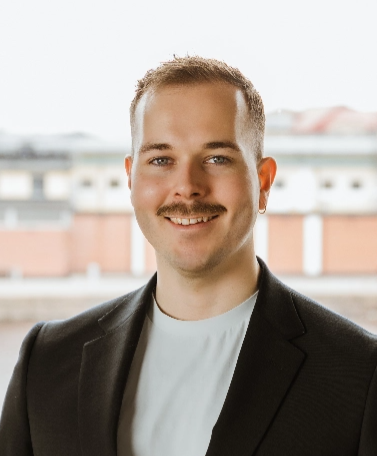
Johan Carlsson - Country Manager
Johan Carlsson is a cloud architecture specialist and frequent speaker focused on scalable workloads, AI/ML, and IoT innovation. At Opsio, he helps organizations harness cutting-edge technology, automation, and purpose-built services to drive efficiency and achieve sustainable growth. Johan is known for enabling enterprises to gain a competitive advantage by transforming complex technical challenges into powerful, future-ready cloud solutions.