In today’s data-driven business landscape, organizations face mounting pressure to extract value from their data quickly and reliably. Yet many struggle with slow analytics cycles, poor data quality, and disconnected teams. DataOps has emerged as a powerful methodology to address these challenges by bringing together people, processes, and technology to streamline data operations and deliver trusted insights faster.This comprehensive guide explores how DataOps can transform your organization’s approach to data management, helping you overcome common obstacles and build a more efficient, collaborative data ecosystem that drives real business value.
What is DataOps?
DataOps is a collaborative data management practice that combines agile methodology, DevOps principles, and statistical process control to improve the quality, speed, and reliability of data analytics. It breaks down silos between data engineers, data scientists, analysts, and business stakeholders to create a more streamlined approach to data operations.
At its core, DataOps is about creating a culture and set of practices that enable organizations to:
- Deliver new data insights with increasing velocity
- Maintain extremely high data quality with minimal errors
- Foster collaboration across complex arrays of people, technologies, and environments
- Implement clear measurement, monitoring, and transparency of results
Rather than treating data operations as a series of disconnected tasks, DataOps views the entire data lifecycle as an integrated pipeline that can be optimized, automated, and continuously improved.
Ready to explore how DataOps can transform your data operations?
Discover how Opsio Cloud’s DataOps solutions can help your organization deliver faster, more reliable data insights.
Explore DataOps Solutions
The Origins and Evolution of DataOps
DataOps has its intellectual roots in several established methodologies that have transformed other areas of business and technology:
Agile Development
From Agile, DataOps adopts the concept of iterative development with short sprints and continuous feedback. This enables data teams to adapt quickly to evolving requirements and deliver value incrementally rather than in one “big bang” release.
DevOps
DevOps contributes practices for continuous integration, continuous deployment, and automation of the build lifecycle. These approaches dramatically reduce time to deployment and improve collaboration between development and operations teams.
Lean Manufacturing
From Lean, DataOps incorporates statistical process control, quality management, and a focus on eliminating waste. These principles help ensure data pipelines operate efficiently and produce high-quality outputs consistently.
While DataOps is often described as “DevOps for data,” it’s important to understand that DataOps addresses unique challenges specific to data management. Unlike software applications, data pipelines must handle constantly changing data inputs while maintaining quality and reliability throughout the analytics lifecycle.
Why is DataOps Important?
Organizations today face numerous challenges in their data operations that directly impact business performance:
Common Data Challenges
- Long cycle times for delivering new analytics (often months)
- Poor data quality leading to mistrust and duplicate efforts
- Siloed teams with limited collaboration
- Manual processes that don’t scale with growing data volumes
- Difficulty maintaining compliance and governance
- Reactive approach to data errors and pipeline failures
Business Impact
- Missed opportunities due to delayed insights
- Poor decision-making based on inaccurate data
- Wasted resources on redundant work
- Inability to scale data operations with business growth
- Compliance risks and potential penalties
- Lost productivity from constant firefighting
DataOps addresses these challenges by providing a framework for automating, monitoring, and continuously improving data pipelines. Organizations that successfully implement DataOps typically see:
- Reduction in analytics cycle time from months to days or hours
- Dramatic improvement in data quality and reliability
- Better collaboration between technical and business teams
- Increased agility in responding to changing business requirements
- Enhanced data governance and compliance
As data volumes continue to grow exponentially and businesses become increasingly dependent on data-driven insights, DataOps is becoming not just advantageous but essential for maintaining competitive advantage.
How Does DataOps Work?
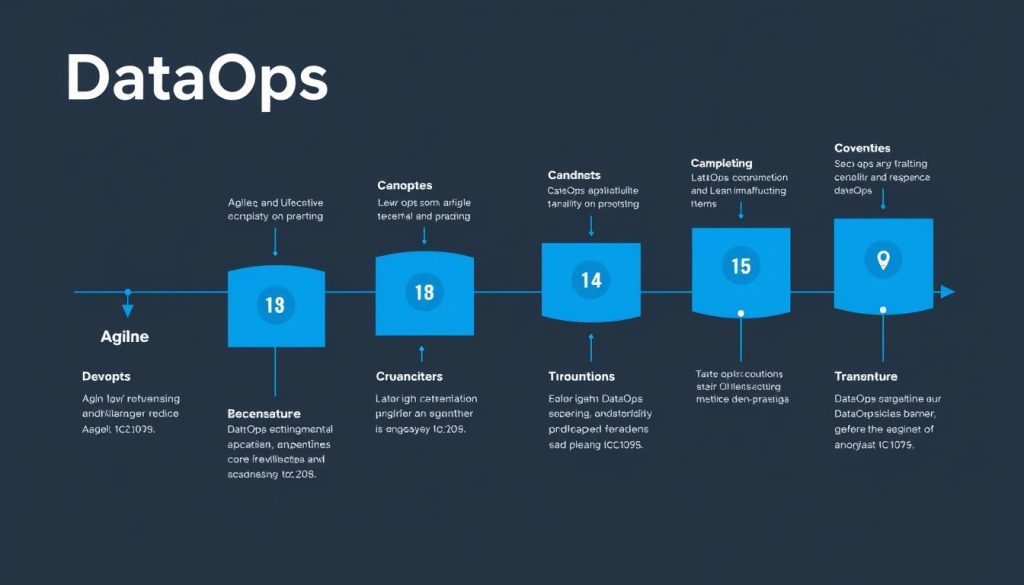
DataOps implements a continuous feedback loop that optimizes the entire data lifecycle. This approach ensures that data flows smoothly from source to insight while maintaining quality and reliability throughout.
The DataOps Lifecycle
| Stage |
Description |
Key Activities |
| Planning |
Define requirements and set quality standards |
Establish KPIs, SLAs, and SLIs with business stakeholders |
| Development |
Build data products and models |
Create data pipelines, transformations, and analytics |
| Integration |
Combine code and data products with existing systems |
Merge code into repositories, integrate with orchestration tools |
| Testing |
Validate data quality and pipeline functionality |
Run automated tests for data quality, business logic, and performance |
| Release |
Prepare for production deployment |
Final validation in test environment |
| Deployment |
Move to production |
Automated deployment with minimal manual steps |
| Operation |
Run data pipelines in production |
Execute scheduled workflows, deliver data to end users |
| Monitoring |
Track performance and quality |
Continuous monitoring, alerting, and anomaly detection |
Core Principles of DataOps
Successful DataOps implementation relies on several fundamental principles that guide how organizations approach their data operations:
Collaboration Across Teams
DataOps breaks down silos between data engineers, data scientists, analysts, and business stakeholders. This cross-functional collaboration ensures that everyone shares a common understanding of data requirements, quality standards, and business objectives.
Continuous Delivery for Data
Applying CI/CD practices to data pipelines enables frequent, reliable updates with minimal disruption. This approach replaces infrequent, high-risk releases with smaller, incremental changes that can be tested and deployed automatically.
Automation First
DataOps prioritizes automation of repetitive tasks, from data ingestion to quality testing to deployment. This reduces human error, improves consistency, and frees up data professionals to focus on higher-value activities.
Quality at the Source
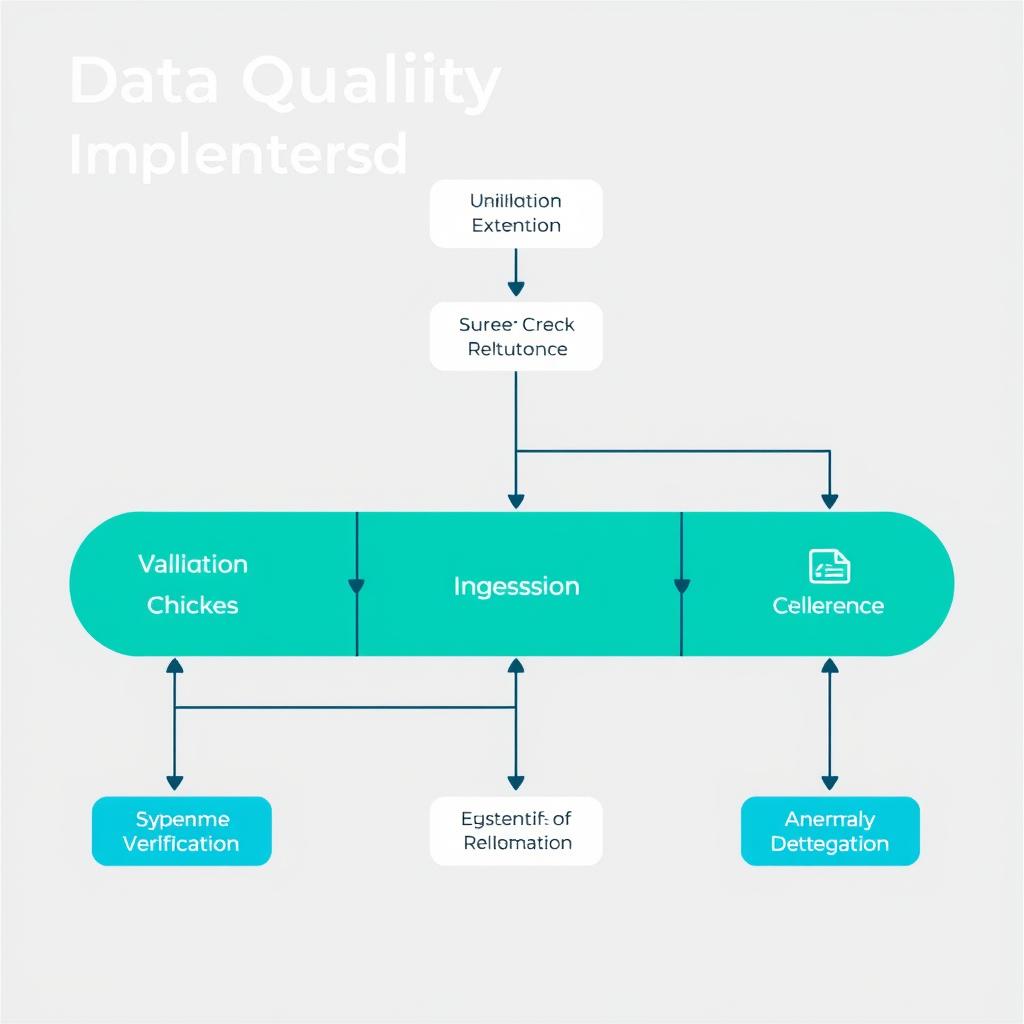
Rather than catching data issues downstream, DataOps implements quality controls at every stage of the data pipeline. This “shift-left” approach to quality ensures that problems are detected and resolved early, before they impact downstream analytics.
Observability as a Pillar
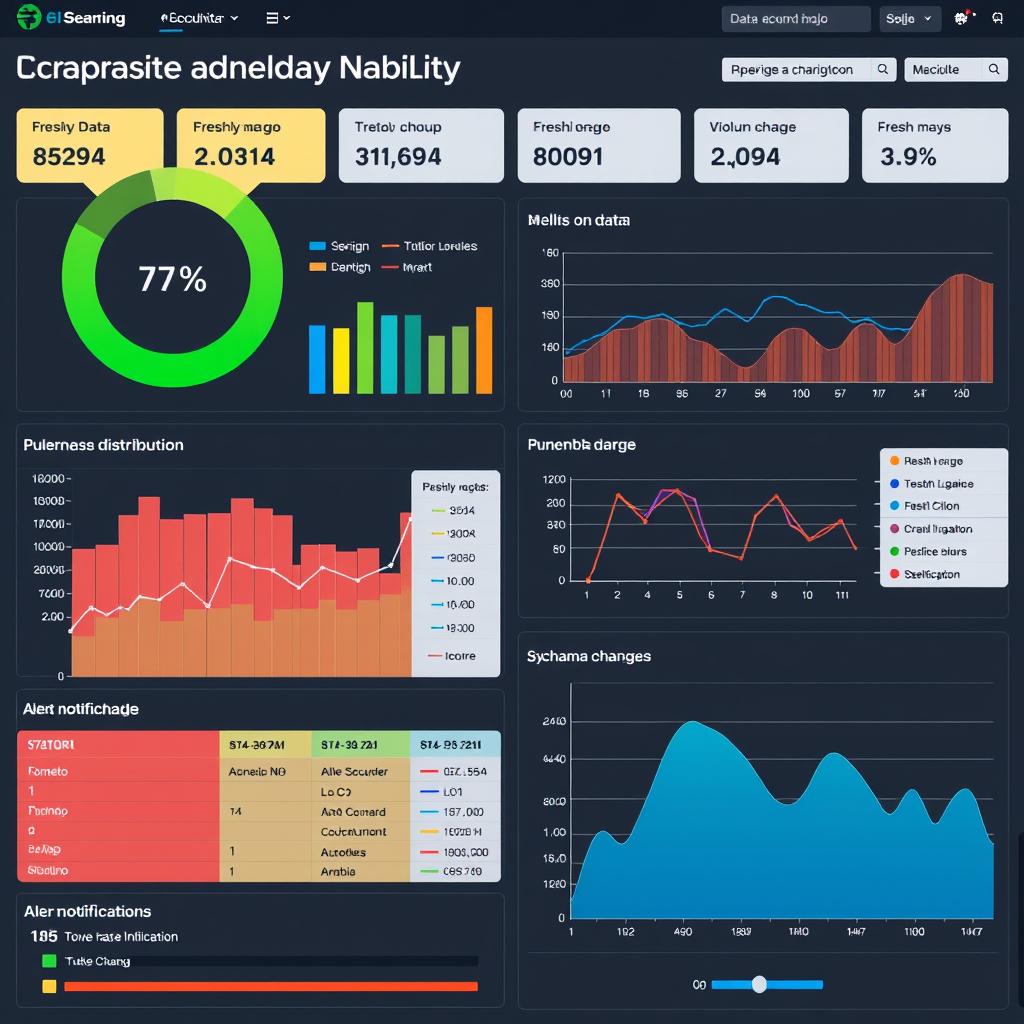
Comprehensive monitoring and alerting provide visibility into the health and performance of data pipelines. Data observability tools track metrics like freshness, volume, distribution, schema changes, and lineage to detect issues proactively.
Governance Baked In
DataOps integrates governance, security, and compliance requirements directly into the pipeline development process. This ensures that data handling meets organizational and regulatory standards without creating bottlenecks.
Benefits of Adopting DataOps
Organizations that successfully implement DataOps realize significant advantages across their data operations:
Faster Time to Insight
DataOps dramatically reduces the cycle time for delivering new analytics, transforming what once took months into days or hours. This acceleration enables organizations to respond more quickly to changing business conditions and emerging opportunities.
Improved Data Quality
By implementing automated testing and validation throughout the data pipeline, DataOps significantly reduces errors and inconsistencies. Higher quality data leads to more trustworthy analytics and better business decisions.
Enhanced Collaboration
DataOps breaks down silos between technical and business teams, creating a shared understanding of data requirements and objectives. This improved collaboration leads to better alignment between data initiatives and business goals.
Greater Agility
With automated pipelines and continuous delivery practices, organizations can adapt more quickly to changing data sources, business requirements, and analytical needs. This agility becomes a competitive advantage in fast-moving markets.
Reduced Operational Risk
Comprehensive monitoring, automated testing, and governance controls reduce the risk of data breaches, compliance violations, and pipeline failures. This protection is increasingly important as data regulations become more stringent.
Increased Productivity
By automating routine tasks and reducing unplanned work from errors and failures, DataOps frees data professionals to focus on higher-value activities. Teams spend less time firefighting and more time innovating.
Ready to experience these benefits in your organization?
Discover how Opsio Cloud’s DataOps solutions can help you achieve faster insights, better quality, and greater agility.
Request a Demo
Common Challenges in DataOps Implementation
While the benefits of DataOps are compelling, organizations often face several challenges when implementing this approach:

Cultural Resistance
Perhaps the most significant barrier to DataOps adoption is cultural resistance to change. Teams accustomed to traditional, siloed approaches may struggle with the collaborative, automated nature of DataOps. Overcoming this resistance requires strong leadership, clear communication of benefits, and gradual implementation that demonstrates value early.
Technical Complexity
Implementing DataOps often involves integrating diverse tools and technologies across the data lifecycle. This technical complexity can be daunting, especially for organizations with legacy systems or limited expertise in modern data technologies. A phased approach that starts with core capabilities can help manage this complexity.
Skill Gaps
Effective DataOps requires a combination of technical skills (automation, testing, monitoring) and collaborative practices that may not exist within current teams. Organizations often need to invest in training existing staff or bringing in new talent with DataOps experience.
Process Standardization
DataOps requires standardized processes for development, testing, deployment, and monitoring. Establishing these standards across diverse teams and data domains can be challenging, particularly in large organizations with decentralized data practices.
Tool Selection
The DataOps tooling landscape is complex and evolving, making it difficult to select the right combination of technologies. Organizations must evaluate tools for orchestration, testing, monitoring, and governance that integrate well and meet their specific requirements.
Measuring Success
Defining and tracking metrics to measure DataOps success can be challenging. Organizations need to establish baseline measurements and KPIs that reflect both technical outcomes (pipeline reliability, data quality) and business impact (time to insight, decision quality).
Struggling with DataOps implementation challenges?
Opsio Cloud’s expert team can help you navigate these obstacles and build a successful DataOps practice tailored to your organization’s needs.
See How Opsio Cloud Helps
Implementing DataOps: A Step-by-Step Approach
Successfully implementing DataOps requires a thoughtful, phased approach that addresses both technical and organizational aspects:
-
Assess Current State
Begin by evaluating your organization’s current data operations, identifying pain points, bottlenecks, and areas for improvement. Document existing workflows, tools, and team structures to establish a baseline for measuring progress.
-
Define Vision and Objectives
Establish clear goals for your DataOps initiative, aligned with business objectives. Define specific, measurable outcomes such as reduced cycle time, improved data quality, or enhanced collaboration between teams.
-
Build Cross-Functional Team
Form a DataOps team that brings together expertise from data engineering, analytics, IT operations, and business domains. This cross-functional team will drive implementation and serve as champions for DataOps practices.
-
Start Small with a Pilot
Select a specific data domain or pipeline for your initial implementation. Choose an area that has visible pain points but isn’t mission-critical, allowing room for learning and adjustment without major business impact.
-
Implement Core Capabilities
Begin implementing fundamental DataOps capabilities in your pilot area:
- Version control for all pipeline code and configurations
- Automated testing for data quality and pipeline functionality
- Continuous integration/continuous deployment (CI/CD) for data pipelines
- Basic monitoring and alerting for pipeline health
-
Measure and Demonstrate Value
Track key metrics before and after implementation to quantify improvements. Share early successes with stakeholders to build momentum and support for broader adoption.
-
Scale Gradually
Expand DataOps practices to additional data domains and teams, applying lessons learned from the pilot. Prioritize areas with the greatest potential business impact or most severe pain points.
-
Enhance Capabilities
As your DataOps practice matures, implement more advanced capabilities:
- Comprehensive data observability across all pipelines
- Automated governance and compliance controls
- Self-service capabilities for business users
- Advanced analytics for pipeline performance optimization
Throughout this process, it’s essential to focus on both technical implementation and organizational change management. Regular communication, training, and celebration of successes will help build a DataOps culture that sustains the practice over time.
How Opsio Cloud Enables Successful DataOps
Implementing DataOps requires the right combination of expertise, methodology, and technology. Opsio Cloud provides a comprehensive solution that addresses each aspect of the DataOps lifecycle:
End-to-End Orchestration
Opsio Cloud provides unified orchestration across your entire data pipeline, from ingestion to transformation to delivery. Our platform integrates with your existing tools while adding the automation and visibility needed for effective DataOps.
Comprehensive Observability
Monitor the health and performance of your data pipelines with Opsio Cloud’s observability capabilities. Track key metrics across freshness, volume, distribution, schema, and lineage to detect and resolve issues before they impact business users.
Automated Quality Controls
Implement automated testing and validation throughout your data pipeline with Opsio Cloud’s quality management features. Define and enforce data quality rules that ensure reliable, trustworthy data for analytics and decision-making.
CI/CD for Data
Accelerate delivery of new analytics with Opsio Cloud’s continuous integration and deployment capabilities. Automate testing, validation, and deployment of data pipelines to reduce cycle time and minimize errors.
Integrated Governance
Maintain compliance and security with Opsio Cloud’s governance controls. Manage access, track lineage, and enforce policies automatically throughout the data lifecycle.
Expert Guidance
Beyond technology, Opsio Cloud provides the methodology and expertise to help you implement DataOps successfully. Our team works with you to assess your current state, define a roadmap, and guide implementation at every step.
Opsio Cloud doesn’t just provide tools—we offer a complete solution that combines technology, methodology, and expertise to help you build a successful DataOps practice that delivers real business value.
Getting Started with DataOps
Ready to begin your DataOps journey? Here are practical steps to get started:

-
Educate Your Team
Build awareness and understanding of DataOps principles and practices across your organization. Share resources, arrange training sessions, and discuss how DataOps can address specific pain points your teams are experiencing.
-
Identify Quick Wins
Look for opportunities to apply DataOps practices to solve immediate problems. Focus on areas where you can demonstrate visible improvements in a short timeframe to build momentum and support.
-
Map Your Data Pipelines
Document your current data flows, from sources to consumption. Understanding your data landscape is essential for identifying improvement opportunities and prioritizing DataOps initiatives.
-
Establish Baseline Metrics
Measure current performance in key areas like cycle time, data quality, and pipeline reliability. These baseline metrics will help you quantify improvements and demonstrate the value of your DataOps initiatives.
-
Seek Expert Guidance
Consider partnering with experienced DataOps professionals who can provide methodology, best practices, and technology to accelerate your implementation and avoid common pitfalls.
Pro Tip: Start with a focused pilot project rather than attempting a complete transformation at once. Choose a data domain that has clear pain points but isn’t mission-critical, allowing room for learning and adjustment.
Conclusion: The Future of Data Operations
DataOps represents a fundamental shift in how organizations manage and leverage their data assets. By bringing together people, processes, and technology in a more collaborative, automated framework, DataOps enables organizations to deliver trusted insights faster while maintaining high quality and governance standards.
As data volumes continue to grow and businesses become increasingly dependent on data-driven decision making, the ability to efficiently manage data operations becomes not just an advantage but a necessity. Organizations that successfully implement DataOps will be better positioned to extract value from their data, respond quickly to changing business needs, and maintain a competitive edge in their industries.
The journey to DataOps maturity is ongoing, with continuous improvement as a core principle. By starting with a clear assessment of current challenges, implementing foundational practices, and gradually expanding capabilities, organizations can transform their approach to data and unlock its full potential for driving business success.
Ready to transform your data operations?
Opsio Cloud provides the expertise, methodology, and technology you need to implement DataOps successfully and deliver greater value from your data assets.
Schedule a DataOps Consultation
Frequently Asked Questions About DataOps
How is DataOps different from DevOps?
While DataOps draws inspiration from DevOps, it addresses the unique challenges of data management. DevOps focuses on application code deployment, while DataOps manages data pipelines that must handle constantly changing inputs while maintaining quality. DataOps incorporates additional elements like statistical process control and data governance that aren’t typically part of DevOps.
What roles are typically involved in a DataOps team?
A DataOps team often includes data engineers who build and maintain pipelines, data scientists who develop models and analytics, data analysts who interpret results, and DataOps engineers who focus on automation, testing, and monitoring. Depending on the organization, the team may also include roles focused on data governance, business analysis, and product management.
How long does it take to implement DataOps?
DataOps implementation is a journey rather than a destination. Organizations typically see initial benefits from focused pilots within 3-6 months, with broader transformation occurring over 1-2 years. The timeline depends on factors like organizational size, complexity of data landscape, and level of cultural change required.
What metrics should we track to measure DataOps success?
Key metrics include cycle time (how long it takes to deliver new analytics), data quality (error rates, test coverage), pipeline reliability (uptime, mean time to recovery), and business impact (time to insight, decision quality). It’s important to establish baseline measurements before implementation to quantify improvements.
Do we need to replace our existing tools to implement DataOps?
DataOps is more about methodology than specific tools. While you may need to add capabilities for automation, testing, and monitoring, a good DataOps approach integrates with your existing data stack rather than replacing it. The focus should be on connecting and orchestrating your tools within a cohesive framework.